
The Roman Centurion Cornelius Sending his Men to Joppa — History & Facts
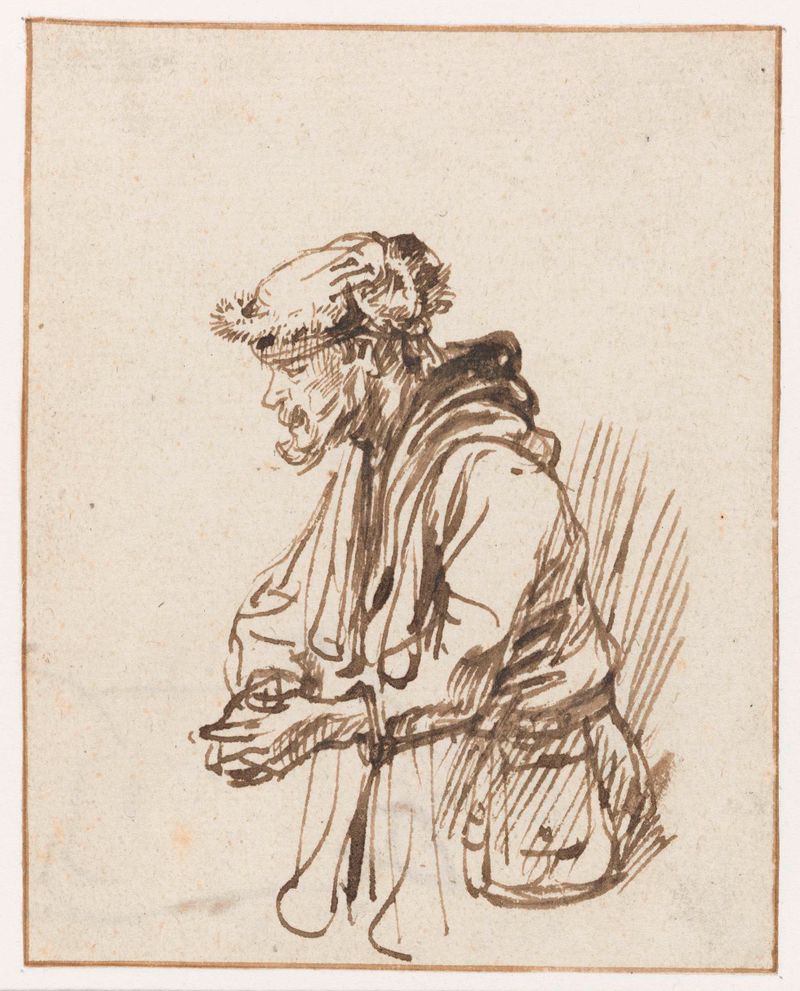
Such transformations ignite the imagination, inviting us to explore the delicate spaces between reality and the dreamlike. In The Roman Centurion Cornelius Sending his Men to Joppa, the artist captures a moment of anticipation, a pivotal convergence of duty and destiny. Focus first on the figure of the centurion, poised with authority at the center of the canvas. His armor glistens with gold and silver, reflecting the warm ochres and rich browns of the surrounding landscape.
Notice how the chiaroscuro technique brings depth and drama to his stern visage, while his outstretched hand gestures towards the horizon, directing his men, who hover on the edges of the scene. The contrasting light and shadow create a palpable tension, as if the air is thick with unspoken thoughts and impending action. Within this frame lies a tapestry of hidden meanings. The centurion, a symbol of Roman strength and order, stands in stark contrast to the uncertainty of the figures around him—his men bear expressions of both eagerness and trepidation.
This juxtaposition suggests a deeper commentary on faith and obedience, underscoring the complexity of leadership and the dreams that drive men into the unknown. The distant boats on the water serve as a metaphor for journey and exploration, hinting at the unknown futures awaiting them. Painted around 1653, this work reflects the artist’s engagement with the Counter-Reformation’s themes, highlighting moral narratives through dramatic storytelling. During this time, Drost was influenced by the dynamic styles emerging in Dutch art, which sought to evoke profound emotional responses through precise composition and rich color.
His choice to depict this biblical episode underscores the intersections of faith and duty in a world rapidly evolving in both thought and artistry.
More Artworks by Willem Drost
Browse all →

More Historical Art
Browse all →
The Night Watch Militia Company of District II under the Command of Captain Frans Banninck Cocq
Rembrandt van Rijn

Lincoln Memorial
Henry Bacon

The Third of May 1808
Francisco de Goya

Isaac and Rebecca, Known as ‘The Jewish Bride’
Rembrandt van Rijn

The Charge of the Mamelukes (1814)
Francisco de Goya

De vier ruiters van de apocalyps
Albrecht Dürer