Stanica — History & Facts
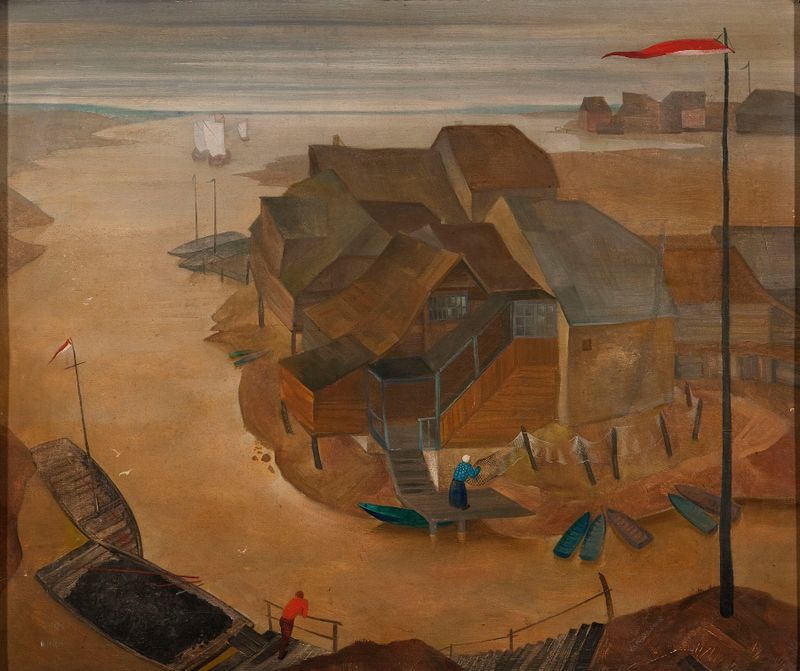
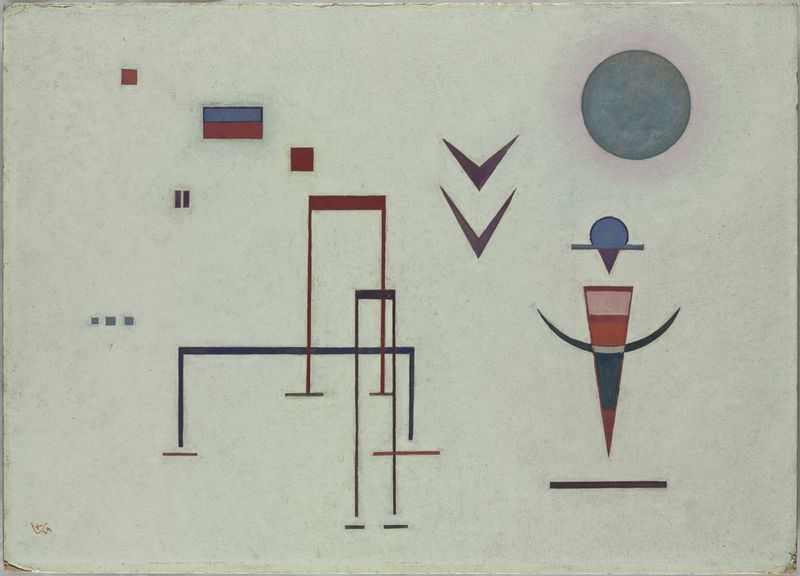
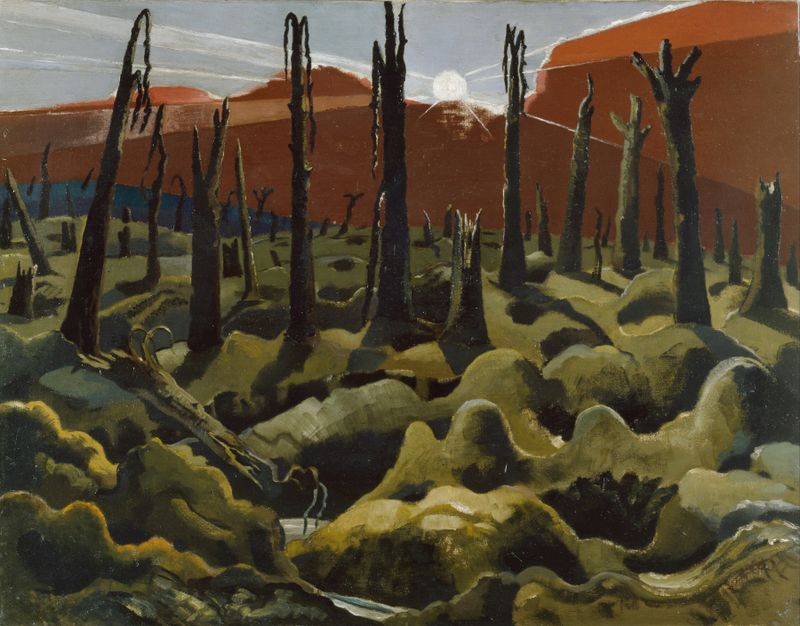
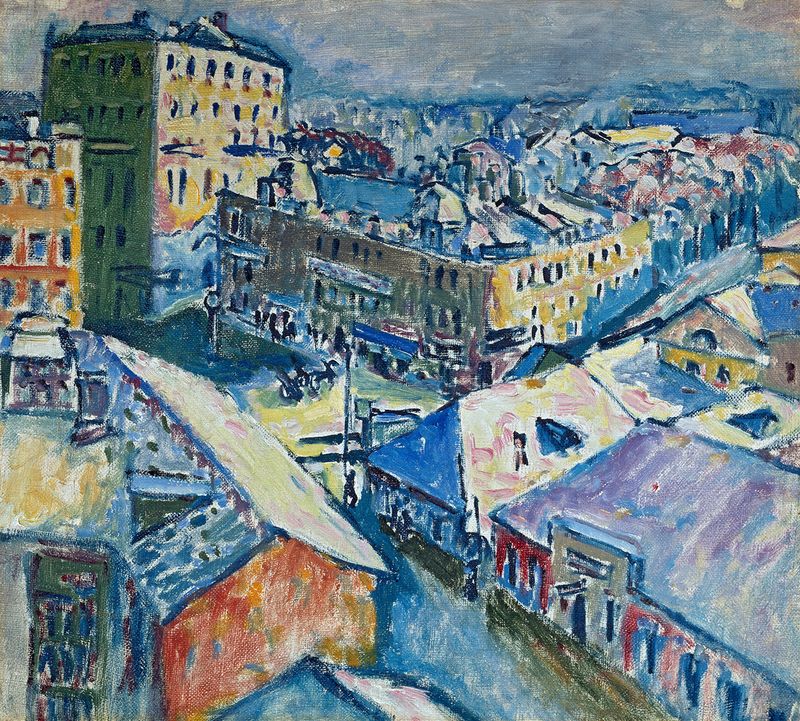
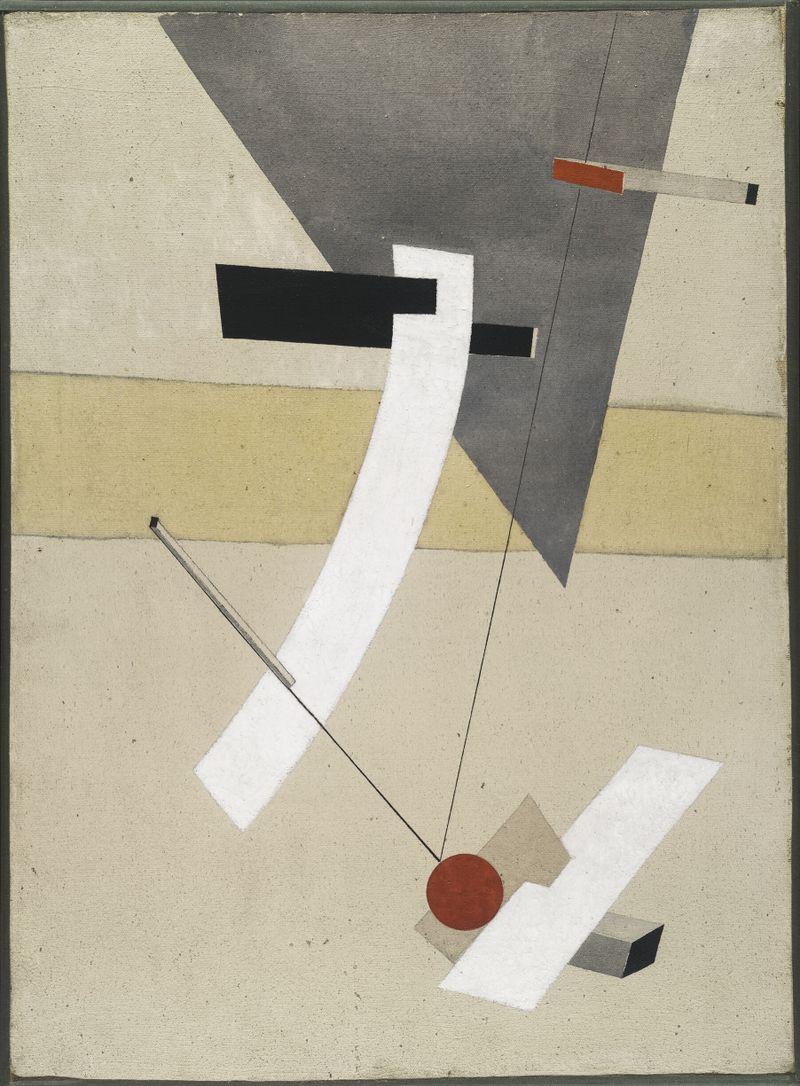
In a world swirling with the uncertainty of the early 20th century, innocence emerges as an exquisite yet fragile spirit, captured in a moment that resonates through time. Look to the center, where vibrant hues collide, creating a tapestry that pulls the viewer's gaze. The swirling forms dance with a frenetic energy, rendered in bold strokes that evoke both movement and emotion. Notice how the artist’s technique allows layered colors to bleed into one another, illustrating a harmony born from tumult.
The composition is not merely chaotic; it breathes, inviting us to explore the contrasting depths within each stroke, where light and shadow create a pulsating rhythm. Beneath the surface, the painting reveals a poignant commentary on the loss of innocence amidst external chaos. The dynamic forms suggest life bursting forth, yet the interplay of dark shades acts as a reminder of the tumultuous realities lurking outside this vibrant realm. Every brushstroke whispers stories of resilience, while the soft edges evoke a sense of longing, inviting the viewer to reflect on the fleeting nature of purity in a world often colored by strife. During the years of 1930 to 1945, amidst the backdrop of upheaval in Europe, the artist found himself navigating personal and artistic challenges.
These years were marked not only by the rise of modernism but also by the onset of war, influencing many contemporary creators. In this context, Stanica stands as a testament to the hope and innocence that can flourish, even when engulfed by chaos.