
Steps of the Palace at Versailles (Les Marches du Palais Versailles) — History & Facts
Can beauty exist without sorrow? In Steps of the Palace at Versailles, we confront the delicate interplay between grandeur and melancholy, where the elegance of the French palace stands as both a symbol of beauty and a reminder of history's weight. Look to the left at the grand staircase, its marble steps elegantly ascending into an ethereal light. Notice how the soft pastel hues of the architecture contrast with the deeper shadows that pool in the corners, suggesting both warmth and an underlying tension. The composition is masterfully balanced, drawing your gaze upward while inviting contemplation of the serene yet somber atmosphere.
Le Sidaner’s careful brushwork and use of light create a dreamlike quality, making the steps appear almost suspended in time. Within this tranquil scene lies a complex emotional landscape. The staircase, a metaphor for transition, hints at the passage of time—each step echoing the footsteps of those who once traversed it, mingling joy with nostalgia. The gentle play of light on the surfaces evokes a sense of longing, as if the viewer is caught in a moment of reflection, caught between admiration for the beauty of the palace and an awareness of its storied past.
The balance of light and shadow encapsulates this tension, leaving one to ponder the duality of splendor and sorrow. Henri Le Sidaner painted Steps of the Palace at Versailles in 1925, amidst his exploration of light and color influenced by Impressionism. During this period, he was living in France, focusing on the interplay of emotion and atmosphere in his work. The art world was evolving, with movements like Surrealism beginning to challenge traditional aesthetics, yet Le Sidaner remained dedicated to capturing the tranquility and beauty of his surroundings, grounding his subjects in emotional depth.
More Artworks by Henri Le Sidaner
Browse all →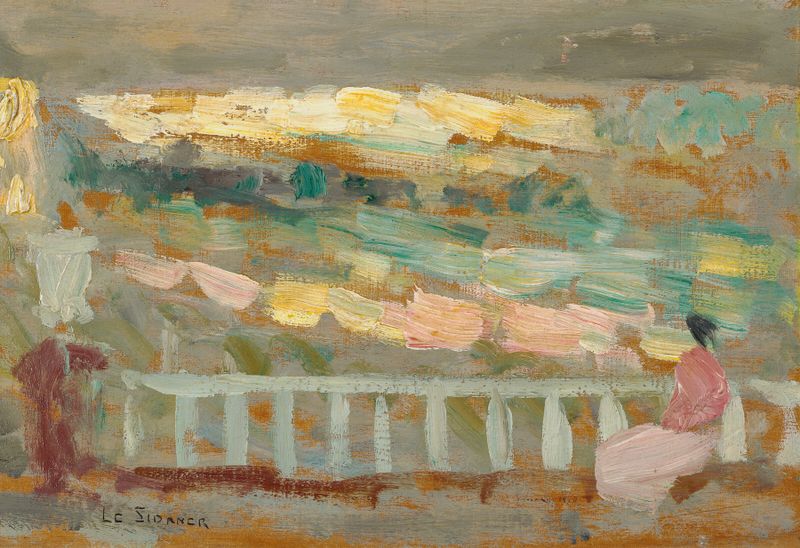
Terrasse à Gerberoy
Henri Le Sidaner
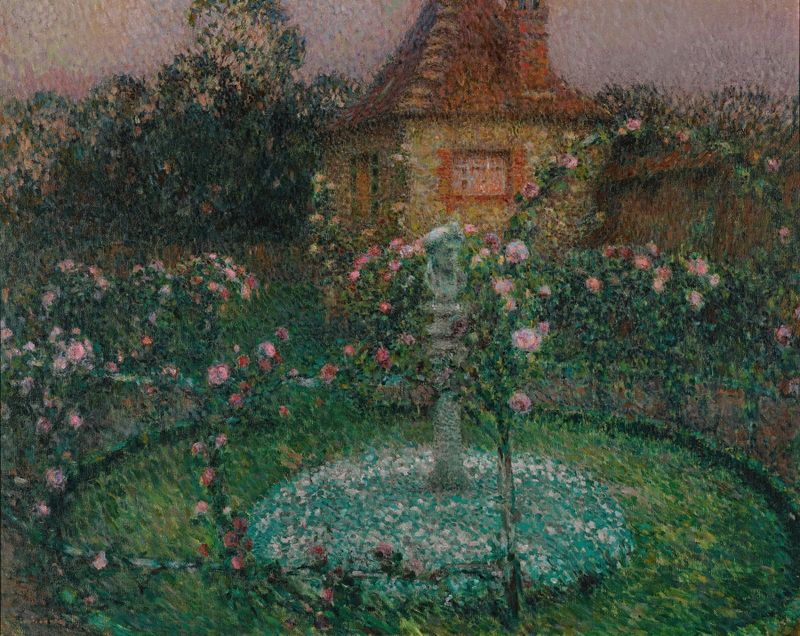
Le Pavillon, Gerberoy
Henri Le Sidaner
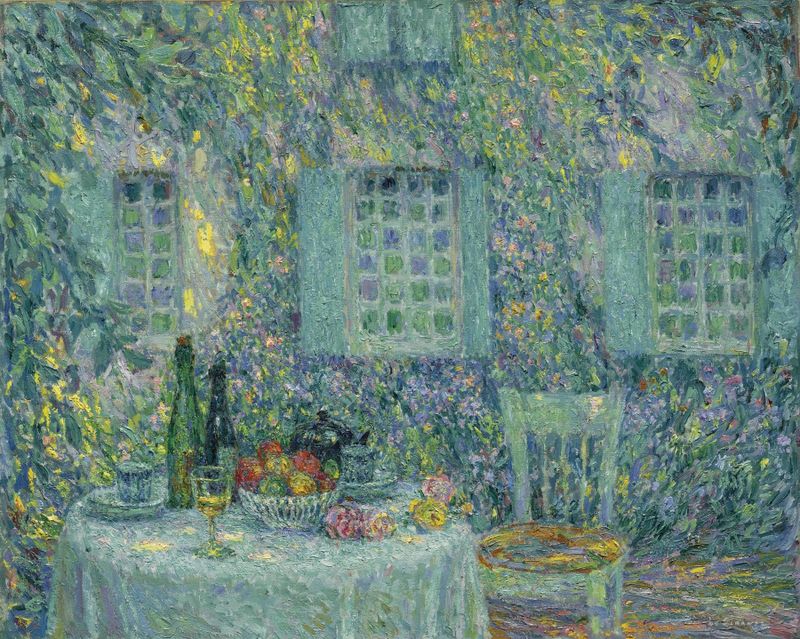
La Table, soleil dans les feuilles, Gerberoy
Henri Le Sidaner
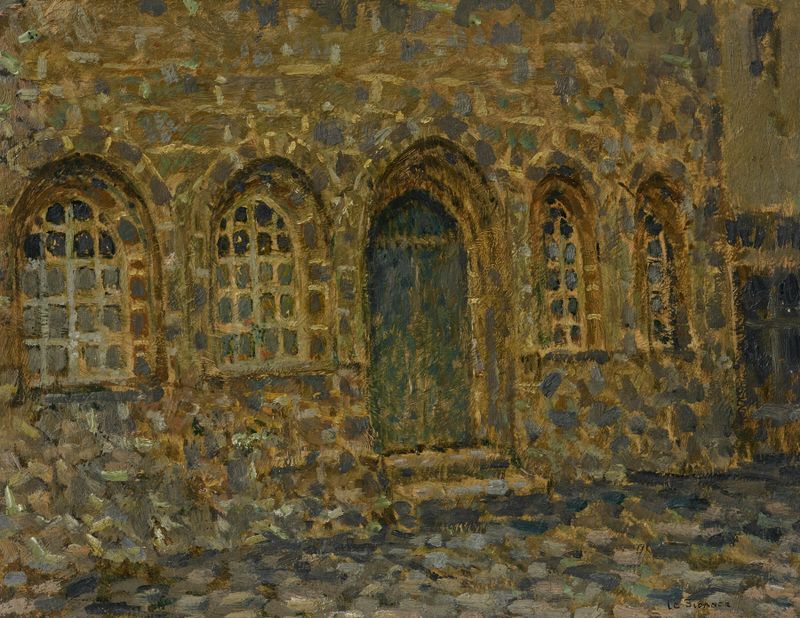
Maison ancienne, Tréguier
Henri Le Sidaner
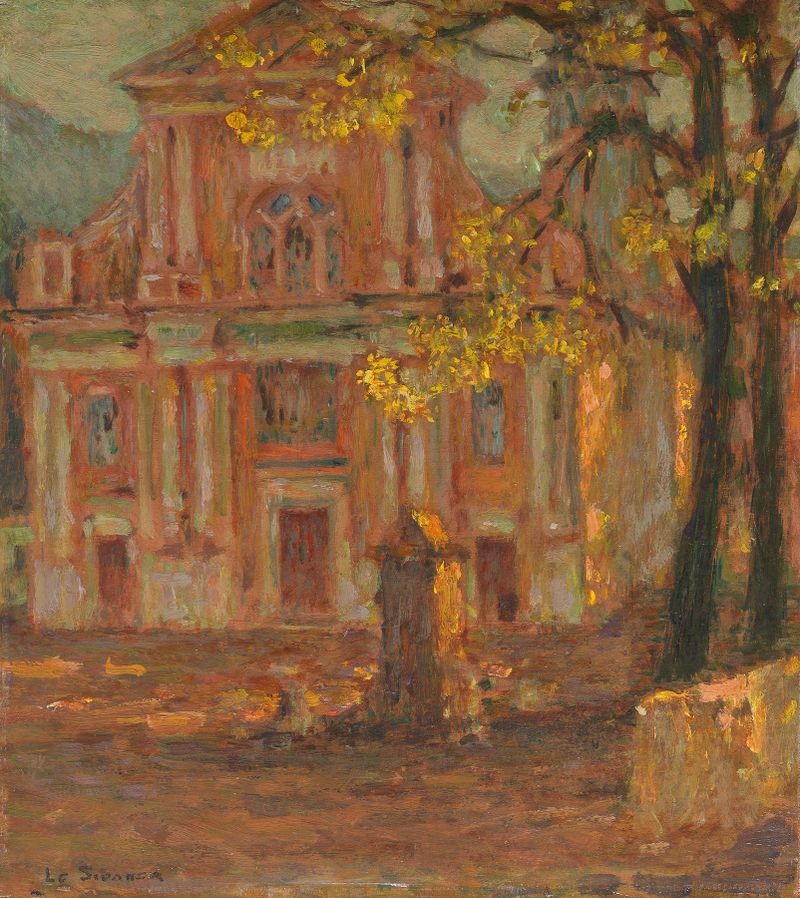
L’église, Dolceacqua
Henri Le Sidaner
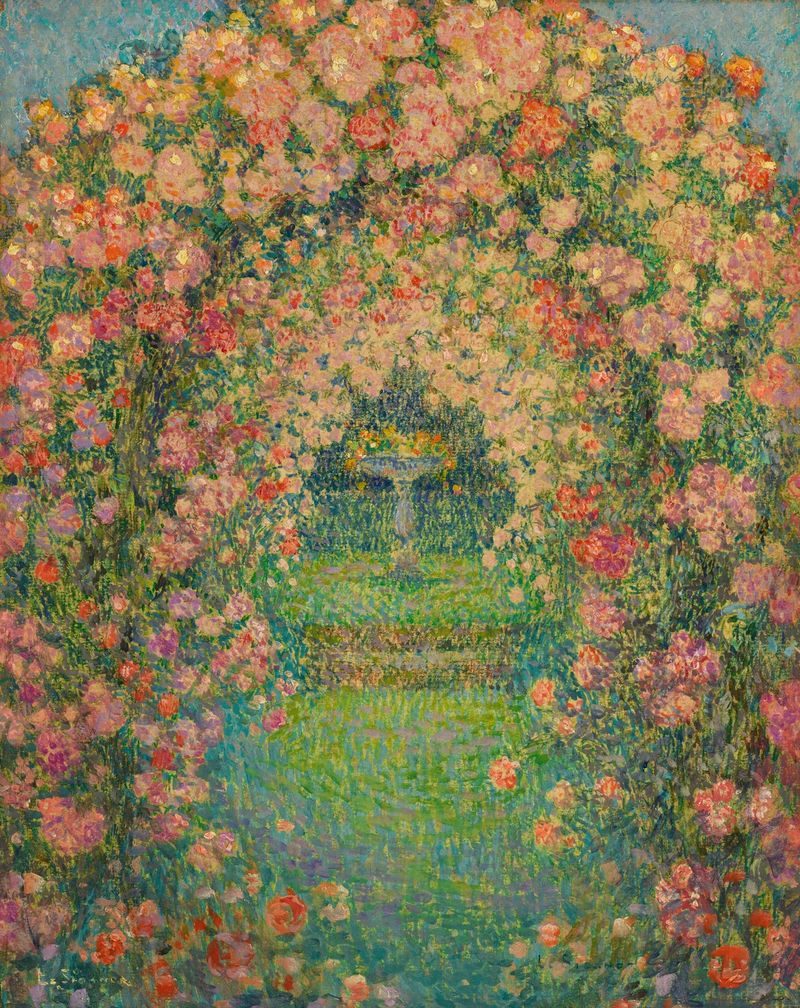
La Roseraie, Gerberoy
Henri Le Sidaner
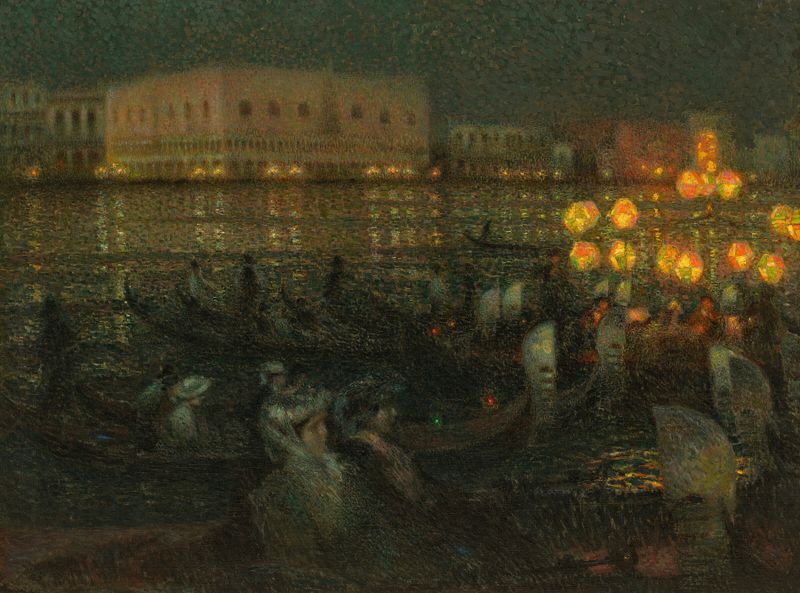
La Sérénade, Venise
Henri Le Sidaner
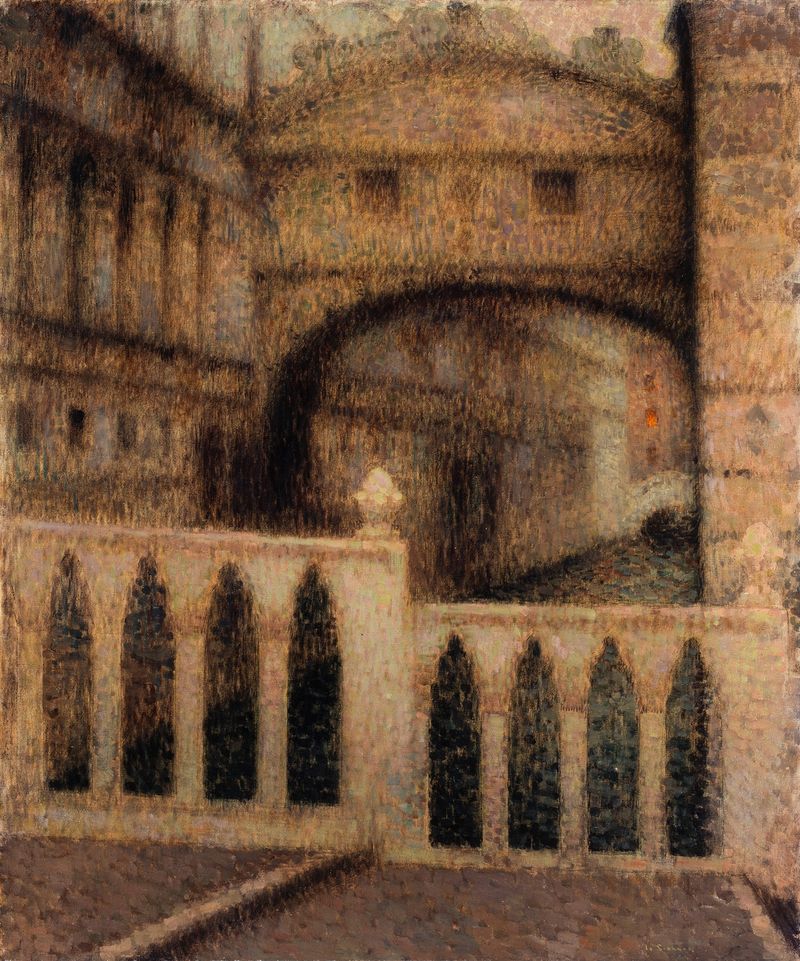
Le pont des Soupirs
Henri Le Sidaner
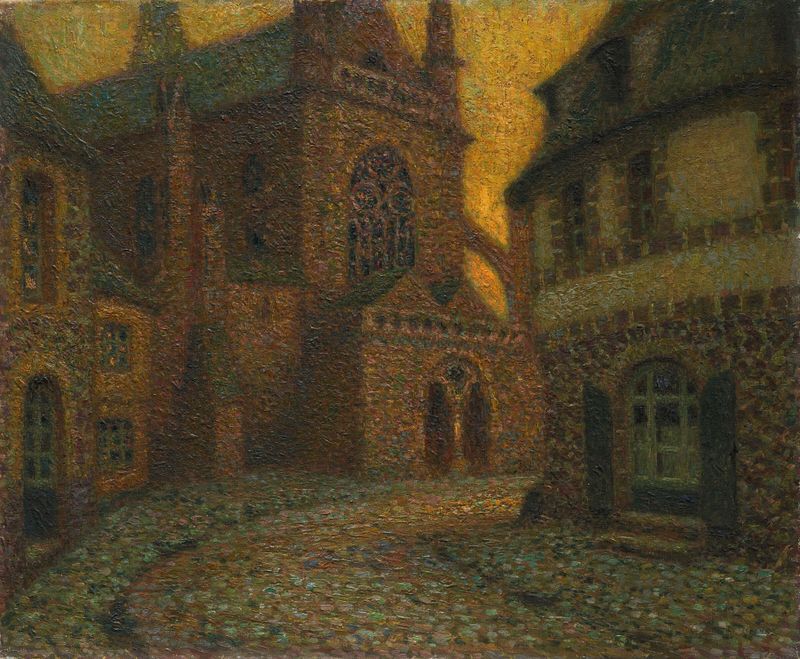
L’Église, Tréguier
Henri Le Sidaner
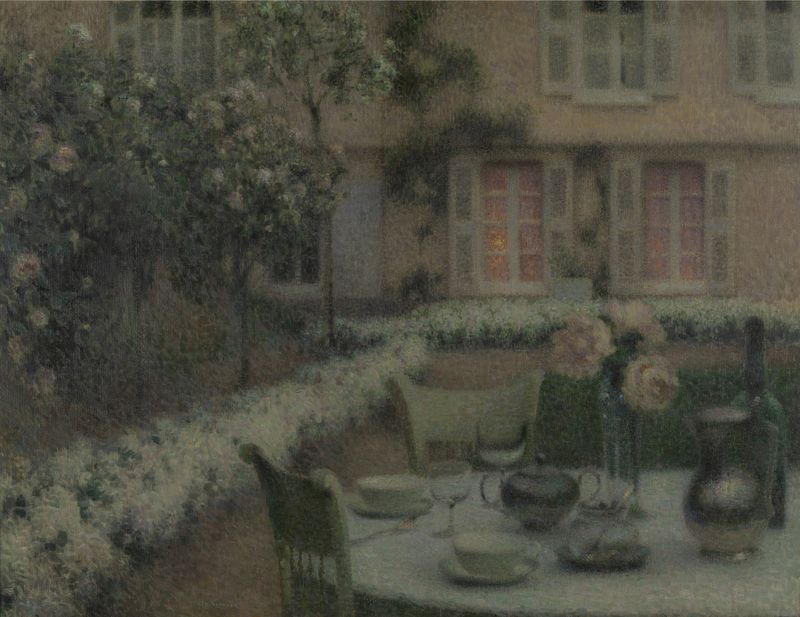
The Table in the White Garden at Gerberoy
Henri Le Sidaner
More Architecture Art
Browse all →
The statue of Liberty
Frédéric Auguste Bartholdi

View of Houses in Delft, Known as ‘The Little Street’
Johannes Vermeer

View of Houses in Delft, Known as ‘The Little Street’
Johannes Vermeer

The Cathedral in Rouen. The portal, Grey Weather
Claude Monet

The yellow house
Vincent van Gogh

The Church in Auvers-sur-Oise, View from the Chevet
Vincent van Gogh