
Still life: Tasteful tea — History & Facts
What first catches the eye in Still life: Tasteful tea is the gleam of the silver teapot, its mirrored surface capturing ghostly hints of the room beyond, as if inviting the viewer to step closer and join the ritual. The table is set with a quiet precision: a plate of golden pastries and crisp biscuits, sugar cubes piled high in a brass bowl, and delicate porcelain cups decorated with blue flowers. The crisp white cloth edged in red and gold anchors the scene, its folds and shadows lending weight and presence.
The artist’s attention to reflection and texture makes the ordinary extraordinary, turning a simple tea into a moment of ceremony and anticipation. Every object seems to wait for a hand to reach in, to pour, to taste. Painted in 1897, this work belongs to a long tradition of European still life, a genre that flourished in the 17th century and found new life in the hands of later artists like Albert Anker. Such paintings were often commissioned by the rising bourgeoisie, eager to display their refinement and prosperity through the careful depiction of domestic rituals and treasured possessions.
The late nineteenth century saw a renewed interest in the comforts of home, as industrialization brought both upheaval and new wealth. While history has kept few traces of this particular painting’s journey, it survives as a quiet testament to the pleasures and aspirations of its age—an invitation to linger over the details, and to imagine the world that gathered around this table.
More Artworks by Albert Anker

Portrait Of A Girl
Albert Anker
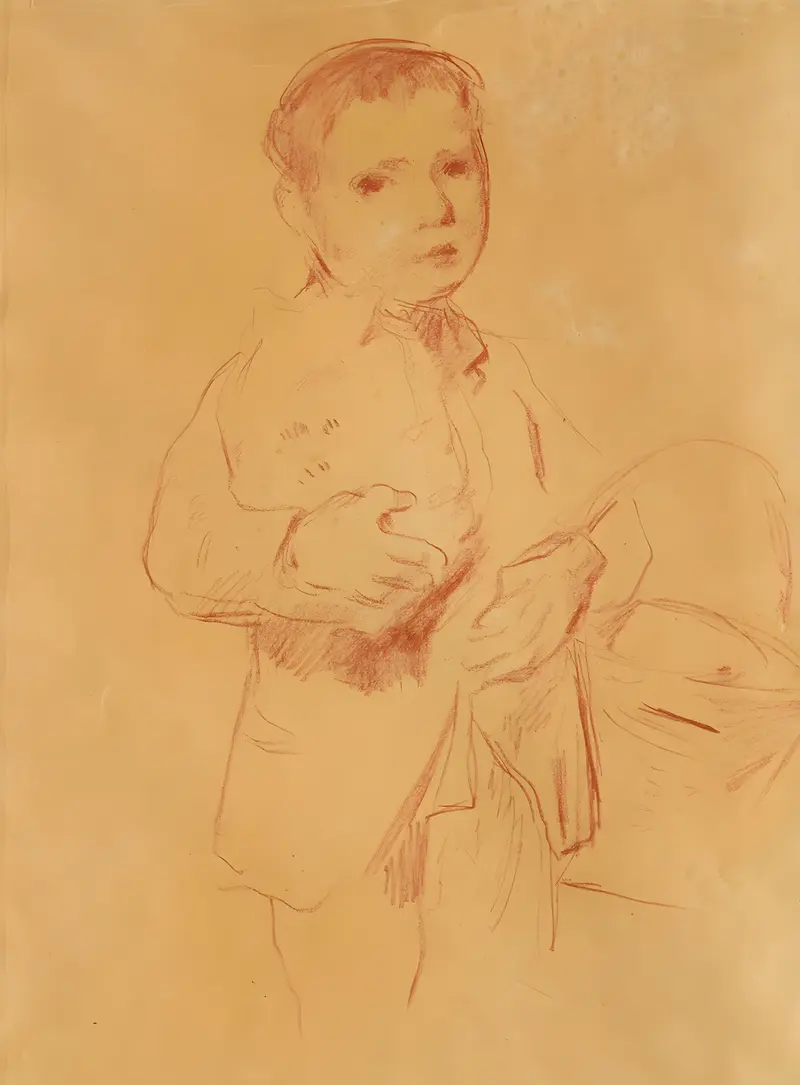
Boy with a basket
Albert Anker
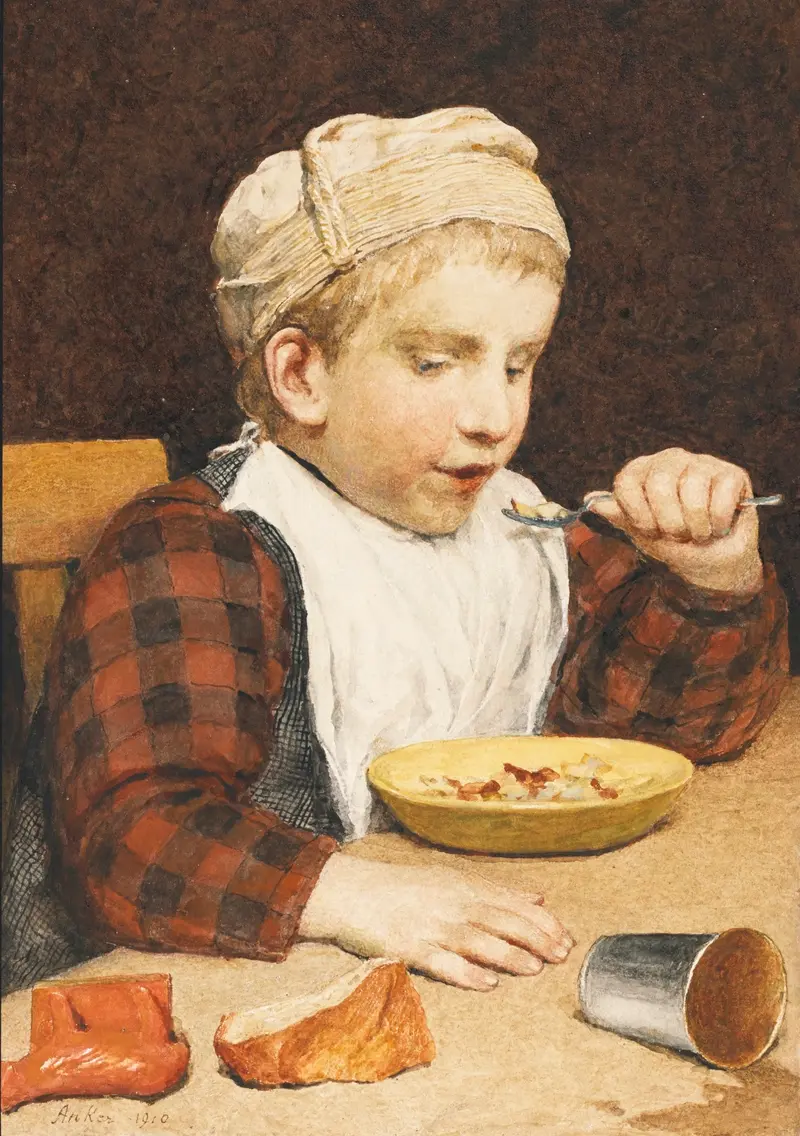
Knabe Mit Mütze Beim Essen
Albert Anker
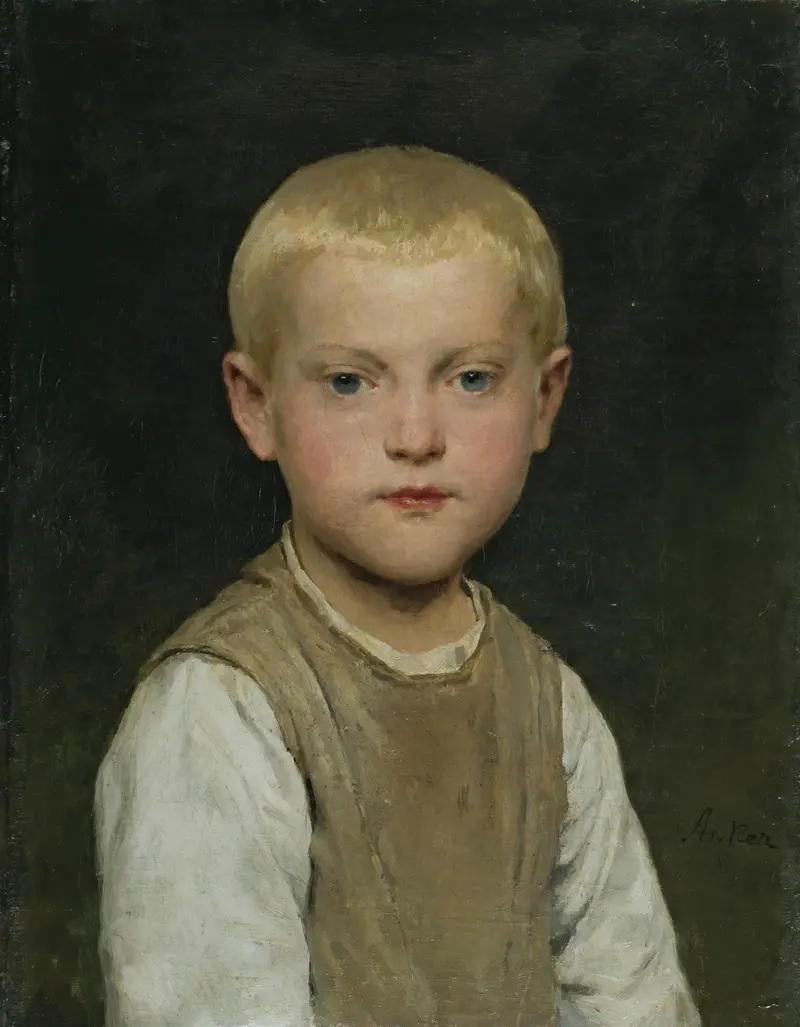
Knabenbildnis (Dr Heiri)
Albert Anker
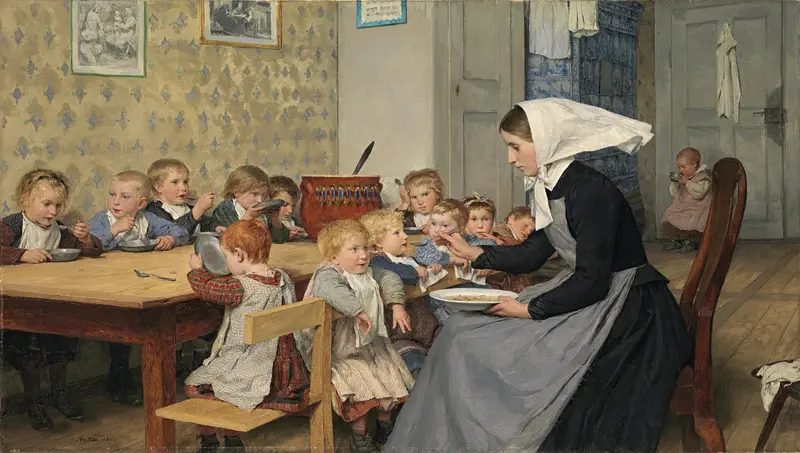
Die Kinderkrippe I
Albert Anker

L’instituteur et le pasteur
Albert Anker
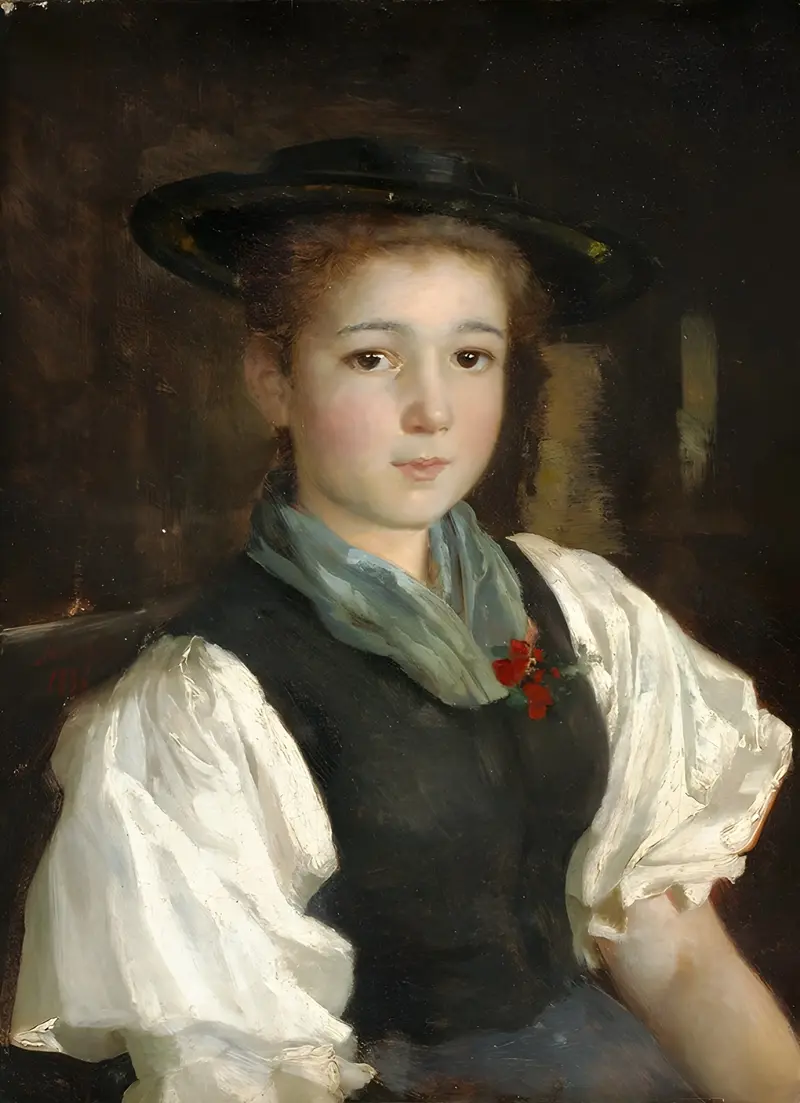
Bauernmädchen (Farm Girl)
Albert Anker
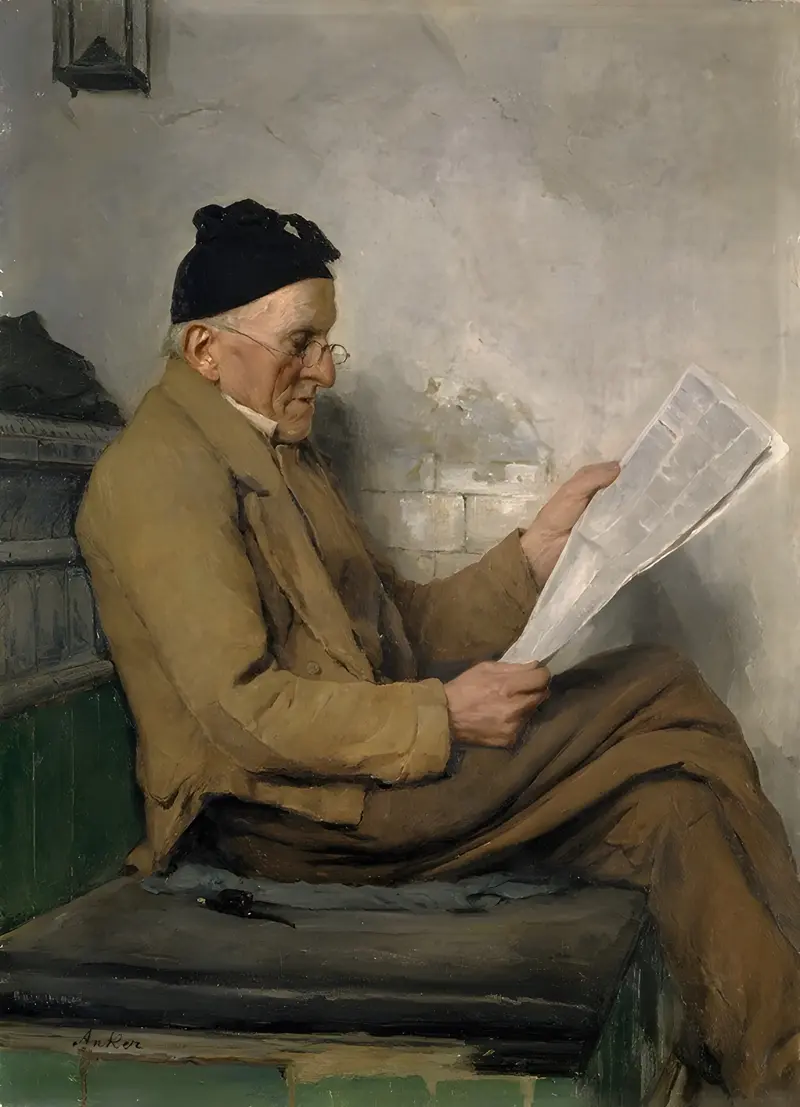
Farmer Reading on the Stove Bench
Albert Anker
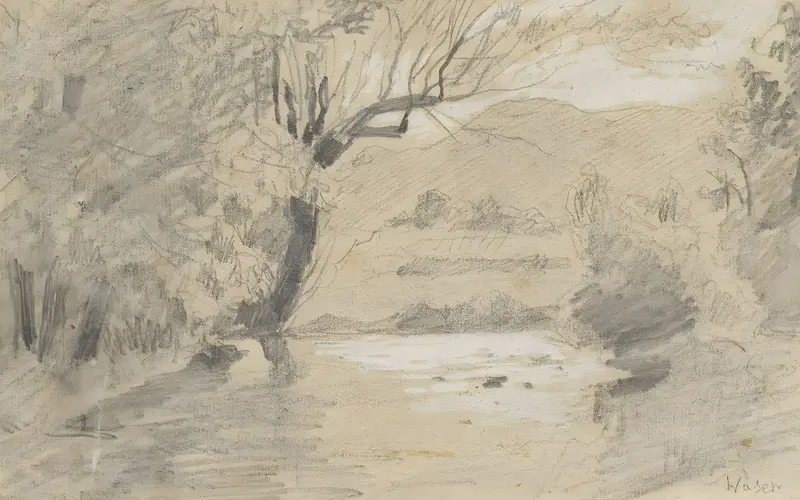
Flusslandschaft in Wasen (Emmental)
Albert Anker
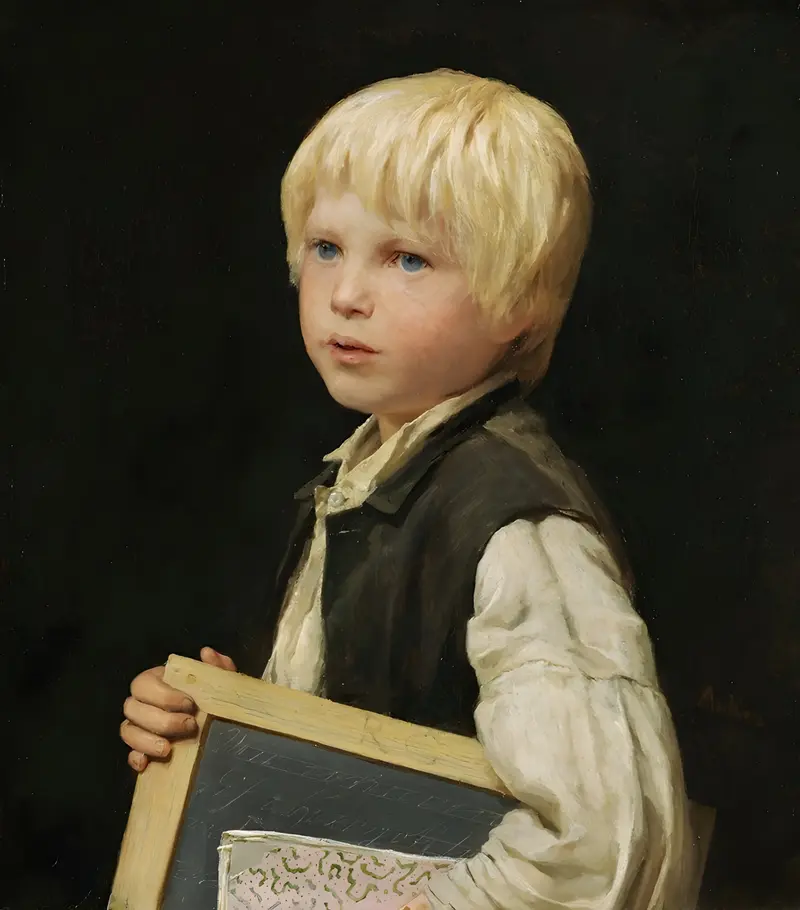
School Boy
Albert Anker





