
Art period · 1837–1901 · Britain
Victorian Art and Paintings
Victorian art is the art of a period, not of a single style: painting made in Britain during the reign of Queen Victoria, from 1837 to 1901. The Getty's art vocabulary says the period took in a varied range of classical and revival styles. Its painters include Frederic Leighton, Lawrence Alma-Tadema, James McNeill Whistler, Edwin Landseer and John William Godward.
They painted ancient Rome and Greece, knights and ladies, stags and dogs, moonlit docks and society beauties, and some, like Whistler, painted for beauty alone. Leighton's Flaming June, a woman asleep under a cascade of orange drapery, was among the last pictures he sent to the Royal Academy, in 1895, the year before he died.
Browse 3,695 Victorian paintings and artworks below, all public domain and free to download.
Selected and written by Pavel MazuelasUpdated November 5, 2026
Part of Art Movements and Painting StylesRelated: Pre-Raphaelites, Romanticism, Famous Portrait Paintings
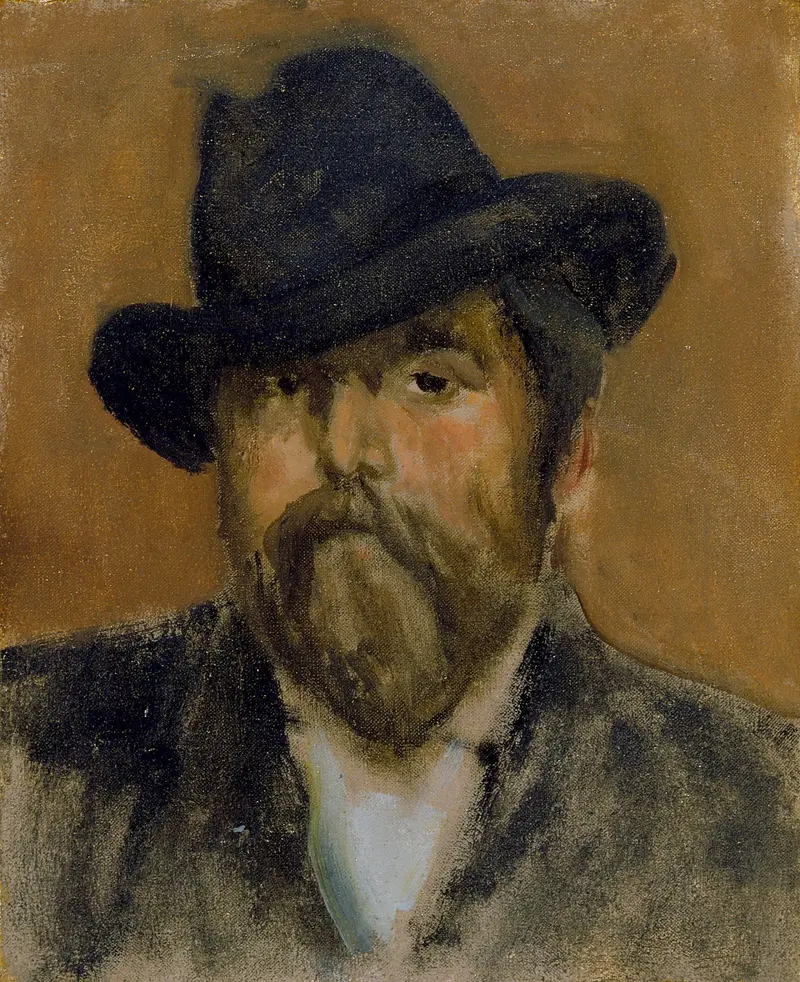
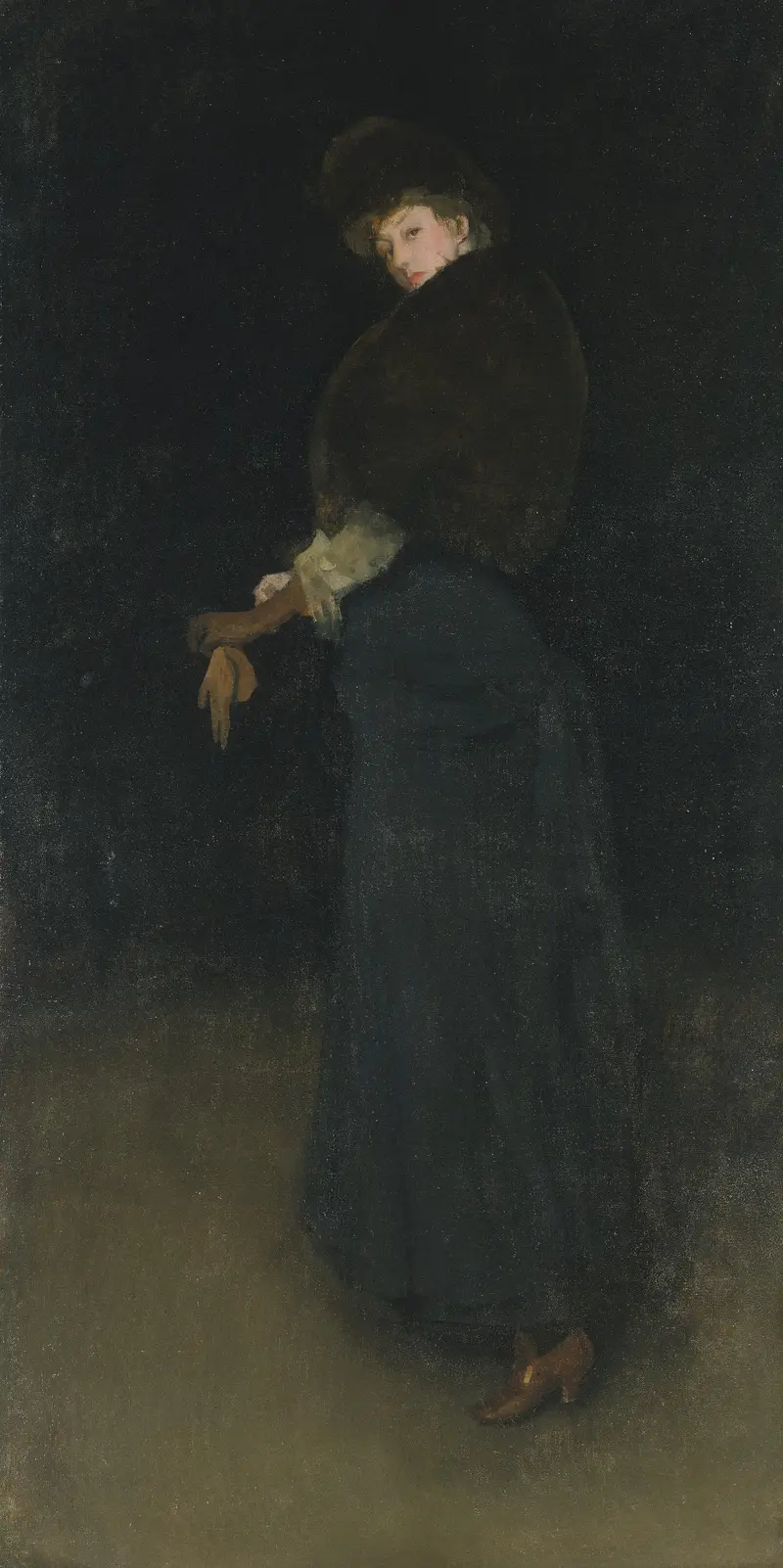
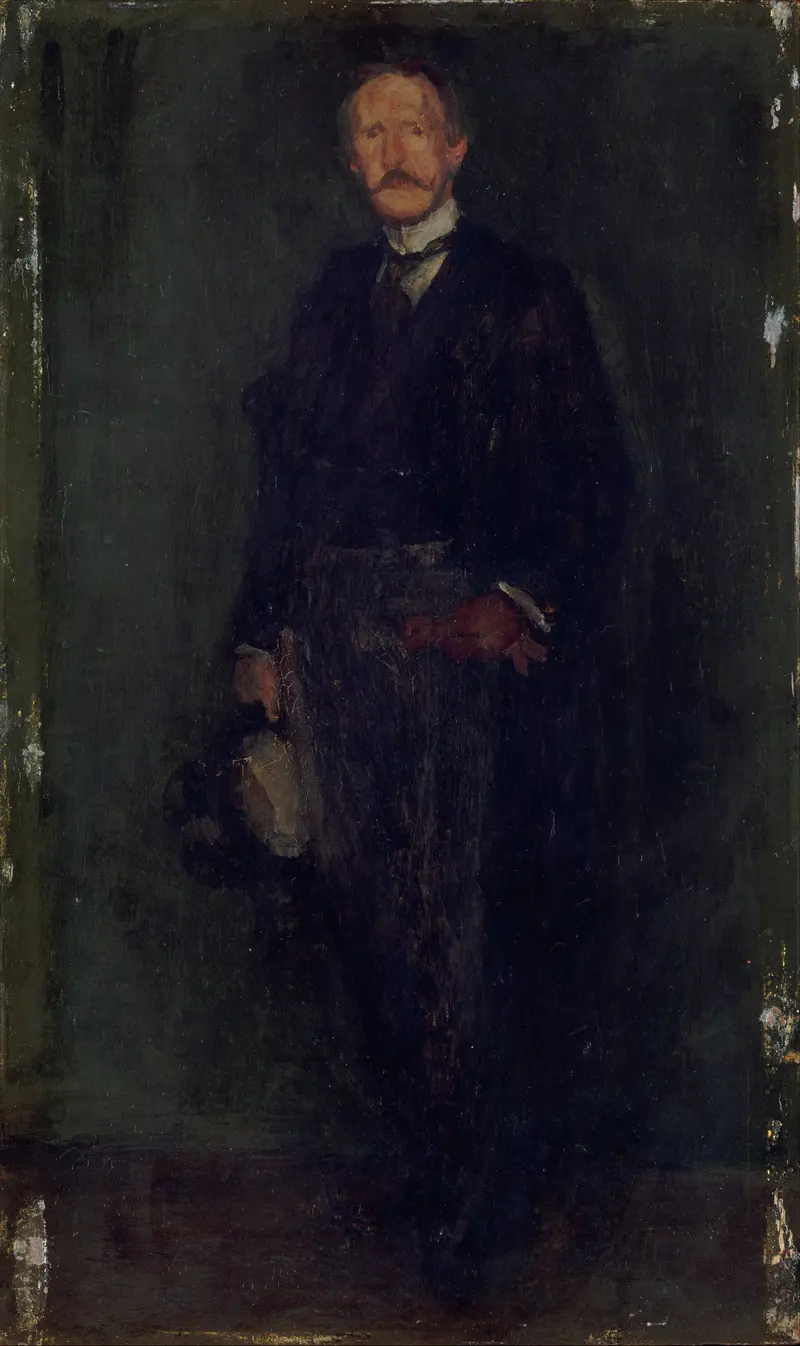
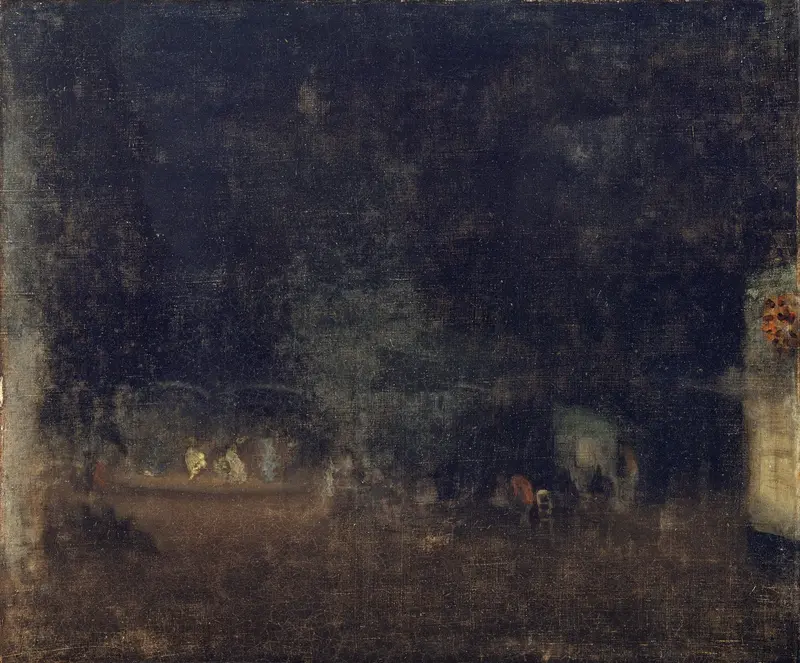
All Victorian paintings and artworks
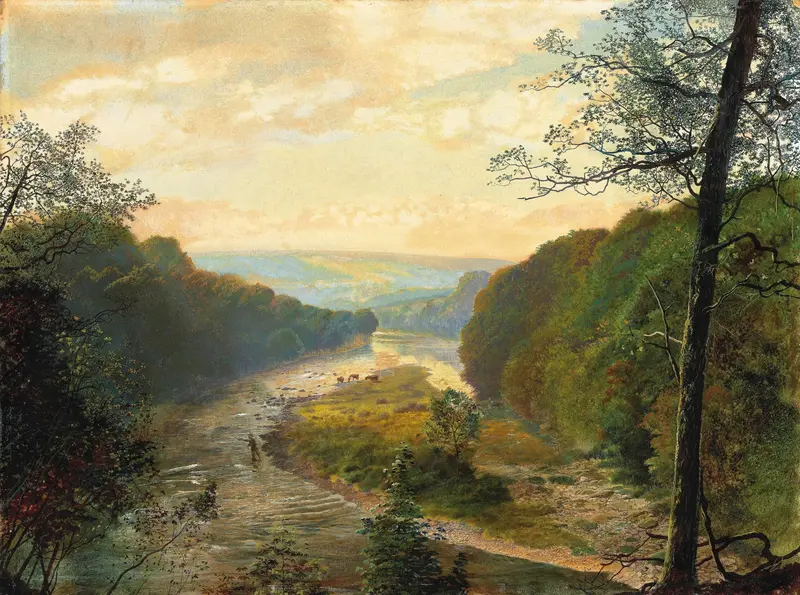
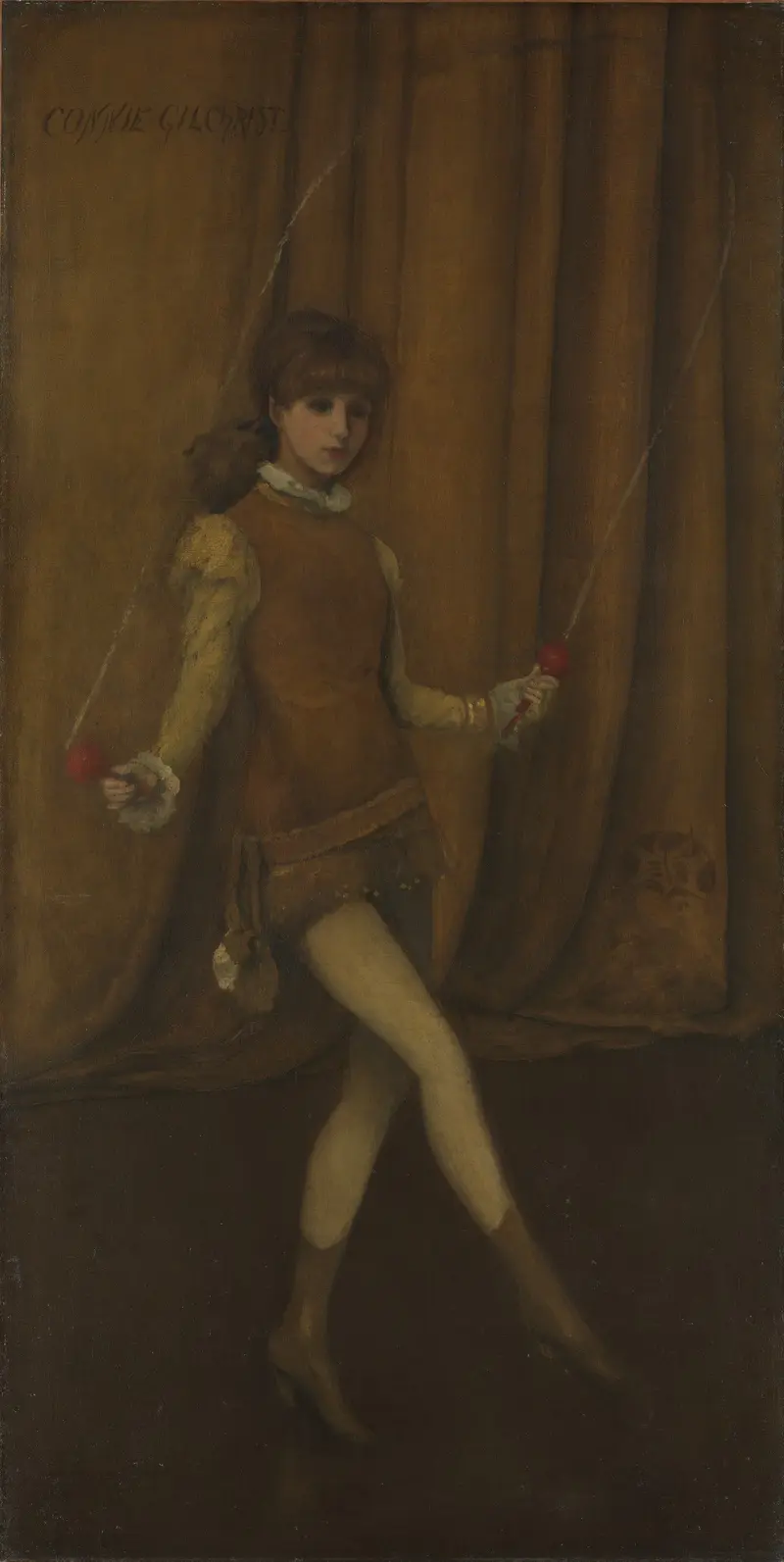
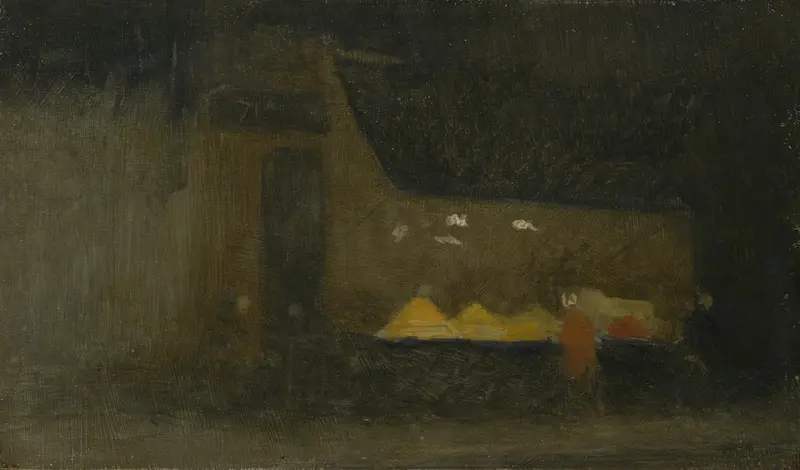
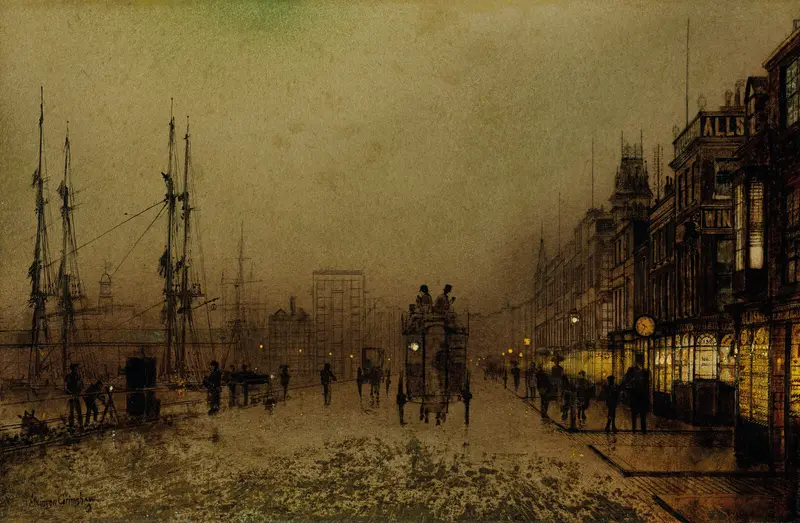
Scenes of daily life, illustrations, portraits, landscapes and decorative designs. All public domain, free to download.



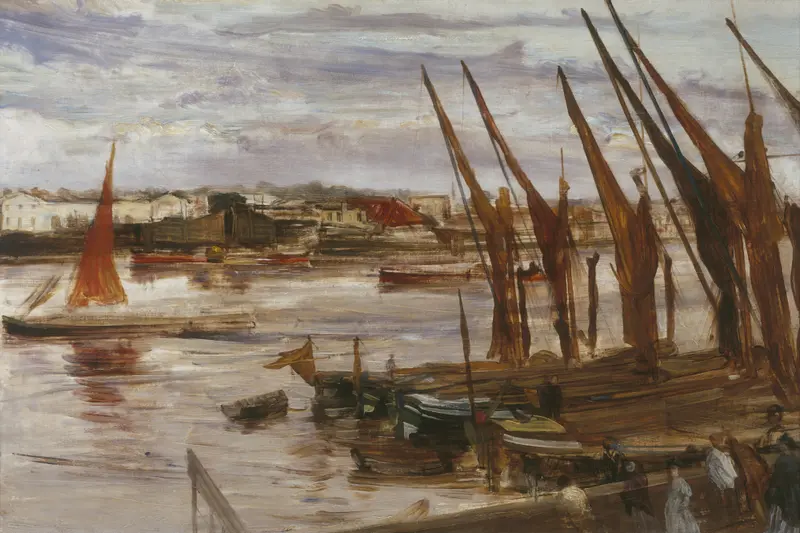

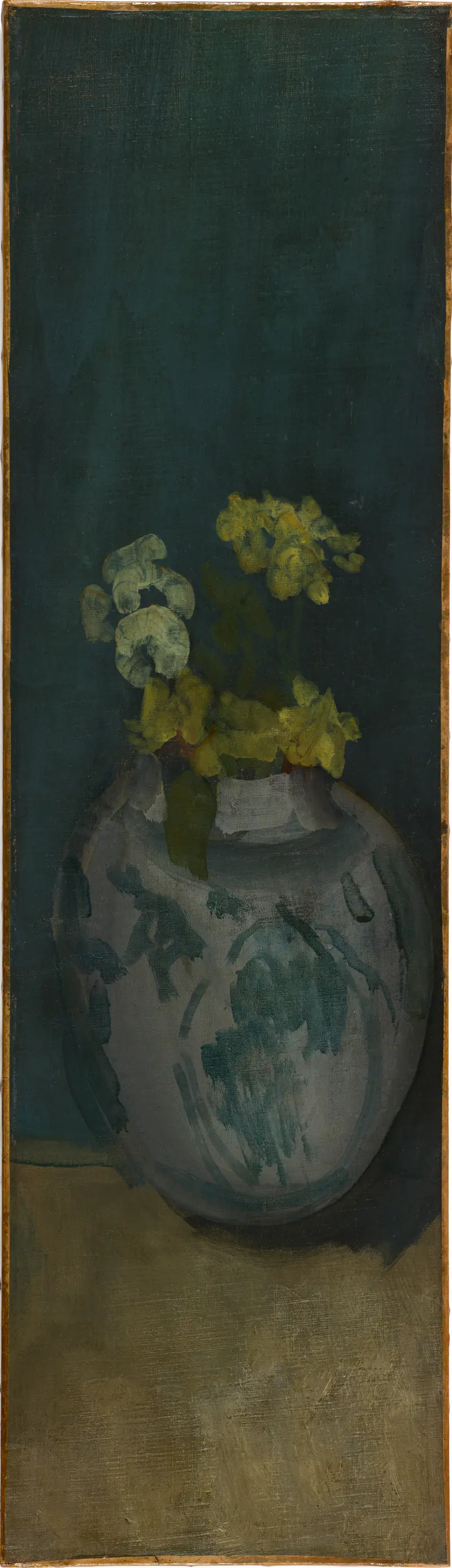
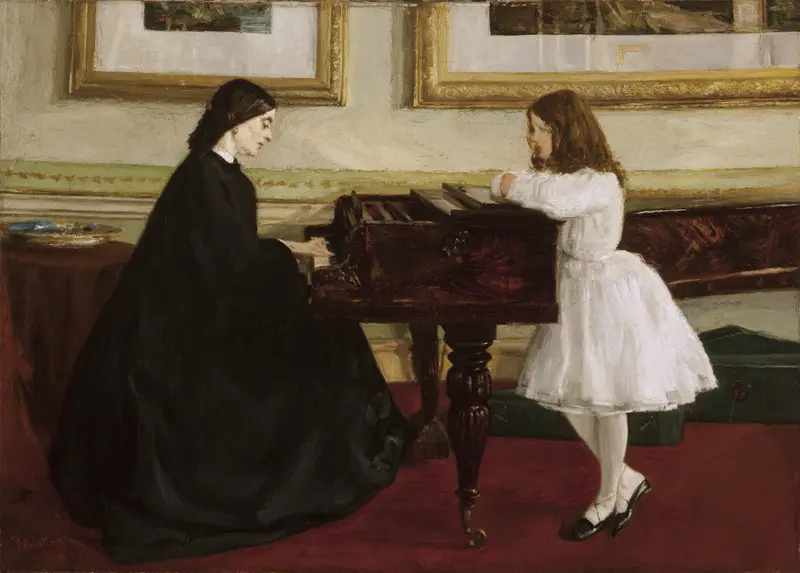
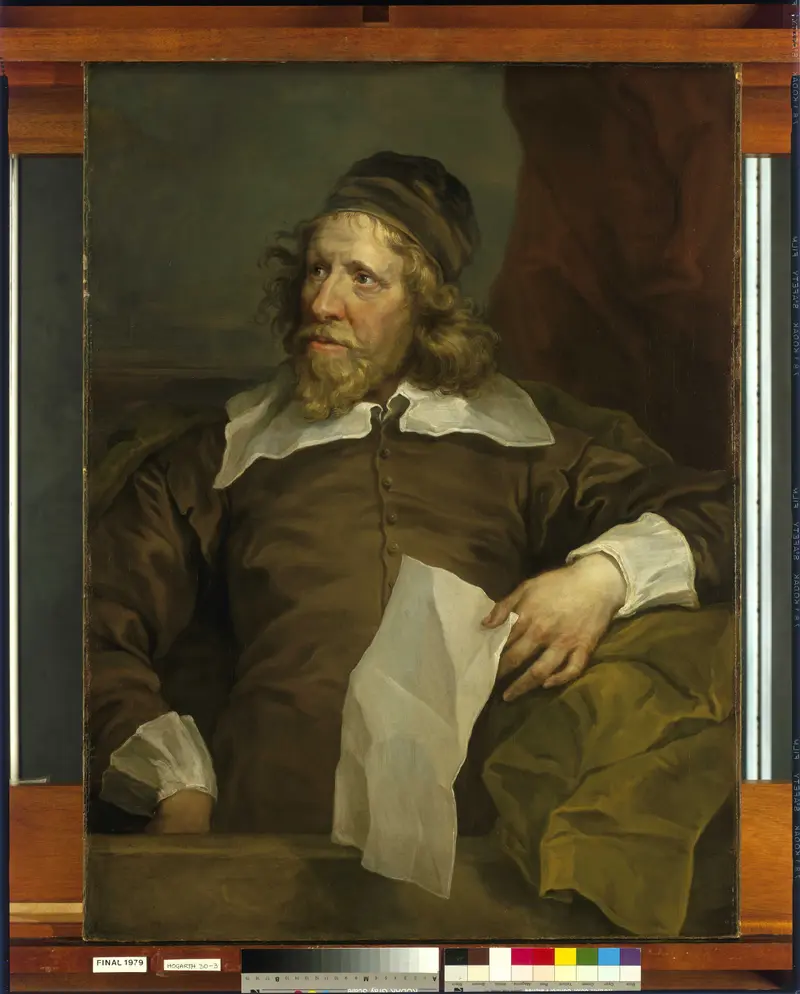
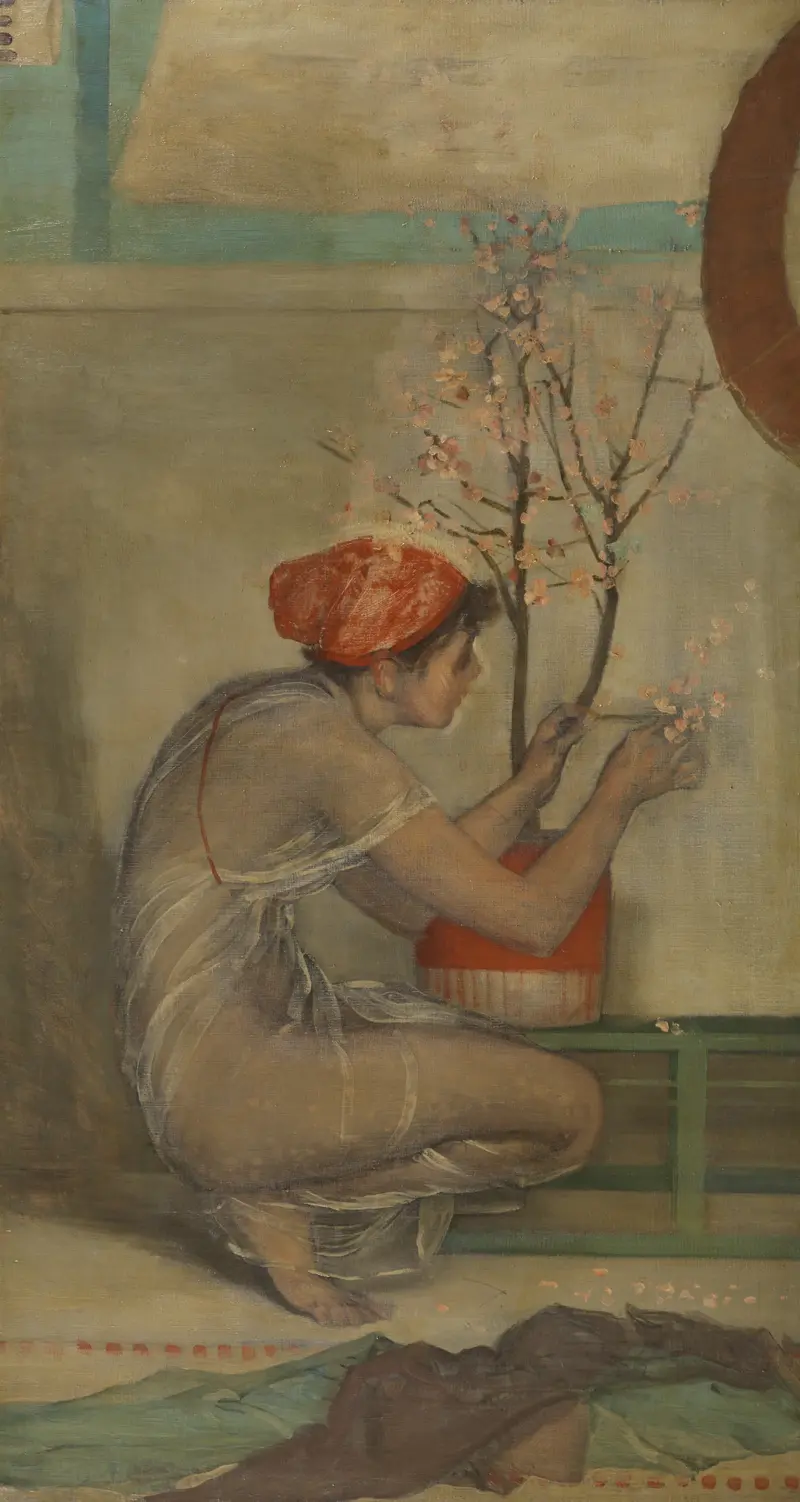
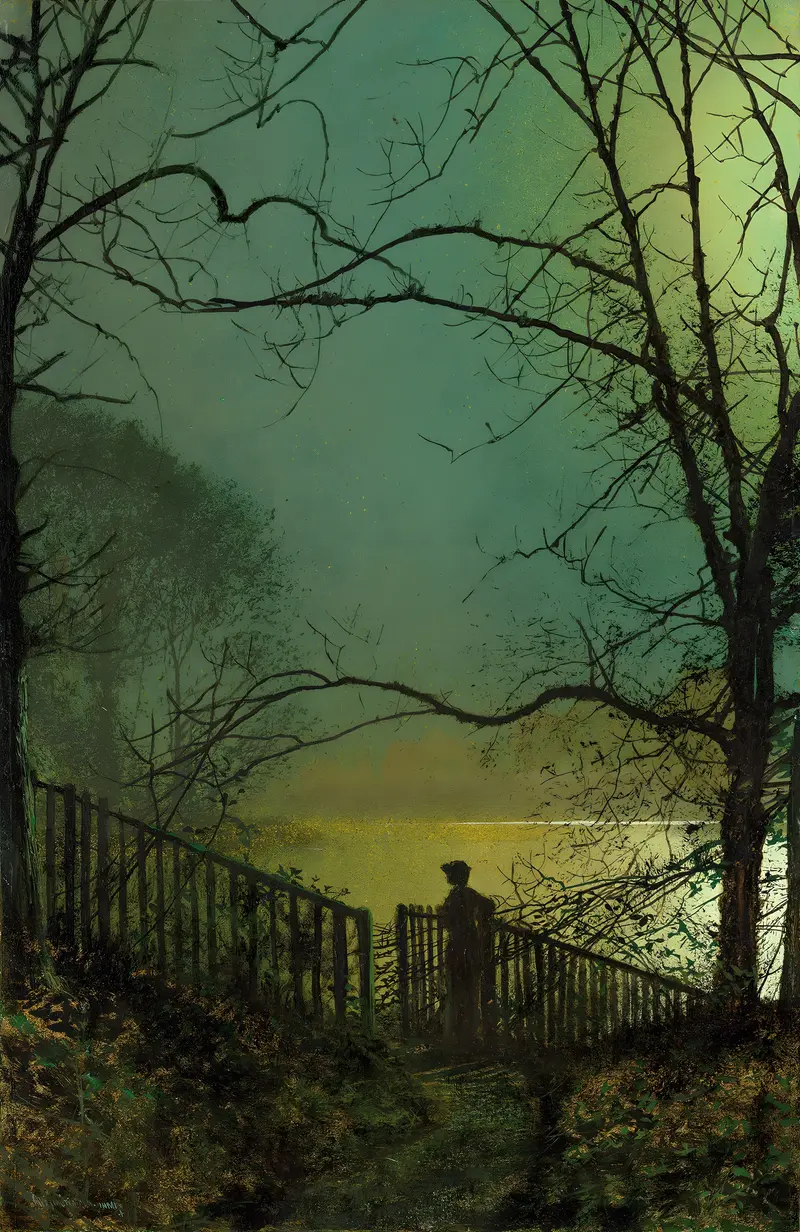

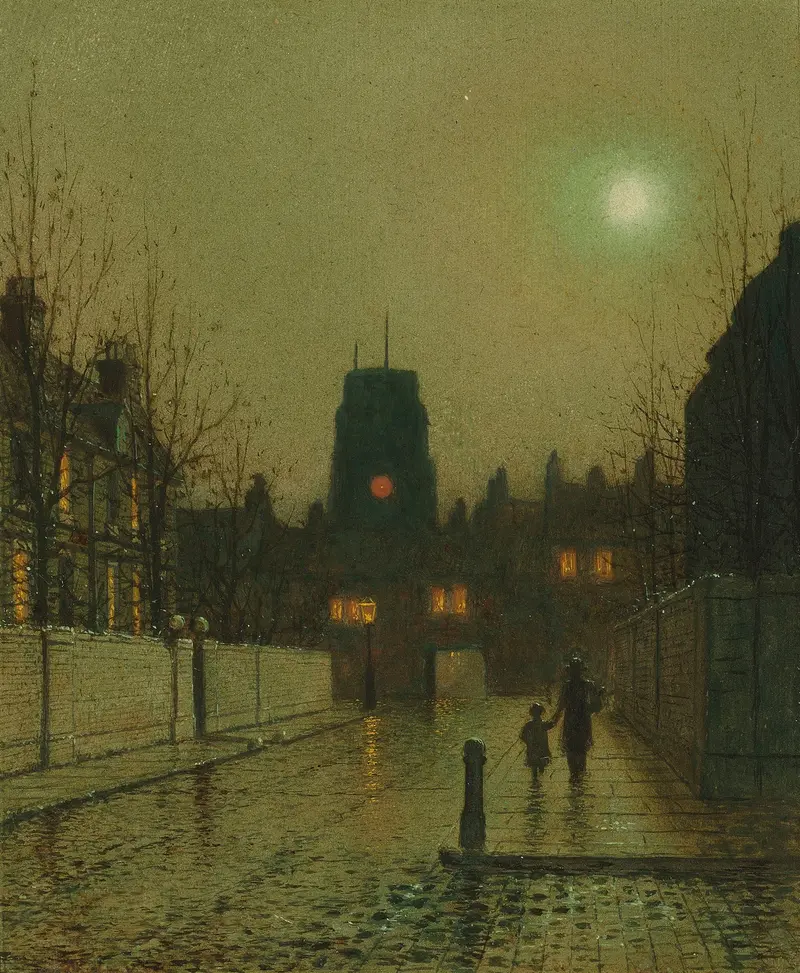

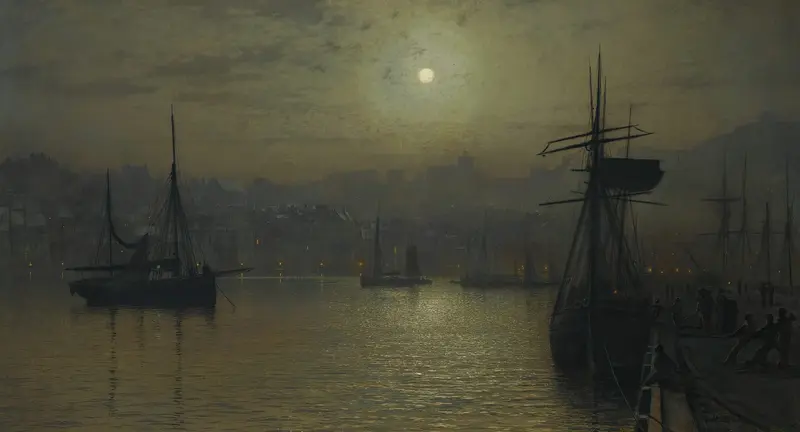


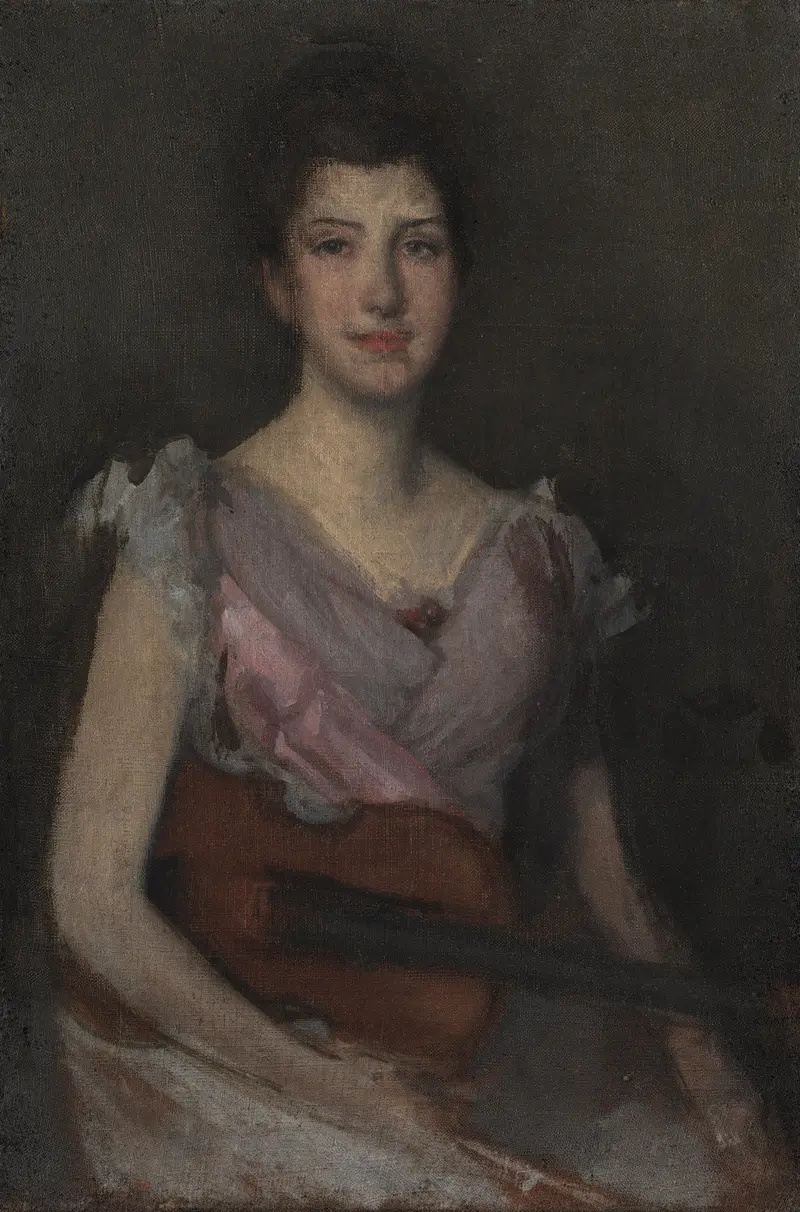
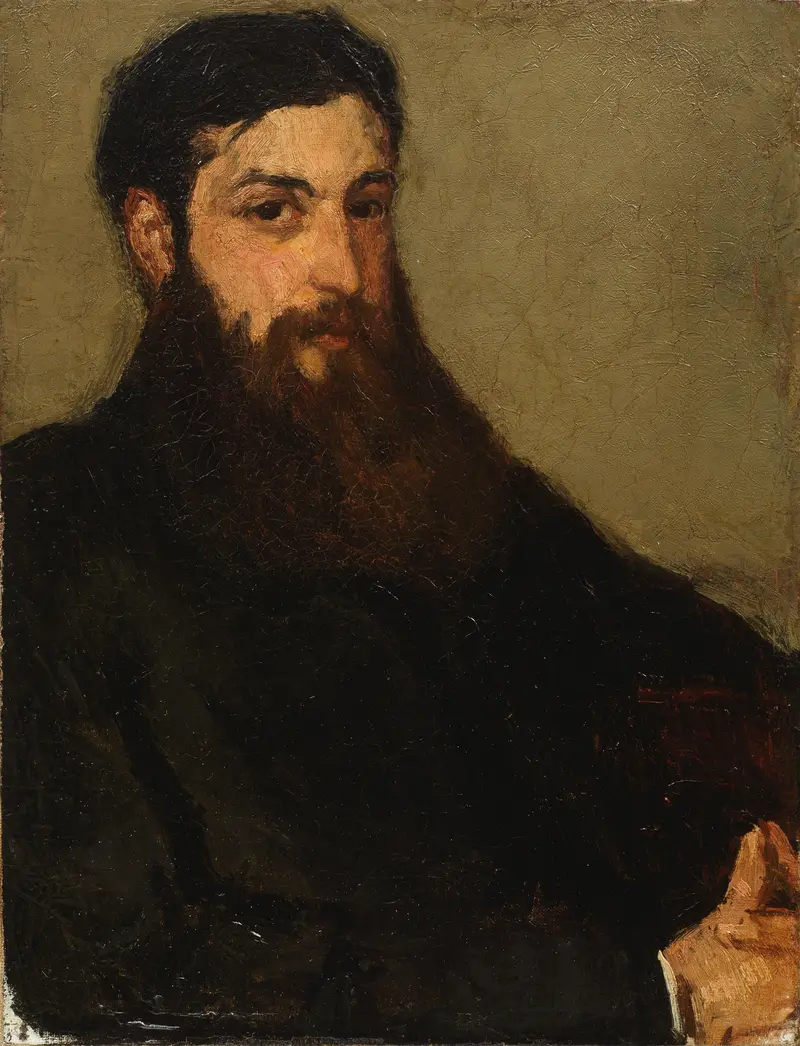
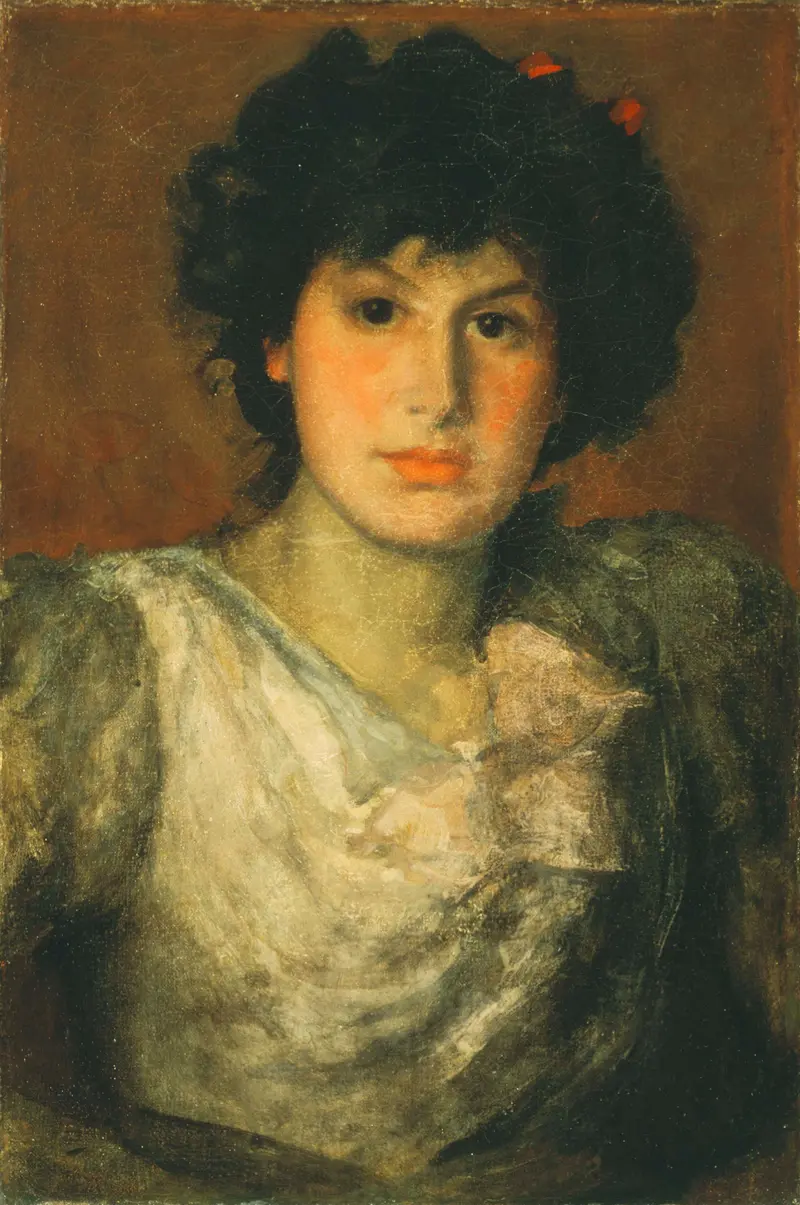
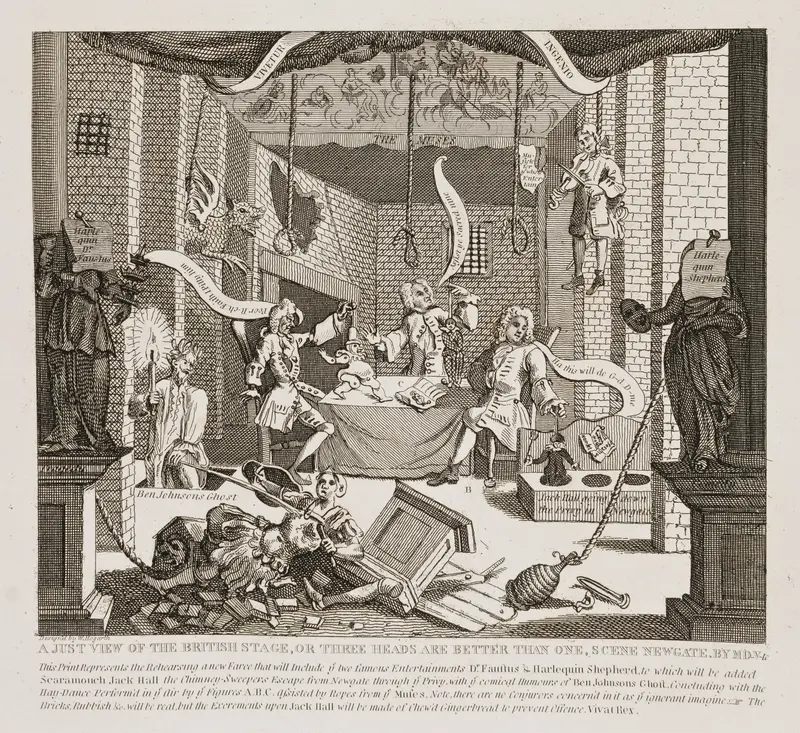
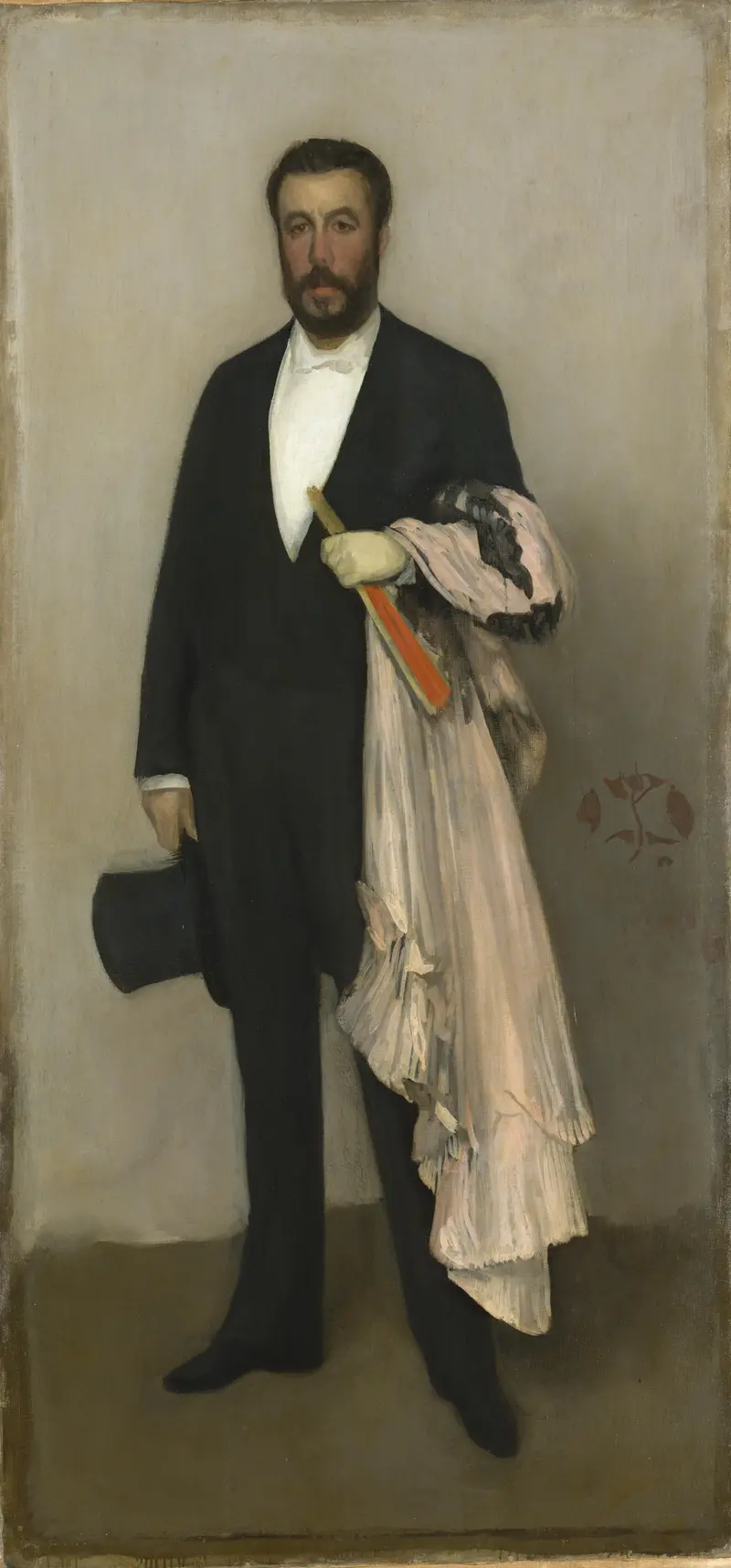
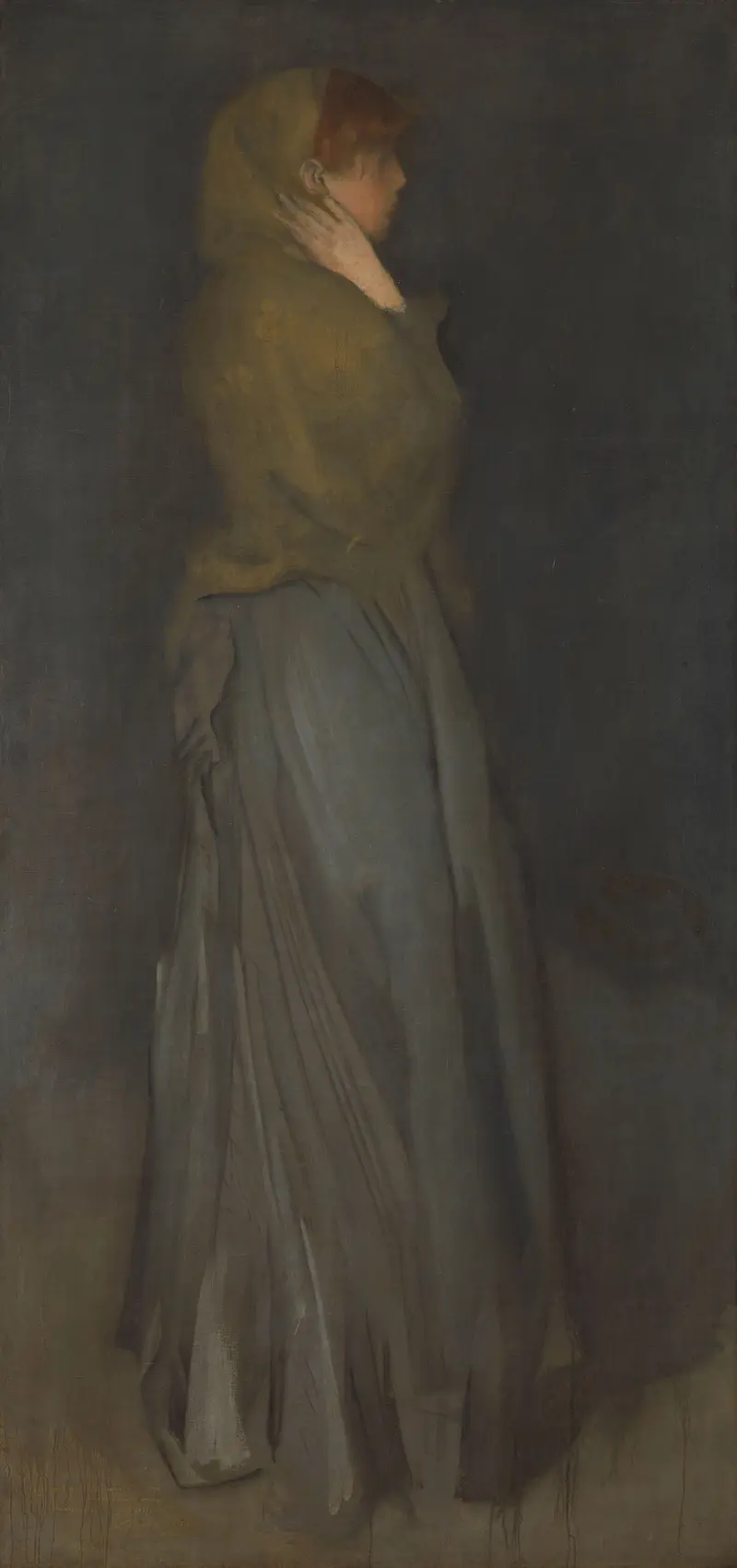
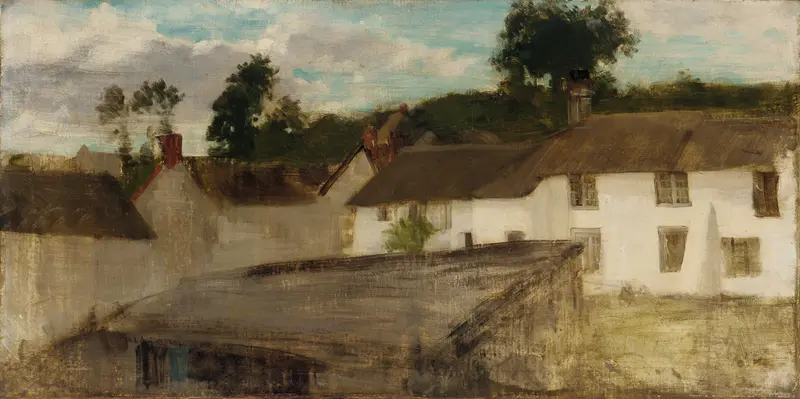
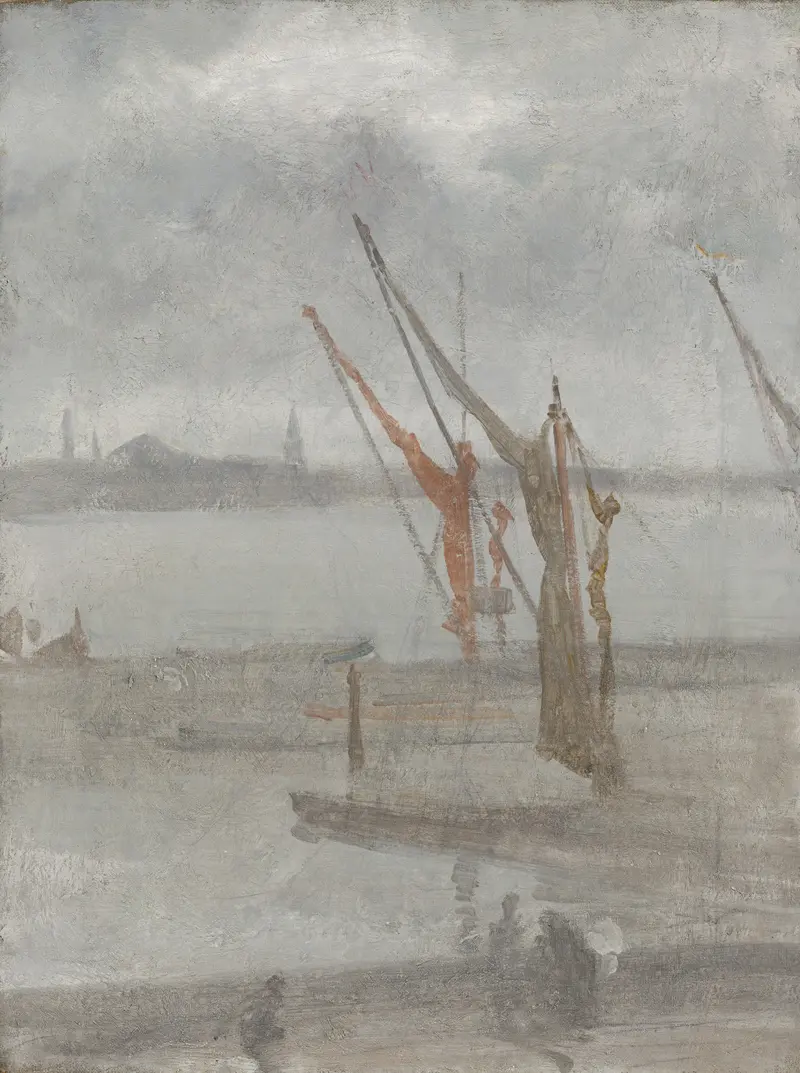


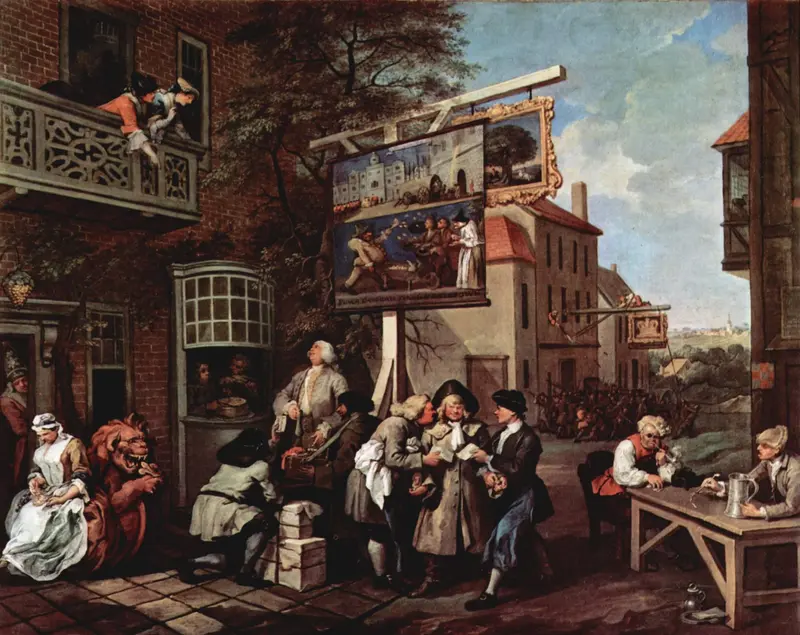
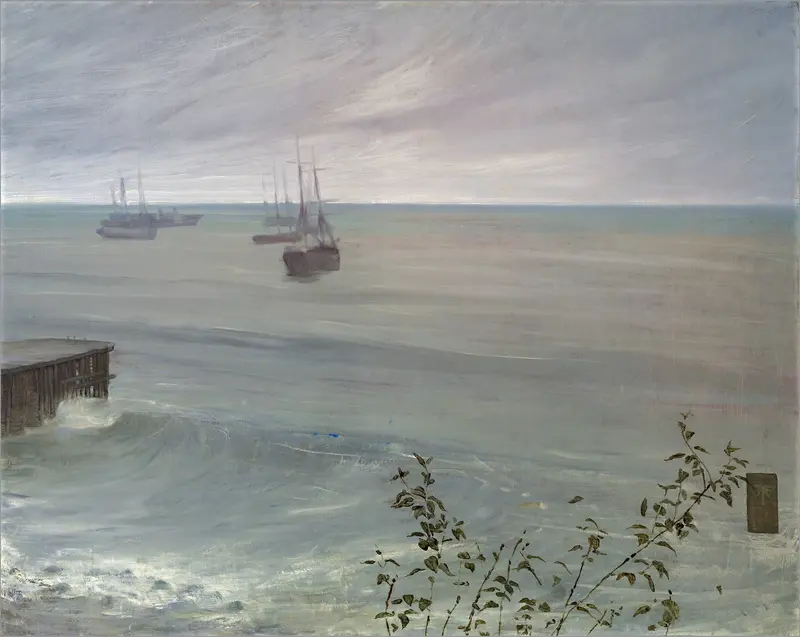
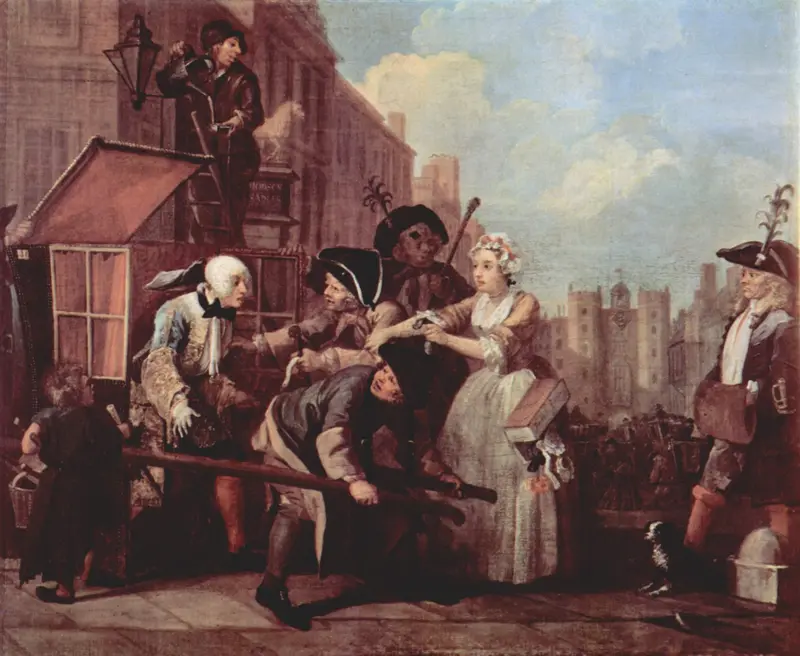
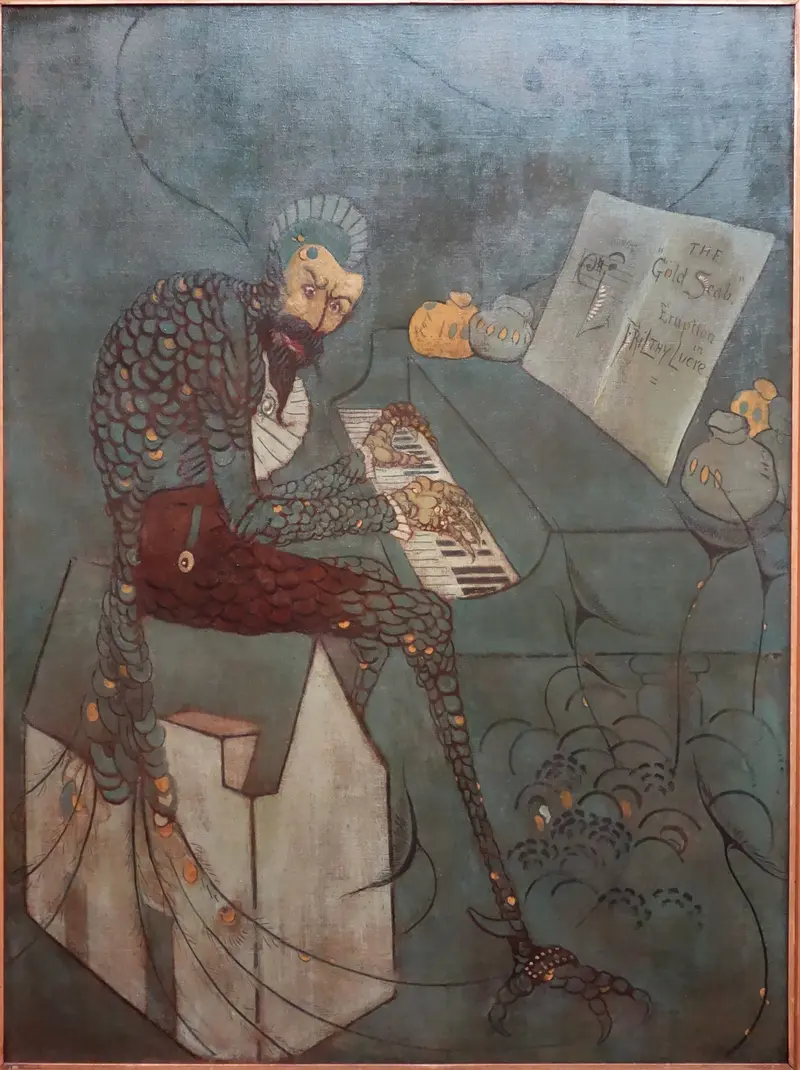

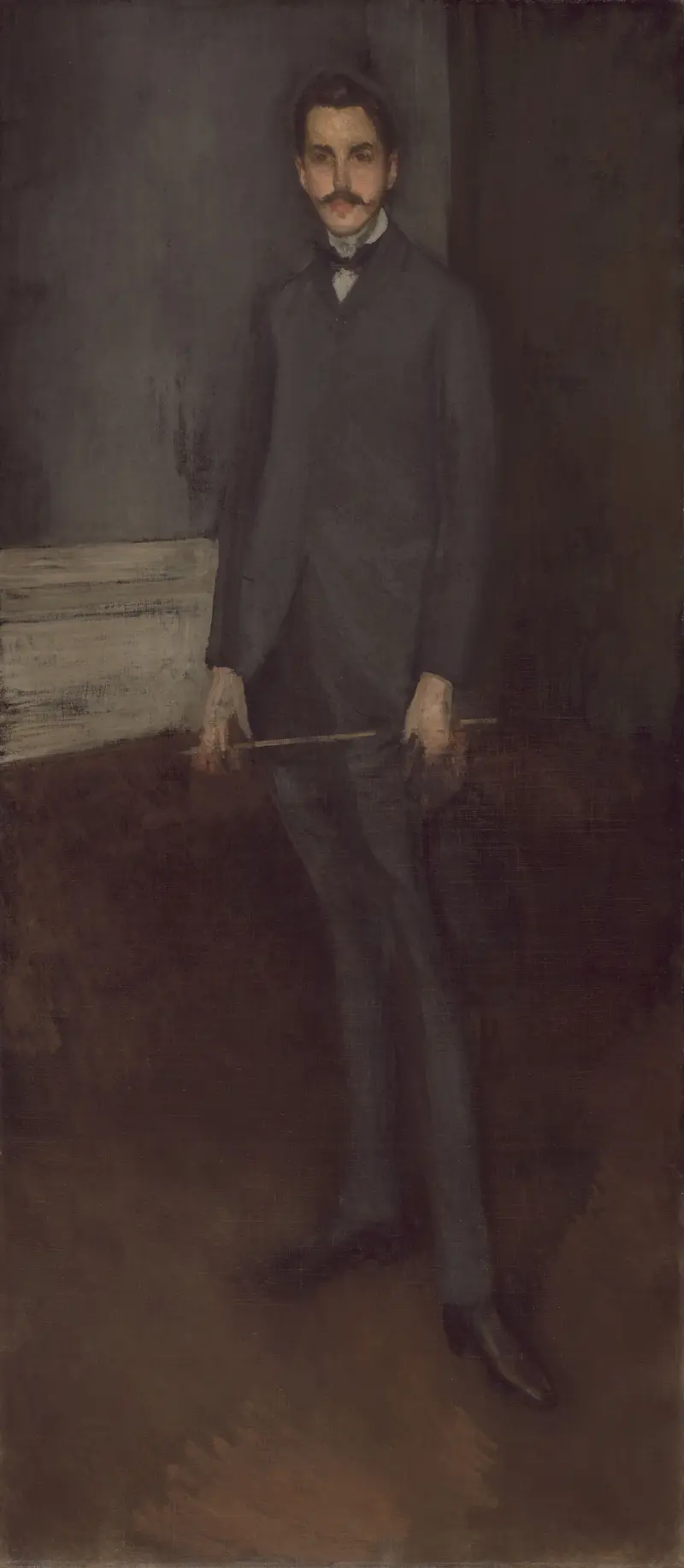
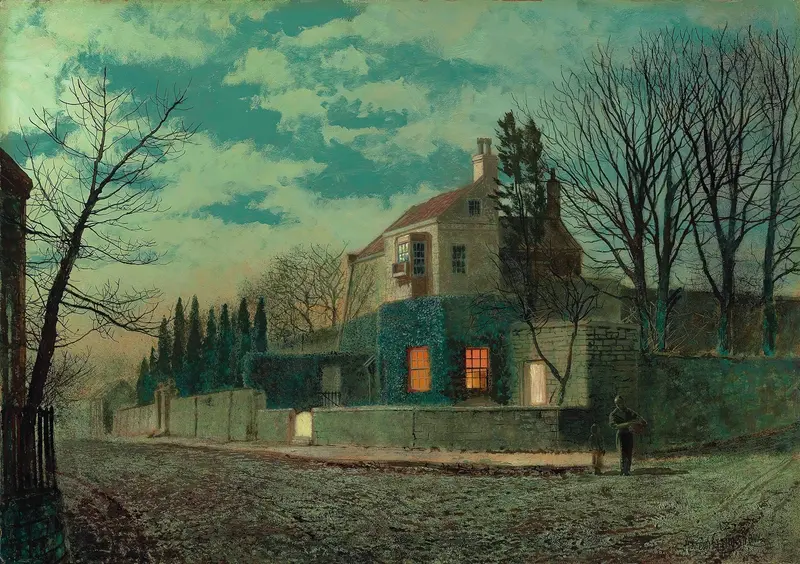
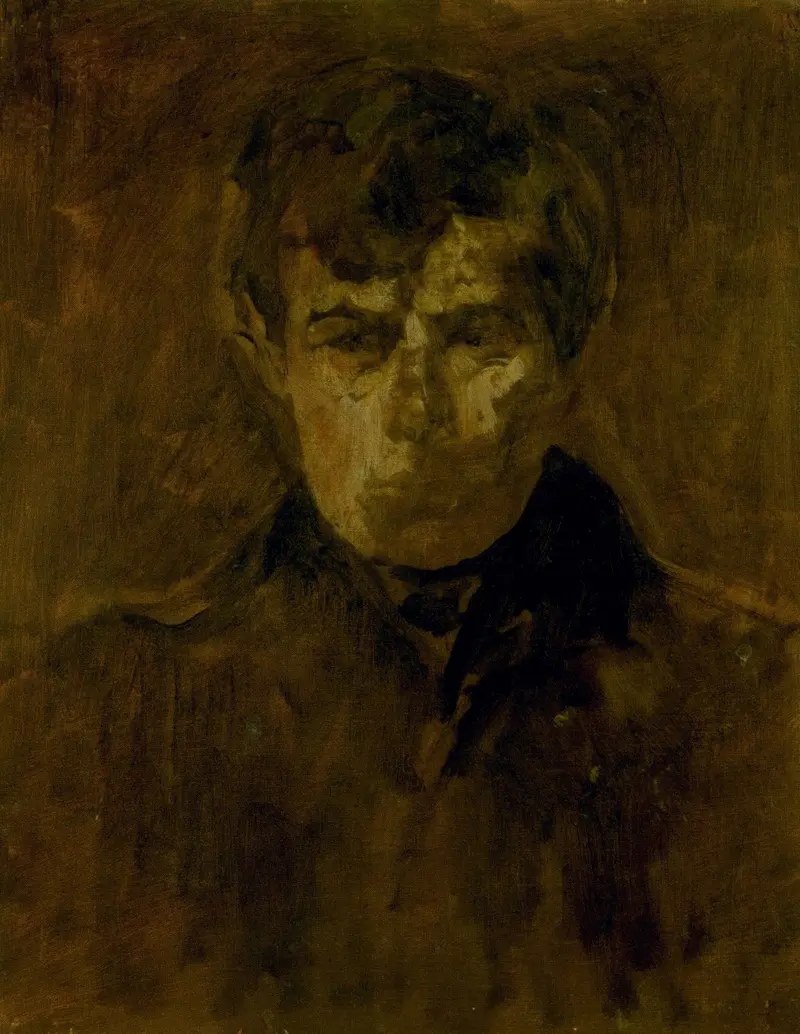
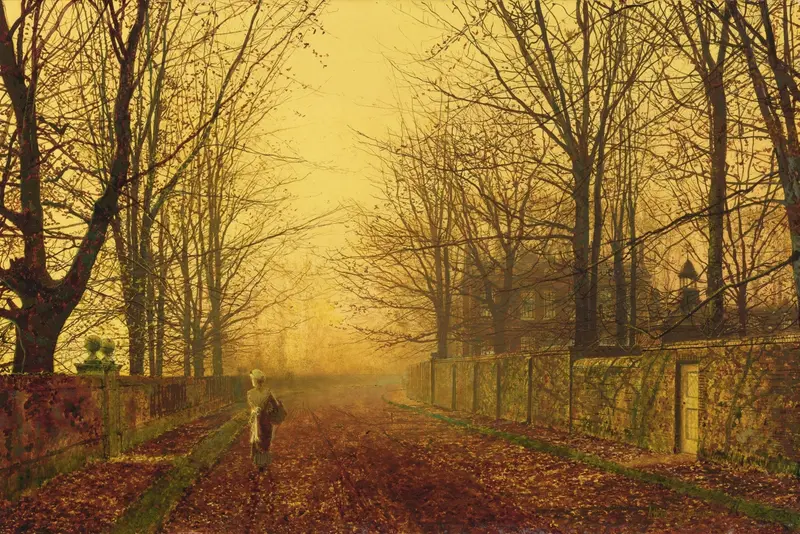
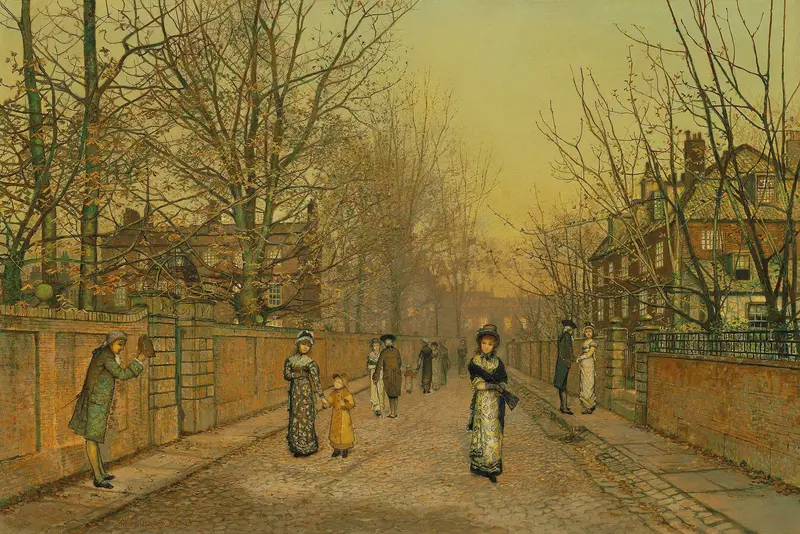
Famous Victorian paintings
The best-known Victorian era paintings, from Queen Victoria's reign. Click any painting to see it up close and download it free.
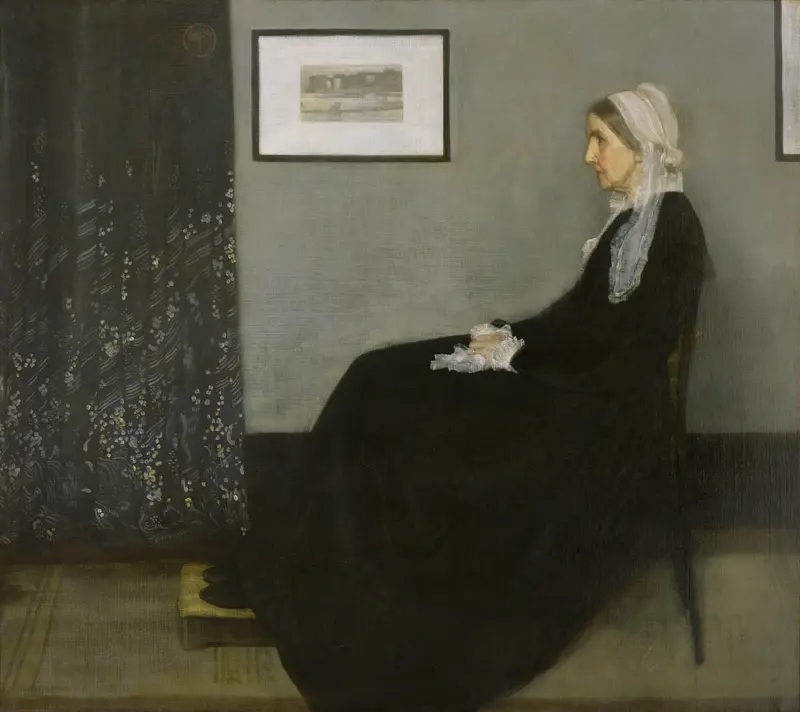 Arrangement in Grey and Black No. 1 (Whistler's Mother)James McNeill Whistler
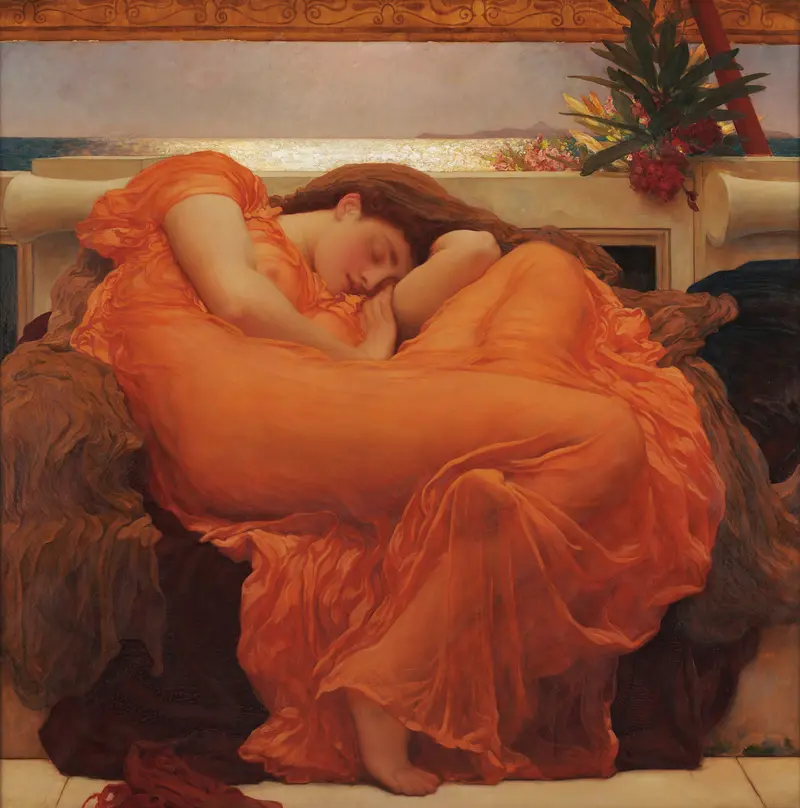 Flaming JuneFrederic Leighton
 Carnation, Lily, Lily, RoseJohn Singer Sargent
 The Roses of HeliogabalusLawrence Alma-Tadema
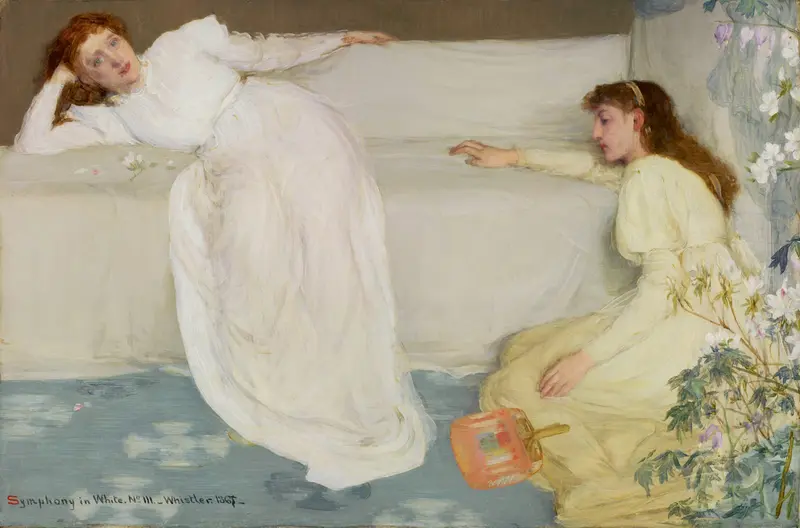
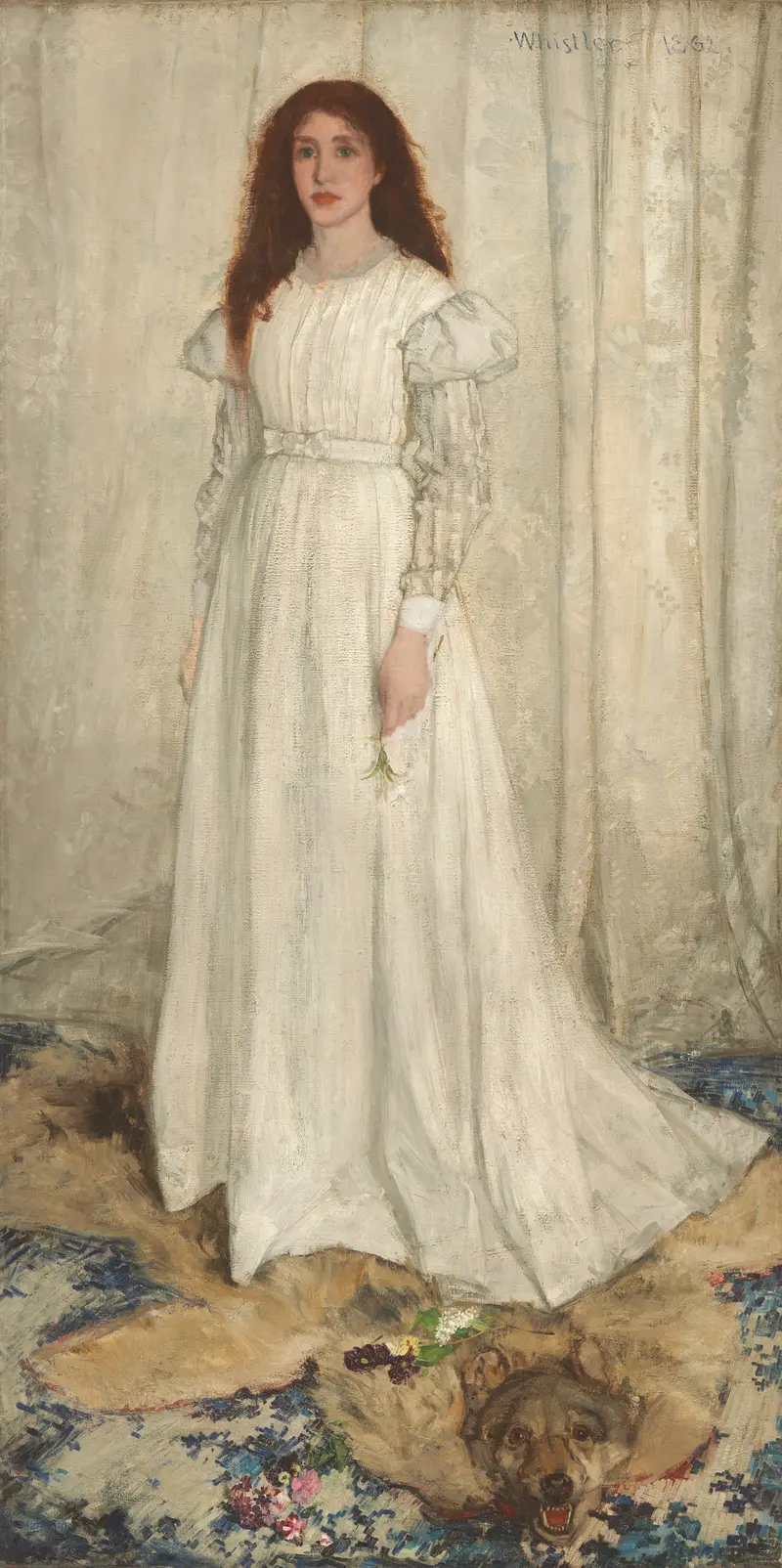 Symphony in White, No. 1: The White GirlJames McNeill Whistler
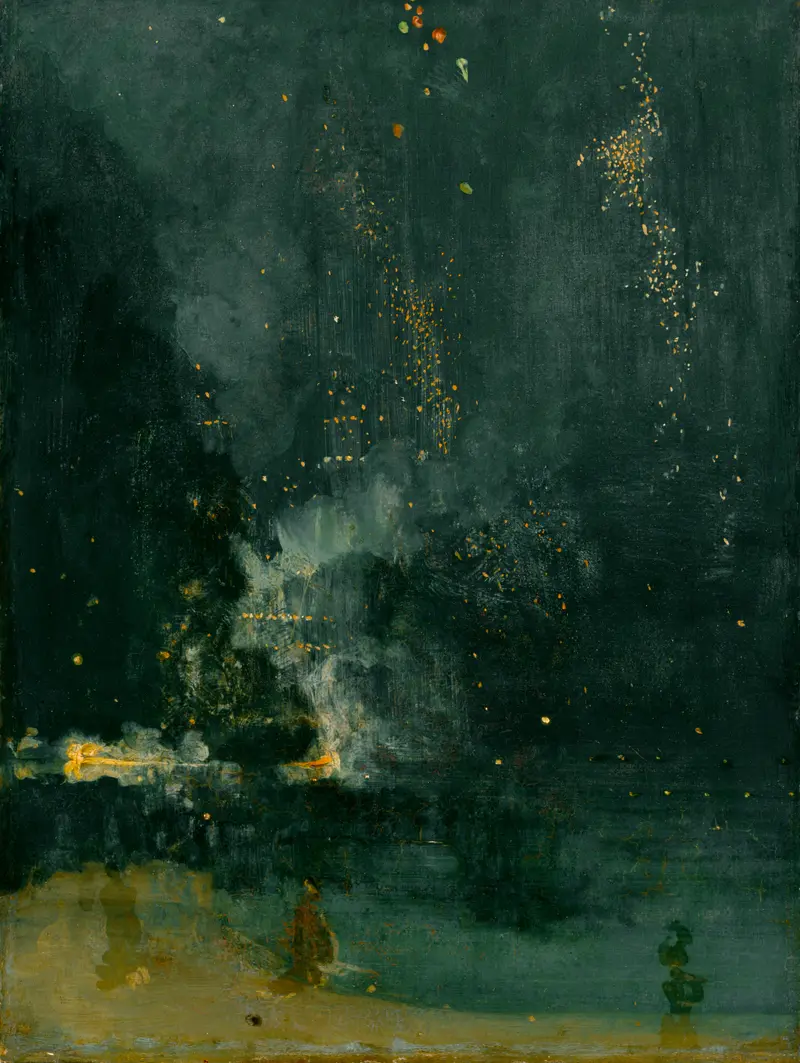 Nocturne in Black and Gold – The Falling RocketJames McNeill Whistler
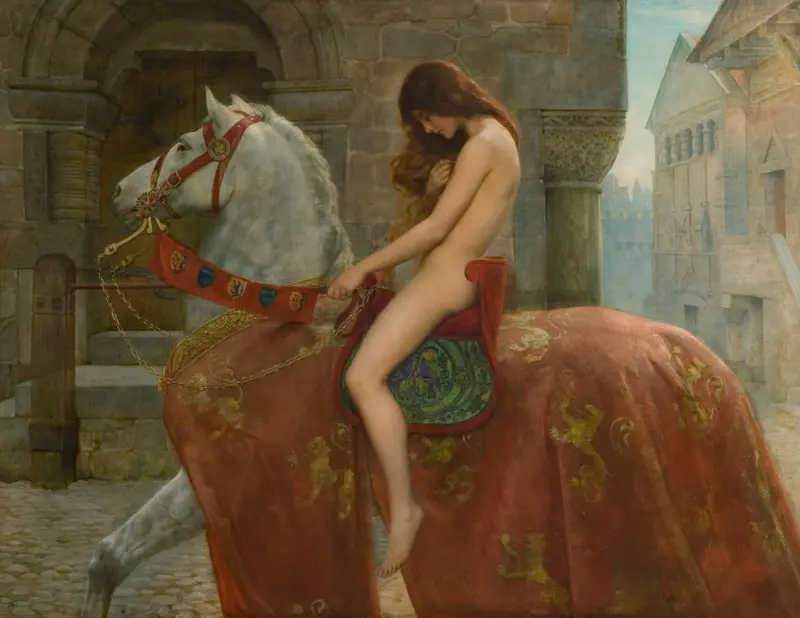 GodivaJohn Collier
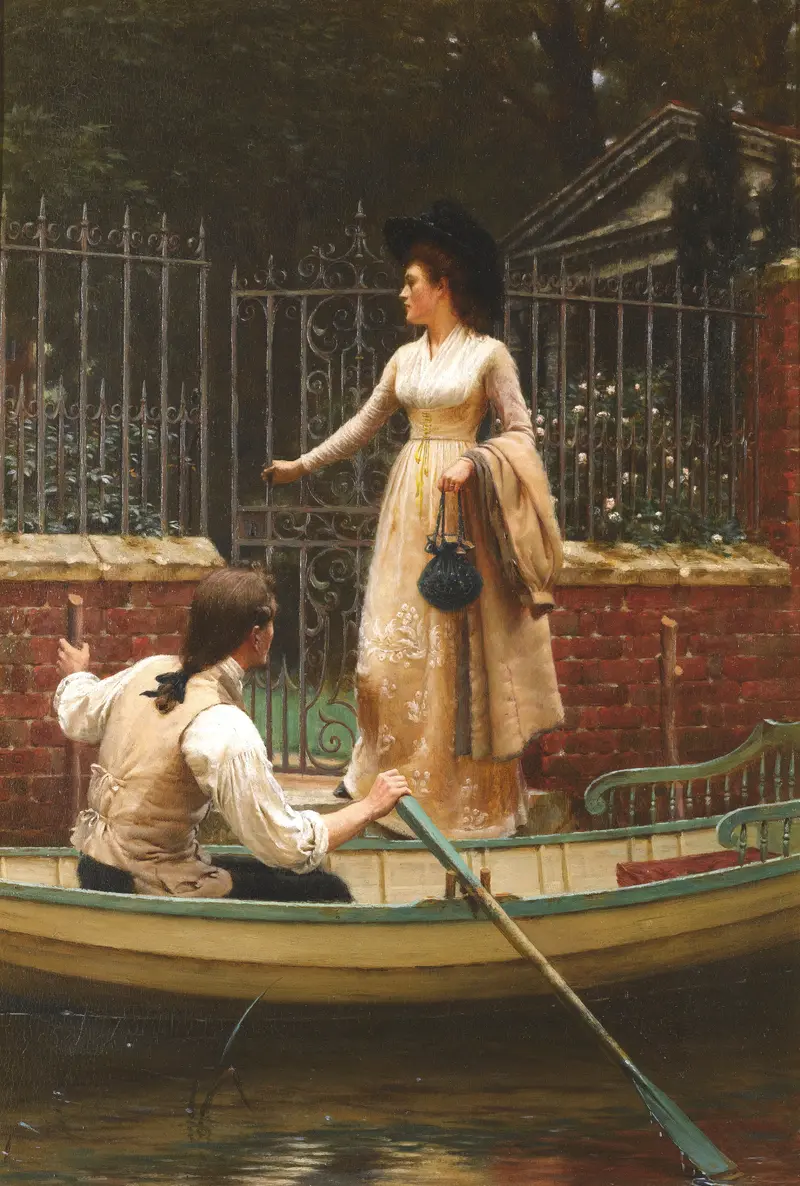
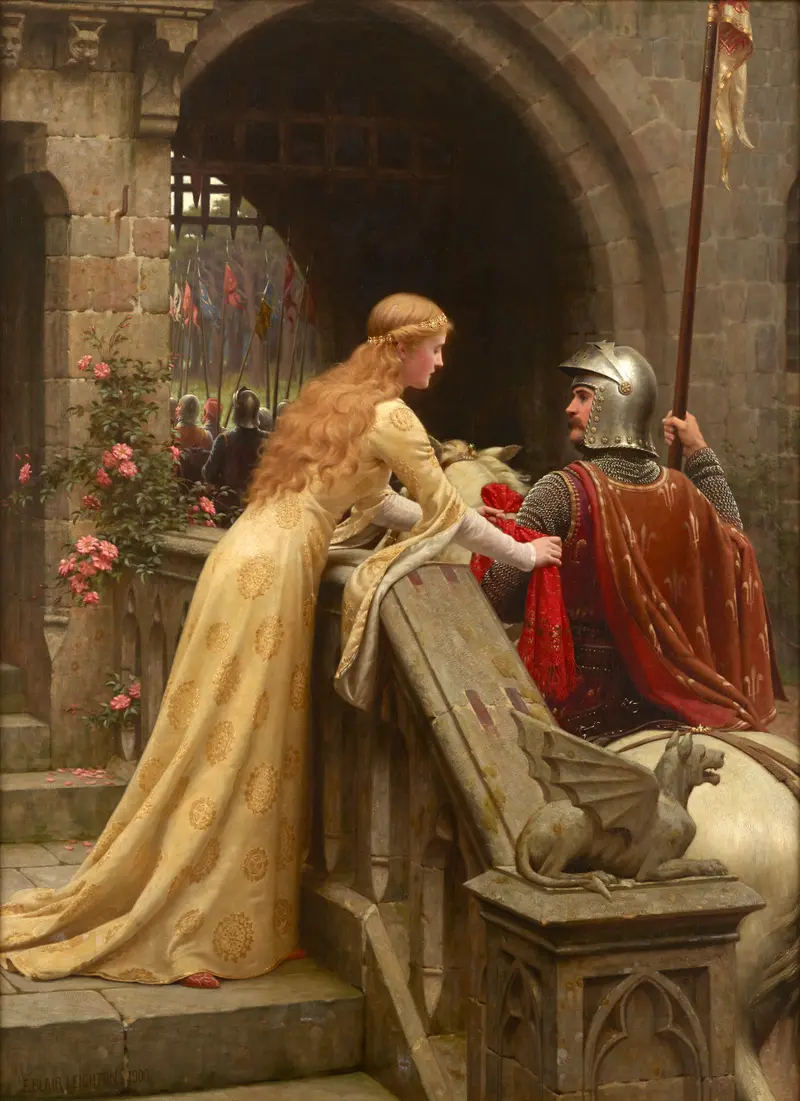 God SpeedEdmund Blair Leighton
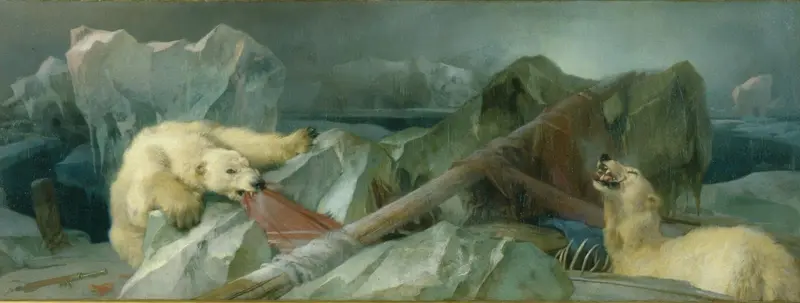 Man Proposes, God DisposesEdwin Landseer
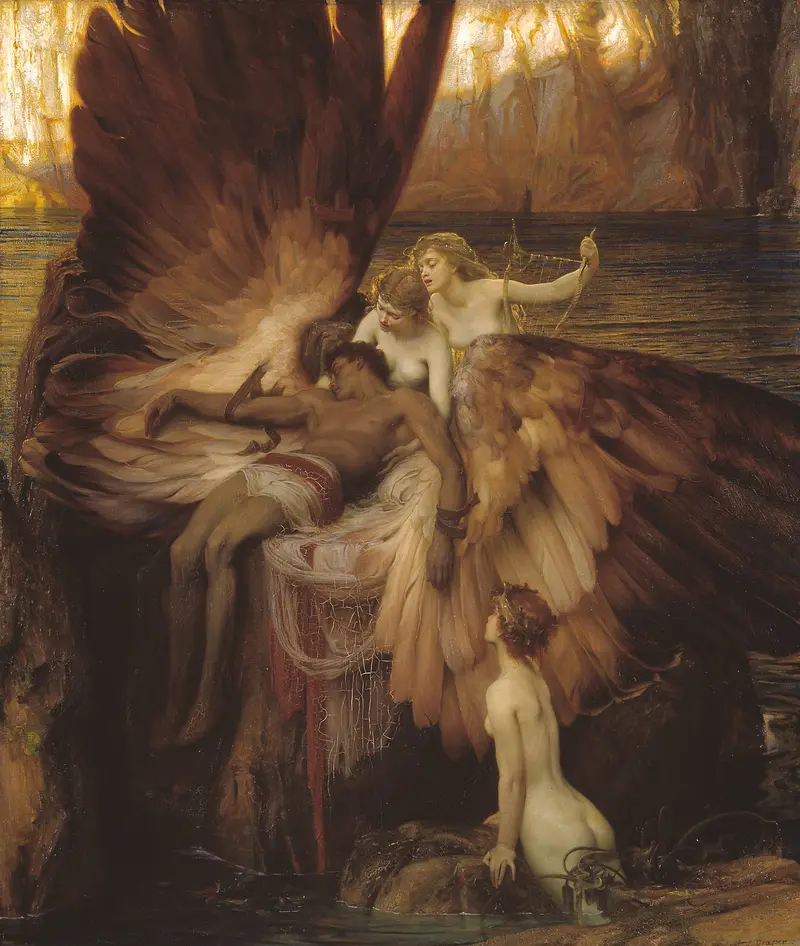 The Lament for IcarusHerbert Draper
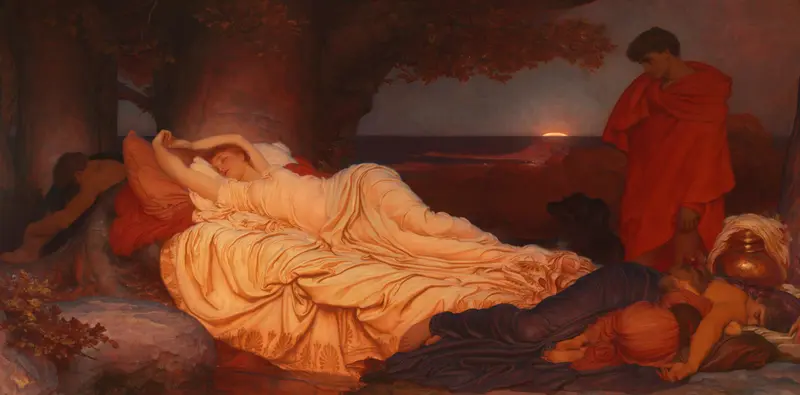 Cymon and IphigeniaFrederic Leighton
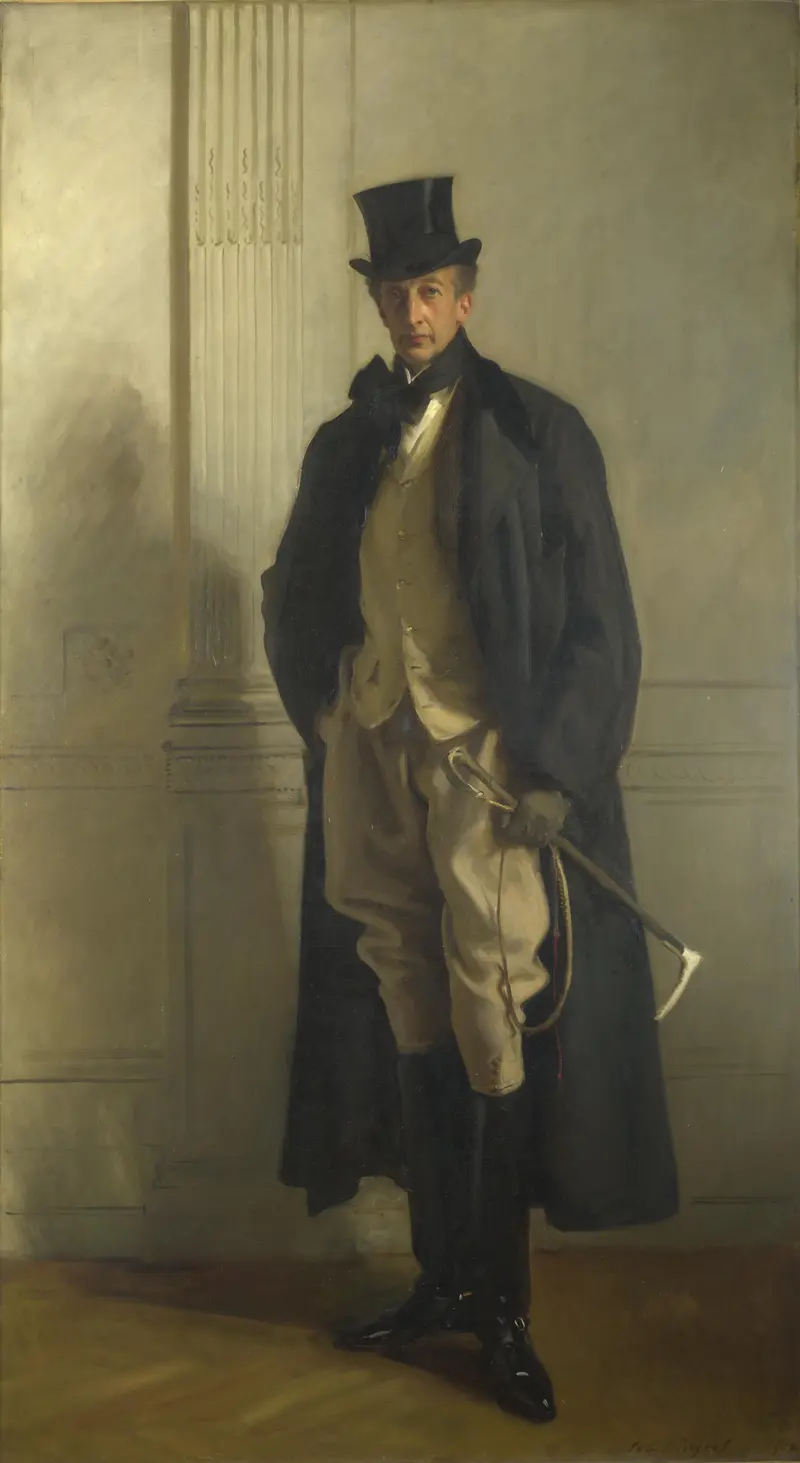
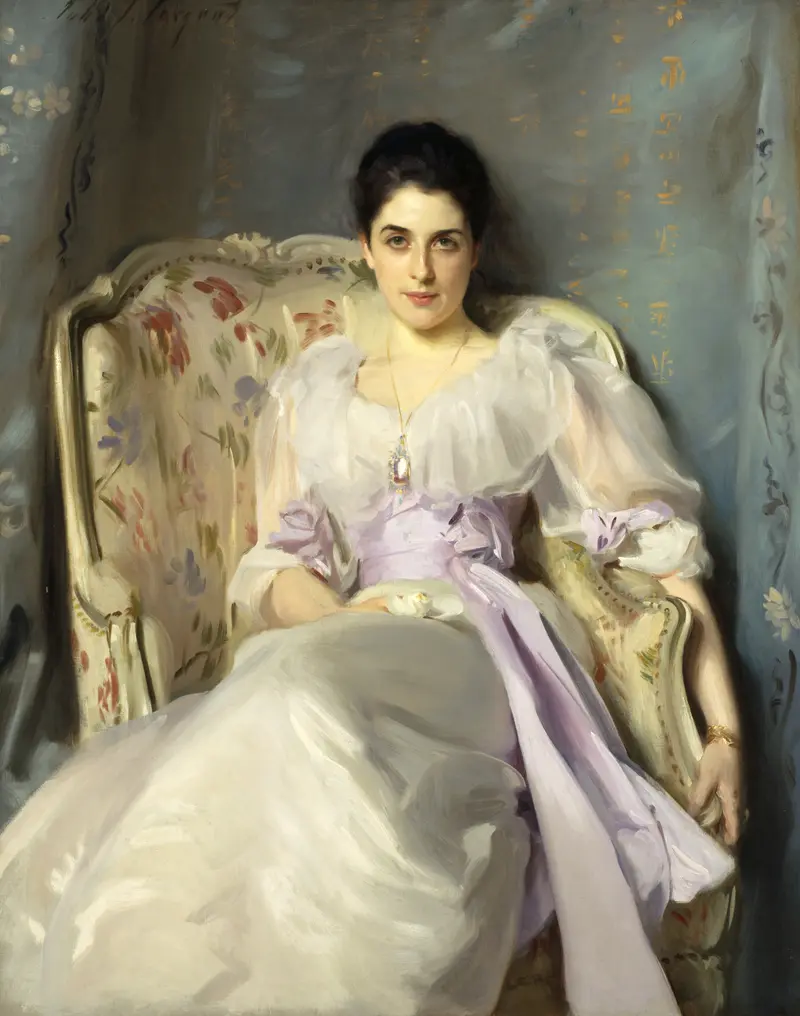 Lady Agnew of LochnawJohn Singer Sargent
Famous Victorian painters
Ten Victorian painters, from Leighton and Alma-Tadema to Whistler, Landseer and Atkinson Grimshaw. Each link opens all their paintings.
 Frederic Leighton1830–1896. Trained in Florence, Brussels, Frankfurt and Paris; Queen Victoria bought one of his early Royal Academy pictures, which made his name, and he became President of the Royal Academy in 1878.
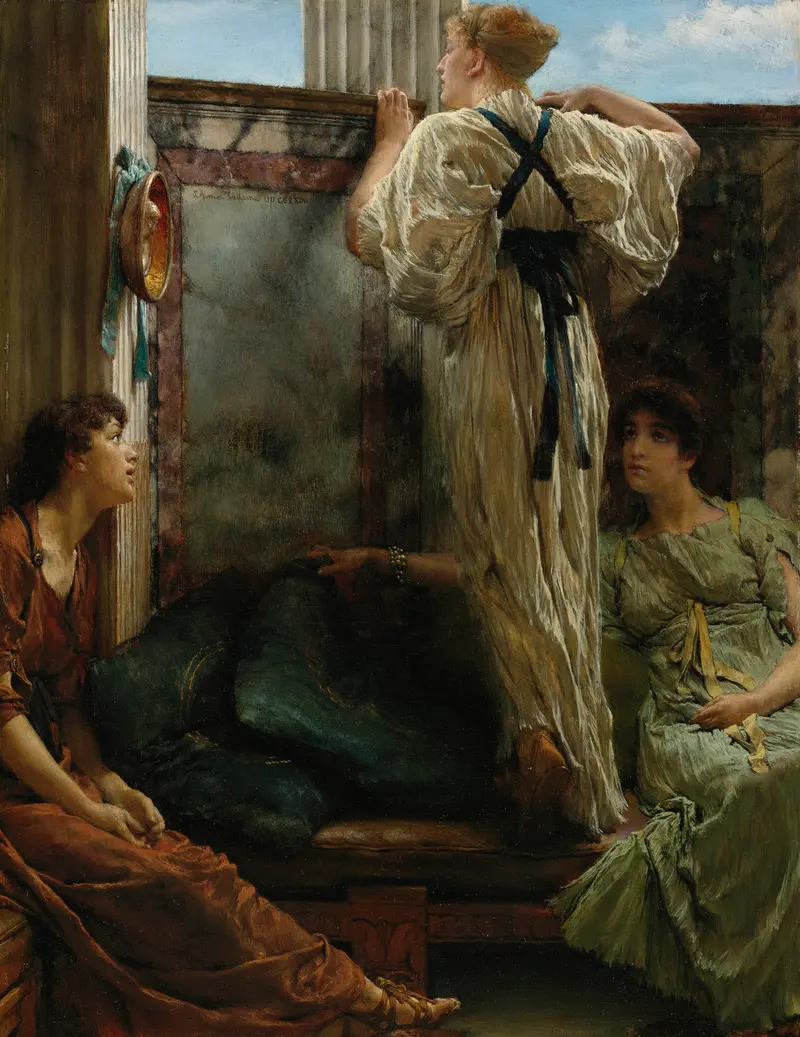
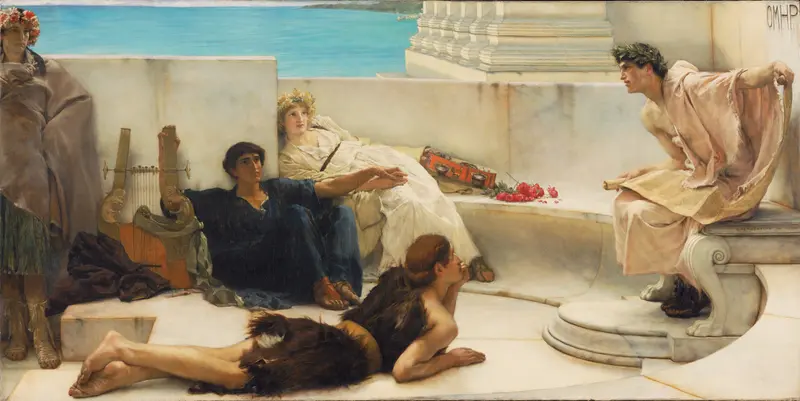 Lawrence Alma-Tadema1836–1912. Dutch-born and trained in Belgium, he moved to London in 1870 and painted more than 300 scenes of Greek and Roman life; one inspired scenes in DeMille's film Cleopatra.
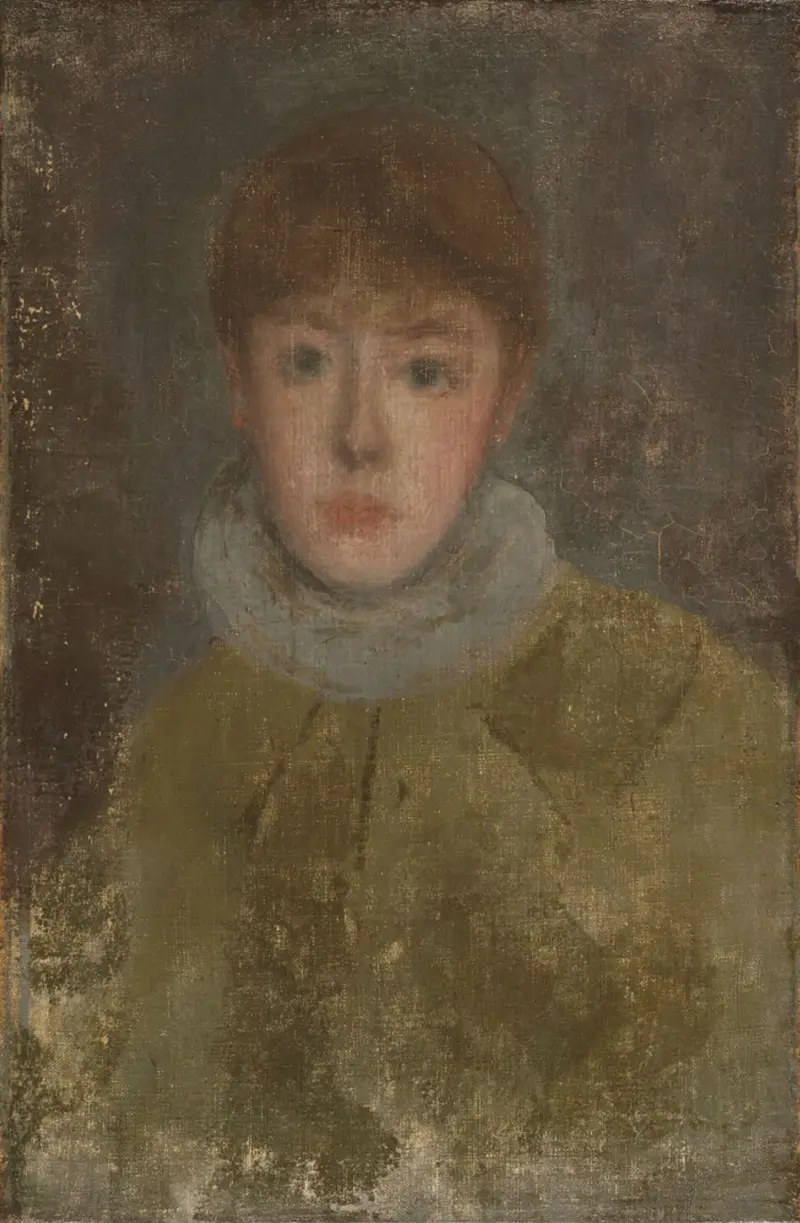
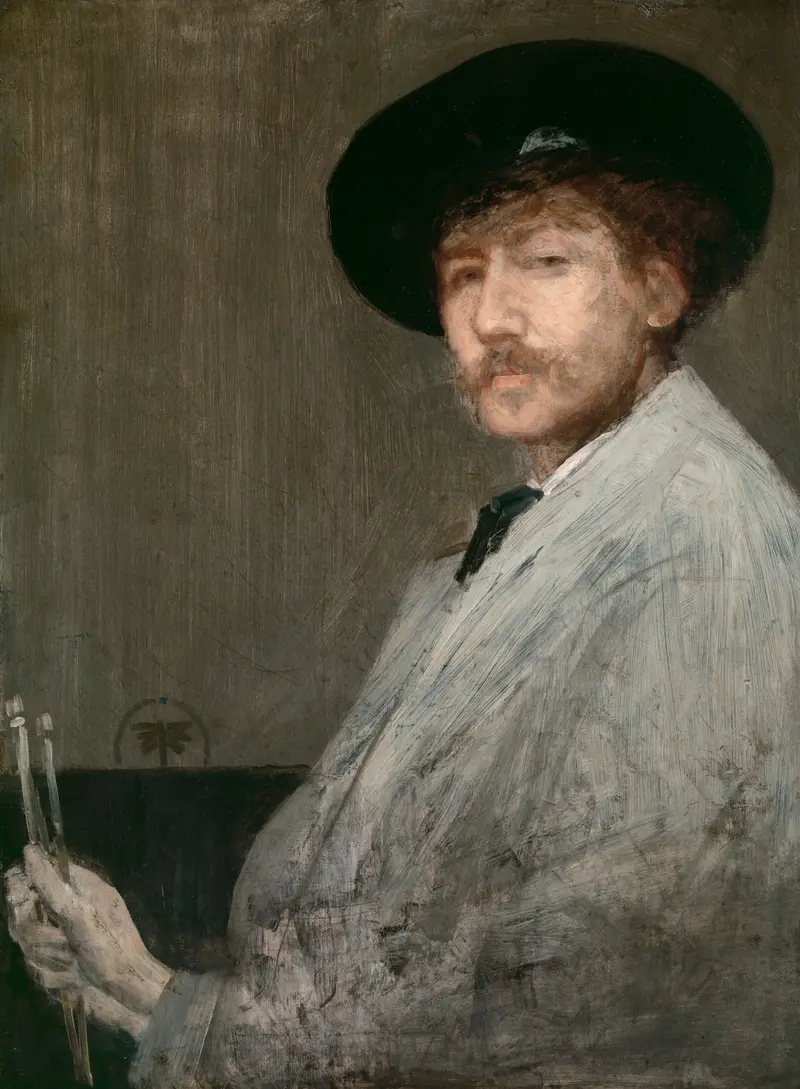 James McNeill Whistler1834–1903. An American who divided his career between London and Paris; he gave his pictures musical titles and sued the critic John Ruskin in 1878, winning a farthing.
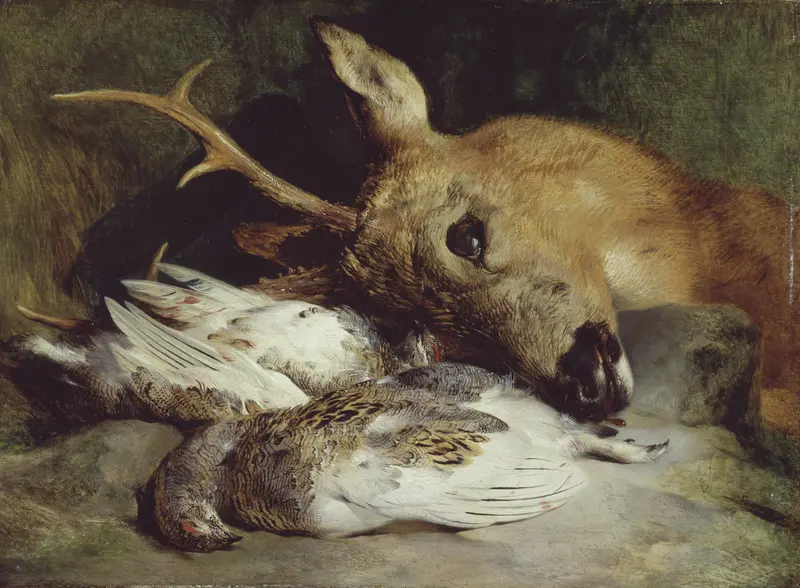 Edwin Landseer1802–1873. Queen Victoria's favorite artist, knighted in 1850 and best known for horses, dogs and stags; he also designed the lions of Nelson's Column in Trafalgar Square.
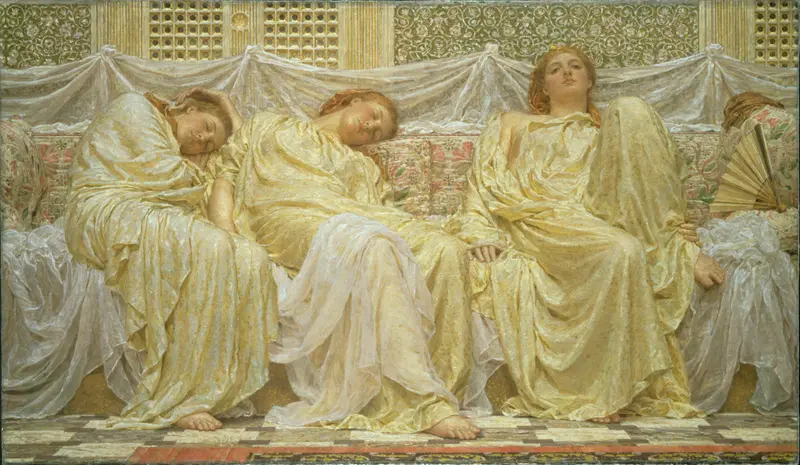
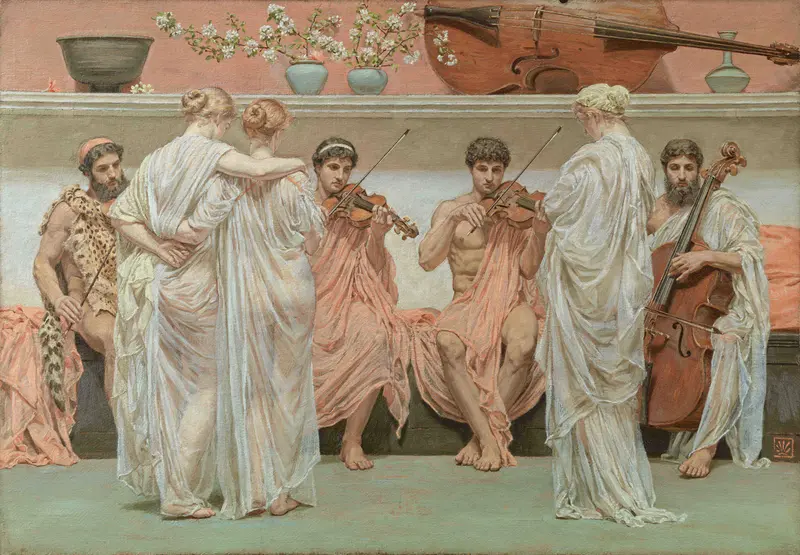
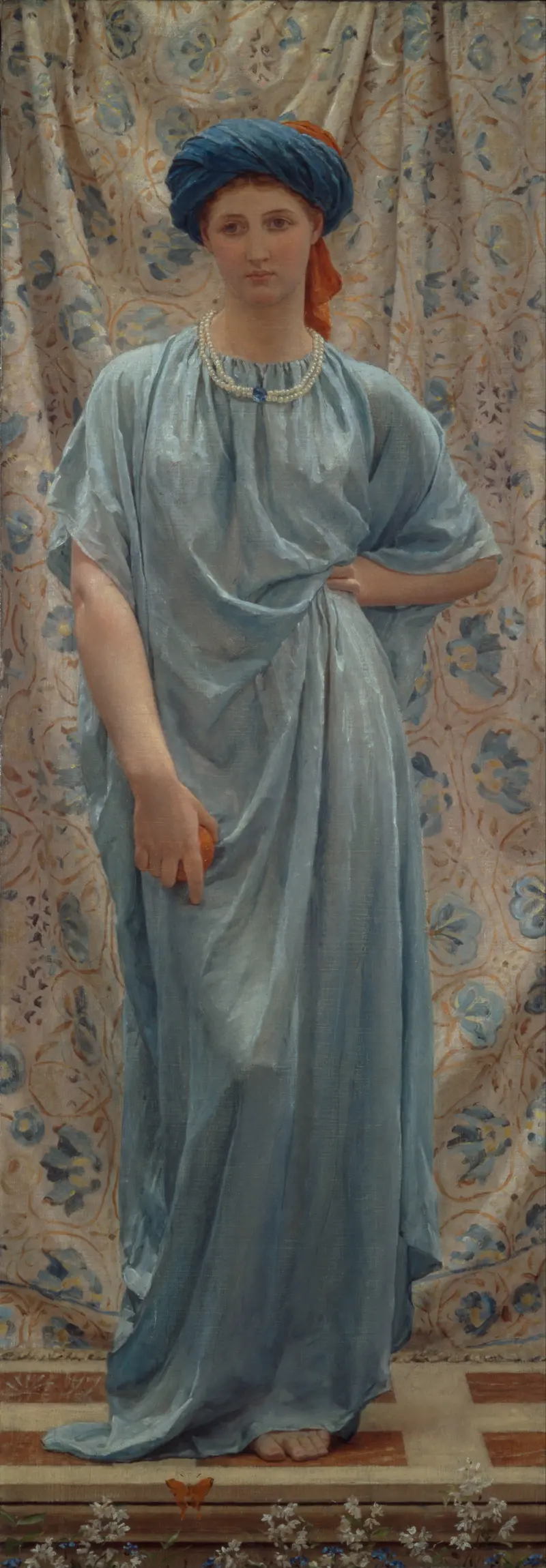
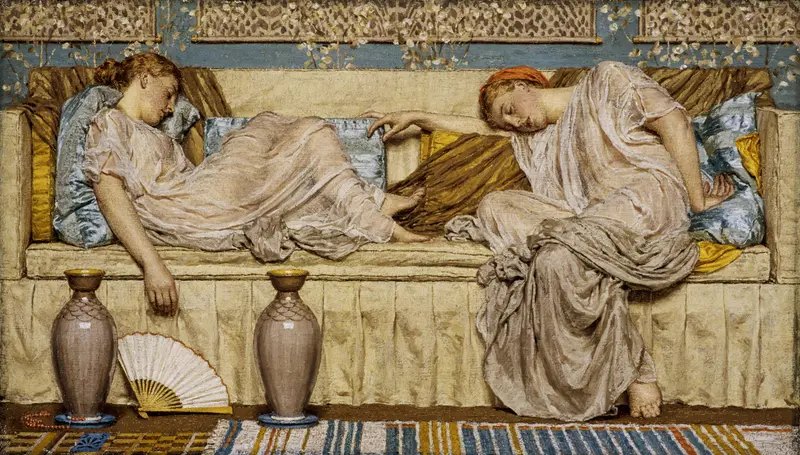 Albert Moore1841–1893. One of the three painters Tate names as the Aesthetic movement in painting, with Whistler and Leighton: his women in classical drapery put beauty before story.
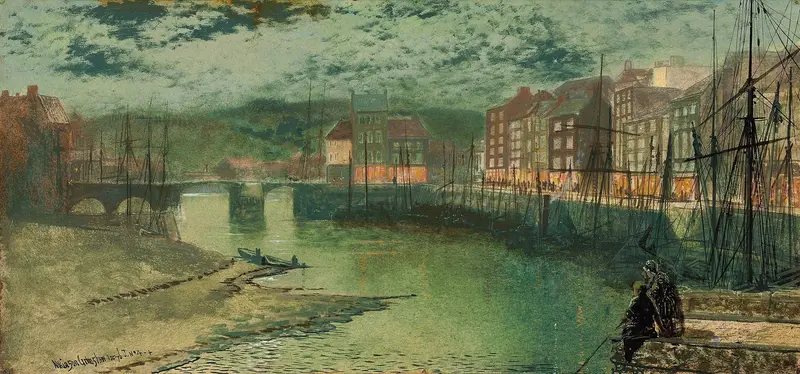
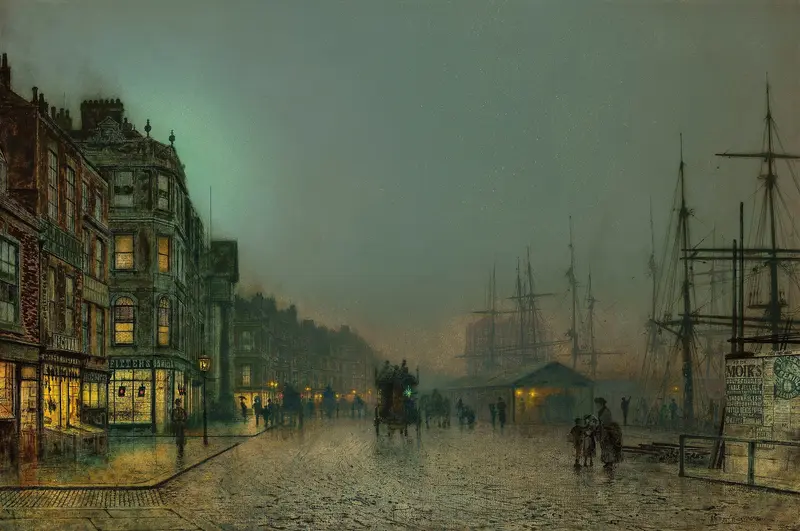
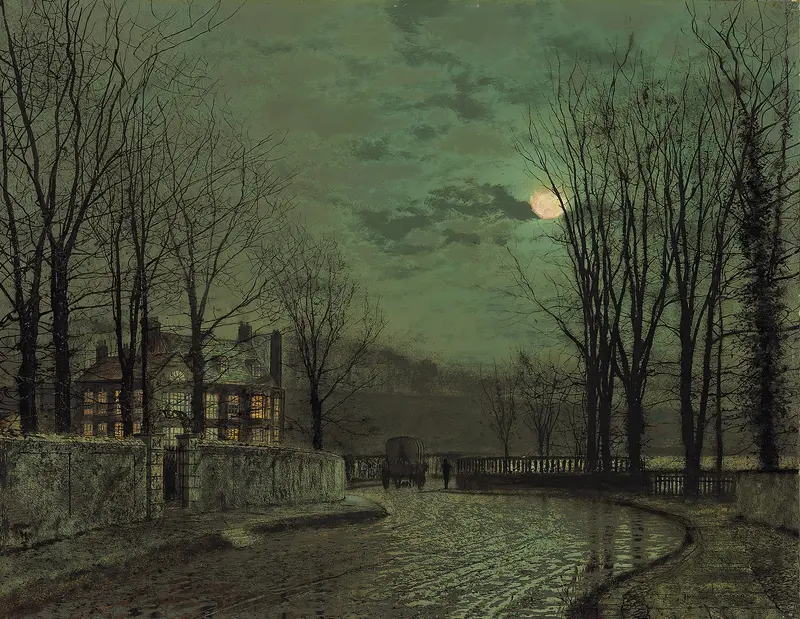
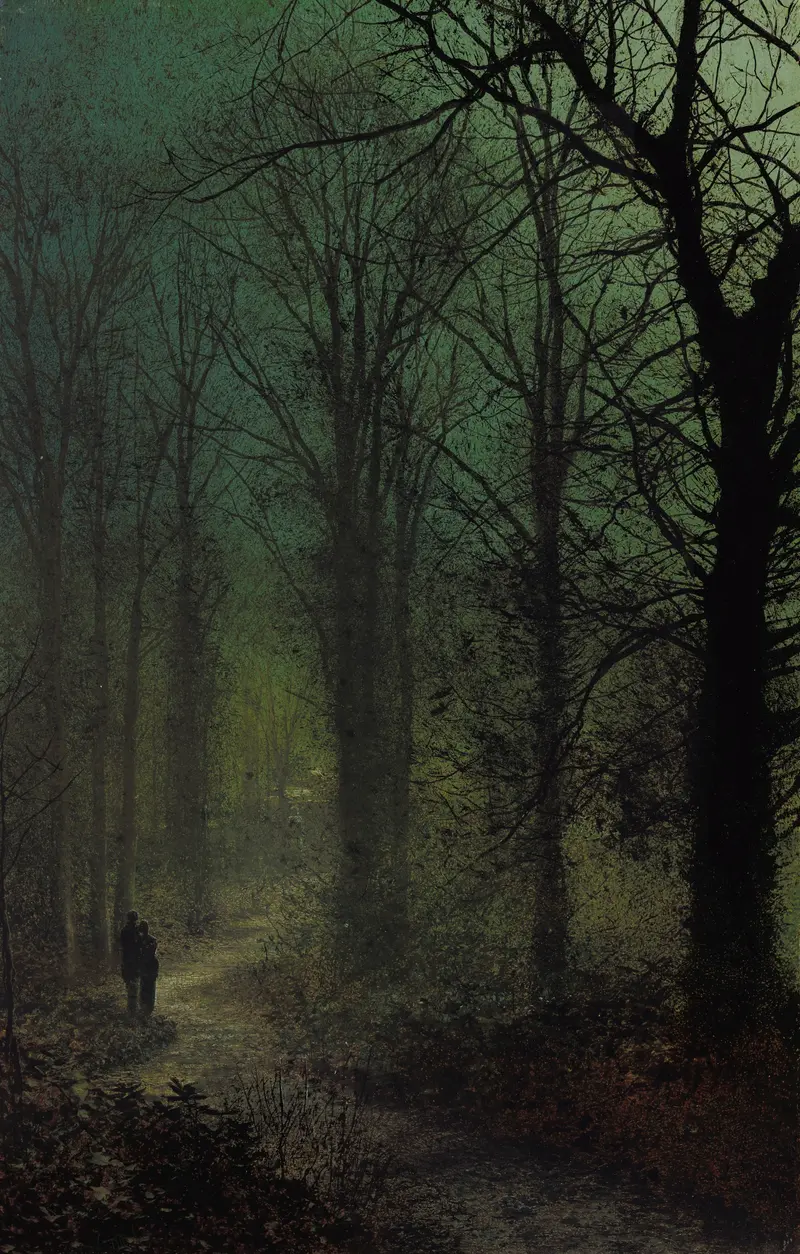
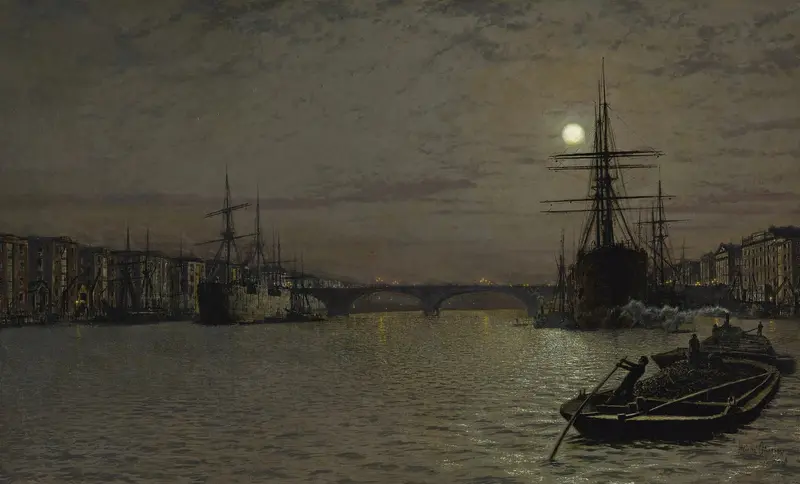
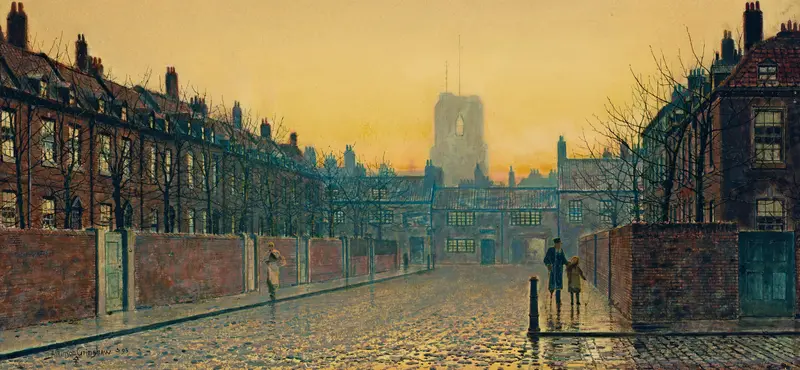
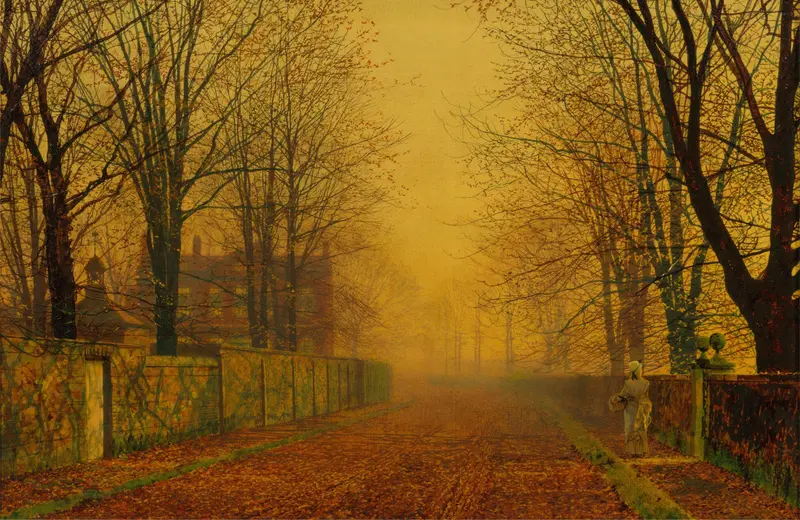
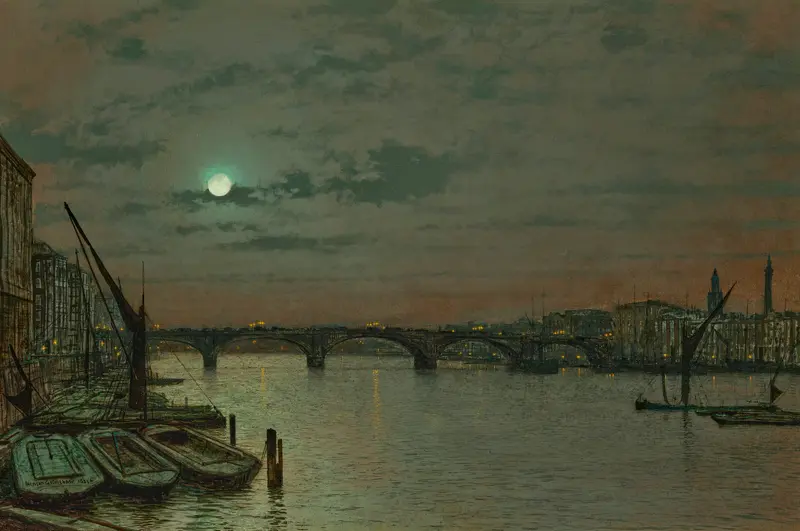
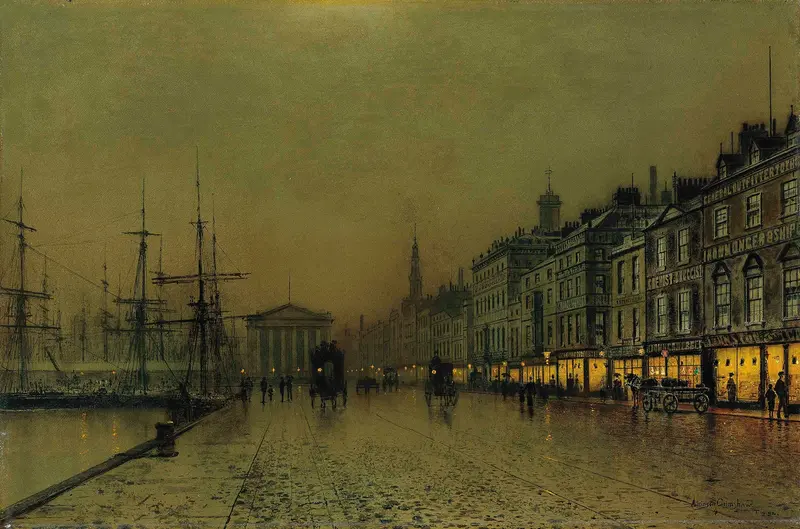
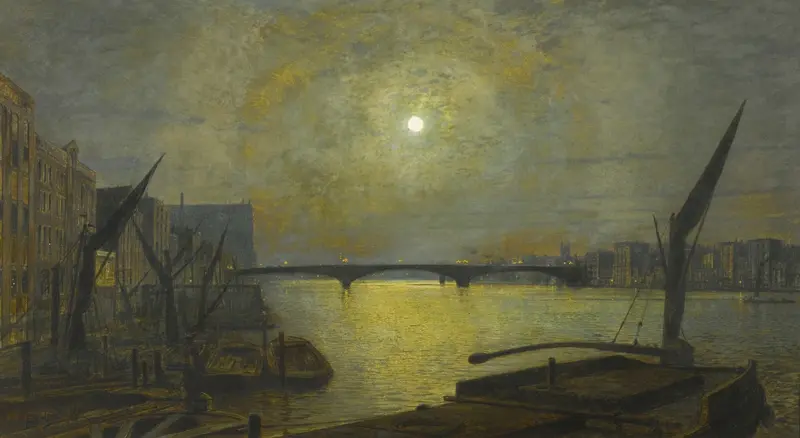
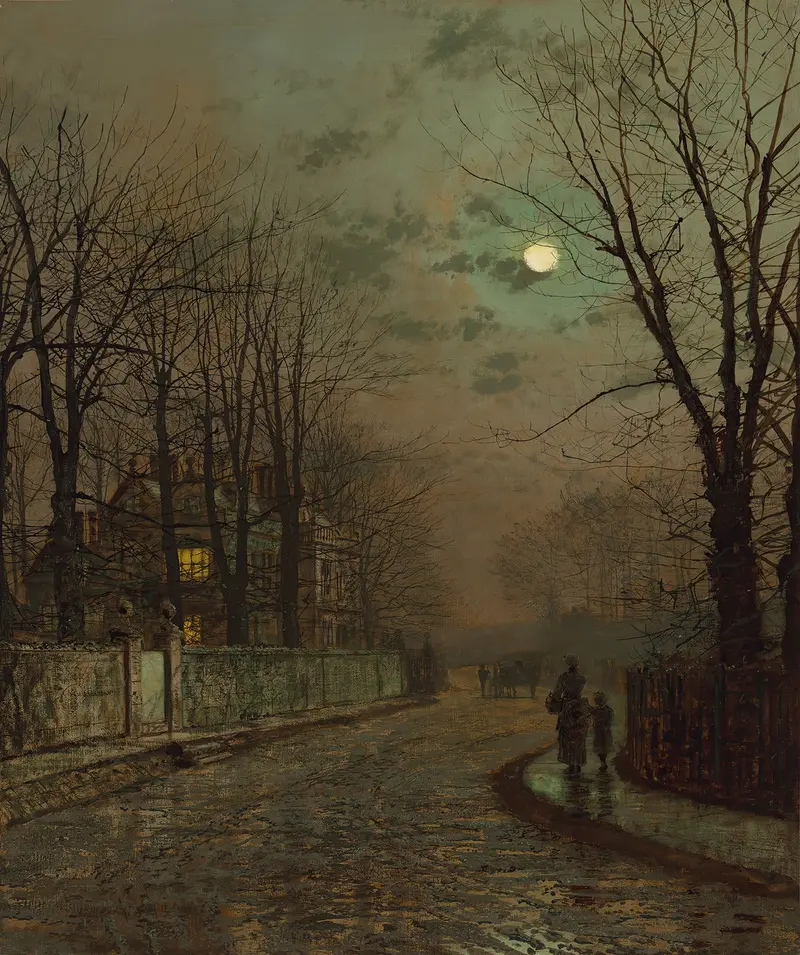
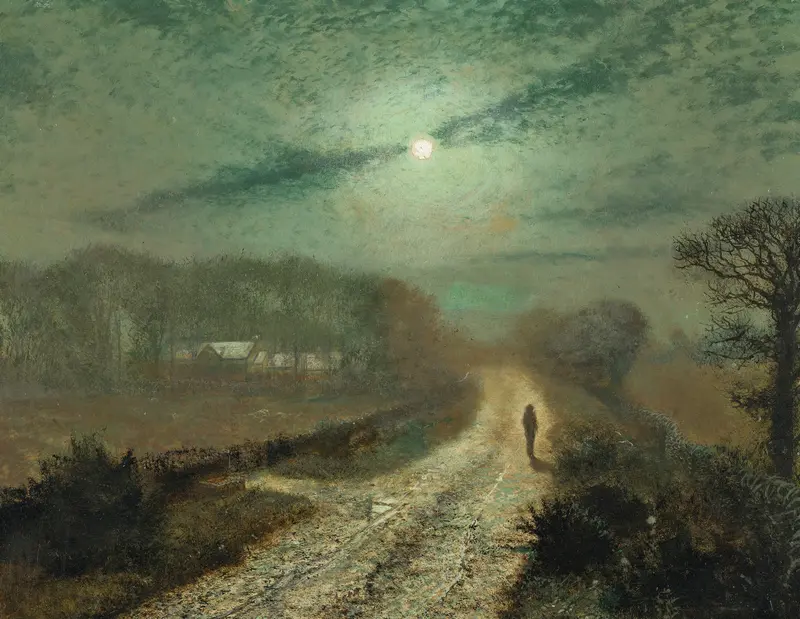
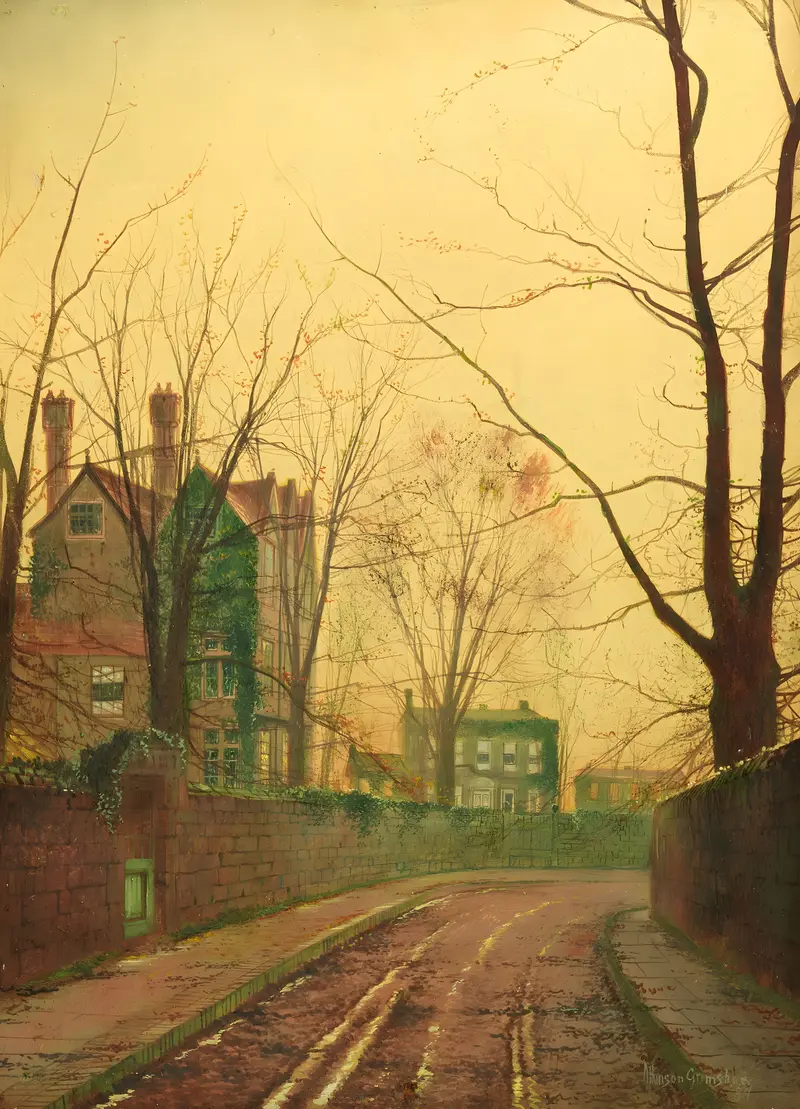
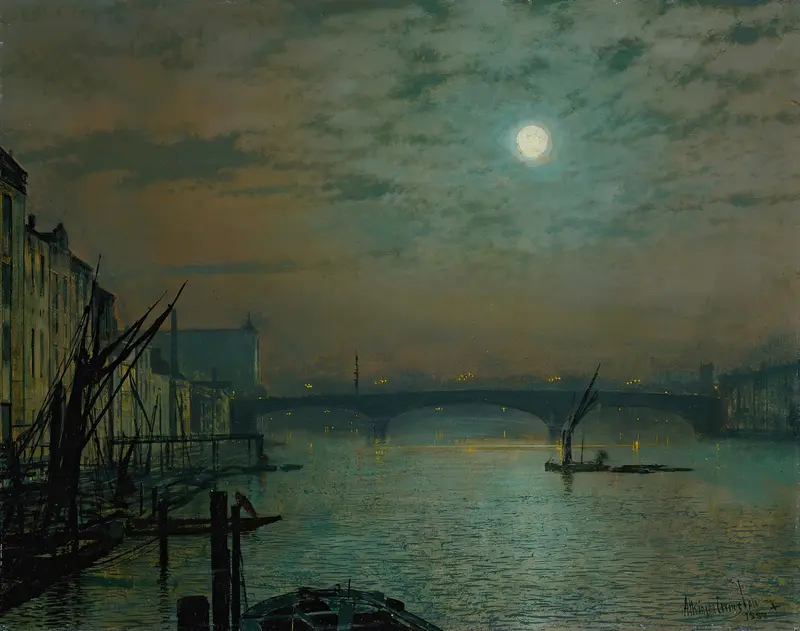
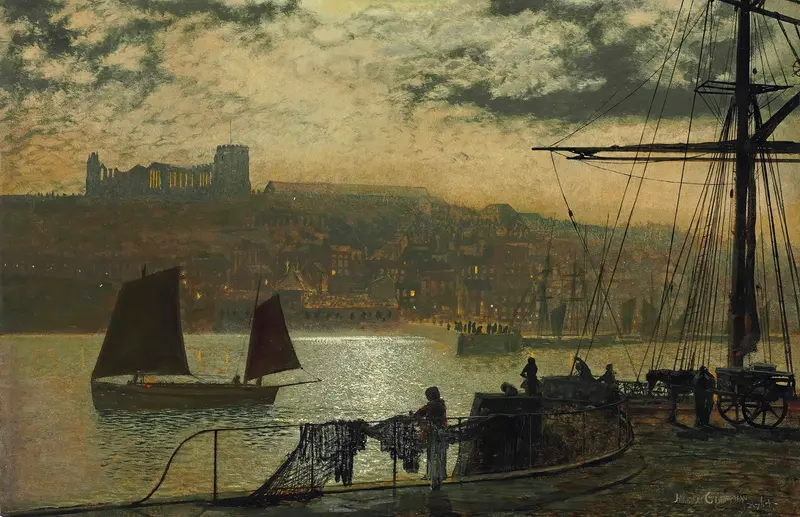
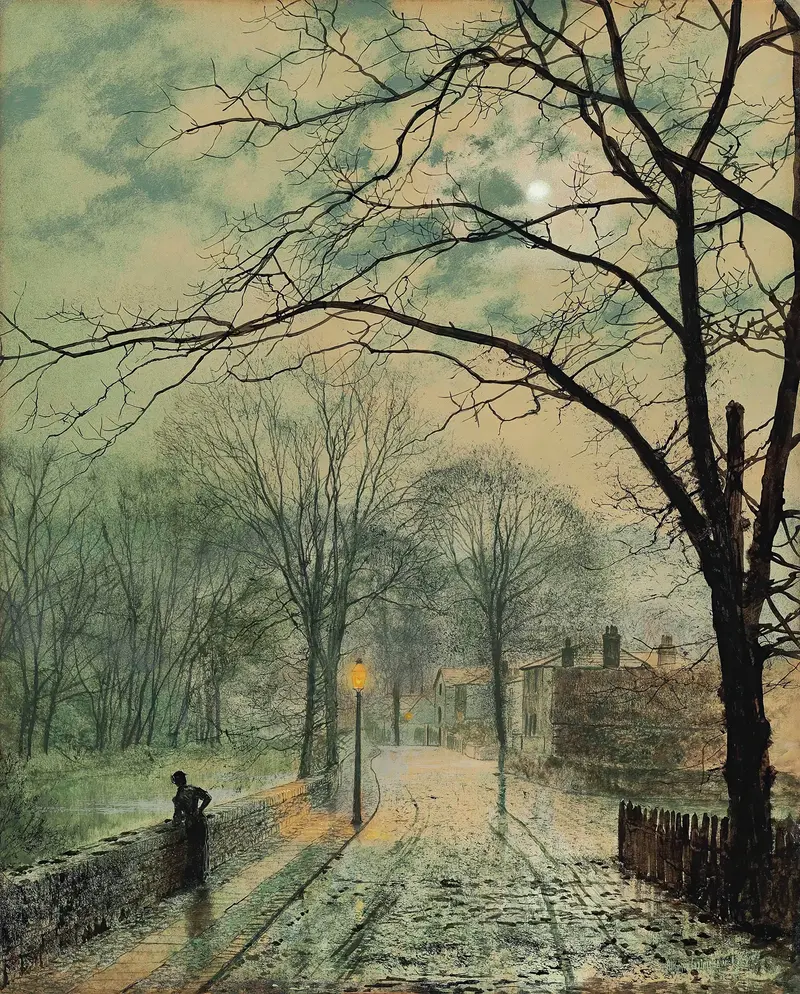
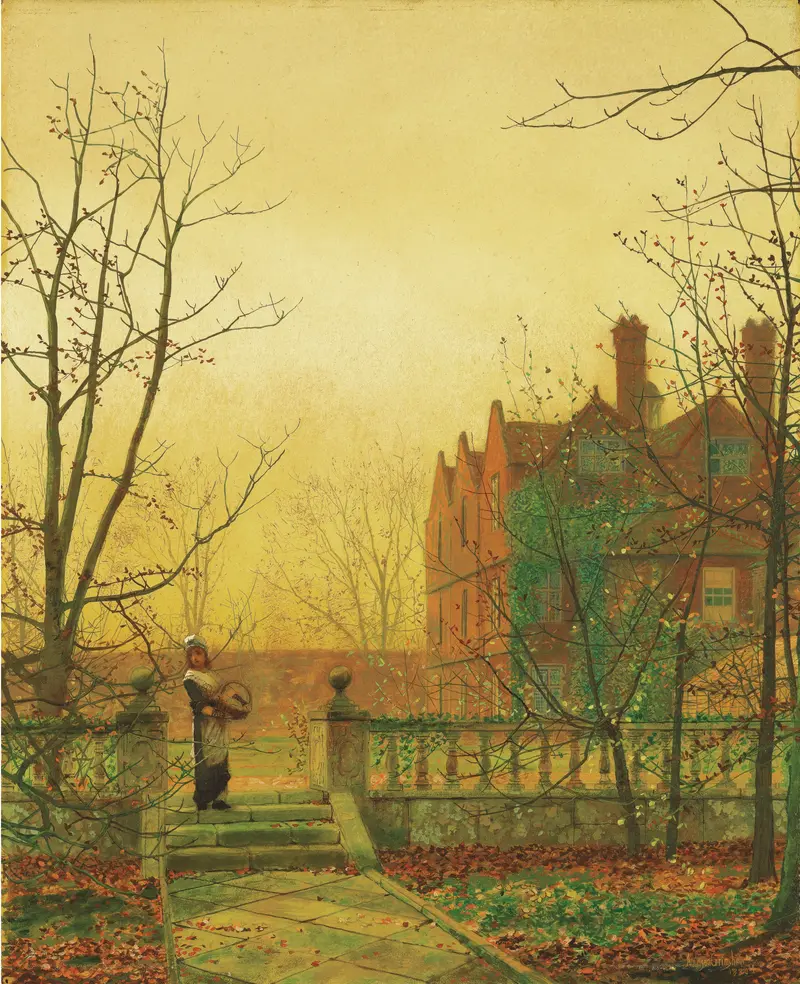
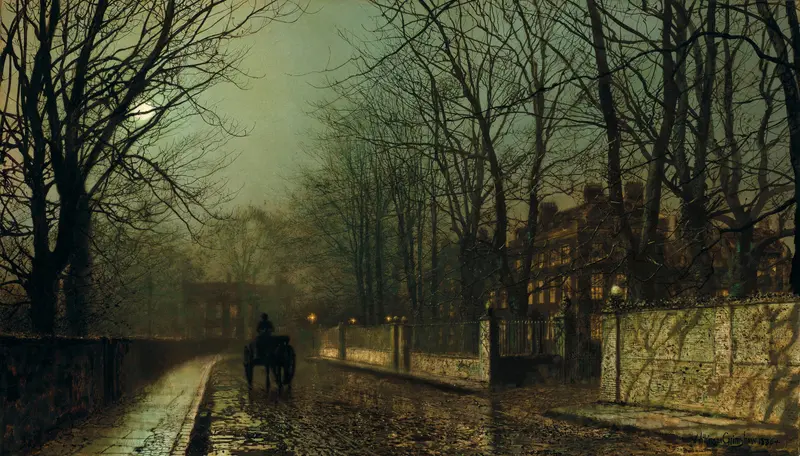
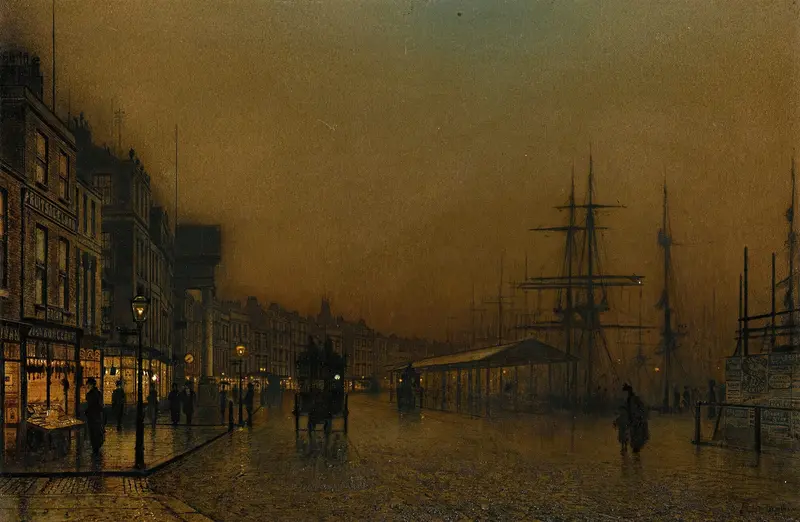
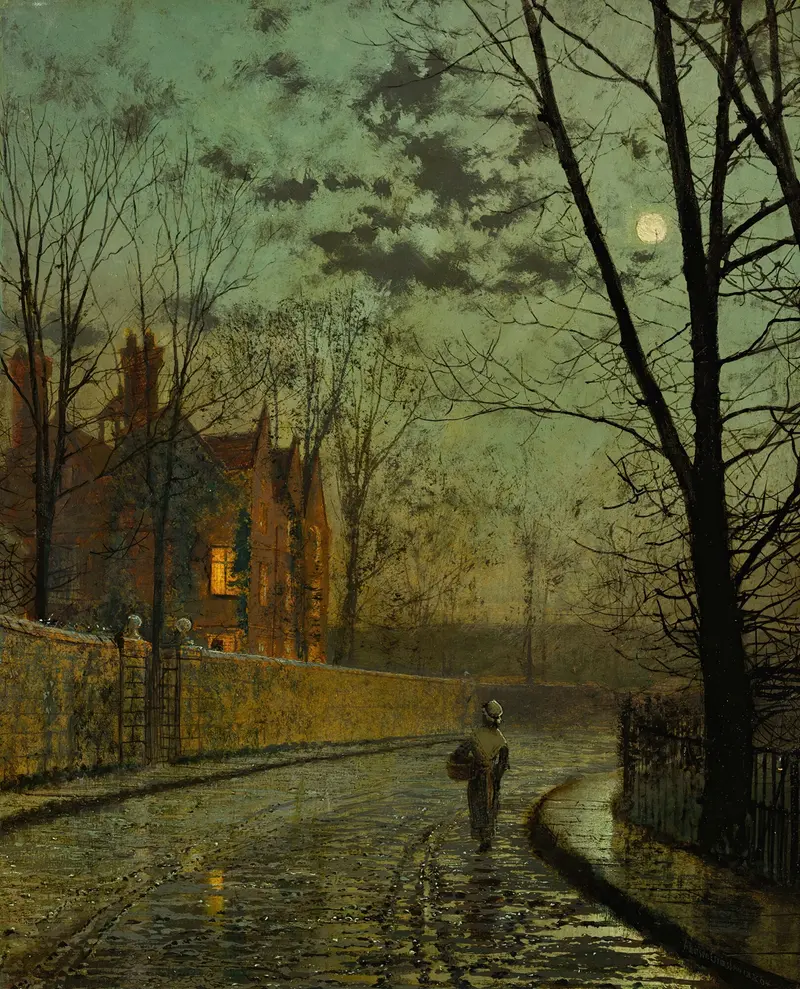
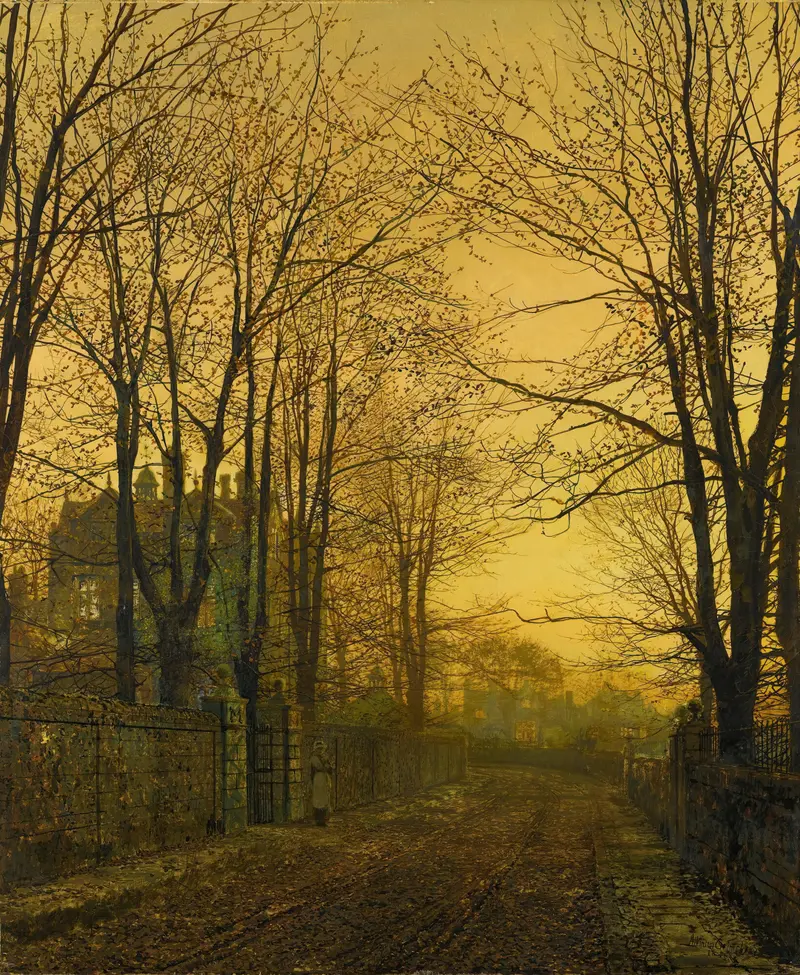
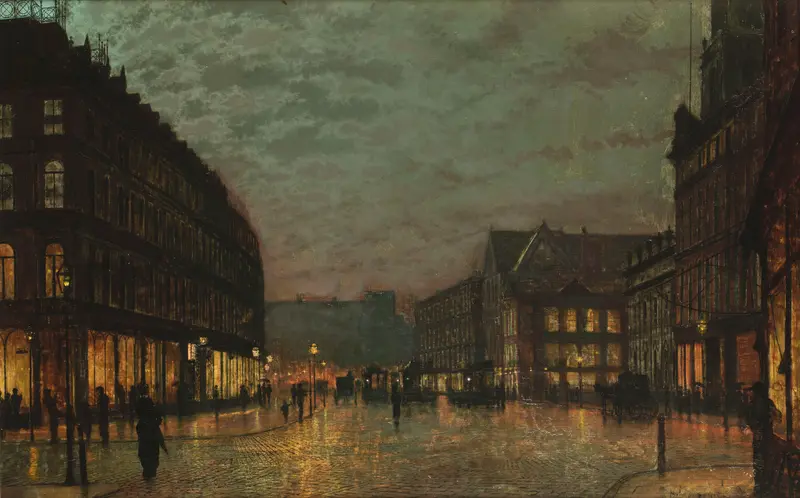 Atkinson Grimshaw1836–1893. Born in Leeds and largely self-taught, he left a railway job to paint; his moonlit docks and gaslit streets made Whistler say he thought he had invented the Nocturne until he saw them.
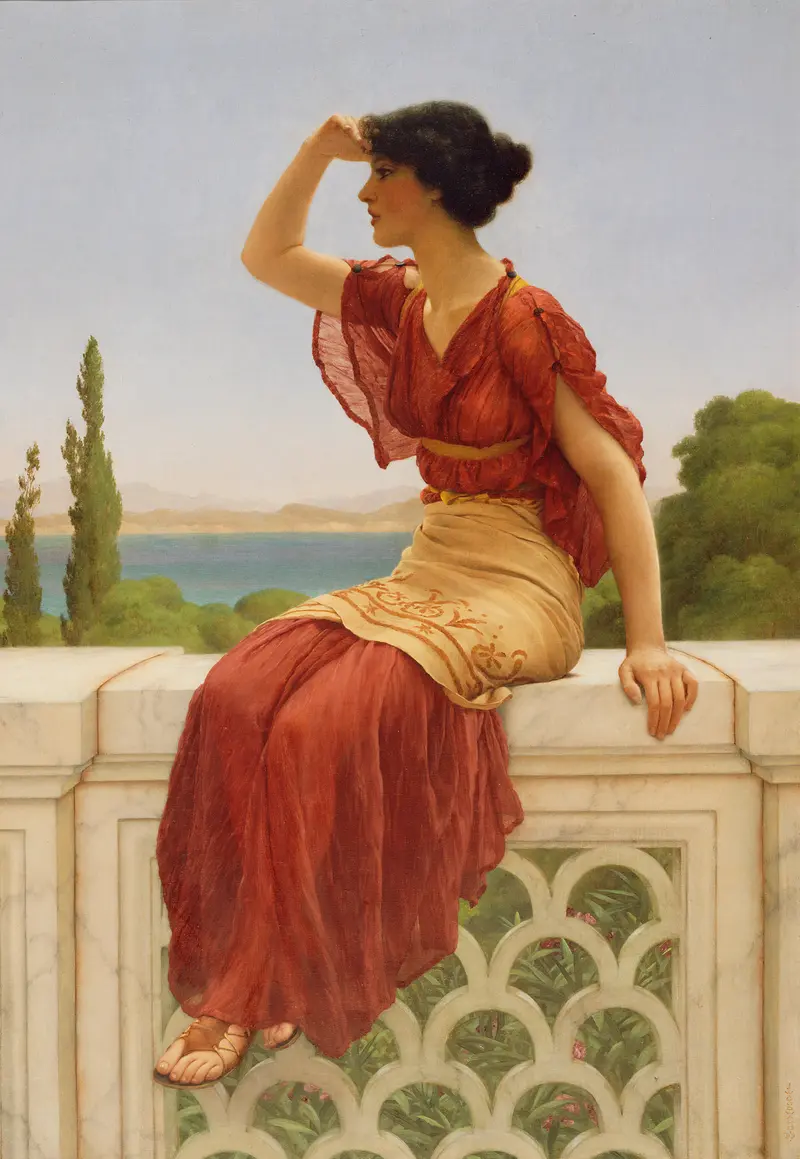
 John William Godward1861–1922. Painted young women in Greek and Roman dress on marble terraces; the Getty compares his idealized figures to Greek statues frozen in time.
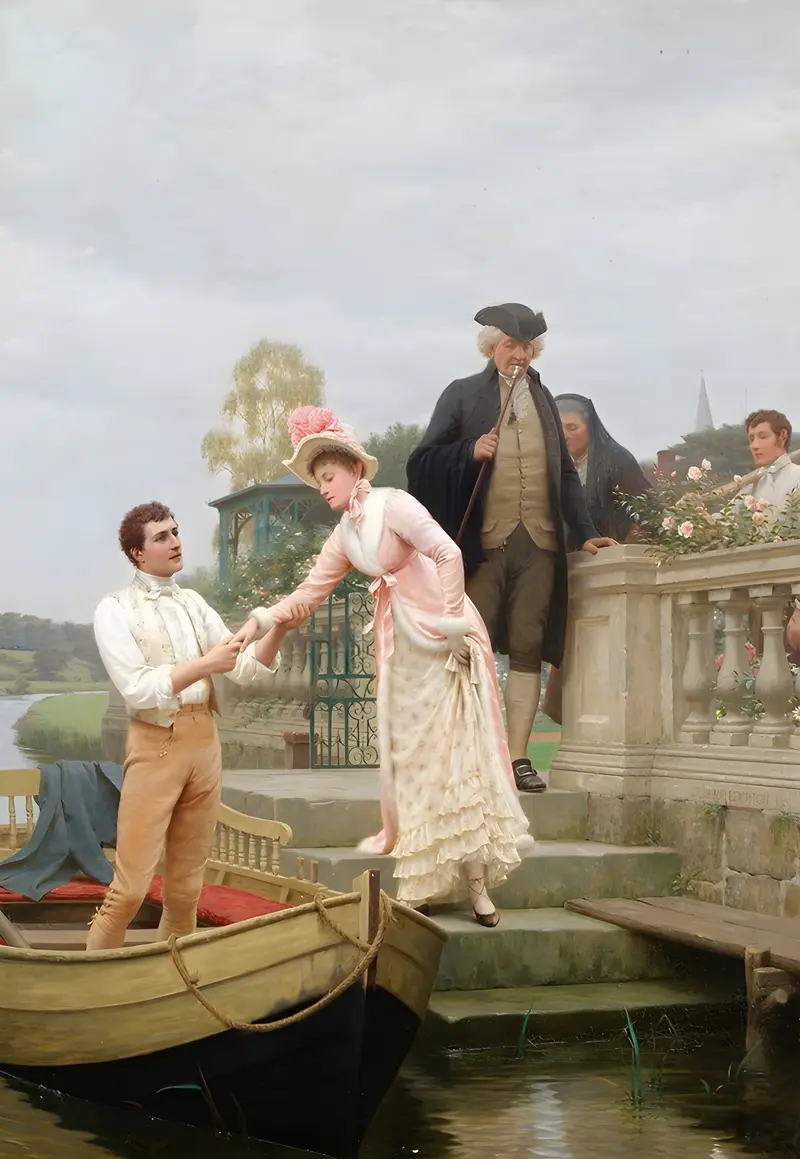 Edmund Blair Leighton1852–1922. Specialized in medieval and Regency scenes and showed at the Royal Academy every year from 1878 to 1920, though he was never elected a member, Auckland Art Gallery says.
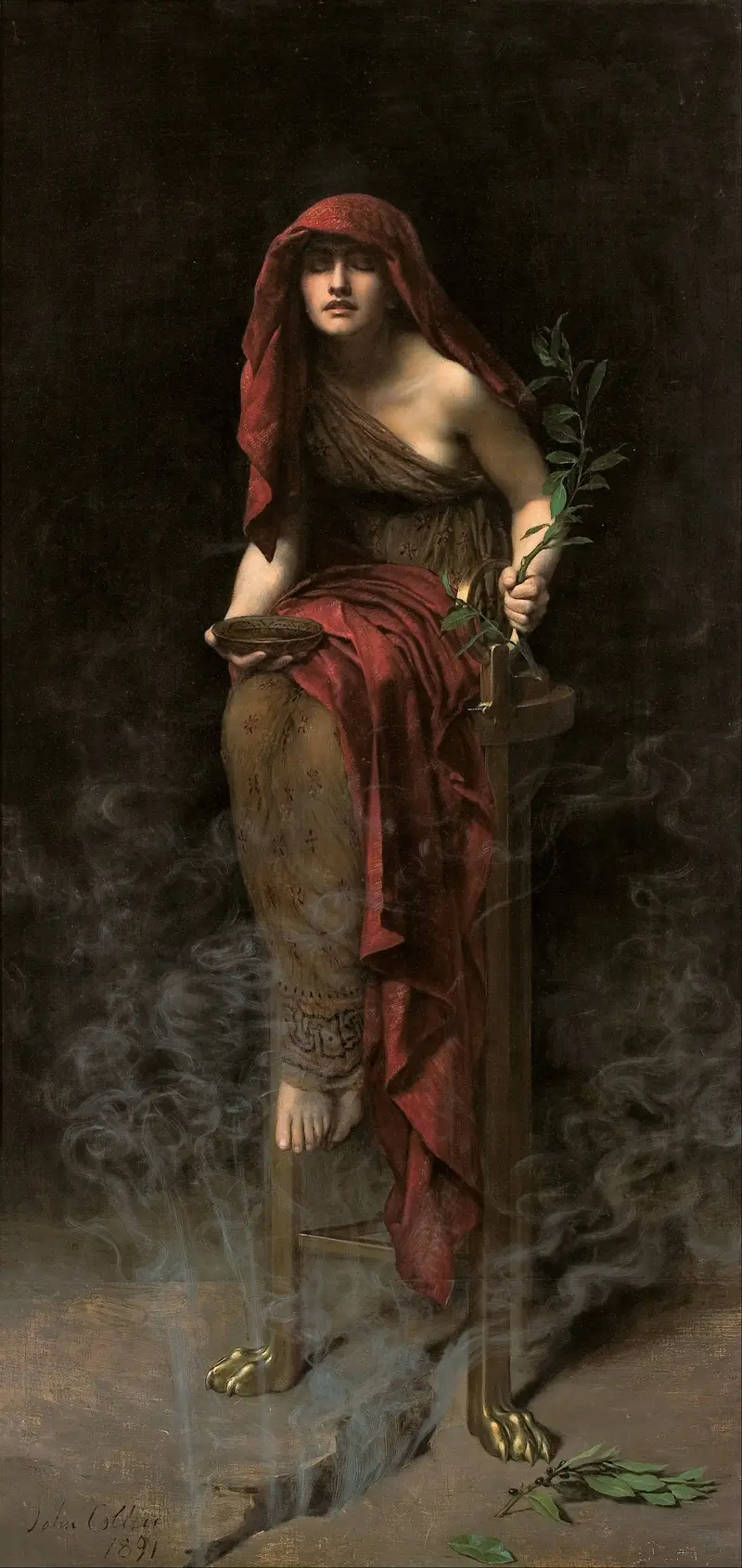 John Collier1850–1934. Trained under Edward Poynter at the Slade and in Paris and Munich; a busy portraitist who painted Charles Darwin, best known for large narrative pictures such as Godiva.
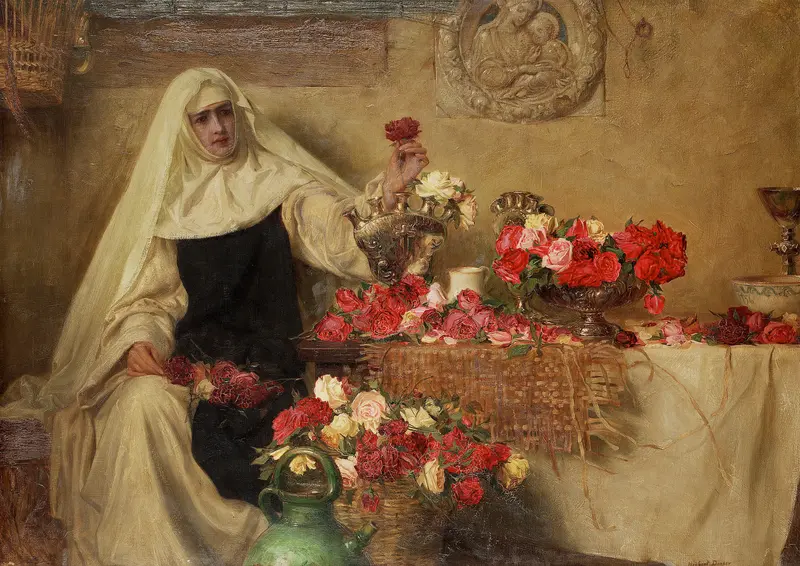 Herbert Draper1863–1920. Of a generation influenced by French Impressionism, Tate says, he devoted himself instead to myths and literary subjects in the manner of Burne-Jones.
The Aesthetic movement: art for art's sake
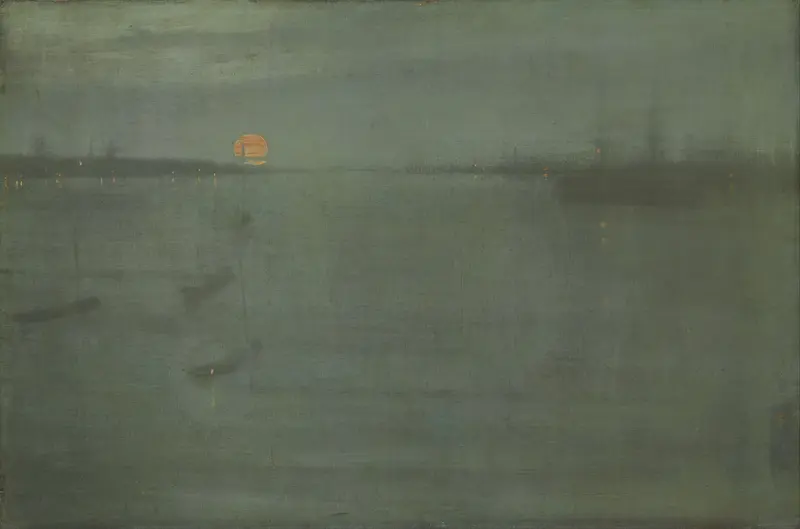
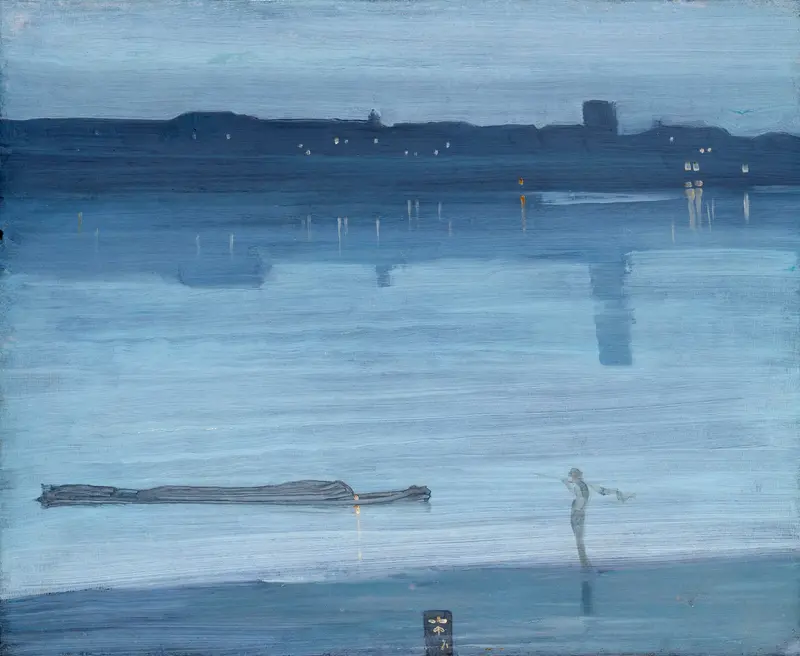
The Aesthetic movement flourished in Britain in the 1870s and 1880s and put pure beauty ahead of story or moral, Tate says, naming Whistler, Albert Moore and some works by Leighton. Whistler gave his pictures musical titles such as Nocturne and Symphony; his night views of the Thames capture the stillness of evening while evoking music, the Art Institute of Chicago says.

Victorian portraits
Portraits paid well: John Collier, who painted Charles Darwin and George Bernard Shaw, found portraiture a lucrative business and helped found the Royal Society of Portrait Painters. The American John Singer Sargent moved from Paris to London in the 1880s; in 1889 he painted the actor Ellen Terry as Lady Macbeth in a dress stitched with the wings of jewel beetles, Tate says.
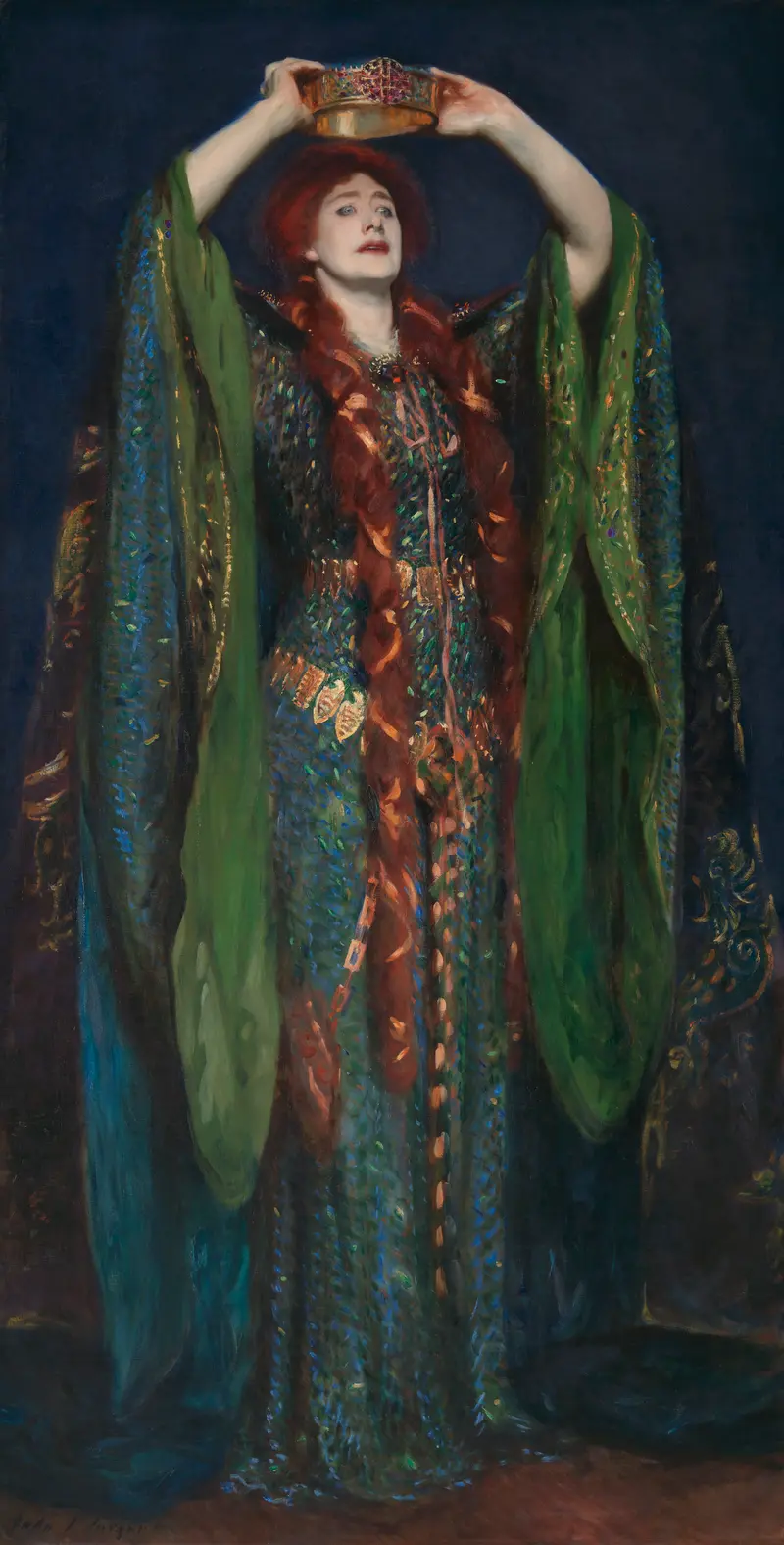 Ellen Terry as Lady MacbethJohn Singer Sargent
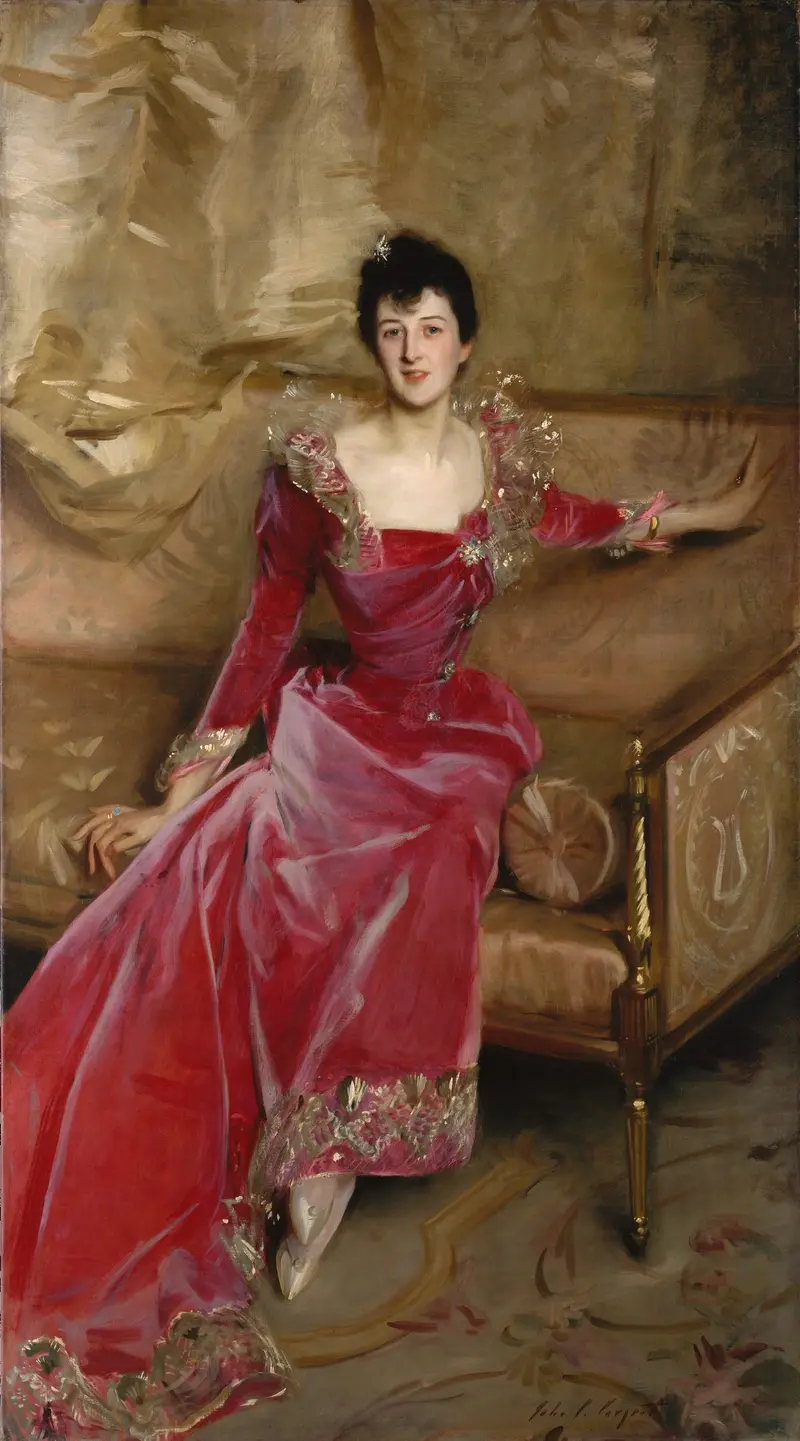 Mrs. Hugh HammersleyJohn Singer Sargent
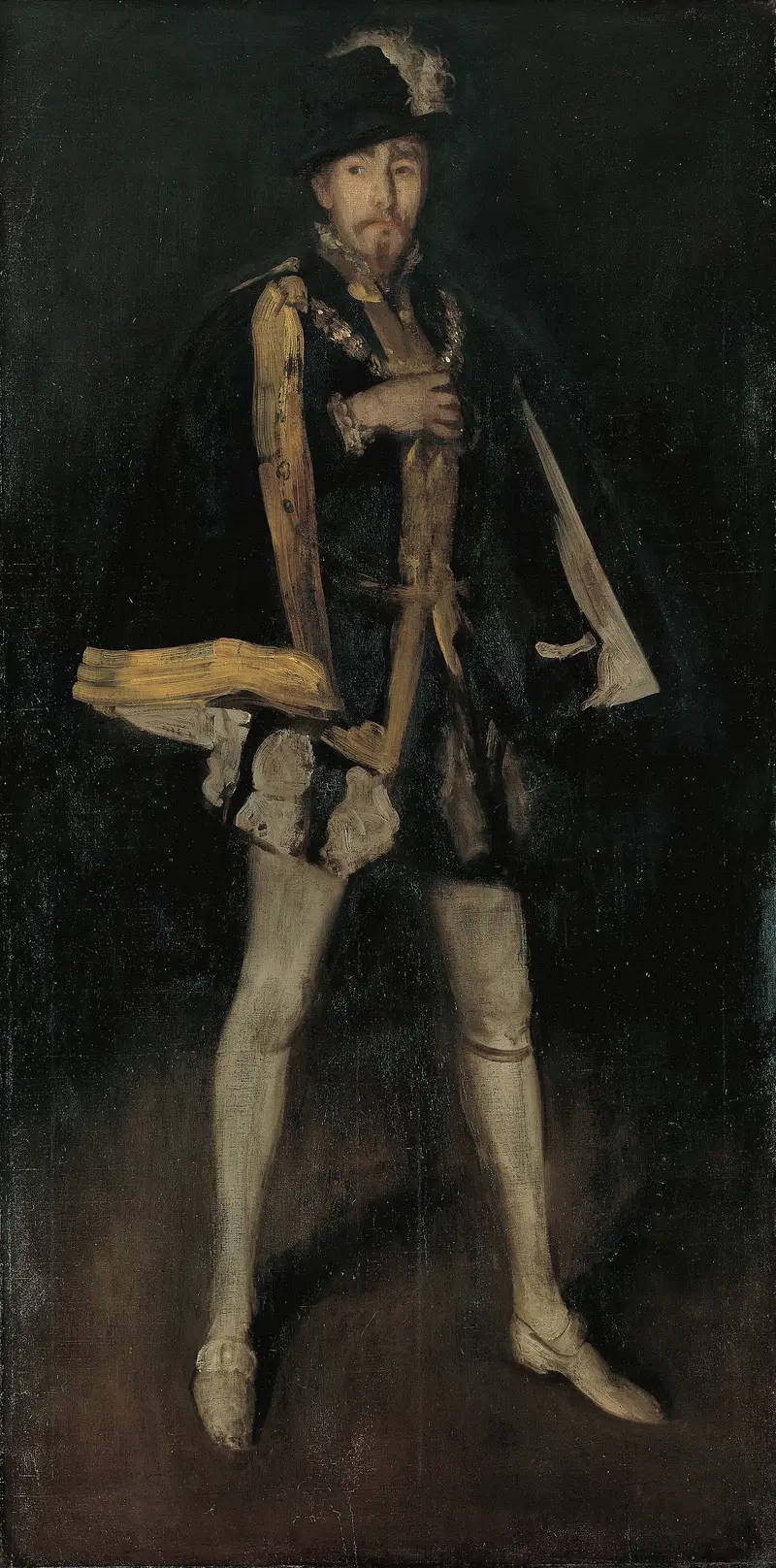 Arrangement in Black, No. 3: Sir Henry Irving as Philip II of SpainJames McNeill Whistler
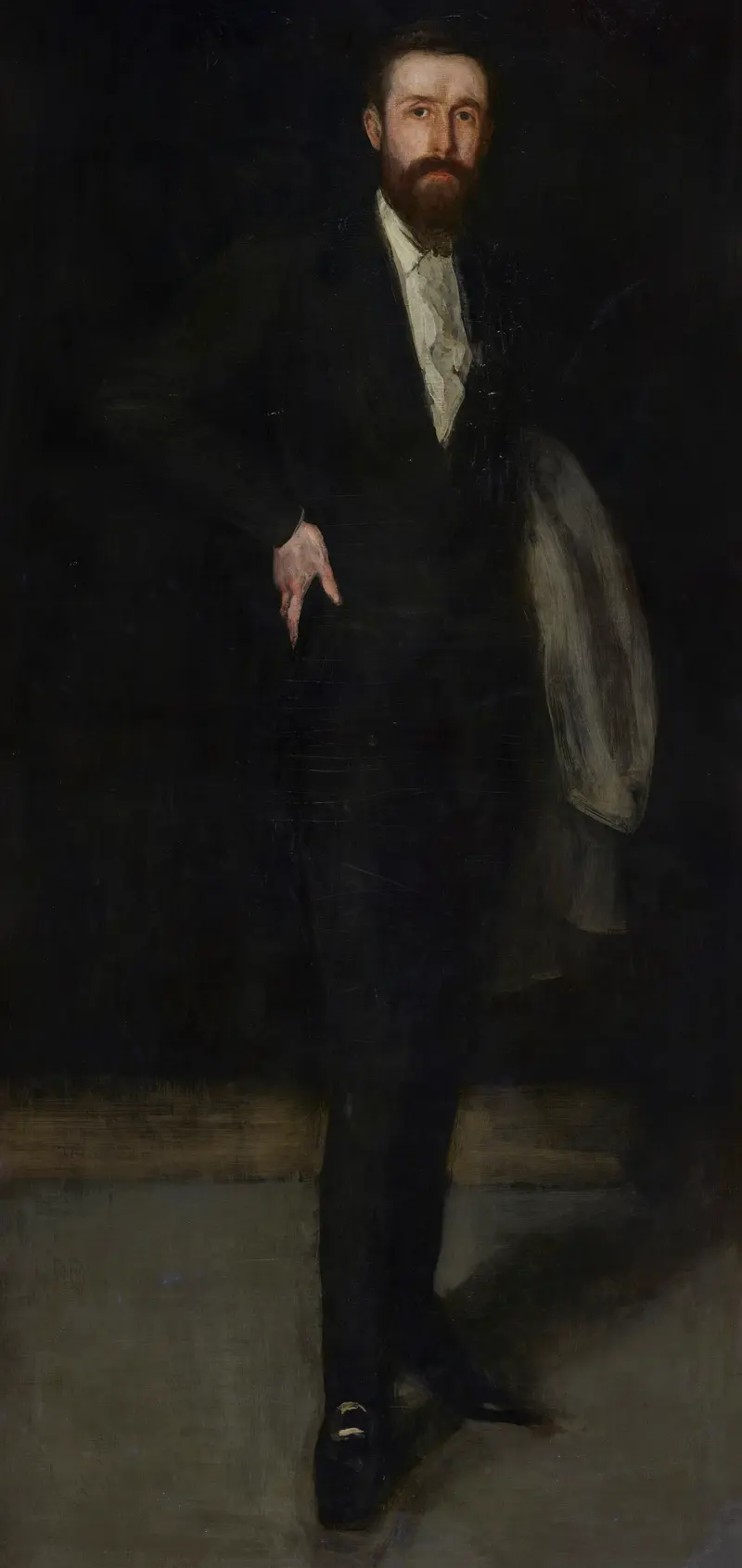 Arrangement in Black: Portrait of F. R. LeylandJames McNeill Whistler
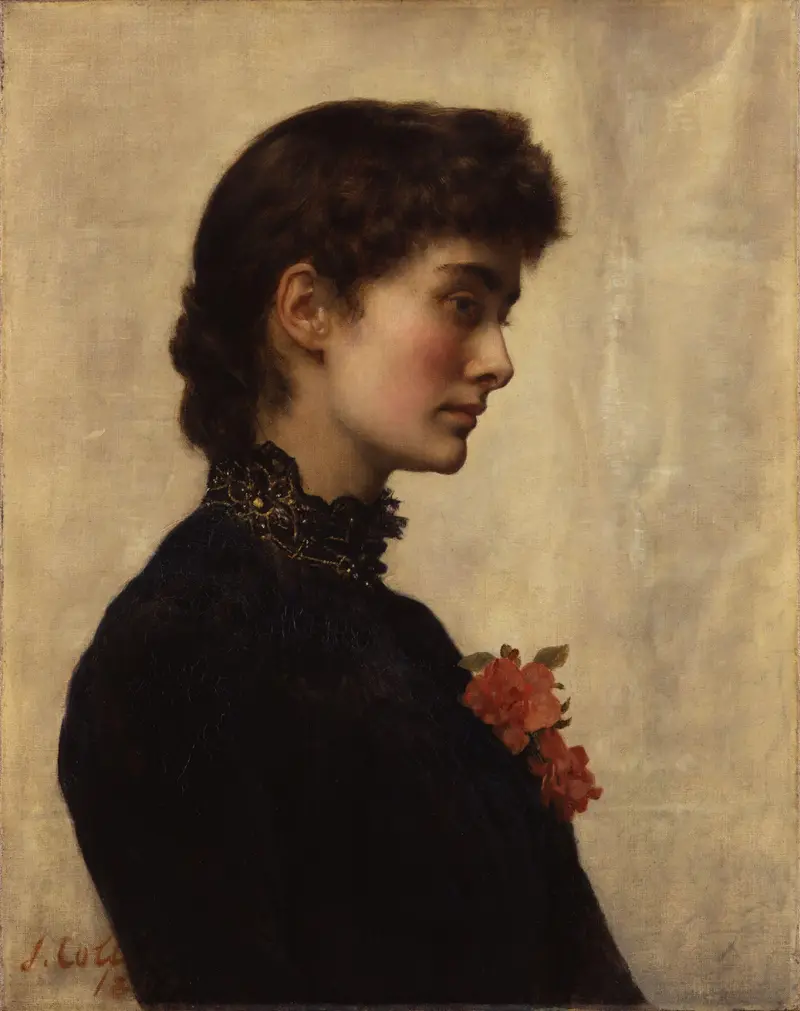 Marian Collier (née Huxley)John Collier
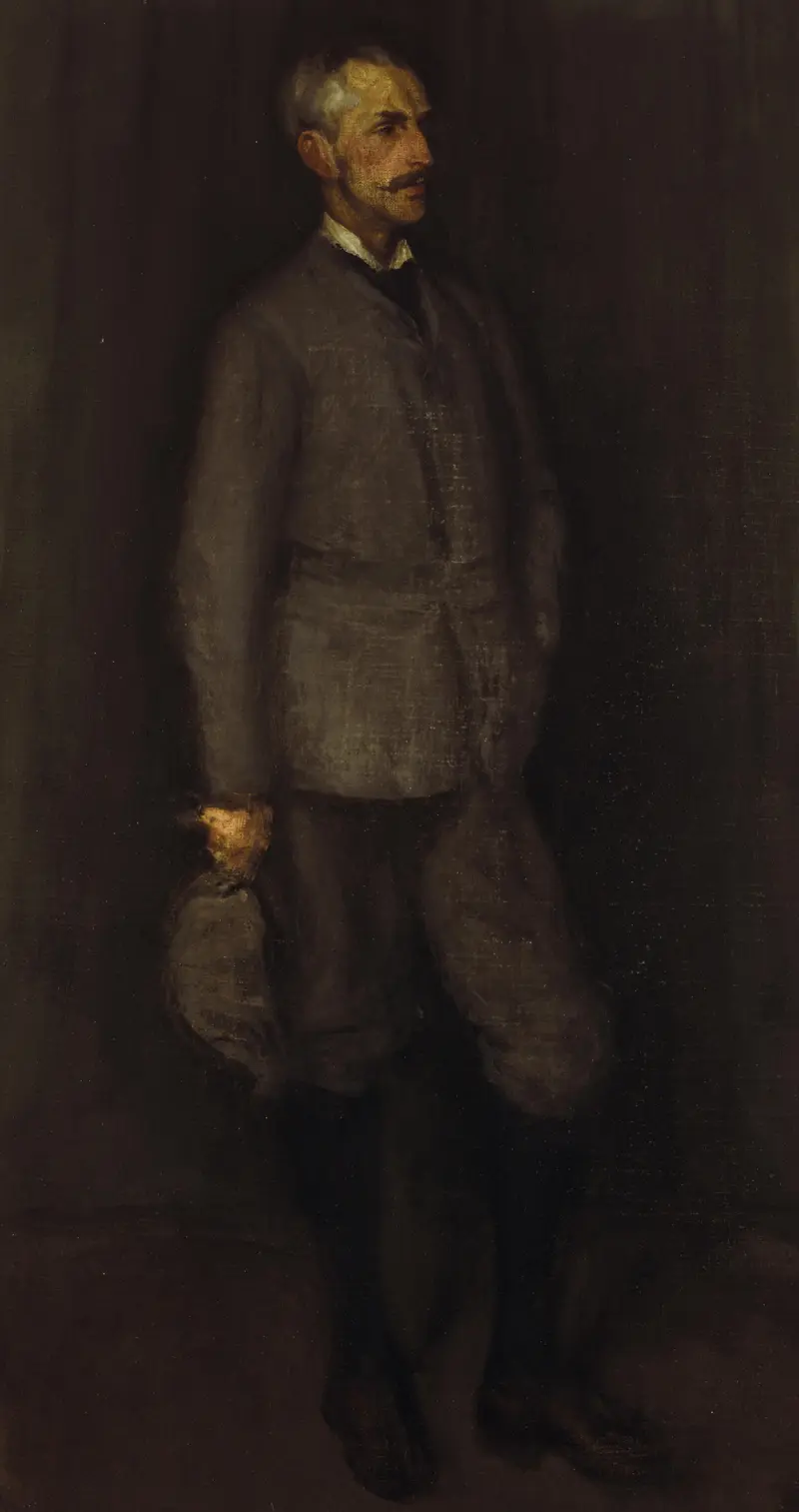 Arrangement in Grey and Green: Portrait of John James CowanJames McNeill Whistler
Victorian paintings of women
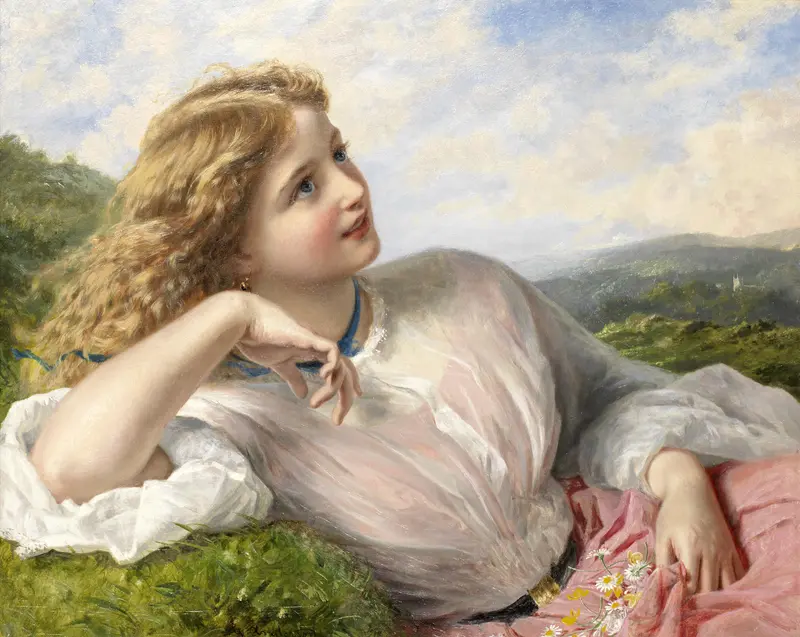
Victorian painters filled their canvases with women: priestesses in Greek robes, ladies in medieval and Regency dress, girls in the countryside. Godward painted idealized beauties in calm, often sterile settings, the Getty says, and Blair Leighton specialized in medieval and Regency scenes, according to Auckland Art Gallery.

Characteristics of Victorian art: how to recognize it
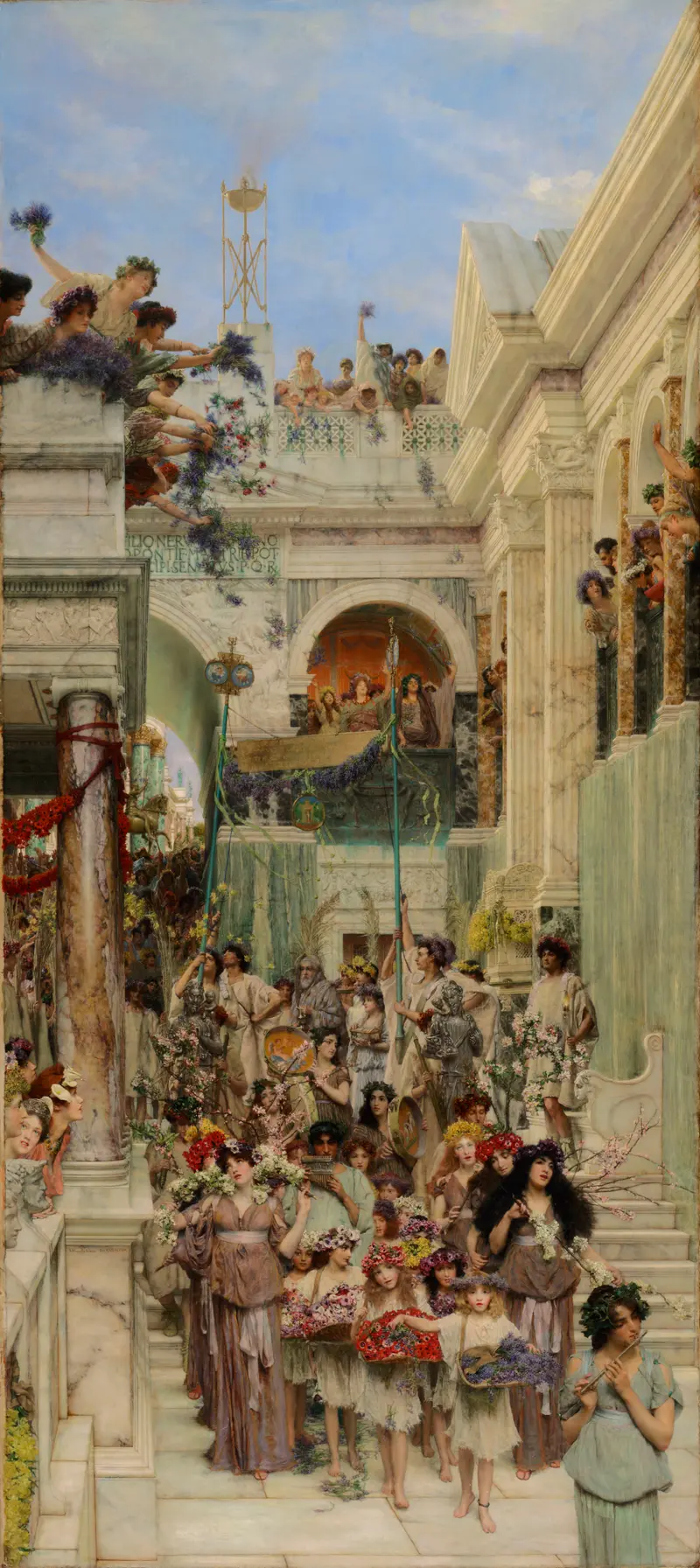
Ancient Rome, re-created
Alma-Tadema set a Victorian May Day custom in ancient Rome, with the architecture, dress, sculpture and even the musical instruments based on Roman originals, the Getty says. He painted more than 300 such scenes of the ancient world.
Spring, Lawrence Alma-Tadema
Idealized beauty in classical dress
Iphigenia and her companions sleep in flowing drapery while Cymon stares. Leighton's taste, like his audience's, was for beautifully draped figures in classical surroundings, the Art Gallery of New South Wales says, unashamedly nostalgic and idealizing, with no trace of industrial England.
Cymon And Iphigenia, Frederic Leighton
Art for art's sake
Fireworks dissolve into sparks of gold on near-black. Whistler said his pictures were an arrangement of line, form and color first; the critic John Ruskin accused him of flinging a pot of paint in the public's face, and Whistler sued him in 1878.
Nocturne in Black and Gold – The Falling Rocket, James McNeill Whistler
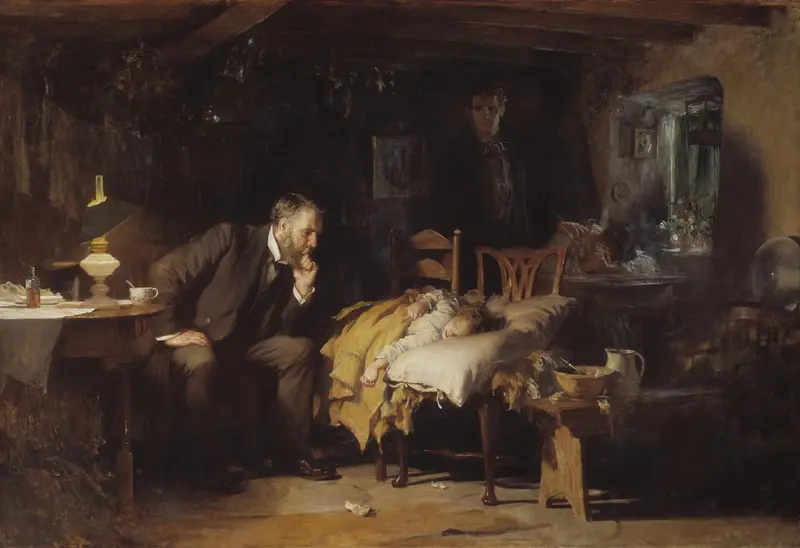
A story in a single scene
Read the room from the lamp to the window: the doctor watches, the parents wait, and dawn breaks as the child begins to recover, Tate explains. Pictures of everyday life that told a story became hugely popular in the Victorian age, Tate says.
The Doctor, Luke Fildes
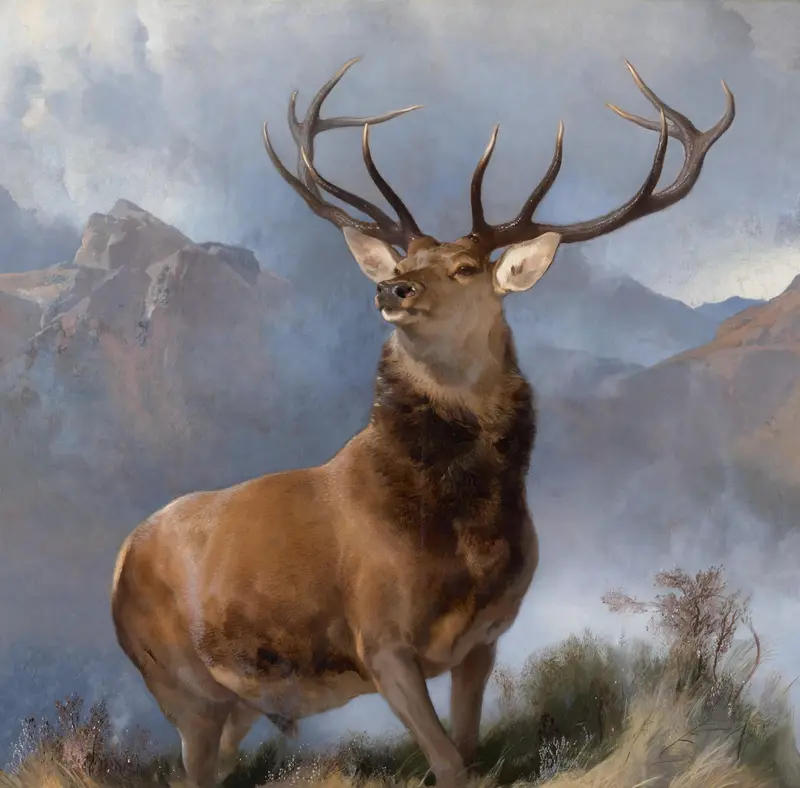
Animals as heroes
A single royal stag stands in command of the Highlands. Landseer, Queen Victoria's favorite artist, was best known for horses, dogs and stags, and prints of his paintings hung in homes around the world, the National Gallery in London says.
The Monarch of the Glen, Edwin Henry Landseer
Light painted from life
Sargent painted the lantern-lit garden outdoors, waiting each evening for the few minutes when the light was just right, Tate says. The picture helped make his reputation in Britain when it was bought for the nation in 1887.
Carnation, Lily, Lily, Rose, John Singer Sargent
Before and after Victorian art
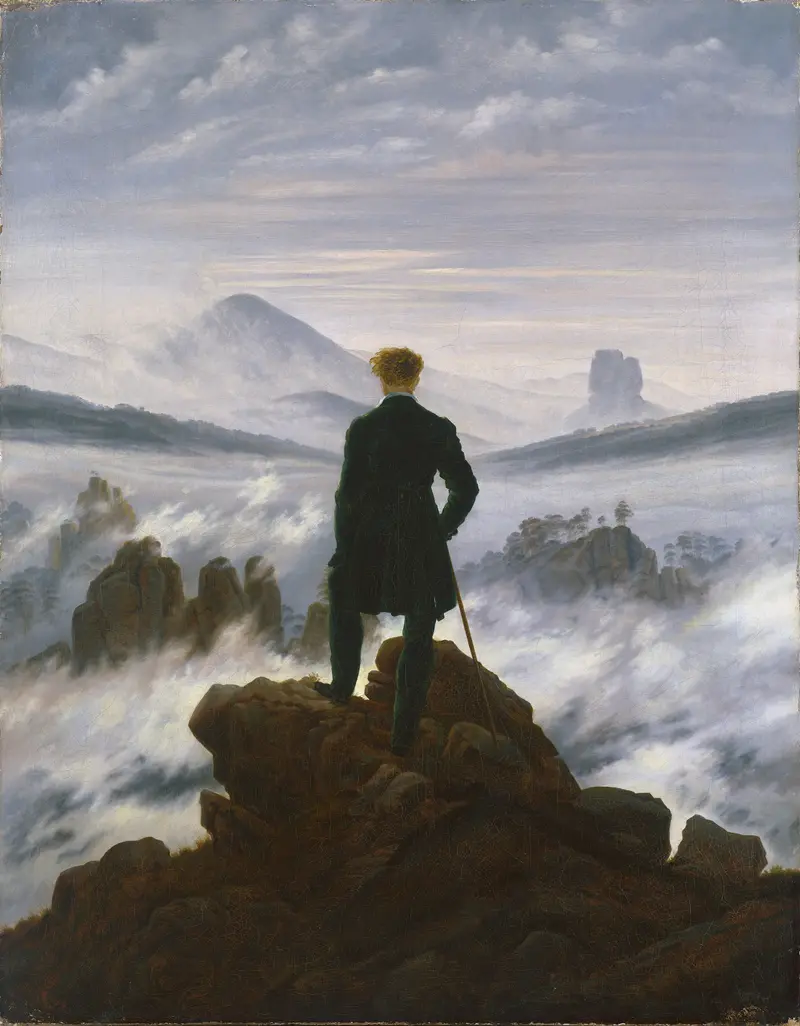 Romanticismc. 1780–1850
- Victorian art1837–1901
 Pre-Raphaelites1848–1890s
 Symbolismc. 1886–1900
 Art Nouveau1890s–1914
Victorian Art vs Pre-Raphaelites and Art Nouveau
| Compared | Pre-Raphaelites | Victorian art | Art Nouveau |
|---|---|---|---|
| When | 1848–1890s | 1837–1901 | 1890s–1914 |
| What it is | A group of young painters who rebelled against the Royal Academy | A period: British art of Queen Victoria's reign, in many styles | An international style of architecture and design |
| Subject | Religion, literature, love and death, painted from nature | Ancient myth and history, chivalry, animals, portraits and everyday life | Plant forms and flowing lines in posters, books, glass and buildings |
| Aim | Serious subjects treated with maximum realism | A story to read, or beauty for its own sake | Sinuous lines and organic shapes |
| Famous example | Millais, Ophelia | Leighton, Flaming June | Klimt, The Kiss |
| Key artists | Rossetti, Millais, Holman Hunt | Leighton, Alma-Tadema, Whistler, Landseer | Mucha, Klimt, Beardsley |
List of famous Victorian paintings and their artists
The famous Victorian paintings: who painted them, when, and where each one is today.
Show the listHide the list
| Painting | Painted by | Year | Medium | Size | Located in | City |
|---|---|---|---|---|---|---|
| Arrangement in Grey and Black No. 1 (Whistler's Mother) | James McNeill Whistler | 1871 | Oil on canvas | 144 × 162 cm (56.7 × 63.8 in) | Musee d'Orsay | Paris |
| Flaming June | Frederic Leighton | 1895 | Oil on canvas | 119.1 × 119.1 cm (46.9 × 46.9 in) | Museo de Arte de Ponce | Ponce |
| Carnation, Lily, Lily, Rose | John Singer Sargent | 1885–86 | Oil on canvas | 174 × 153.7 cm (68.5 × 60.5 in) | Tate Britain | London |
| The Roses of Heliogabalus | Lawrence Alma-Tadema | 1888 | Oil on canvas | 132 × 213 cm (52 × 83.9 in) | Pérez Simón Collection | |
| Symphony in White, No. 1: The White Girl | James McNeill Whistler | 1861–62 | Oil on canvas | 213 × 107.9 cm (83.9 × 42.5 in) | National Gallery of Art Washington | Washington |
| Nocturne in Black and Gold – The Falling Rocket | James McNeill Whistler | c. 1875 | Oil on panel | 60.3 × 46.7 cm (23.7 × 18.4 in) | Detroit Institute of Arts | Detroit |
| Godiva | John Collier | c. 1897 | Oil on canvas | 142 × 183 cm (55.9 × 72 in) | Herbert Art Gallery and Museum | Coventry |
| God Speed | Edmund Blair Leighton | 1900 | Oil on canvas | 160 × 116 cm (63 × 45.7 in) | Private collection | |
| Man Proposes, God Disposes | Edwin Landseer | 1864 | Oil on canvas | 91.4 × 243.7 cm (36 × 95.9 in) | Royal Holloway, University of London | Egham |
| The Lament for Icarus | Herbert Draper | 1898 | Oil on canvas | 182.9 × 155.6 cm (72 × 61.3 in) | Tate Britain | London |
| Cymon and Iphigenia | Frederic Leighton | 1884 | Oil on canvas | 163 × 328 cm (64.2 × 129.1 in) | Art Gallery of New South Wales | Sydney |
| Lady Agnew of Lochnaw | John Singer Sargent | 1892 | Oil on canvas | 127 × 101 cm (50 × 39.8 in) | Scottish National Gallery | Edinburgh |
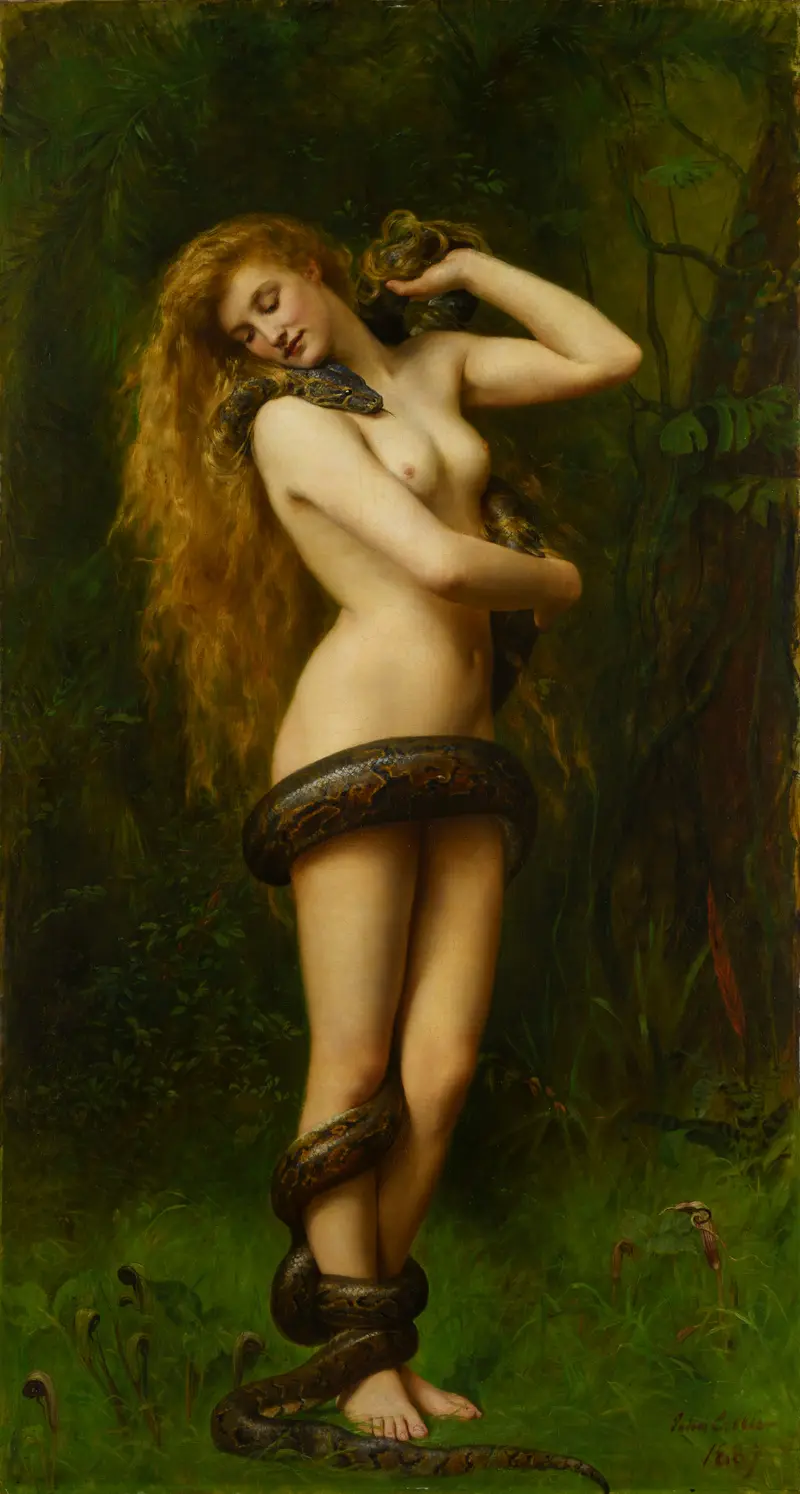
| Lilith | John Collier | 1887 | Oil on canvas | 194 × 104 cm (76.4 × 40.9 in) | Atkinson Art Gallery | Southport |
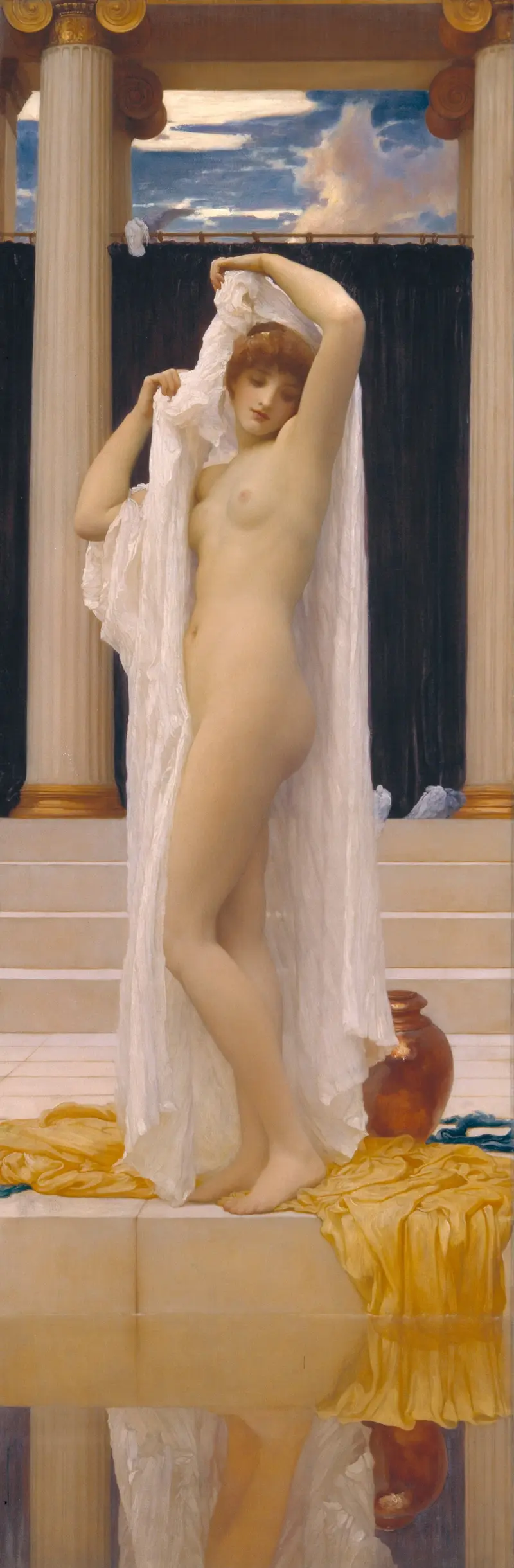
| The Bath of Psyche | Frederic Leighton | 1890 | Oil on canvas | 189.2 × 62.2 cm (74.5 × 24.5 in) | Tate Britain | London |
| Sappho and Alcaeus | Lawrence Alma-Tadema | 1881 | Oil on panel | 66 × 122 cm (26 × 48 in) | Walters Art Museum | Baltimore |
| Spring | Lawrence Alma-Tadema | 1894 | Oil on canvas | 178.4 × 80.3 cm (70.2 × 31.6 in) | J. Paul Getty Museum | Los Angeles |
| The Wyndham Sisters: Lady Elcho, Mrs. Adeane, and Mrs. Tennant | John Singer Sargent | 1899 | Oil on canvas | 292.1 × 213.7 cm (115 × 84.1 in) | Metropolitan Museum of Art | New York |
| The Monarch of the Glen | Edwin Landseer | c. 1851 | Oil on canvas | 163.8 × 168.9 cm (64.5 × 66.5 in) | Scottish National Gallery | Edinburgh |
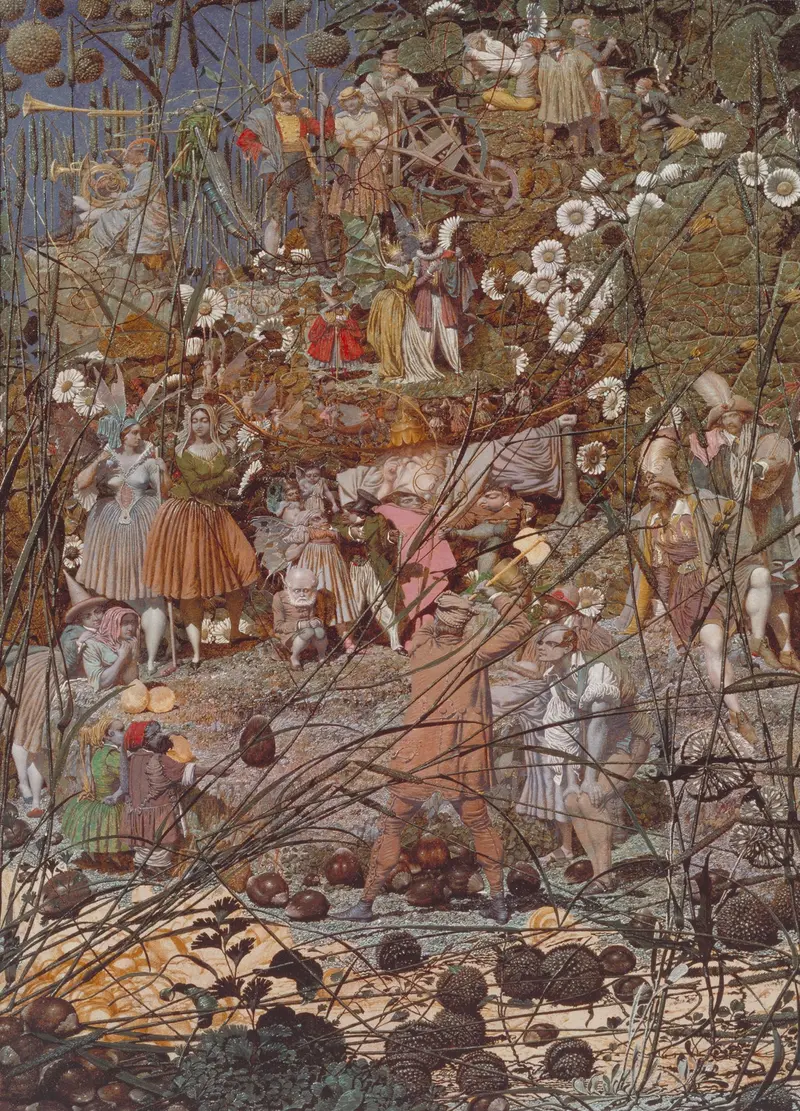
| The Fairy Feller's Master-Stroke | Richard Dadd | 1855–64 | Oil on canvas | 54 × 39.4 cm (21.3 × 15.5 in) | Tate Britain | London |
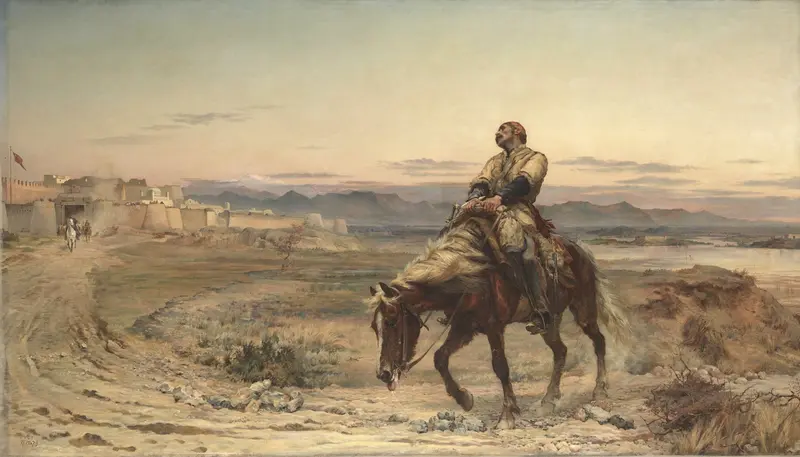
| Remnants of an Army | Elizabeth Thompson, Lady Butler | 1879 | Oil on canvas | 132.1 × 233.7 cm (52 × 92 in) | Tate Britain | London |
| A Distinguished Member of the Humane Society | Edwin Landseer | 1838 | Oil on canvas | 111.8 × 143.5 cm (44 × 56.5 in) | Tate Britain | London |
| Circe | John Collier | 1885 | Oil on canvas | 133 × 219 cm (52.4 × 86.2 in) | Private collection | |
| The Doctor | Luke Fildes | 1891 | Oil on canvas | 166.4 × 241.9 cm (65.5 × 95.2 in) | Tate Britain | London |
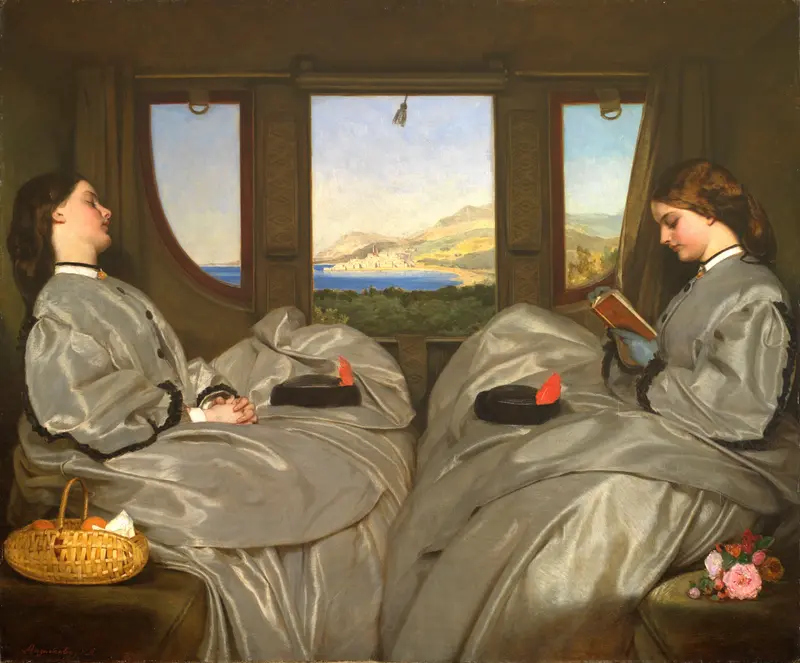
| The Travelling Companions | Augustus Egg | 1862 | Oil on canvas | 65.3 × 78.7 cm (25.7 × 31 in) | Birmingham Museum and Art Gallery | Birmingham |
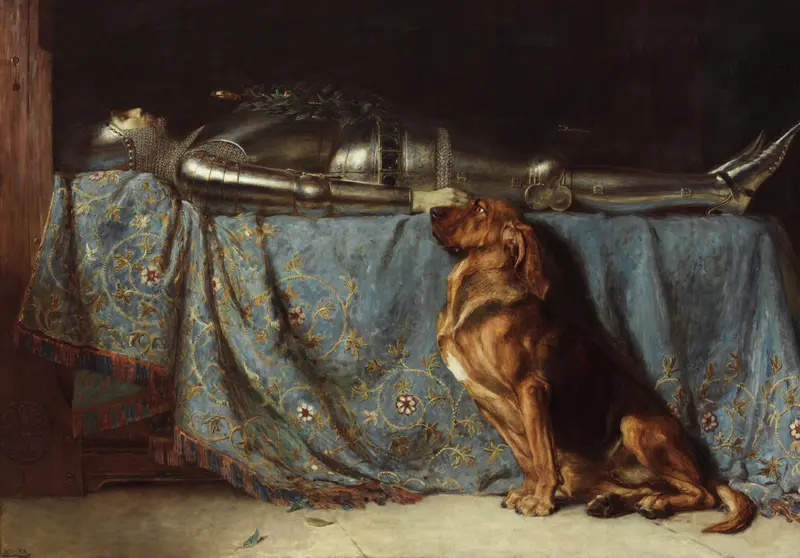
| Requiescat | Briton Rivière | 1888 | Oil on canvas | 158.7 × 225 cm (62.5 × 88.6 in) | Art Gallery of New South Wales | Sydney |
Victorian art: questions and answers
What does Victorian mean in art?
In art, Victorian means art made in Britain during the reign of Queen Victoria, from 1837 to 1901. It names a period rather than one style: the Getty's art vocabulary describes a varied range of classical and revival styles, in which Gothic forms were especially admired. In painting it runs from Landseer's animals and crowded scenes of modern life such as Frith's The Derby Day to the Pre-Raphaelites, the Aesthetic movement of Whistler and Albert Moore, and the ancient worlds of Leighton and Alma-Tadema.
Sources: Getty AAT: Victorian · Tate: William Powell Frith, The Derby Day · Tate: Pre-Raphaelite · Tate: Aesthetic movement
What are the characteristics of Victorian paintings?
Victorian paintings usually tell a story or celebrate beauty: scenes of everyday life, history and legend, animals, and idealized figures from ancient Greece and Rome, painted in close detail. Tate says genre painting, scenes of everyday life, became hugely popular in the Victorian age. Against that, the Pre-Raphaelites painted serious subjects with maximum realism from 1848, and the Aesthetic movement of the 1870s and 1880s put beauty ahead of story or moral. Many famous Victorian pictures were made for the annual exhibition of the Royal Academy in London.
Sources: Tate: Genre painting · Tate: Pre-Raphaelite · Tate: Aesthetic movement · Tate: William Powell Frith, The Derby Day
When was the Victorian era in art?
The Victorian era ran from 1837 to 1901, the years of Queen Victoria's reign, and the Getty dates Victorian style to exactly those years. The famous paintings on this page run from Landseer's A Distinguished Member of the Humane Society, shown in 1838, to Blair Leighton's God Speed of 1900. Many Victorian painters worked on into the new century, when the Edwardian period began: Godward and Blair Leighton both died in 1922.
Sources: Getty AAT: Victorian · Tate · Auckland Art Gallery Toi o Tāmaki (Google Arts & Culture)
Who are the most famous Victorian painters?
The best-known Victorian painters include Frederic Leighton, Lawrence Alma-Tadema, Edwin Landseer, George Frederic Watts, the American James McNeill Whistler, who worked in London, and the Pre-Raphaelites John Everett Millais and Dante Gabriel Rossetti. Landseer was Queen Victoria's favorite artist, the National Gallery in London says. Leighton became President of the Royal Academy in 1878, and Alma-Tadema, who moved to London in 1870, found a ready market for his scenes of ancient life. Later Victorians include Atkinson Grimshaw, John William Godward and Edmund Blair Leighton.
Sources: National Gallery, London: Landseer's The Monarch of the Glen (press release) · Walker Art Gallery, Liverpool (Google Arts & Culture) · Walters Art Museum (Google Arts & Culture) · Tate: George Frederic Watts, Hope · Tate: Pre-Raphaelite · Leeds City Council: Atkinson Grimshaw exhibition at Leeds Art Gallery
What are some famous Victorian paintings?
Famous Victorian paintings include Whistler's Arrangement in Grey and Black No. 1, known as Whistler's Mother, Leighton's Flaming June, Alma-Tadema's The Roses of Heliogabalus, Landseer's The Monarch of the Glen and Sargent's Carnation, Lily, Lily, Rose. Tate holds others: Frith's The Derby Day, so popular at the Royal Academy in 1858 that a barrier was put up to protect it, Watts's Hope, which was widely reproduced and hung in Victorian homes, and Fildes's The Doctor. Leighton House in London calls The Roses of Heliogabalus one of the most iconic images in Victorian art.
Sources: Tate: William Powell Frith, The Derby Day · Tate: George Frederic Watts, Hope · Tate: Luke Fildes, The Doctor · Leighton House, London: past exhibitions · National Gallery, London: Landseer's The Monarch of the Glen (press release)
Is Pre-Raphaelite art Victorian?
Yes. The Pre-Raphaelite Brotherhood was a group within Victorian art, not a separate period. Tate describes it as a secret society of young artists founded in London in 1848, led by William Holman Hunt, John Everett Millais and Dante Gabriel Rossetti, who rebelled against the Royal Academy and against the popular genre painting of the day. A second phase from about 1860, inspired by Rossetti, contributed to Symbolism. Their paintings have their own page, Pre-Raphaelite art; this page covers the rest of Victorian art.
Sources: Tate: Pre-Raphaelite
What was the Aesthetic movement?
The Aesthetic movement was a late Victorian movement that championed pure beauty and “art for art's sake” over moral or narrative content. Tate says it flourished in Britain in the 1870s and 1880s, in painting above all in the work of Whistler, Albert Moore and some pictures by Frederic Leighton, with Japanese art as an important influence. The Getty's art vocabulary describes it as a British and American movement in fine and decorative art and architecture.
Sources: Tate: Aesthetic movement · Getty AAT: Aesthetic Movement
What is Victorian fairy painting?
Victorian fairy painting is art showing fairies and other supernatural subjects, drawn from myth, legend and above all Shakespeare's A Midsummer Night's Dream. Tate calls the fascination with fairies a phenomenon of the Victorian age: Richard Dadd painted keynote pictures, John Anster Fitzgerald was the most consistent and compelling fairy painter, and Richard Doyle drew notable fairy illustrations. Dadd worked on The Fairy Feller's Master-Stroke for six to nine years while he was a patient at Bethlem Hospital. The genre's final flowering was Arthur Rackham's illustrated books of about 1900–14.
Sources: Tate: Fairy painting · Tate: Richard Dadd, The Fairy Feller's Master-Stroke
Why are there so many Victorian paintings of dogs and cats?
Animal pictures were hugely popular in Victorian Britain, and Edwin Landseer led the way. The National Gallery in London says Landseer was Queen Victoria's favorite artist, best known for horses, dogs and stags, and that prints of his paintings hung in homes across the globe. Briton Rivière, whose Requiescat shows a hound mourning his master, gave animals semi-human virtues such as devotion, the Art Gallery of New South Wales says. Cats followed: from the 1880s to the First World War, Louis Wain's cats appeared in vast numbers of prints, books, magazines and postcards, says the Bethlem Museum of the Mind.
Sources: National Gallery, London: Landseer's The Monarch of the Glen (press release) · Art Gallery of New South Wales (Google Arts & Culture) · Bethlem Museum of the Mind: Louis Wain · Tate
What is the difference between Victorian art and Art Nouveau?
Victorian art is a period, British art of 1837–1901 in many styles; Art Nouveau is a single international style of architecture and design that emerged in the 1890s, with sinuous lines and flowing shapes based on plants. Tate says Art Nouveau ran parallel to Symbolism in fine art and reached a wide audience at the Paris Exposition Universelle of 1900; in Britain its book designers included Aubrey Beardsley. The two meet at the end of the reign: Liberty's store in London, which sold Aesthetic designs from 1875, later popularized Art Nouveau.
Sources: Tate: Art nouveau · Tate: Aesthetic movement · Getty AAT: Victorian
What is Victorian Gothic art?
In art history, Victorian Gothic means the revival of medieval Gothic forms in Victorian Britain, above all in architecture and design. The Getty's art vocabulary says Gothic forms and motifs, seen as morally and aesthetically superior, dominated the period's many styles. In painting it shows in medieval subjects, such as Blair Leighton's knights and ladies, which Auckland Art Gallery links to the Arthurian Revival. For the night side of the period, Atkinson Grimshaw painted moonlit docks and gaslit streets that he called “moonlights.”
Sources: Getty AAT: Victorian · Auckland Art Gallery Toi o Tāmaki (Google Arts & Culture) · Leeds City Council: Atkinson Grimshaw exhibition at Leeds Art Gallery
Where can you see famous Victorian paintings?
Tate Britain in London has more of the famous paintings on this page than anywhere else: Carnation, Lily, Lily, Rose, The Lament for Icarus, The Bath of Psyche, The Fairy Feller's Master-Stroke, Remnants of an Army and The Doctor, as well as Whistler's Thames nocturnes. The Scottish National Gallery in Edinburgh shows The Monarch of the Glen and Lady Agnew of Lochnaw, and Coventry's Herbert has Collier's Godiva. Abroad, Flaming June is in Ponce, Puerto Rico, Whistler's Mother in the Musée d'Orsay in Paris, Spring in the Getty in Los Angeles, and Cymon and Iphigenia and Requiescat in Sydney.
Sources: Tate · Tate · Tate · Tate · Tate · Tate · Tate · National Galleries of Scotland (Google Arts & Culture) · Museo de Arte de Ponce · Musée d'Orsay (Google Arts & Culture) · J. Paul Getty Museum (Google Arts & Culture) · Art Gallery of New South Wales (Google Arts & Culture)
Is Victorian art in the public domain, and can I download it free?
Yes. Every painter on this page died by 1934, so their paintings are in the public domain in the United States and in countries where copyright ends 70 years after the artist's death. You can download them free and use them for anything, including commercial projects. A few countries have their own rules on photographs of artworks, so check them if you publish outside the U.S.
Sources: Cornell University Library: Copyright Term and the Public Domain
How we chose the famous paintings
The famous paintings on this page are the Victorian paintings known most widely around the world, measured by the number of languages that have an encyclopedia entry about each one, checked in November 2026. We count paintings made in Britain, or by artists working there, during Queen Victoria's reign from 1837 to 1901. That is why the Americans Whistler and Sargent, who lived in London, are here, and why later pictures by Victorian painters, such as Blair Leighton's Stitching the Standard of 1911, are not. No painter has more than three, which is why more of Whistler's nocturnes and Leighton's myths appear in the rows further down.
The Pre-Raphaelite Brotherhood and its circle, from Millais and Rossetti to Burne-Jones and Waterhouse, have their own page, and George Frederic Watts's Hope and After the Deluge are on our Symbolism page. Lady Butler's Scotland Forever! and Frith's The Derby Day are famous in Britain but have fewer encyclopedia entries, so they fall just outside the list.
Dates, sizes and locations come from the museums' own records and from Wikidata.
Spotted a mistake? Tell us and we will correct it.