
Still-life: Tea and Melted Bread — History & Facts
A hush of anticipation fills the table: a gleaming teapot, a cup poised for pouring, and a small mountain of golden pastries, each detail rendered with a devotion that slows the viewer’s gaze. The crisp white cloth, with its careful folds, sets the stage for a ritual both ordinary and quietly ceremonial. Light glances off the polished metal and glass, drawing the eye from the sugared peaks of the bread to the deep blue of the jug, and finally to the waiting cup — empty, but full of promise.
This is a still-life that invites you to pause, to imagine the warmth of tea and the comfort of a simple treat, each object chosen and arranged to heighten the sense of expectation. Painted in 1873 by Albert Anker, this work belongs to a tradition of still-life painting that flourished in nineteenth-century Europe, where artists found poetry in the everyday. Such scenes were often commissioned or collected by the rising middle class, eager to display both refinement and a taste for domestic pleasures. The precise, almost meditative attention to surface and light reflects the era’s fascination with realism and the quiet dignity of home life.
Though little is recorded about this specific painting beyond its recent appearance at auction in Bern, its careful balance and clarity speak to a world where the rituals of tea were both a comfort and a mark of civility. Return to the painting, and notice how each reflection and shadow seems to hold a story of its own.
More Artworks by Albert Anker

Portrait Of A Girl
Albert Anker
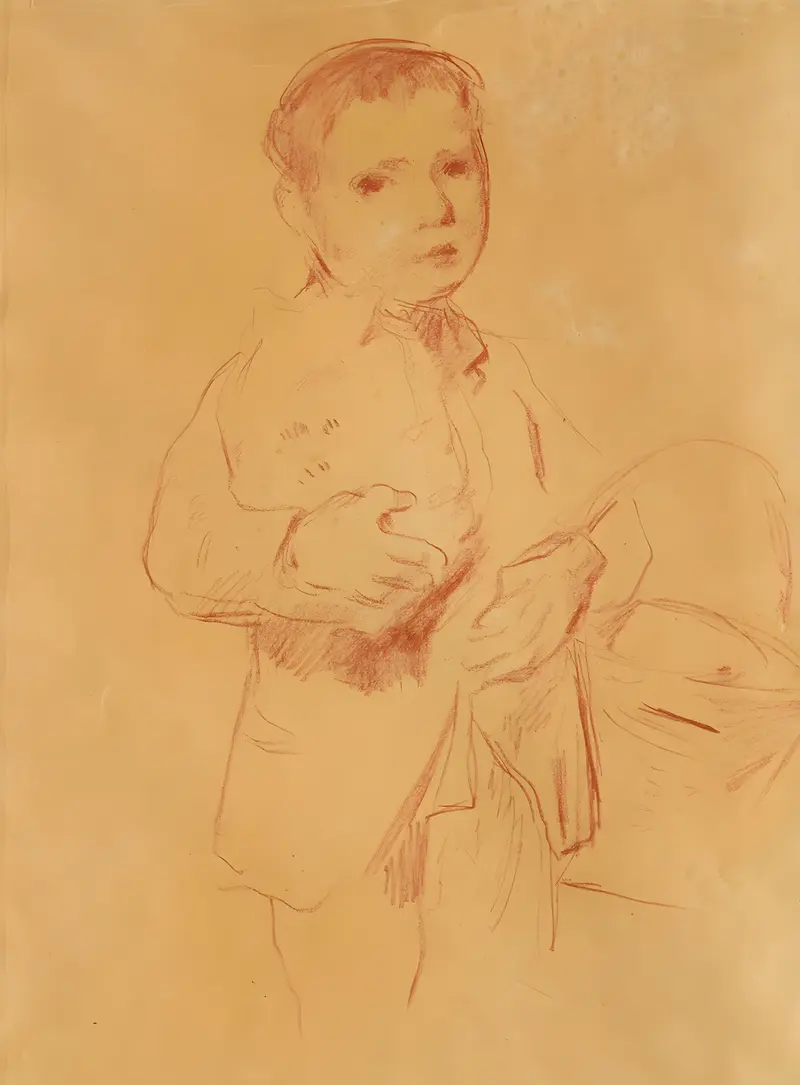
Boy with a basket
Albert Anker
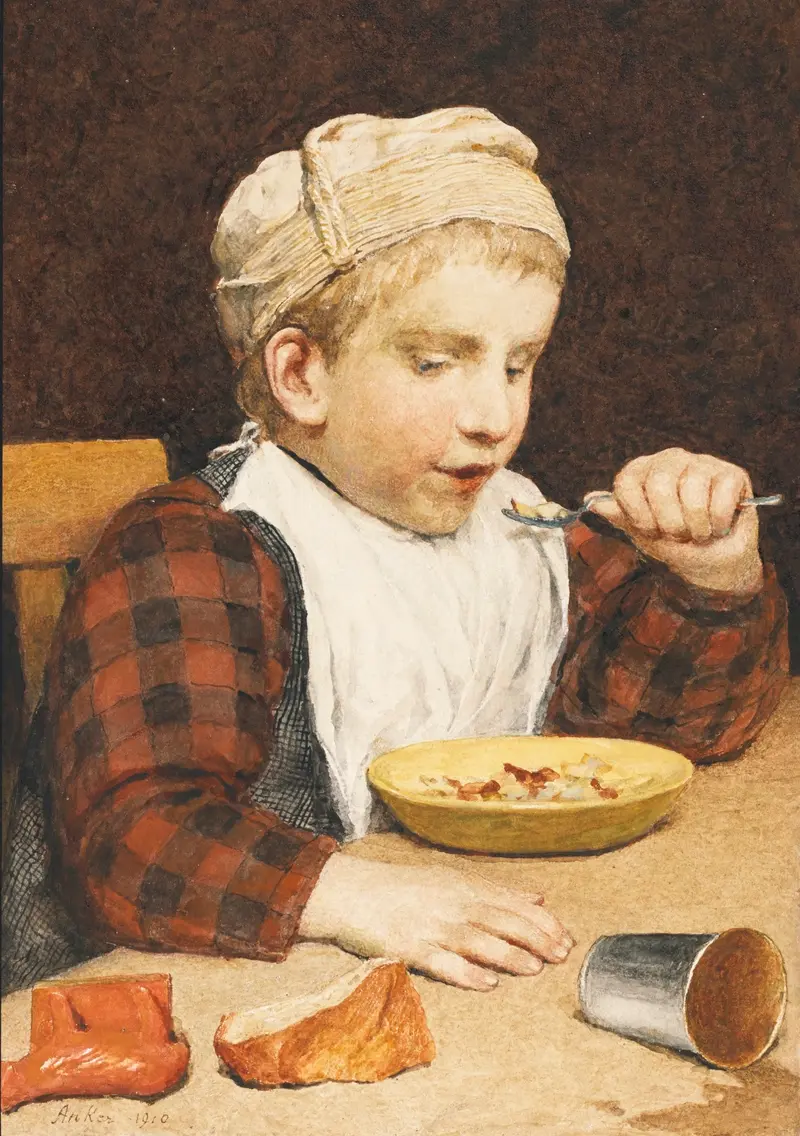
Knabe Mit Mütze Beim Essen
Albert Anker
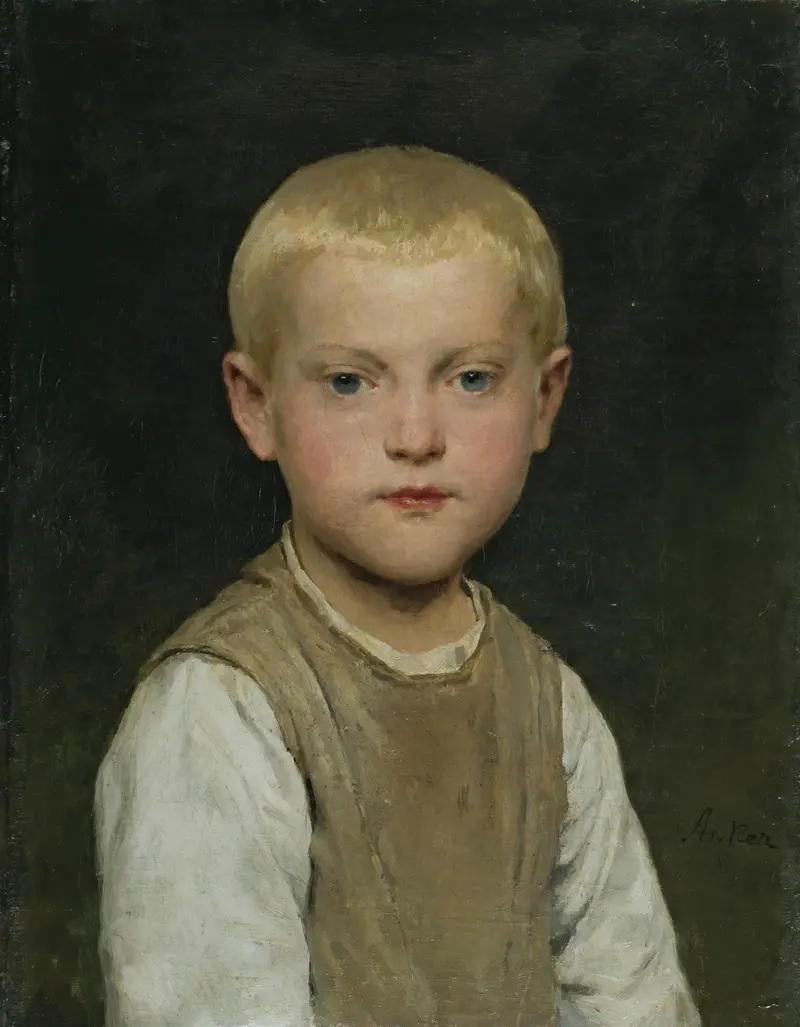
Knabenbildnis (Dr Heiri)
Albert Anker
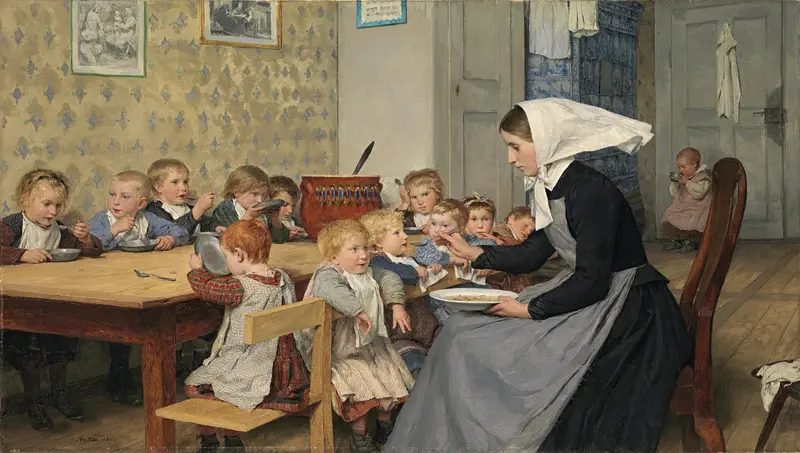
Die Kinderkrippe I
Albert Anker

L’instituteur et le pasteur
Albert Anker
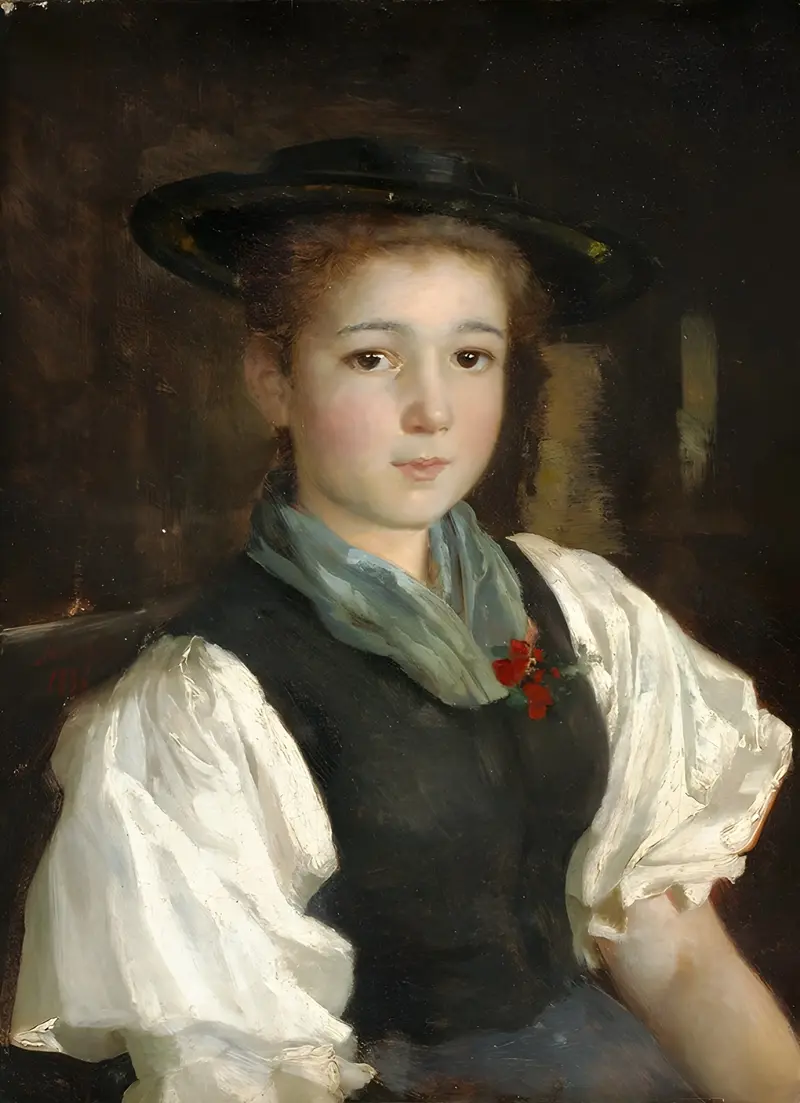
Bauernmädchen (Farm Girl)
Albert Anker
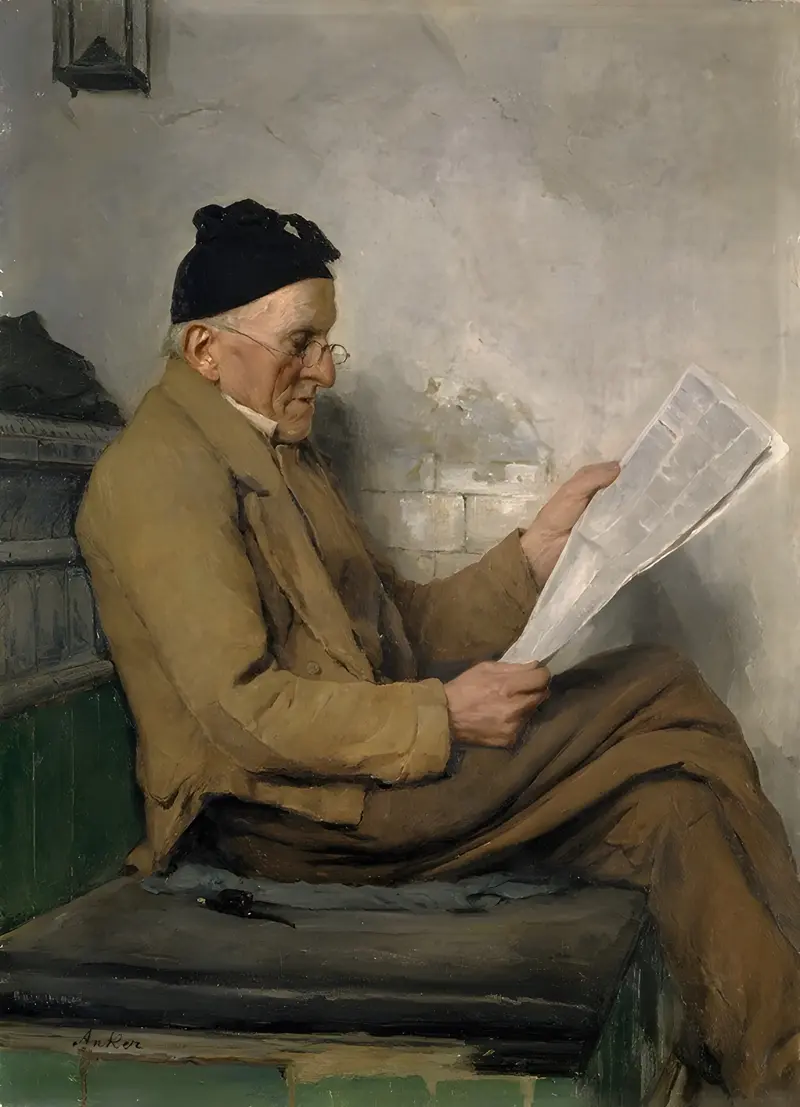
Farmer Reading on the Stove Bench
Albert Anker
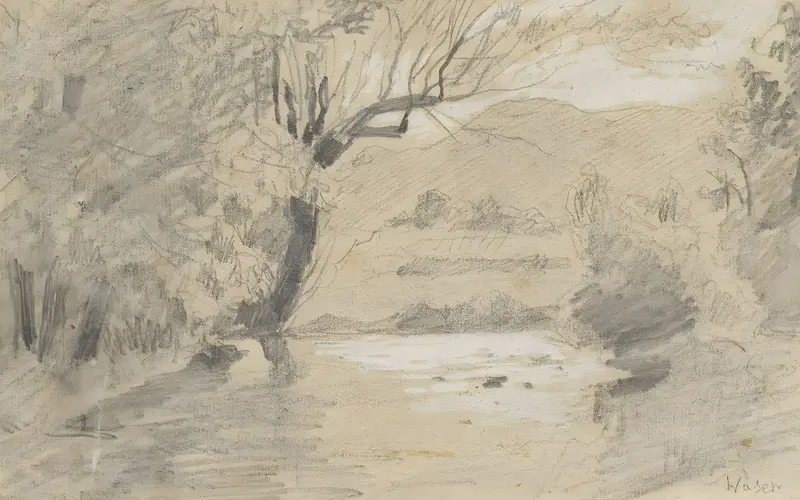
Flusslandschaft in Wasen (Emmental)
Albert Anker
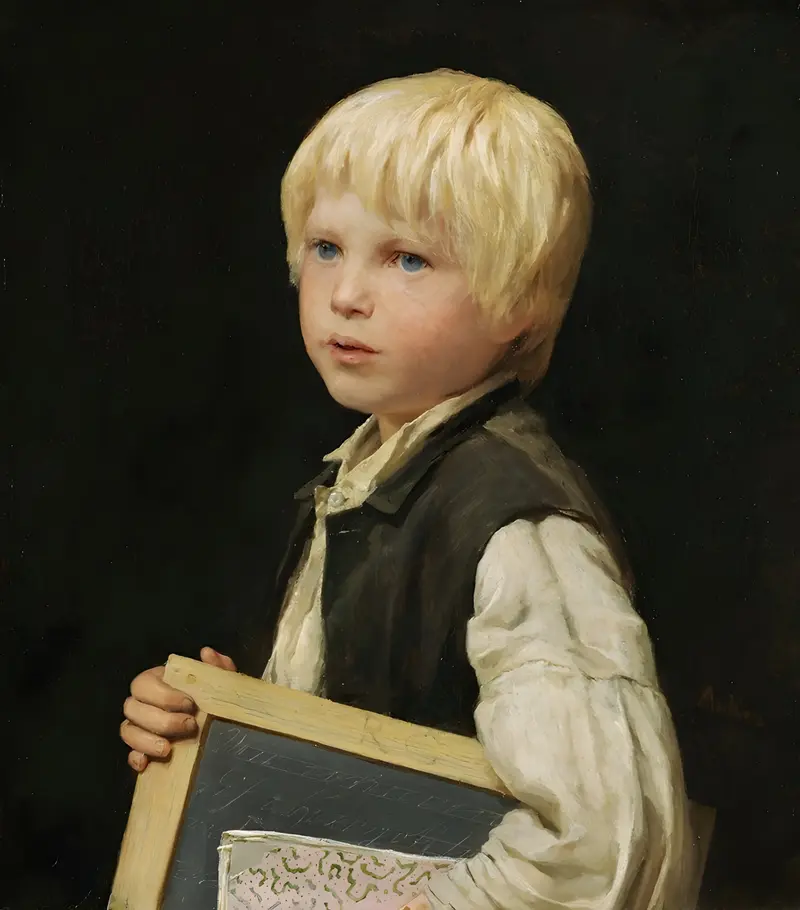
School Boy
Albert Anker





