Still Life with Eggs and a Leg of Mutton — History & Facts
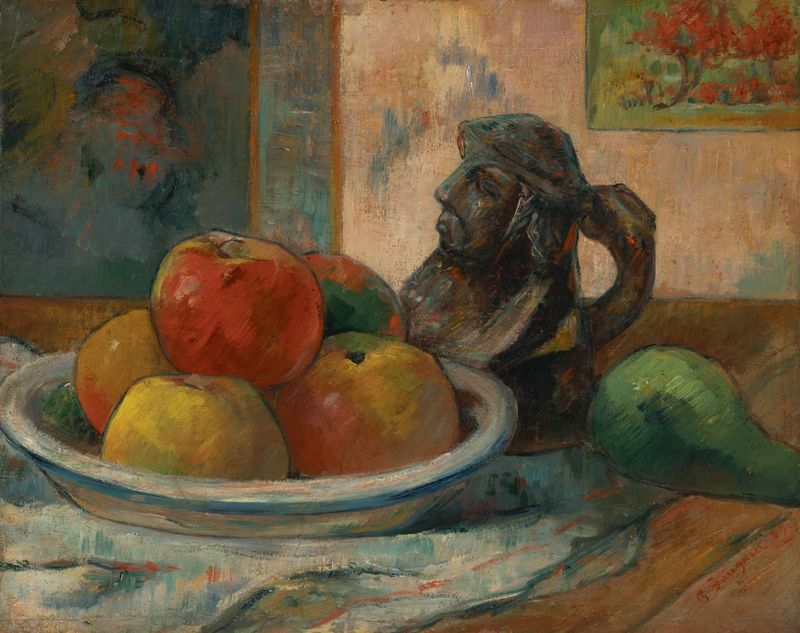
When did color learn to lie? The deceptive allure of vibrancy often masks a deeper chaos, a silent struggle beneath the surface. In the world of still life, every hue tells a story, every shadow whispers of uncertainty. Look to the center, where a leg of mutton rests confidently, its rich reds and browns drawing the eye with their sumptuous depth. Notice how the eggs, delicate and pale, seem almost to orbit around it, a contrast that speaks to fragility against the boldness of life and sustenance.
The painter's brushwork captures the sheen of the meat against the matte surface of the eggs, creating a visual tension that compels closer inspection. The interplay of light adds dimension, casting shadows that dance on the table, suggesting movement even in stillness. The mutton holds not just a place of honor but also hints at the paradox of abundance and decay. The careful arrangement of objects suggests a harmony, yet the unevenness of their positioning reveals an underlying chaos, reflecting the unpredictability of life itself.
Each detail—the imperfectness of the eggs, the way the light hits the surfaces—invites the viewer to ponder the fragile balance between order and disorder. Created between 1780 and 1790, this piece emerges from a time when the French art scene was evolving, embracing new techniques and thematic explorations. The artist, part of a broader movement away from the strictures of classicism, sought to capture the essence of everyday objects with a realism that resonated with the shifting social landscape of the period. This painting not only reflects personal artistic exploration but also encapsulates the era's complexities, where chaos and beauty coexisted in stillness.
More Artworks by French School
Browse all →
Architectural Landscape with Belisarius Receiving Alms
French School
Paysage
French School

The Ponte Salario with Laundresses
French School

The Carousal (Scene from Faust?)
French School

The Cave Of Neptune At Tivoli
French School

Portrait of a Lady
French School

A river landscape with figures by ruins
French School
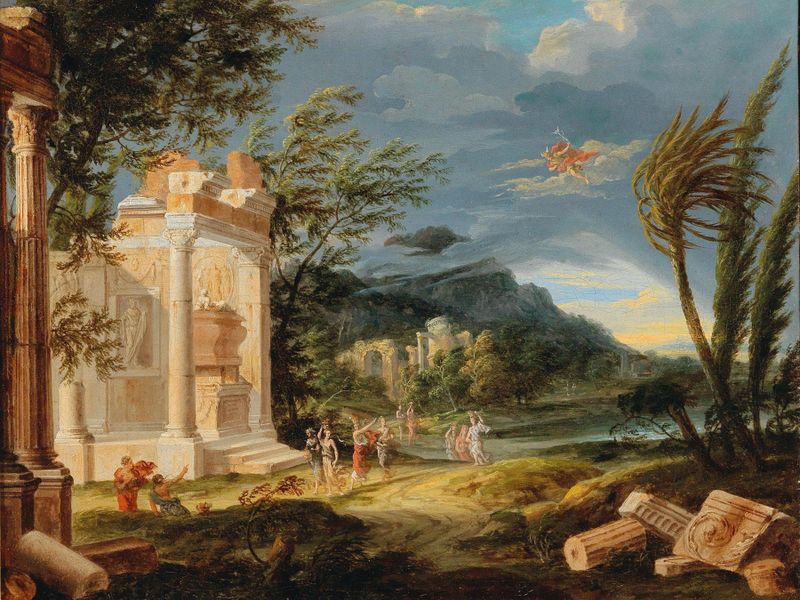
Stormy Landscape with figures and Hermes
French School

Portrait of an Artist
French School
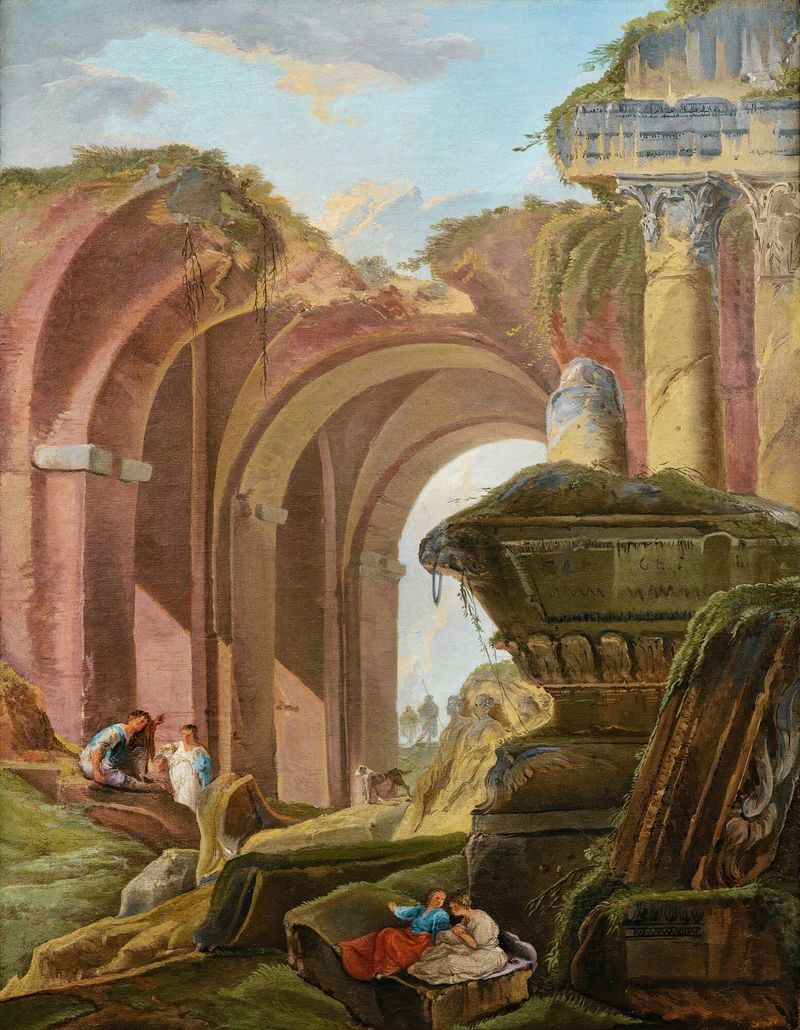
Roman Capriccio
French School