
The Carousal (Scene from Faust?) — History & Facts
In the swirling chaos of existence, the dance of life often masks the shadows lurking beneath. Behind the festive masks and vibrant colors lies a raw, unsettling truth of violence simmering just out of sight. Focus first on the carousel, its intricate details drawing you in with a whirl of color and movement. The figures, adorned in rich fabrics, seem to leap from the canvas, inviting the viewer to join their revelry.
Notice how the tension is masterfully conveyed through sharp contrasts: the bright, jubilant colors of the riders clash with the subtle darkness in the expressions of the onlookers, hinting at the violence that subtly taints this joyous scene. The dynamic composition creates a sense of spinning motion, as if the viewer is caught within the very carousel, experiencing both euphoria and dread. Peering closer, one discerns the subtle gestures—an anxious hand clutching a dress, a smile that flickers uncertainly. These details unveil the emotional dichotomy inherent in celebration; joy and violence coexist in the shadows, suggesting an underlying narrative of turmoil hidden beneath the surface of gaiety.
The vibrant hues may enchant the eye, but the unease in the atmosphere compels the heart to pause and reflect on the fragility of such moments. Created in the midst of the 19th century, this piece emerges from a time of upheaval in French society, where the specters of war and political strife haunted daily life. The artist, part of a broader movement exploring romanticism and realism, sought to encapsulate not just the beauty of a moment, but the underlying tensions that define human experience. In this work, the carousel spins on, forever balancing on the edge of joy and violence.
More Artworks by French School
Browse all →
Architectural Landscape with Belisarius Receiving Alms
French School
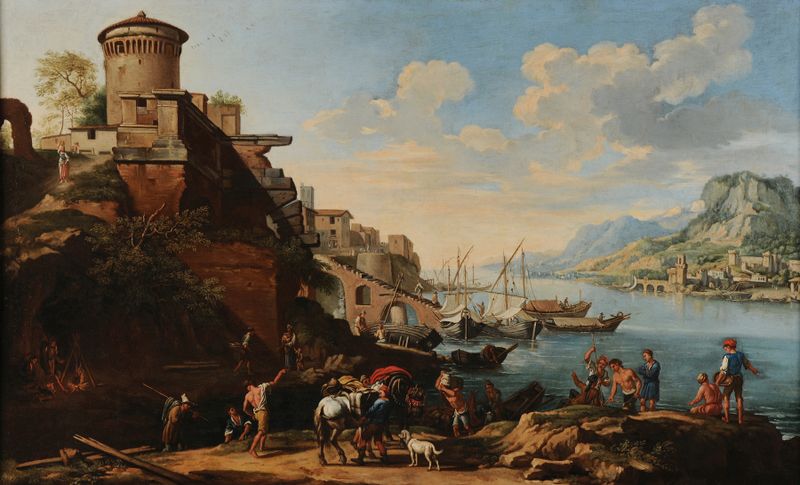
Paysage
French School

The Ponte Salario with Laundresses
French School

Still Life with Eggs and a Leg of Mutton
French School

The Cave Of Neptune At Tivoli
French School

Portrait of a Lady
French School

A river landscape with figures by ruins
French School
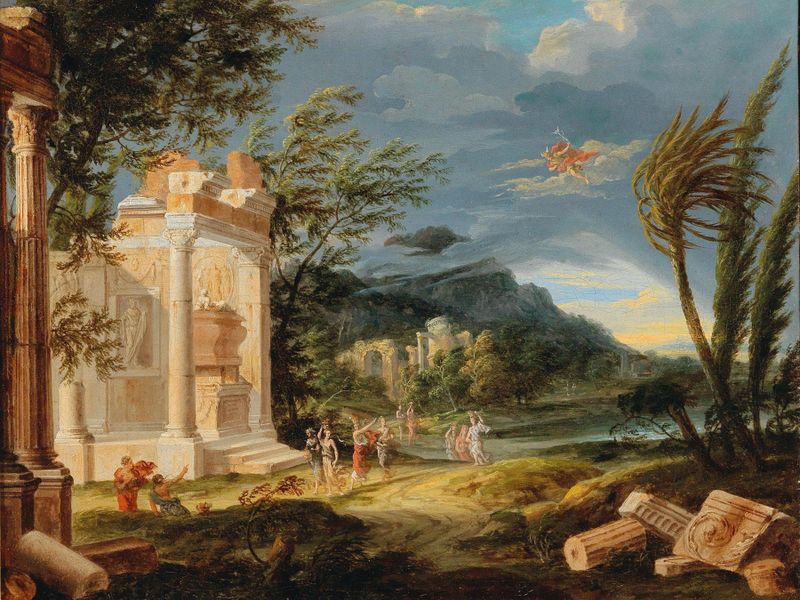
Stormy Landscape with figures and Hermes
French School

Portrait of an Artist
French School
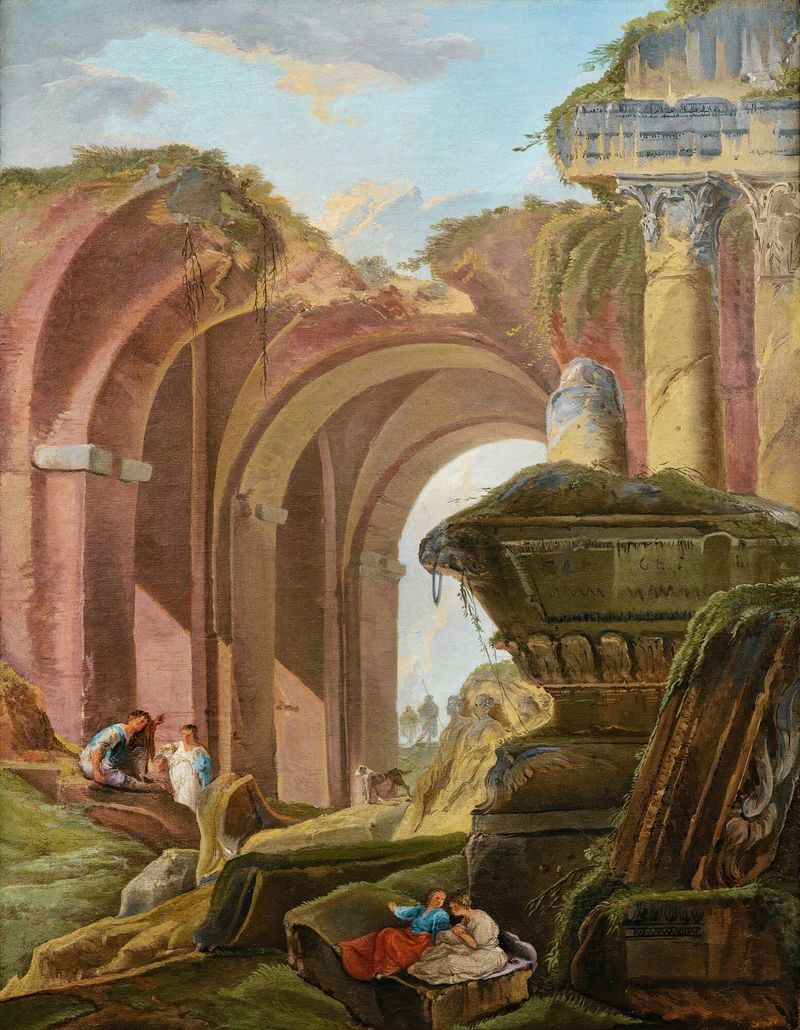
Roman Capriccio
French School





