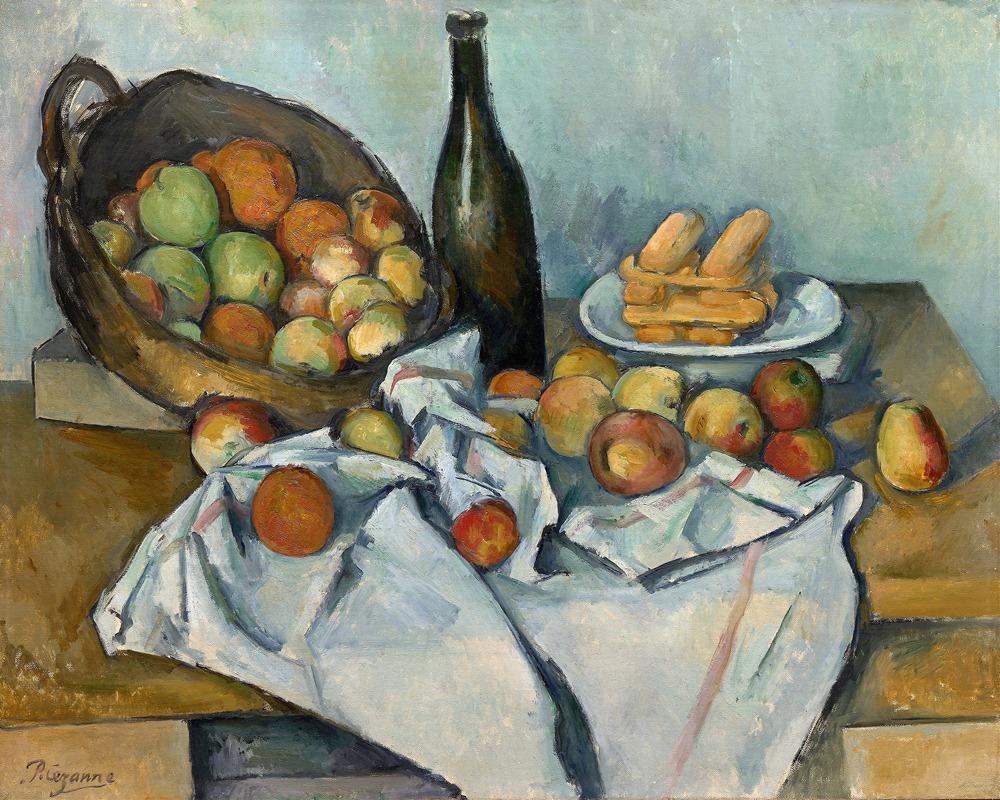
Discover insights about this artwork
Stillleben — History & Facts
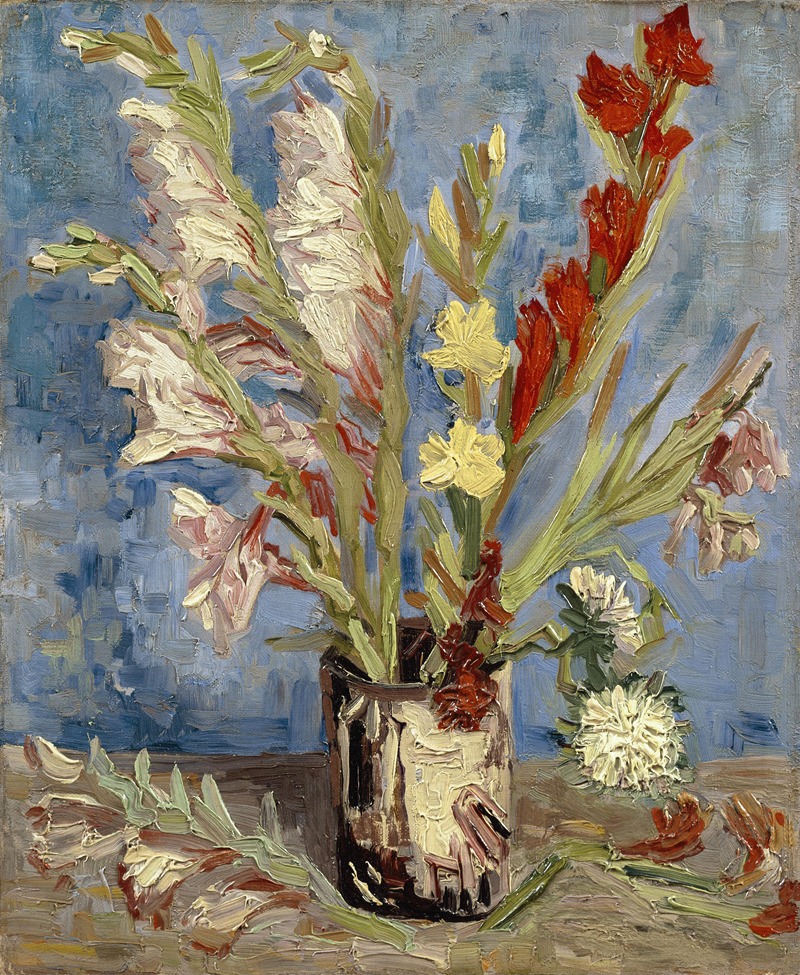
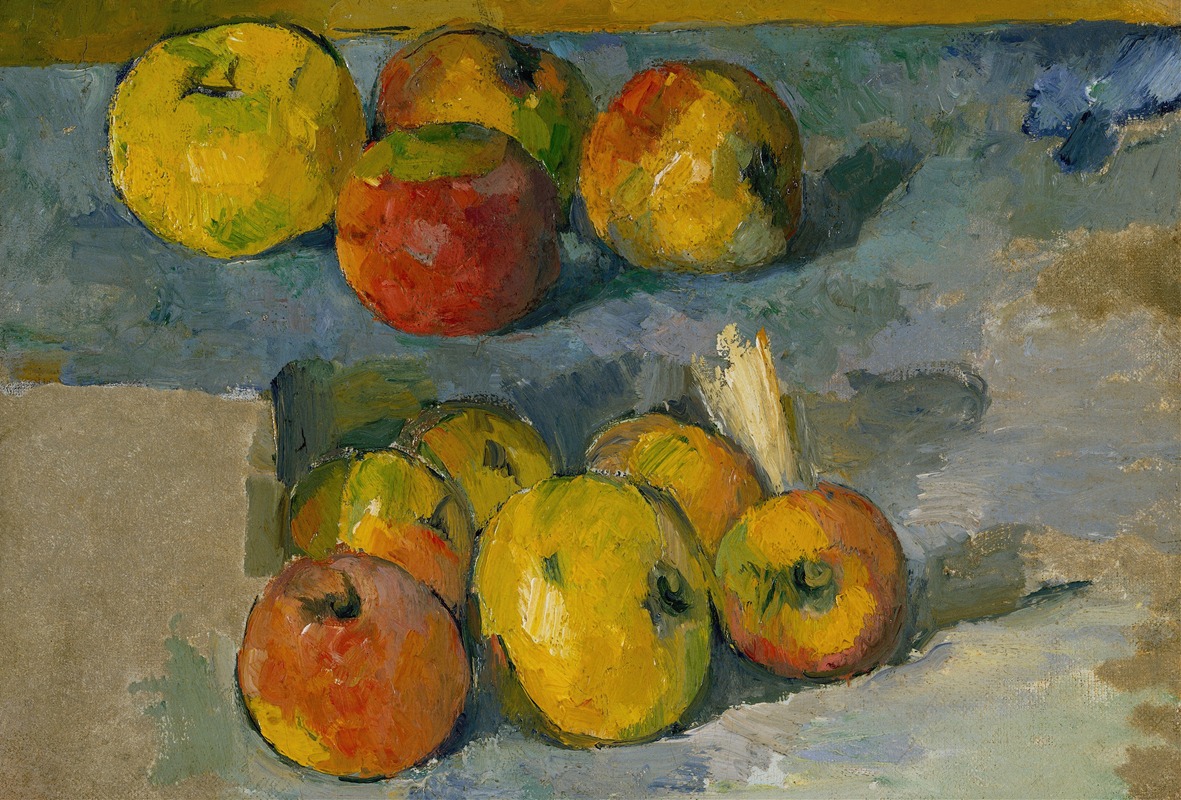
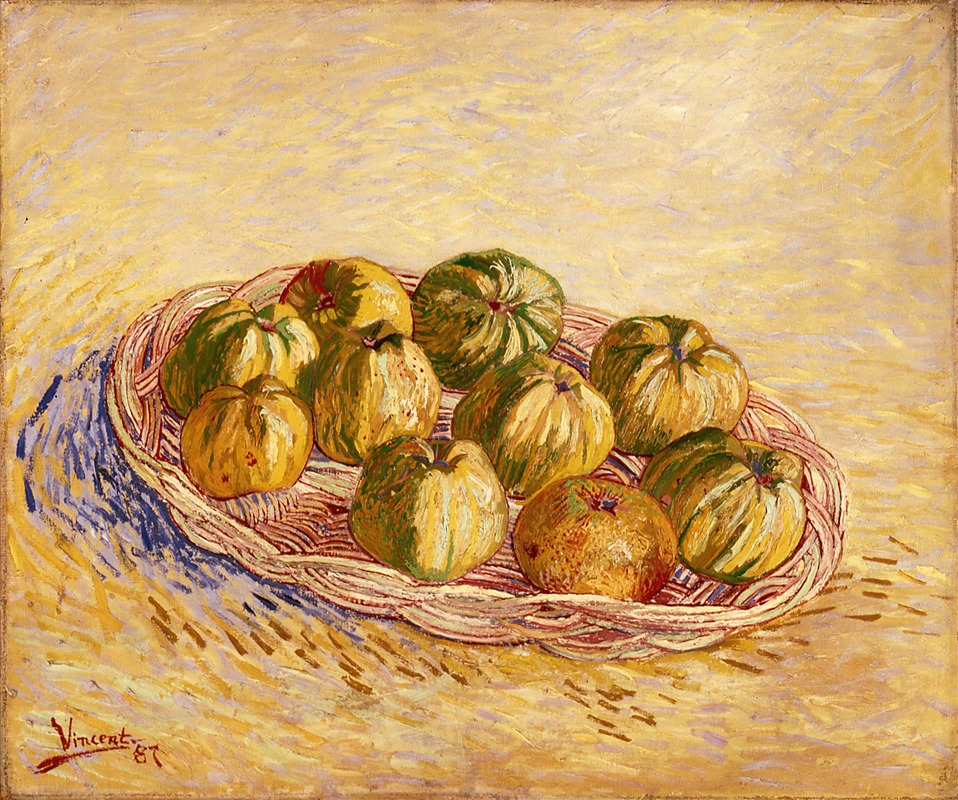
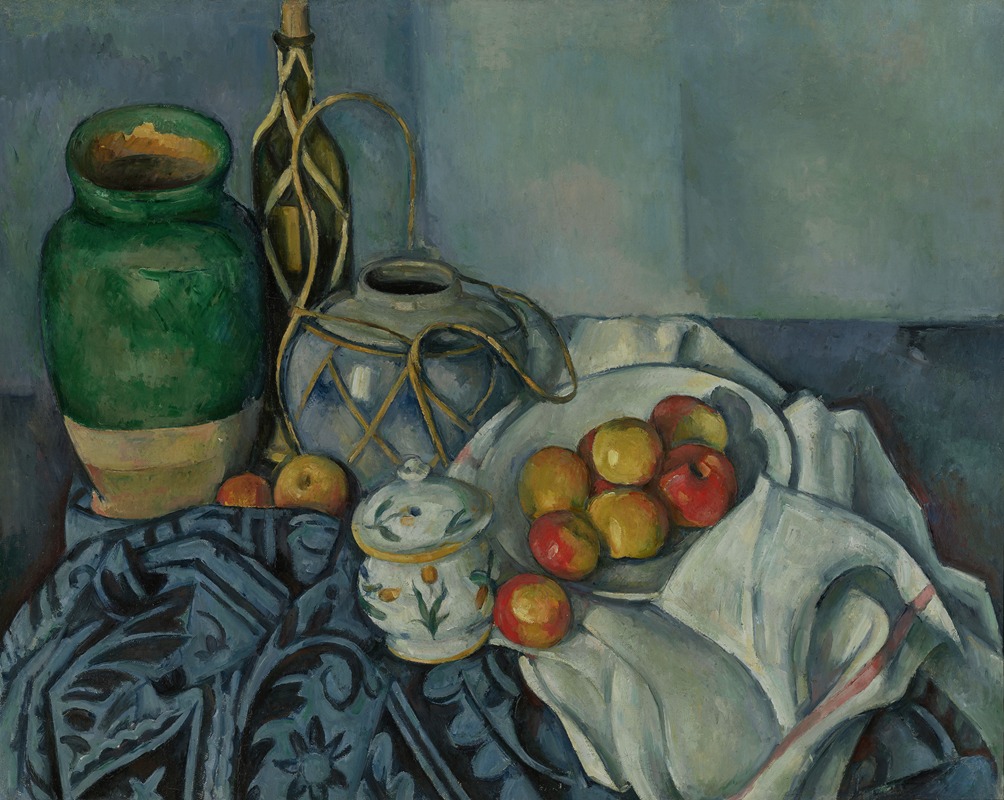
In Stillleben, Carl Moll presents a vibrant arrangement of fruits and flowers. The colors are rich and varied, with deep reds, bright yellows, and lush greens dominating the canvas. The setting is intimate, inviting the viewer to appreciate the beauty of the still life.
The light plays delicately across the surfaces, enhancing the textures of the objects depicted. The painting is executed in oil on canvas, showcasing Moll's skillful brushwork and attention to detail. The composition is carefully arranged, with a balance between the elements that creates a sense of harmony. The use of color is particularly striking, as Moll employs a palette that emphasizes the freshness of the subjects.
Viewers can appreciate the layering of paint that adds depth to the work. Carl Moll was part of the Vienna Secession movement, which sought to break away from traditional art forms. This work, created around the early 1900s, reflects the influence of Post-Impressionism, with its focus on color and light. An interesting fact about Stillleben is that it captures the essence of everyday life, elevating ordinary objects to the status of fine art.
Moll's approach to still life was innovative for his time, making this piece a significant example of his artistic vision.
More Artworks by Carl Moll
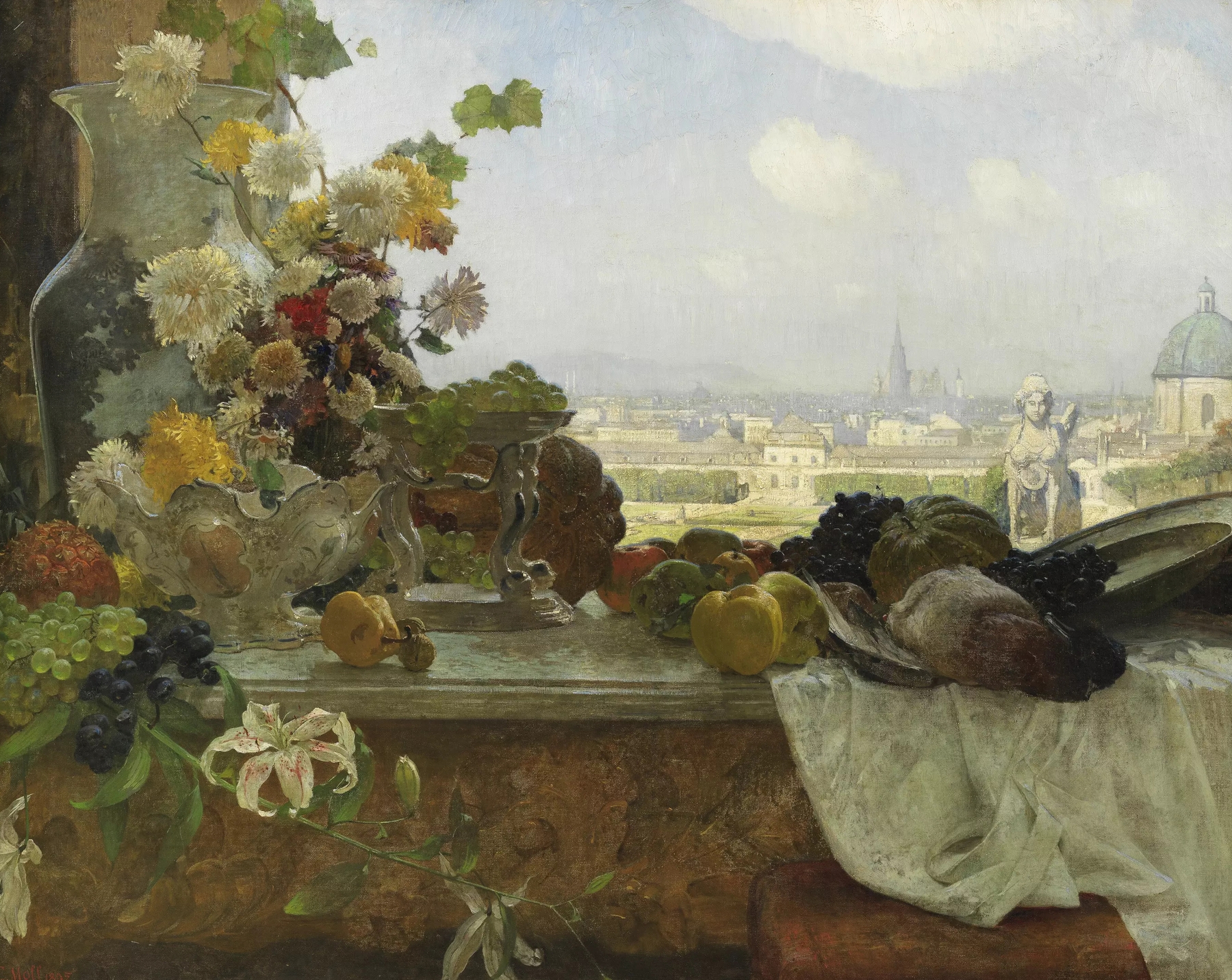
Blick vom Belvedere auf die Innere Stadt
Carl Moll

Salon im Haus auf der Hohen Warte
Carl Moll

Ver Sacrum 1903 15 263 Altwiener Gartenhaus in Döbling
Carl Moll
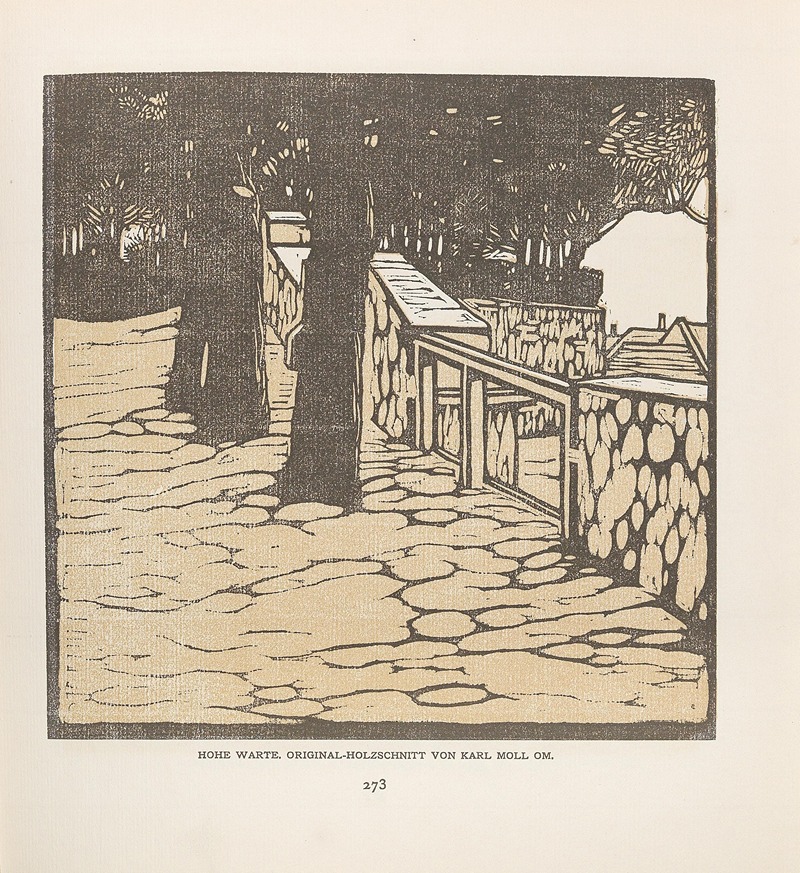
Ver Sacrum 1903 15 273 Hohe Warte
Carl Moll

Landing stage at Heustadlwasser (Prater, Vienna)
Carl Moll

Landschaftsbild (Wien XIX., Hohe Warte)
Carl Moll
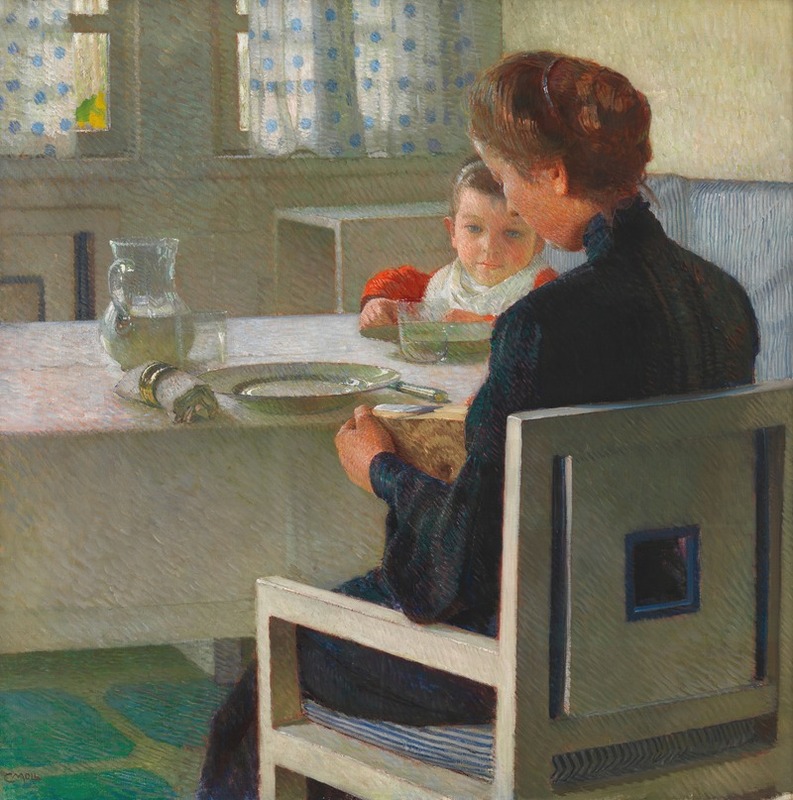
Mutter und Kind bei Tisch (Beim Frühstück)
Carl Moll
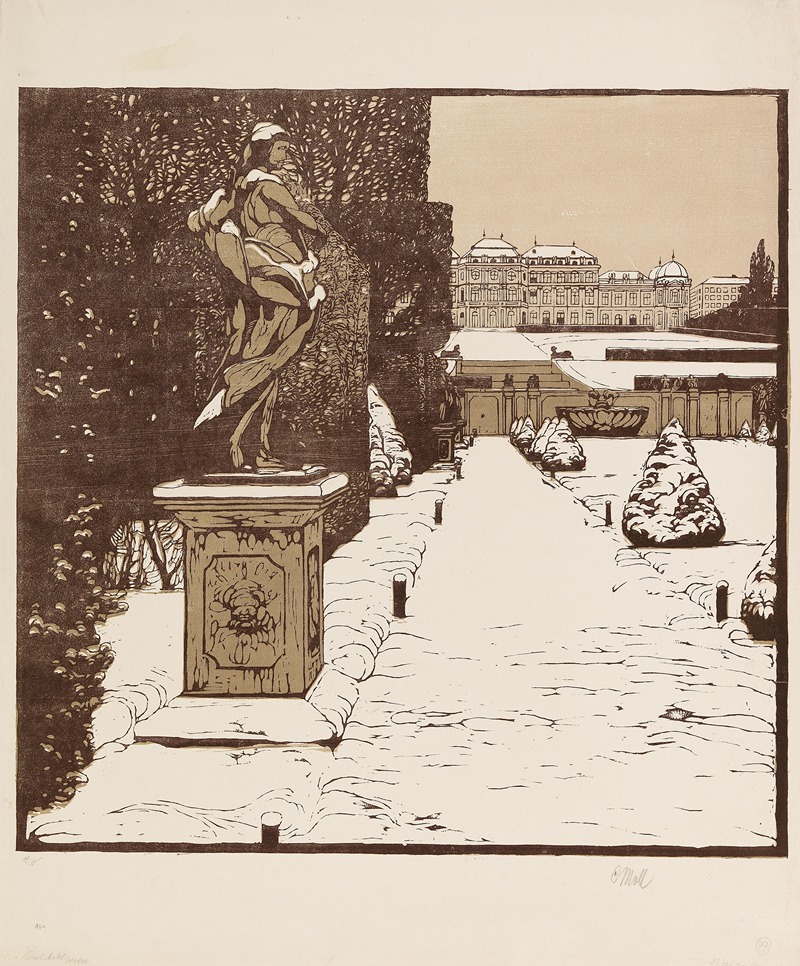
Belvederegarten im Winter
Carl Moll
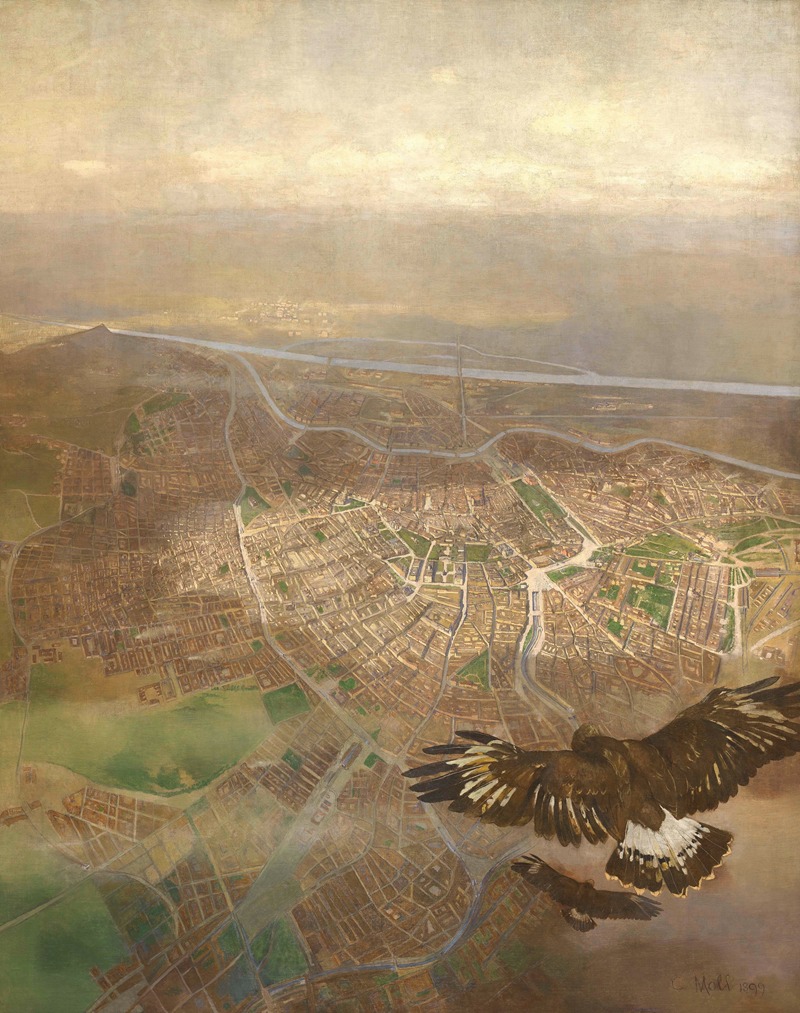
Blick auf Wien aus der Ballonhöhe von 3000m über der Schönbrunner Gloriette
Carl Moll
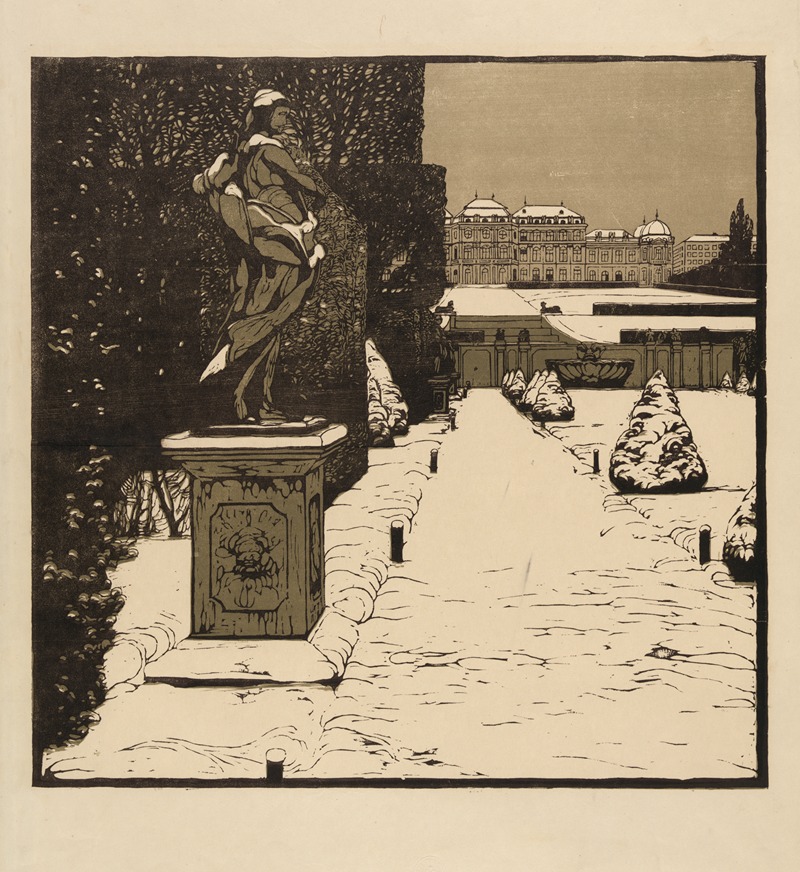
Belvedere
Carl Moll