
Stodderkongen — History & Facts
What if silence could speak through light? The tension between peace and violence lingers in the air, waiting to be released. Look to the foreground, where a solitary figure stands firm in the tumultuous landscape. The rough strokes and muted colors draw the viewer’s attention to the figure’s tense posture, conveying an unspoken struggle against the chaotic backdrop. Notice how the light fractures in the sky, casting jagged shadows that creep up from the ground, mirroring the internal conflict of the subject.
This interplay of light and form encapsulates a delicate balance between serenity and turmoil, inviting the viewer into a moment suspended in time. As you gaze deeper, the rawness of the brushwork hints at a historical narrative layered beneath the surface. The stark contrast between earthy tones and the ominous sky evokes a sense of foreboding, suggesting that violence is not merely a backdrop but a latent force impinging upon the figure’s existence. The looming shadows stretch like fingers, reaching out to claim what remains unspoken, while the figure’s stillness stands as a poignant remark against impending chaos.
This duality raises questions about the fragility of peace and the ever-present threat of disruption. Hans Smidth created this work during a period marked by significant social and political upheaval. Between the 19th and early 20th centuries, Europe was grappling with rapid industrialization and the ramifications of conflict. Smidth's exploration of these themes reflects his own experiences of instability and change, as he sought to capture the essence of human emotion amid an evolving world.
More Artworks by Hans Smidth
Browse all →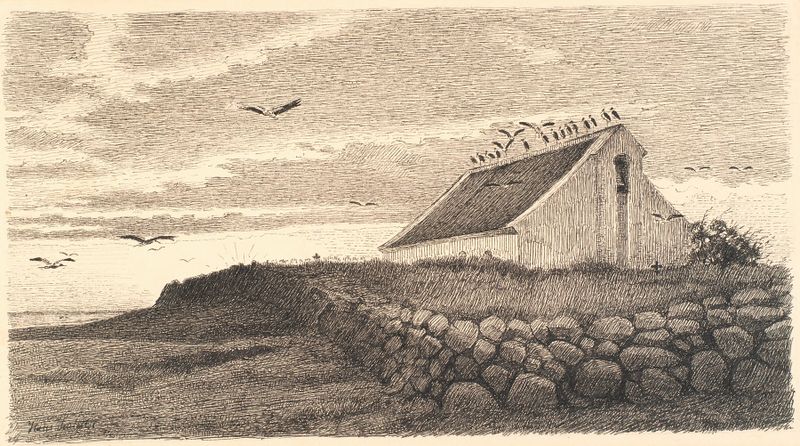
Motiv fra Karup. Storkene samler sig til rejsen. Solnedgangstid
Hans Smidth
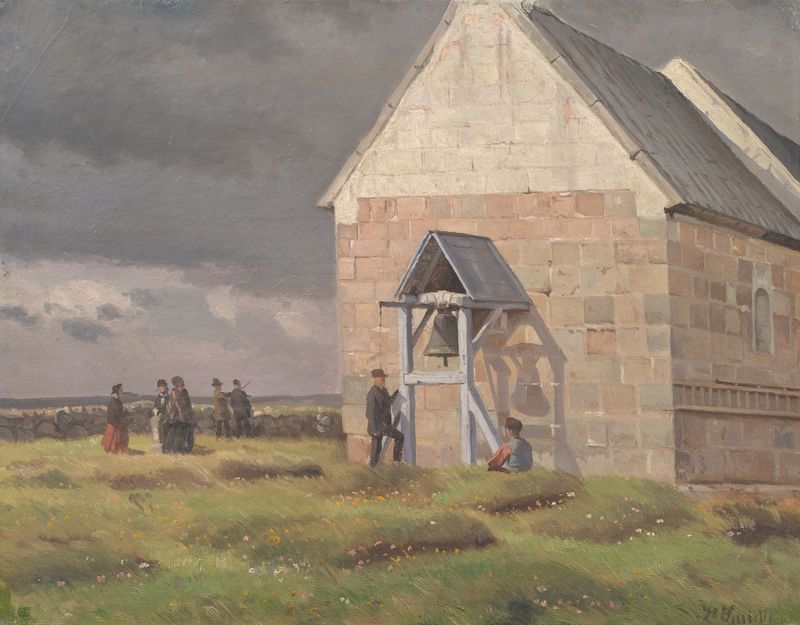
A Storm Brewing behind Nørre Vium Church, Jutland
Hans Smidth

En færge over Gudenåen
Hans Smidth
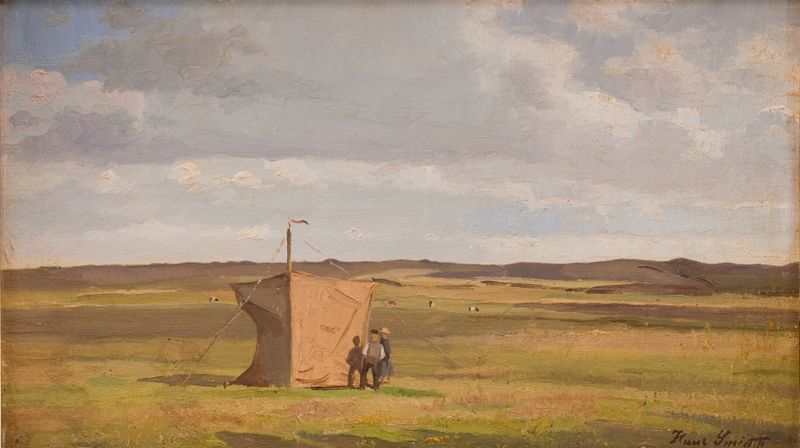
The Artist’s Shelter on the Moors in Jutland
Hans Smidth
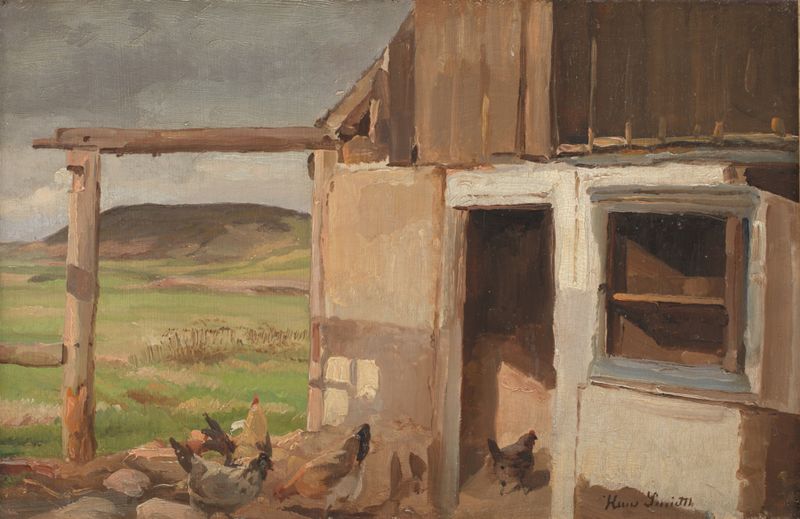
Hus med hønsegård
Hans Smidth
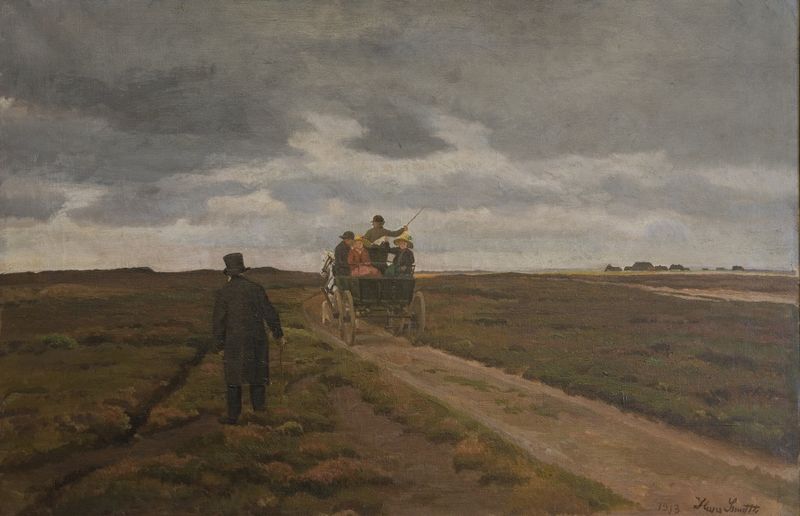
Hedelandskab med en dagvogn
Hans Smidth
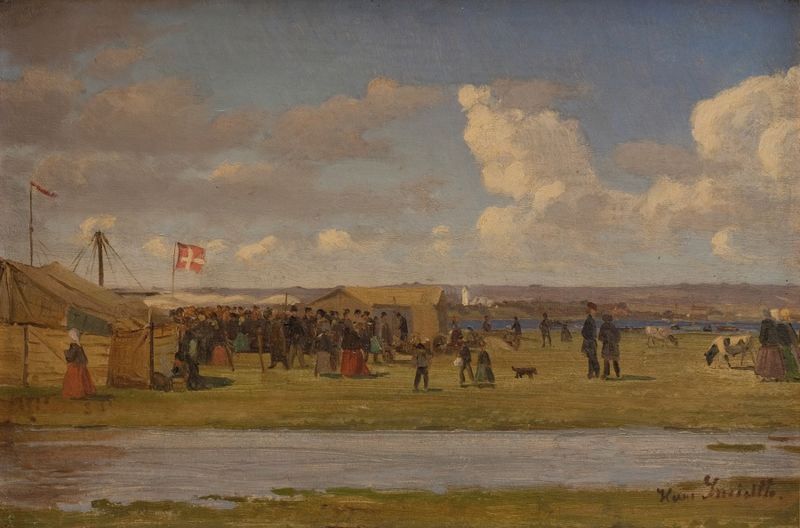
Fur marked
Hans Smidth
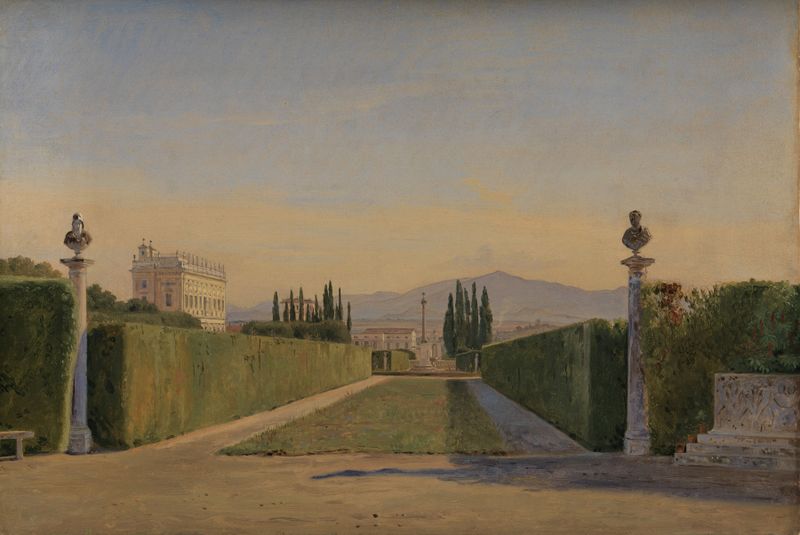
View of the Sea from a Pier
Hans Smidth





