
The Artist’s Shelter on the Moors in Jutland — History & Facts
In the delicate interplay of light and shadow, art captures the deepest truths of the human experience. The artist’s shelter, framed by the vast moors, invites us into a world where nature’s harshness contrasts sharply with the warmth of human creation. Look to the center of the canvas where the shelter stands resolutely against the expansive landscape. The soft, golden light bathes the structure, evoking a sense of refuge amidst the wildness.
Notice the way the muted hues of the moors, with their earthy browns and mossy greens, serve to heighten the luminous quality of the building’s facade, illustrating a sanctuary that offers comfort yet remains vulnerable to the elements. This composition deftly balances solitude and safety, suggesting the emotional landscape experienced by those who seek solace in isolation. The surrounding moors, while beautiful, possess an underlying desolation, a reminder of the struggle between human ambition and nature's indifference. The gentle play of light not only highlights the architecture but also symbolizes hope—an illumination of the spirit that thrives against adversity. Hans Smidth painted this work between 1907 and 1911 while living in Jutland, a period marked by his deep exploration of the interplay between light and the rugged terrain.
At this time, the artist was immersed in the burgeoning movement of Danish landscape painting, reflecting an era of artistic introspection that sought to capture the essence of place and identity. This piece stands as a testament to his evolving mastery in portraying the beauty and brutality of nature.
More Artworks by Hans Smidth
Browse all →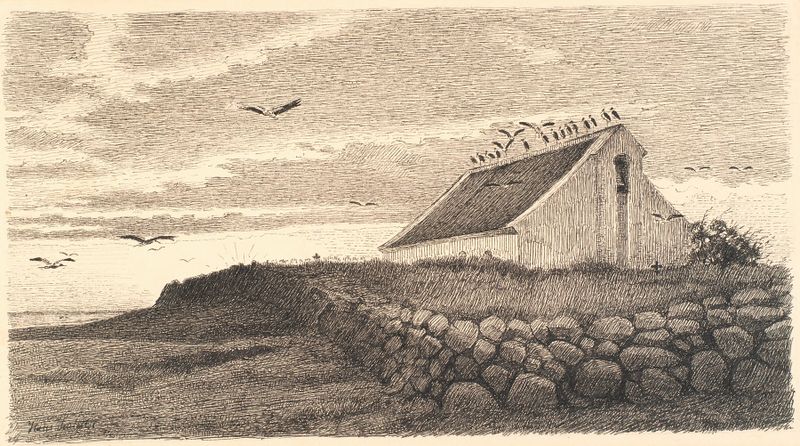
Motiv fra Karup. Storkene samler sig til rejsen. Solnedgangstid
Hans Smidth
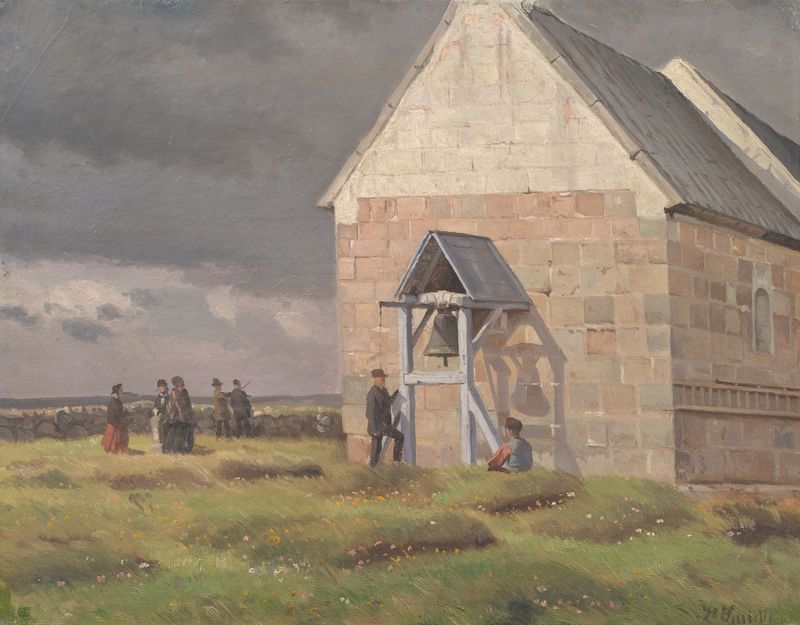
A Storm Brewing behind Nørre Vium Church, Jutland
Hans Smidth
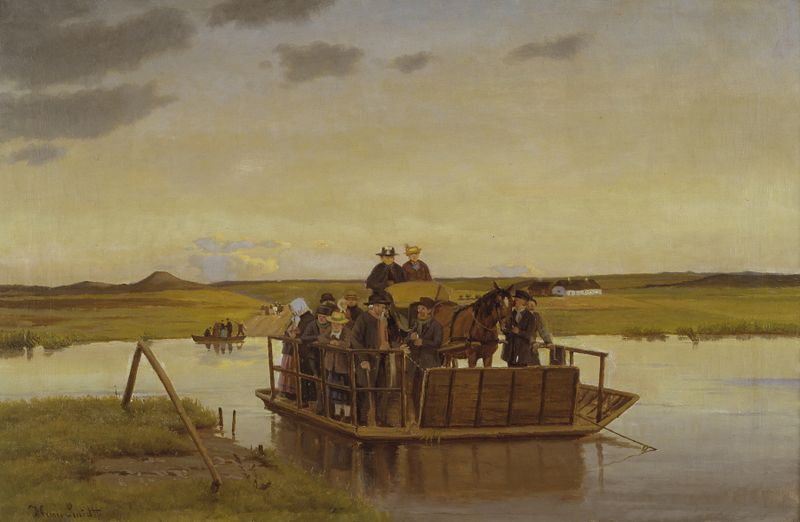
En færge over Gudenåen
Hans Smidth
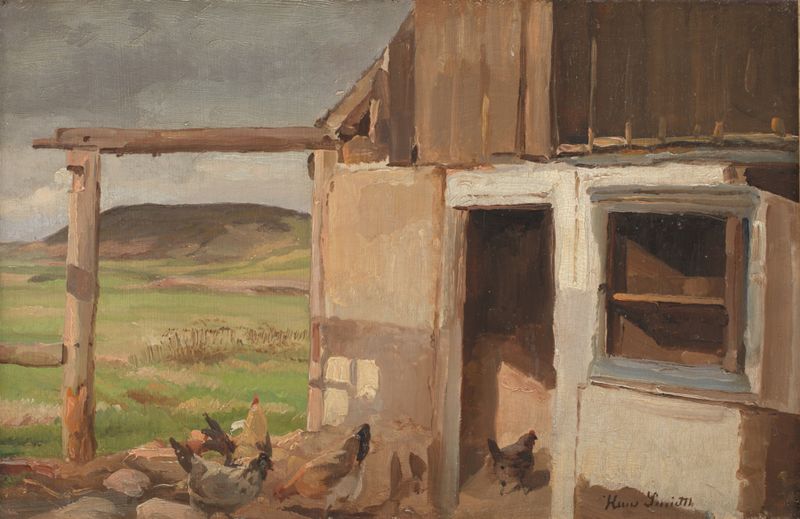
Hus med hønsegård
Hans Smidth
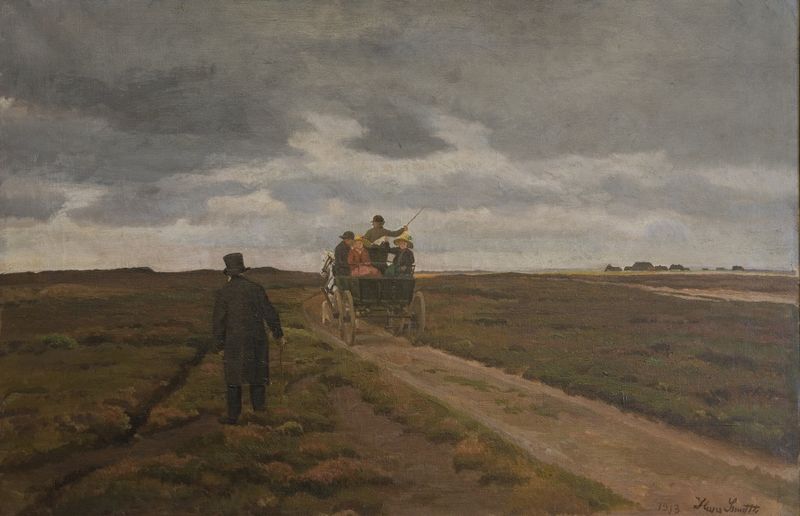
Hedelandskab med en dagvogn
Hans Smidth
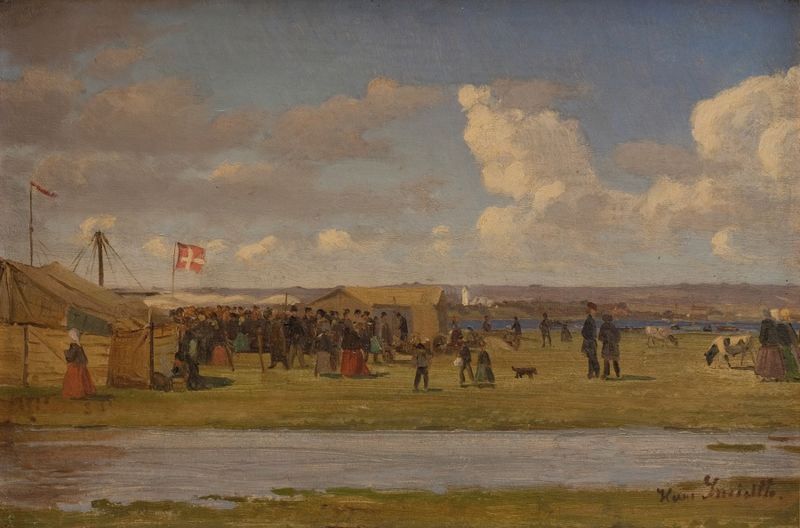
Fur marked
Hans Smidth
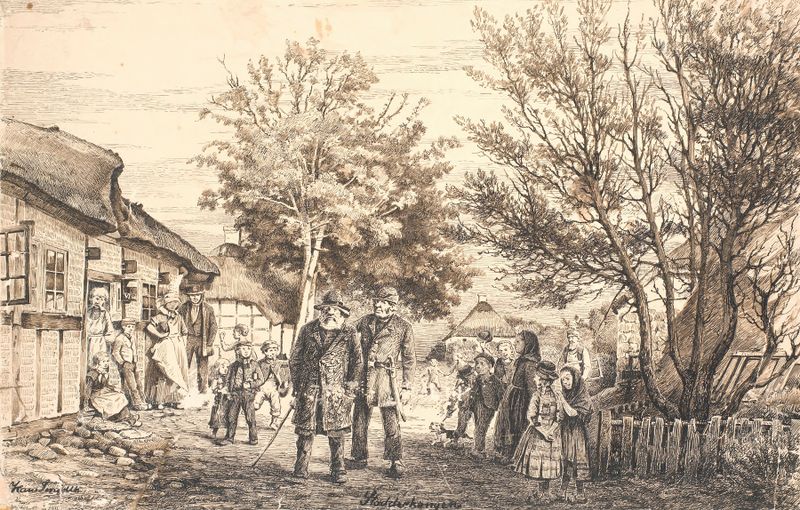
Stodderkongen
Hans Smidth
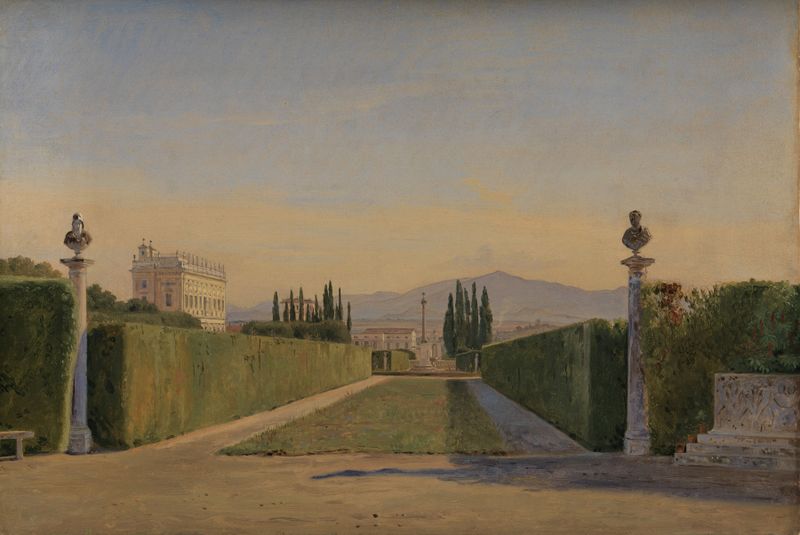
View of the Sea from a Pier
Hans Smidth





