
Strandbild mit Seedorn — History & Facts
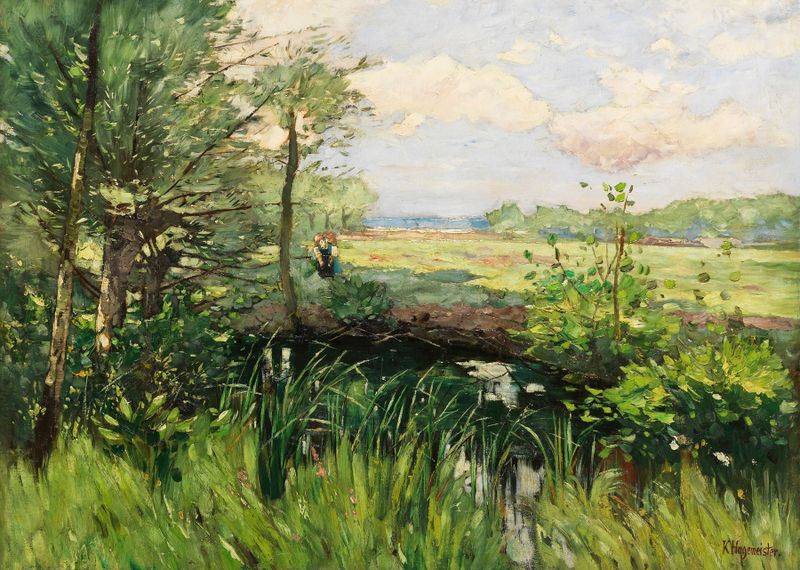
In Strandbild mit Seedorn, the delicate interplay of color and form beckons the viewer to explore the depths of hope intertwined with fragility. Look to the left where the shimmering gold of the sand meets the gentle surf, glistening under a soft, diffused light. The muted greens and browns of the seedorn, or sea buckthorn, contrast sharply with the vibrant hues of the beach, drawing your eye to the resilient plants that cling to life amid the shifting tides. The composition balances the solid presence of the foliage against the transient waves, emphasizing a moment suspended in time, forever holding the tension between stability and impermanence. Within the scene, the seedorn represents tenacity amidst adversity, embodying the delicate nature of hope.
Its vibrant colors suggest vitality, while the encroaching waves signify life's inevitable challenges. This duality invites reflection on the resilience found in beauty, as each brushstroke reveals the layers of struggle and survival that coexist in an ever-changing world. Created in 1911, Strandbild mit Seedorn emerged during a time when Karl Hagemeister was deeply engaged in exploring the German landscape with a focus on natural elements. The early 20th century was marked by artistic experimentation and a shift towards capturing the spirit of nature.
Hagemeister, influenced by Impressionism yet carving his unique path, sought to convey the emotional resonance of the environment around him, reflecting a burgeoning awareness of nature’s profound impact on the human experience.
More Artworks by Karl Hagemeister
Browse all →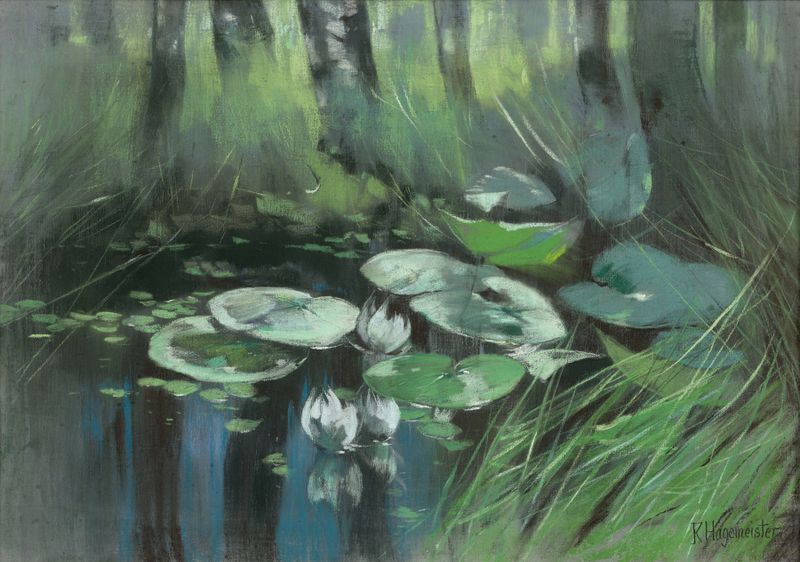
Teich in der Mark mit Seerosen
Karl Hagemeister
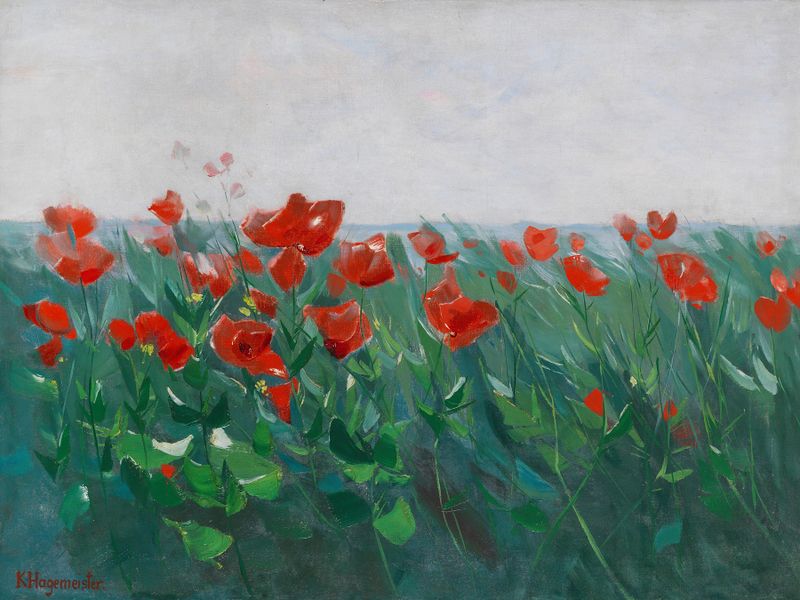
Roter Mohn am Seeufer
Karl Hagemeister

Bauernhaus bei Ferch
Karl Hagemeister
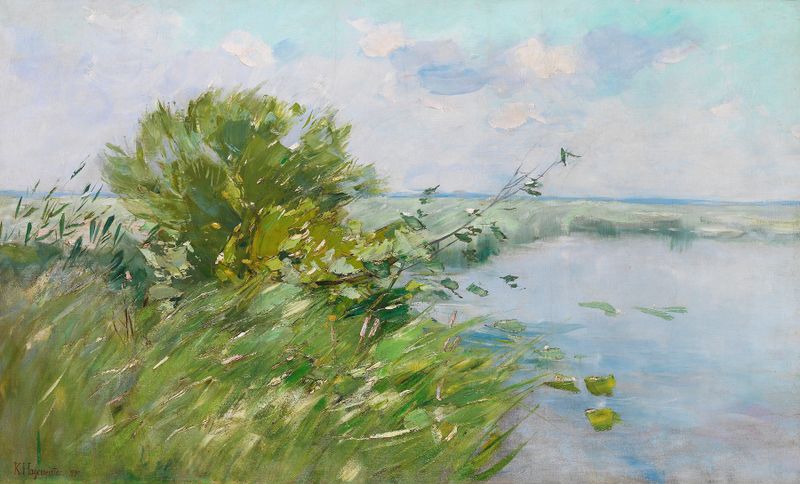
Märkische Seenlandschaft
Karl Hagemeister

Seeufer bei Ferch
Karl Hagemeister
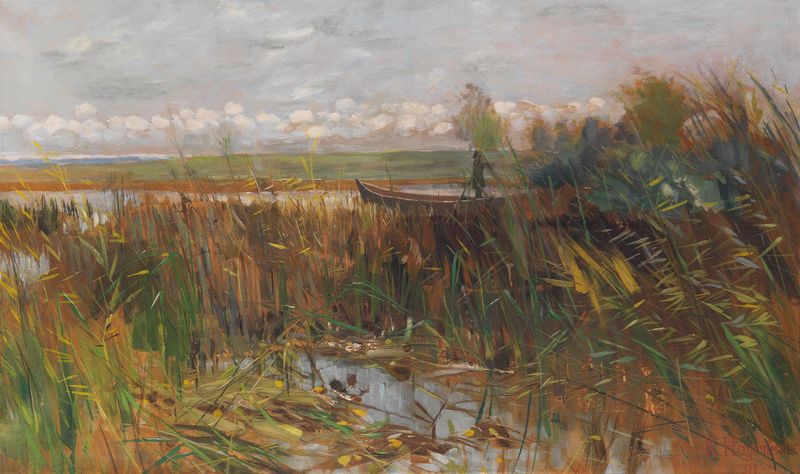
Märkische Seenlandschaft mit Entenjäger im Kahn stehend
Karl Hagemeister
Der Schwielowsee bei Kaputh – Frühling
Karl Hagemeister

Waldweiher
Karl Hagemeister

Waldlandschaft mit Bachlauf (Golmer Luch)
Karl Hagemeister

Sanddornstrauch an der Meeresküste
Karl Hagemeister





