
Street Of St. Georges — History & Facts
What if beauty was never meant to be finished? In Street Of St. Georges, an echo of decay whispers through the muted colors and worn facades, revealing a world both haunting and captivating. Each brushstroke hints at a narrative suspended in time, where the allure of life intertwines with the inevitability of decline. Look closely at the left side of the canvas, where a tangle of twisting trees frames the street, their gnarled branches reaching for the sky.
Notice how the soft, diffused light spills onto the cobblestones, illuminating patches of luster amidst the encroaching shadows. The buildings, with their peeling paint and sagging roofs, evoke a sense of nostalgia, inviting viewers to sense the stories that linger in the air, long since passed. Within the stillness lies a tension between vitality and desolation; the vibrant hues of life challenge the grey of neglect. The street, once bustling with energy, now carries the weight of time and memory, suggesting that beauty is not merely in the pristine but often in the remnants of what was.
The viewer is pulled into this paradox, feeling a sorrowful connection to the cycle of life and decay that defines the human experience. Created in an undefined period, Street Of St. Georges reflects a transitional phase in Ferdinand Hodler’s artistic journey. Having established himself in Switzerland, he grappled with the influences of symbolism and the emerging modernist trends of the early 20th century.
In a rapidly changing world, this work captures not only the physical decay but also the emotional landscape of an artist responding to the passage of time and the evolution of urban life.
More Artworks by Ferdinand Hodler
Browse all →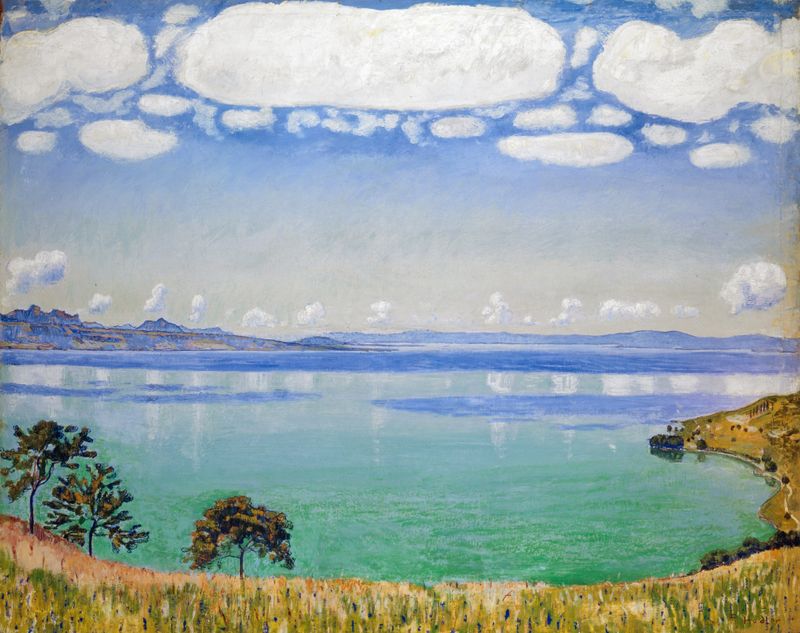
Lake Geneva From Chexbres
Ferdinand Hodler
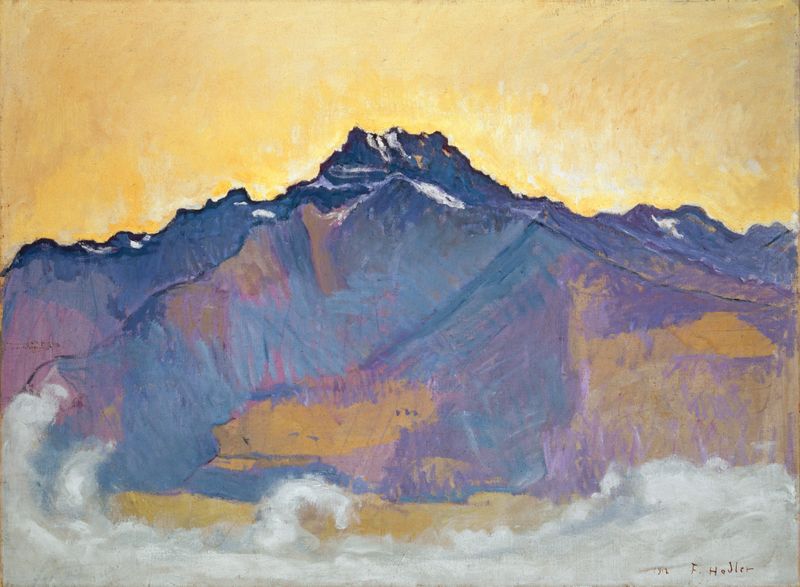
The Dents Du Midi Seen From Chesières
Ferdinand Hodler
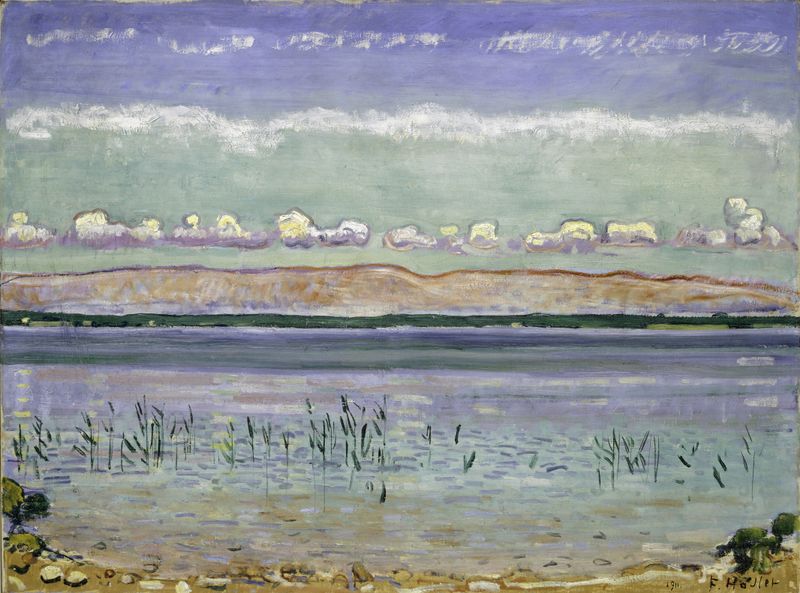
Lake Geneva With Jura Hills
Ferdinand Hodler
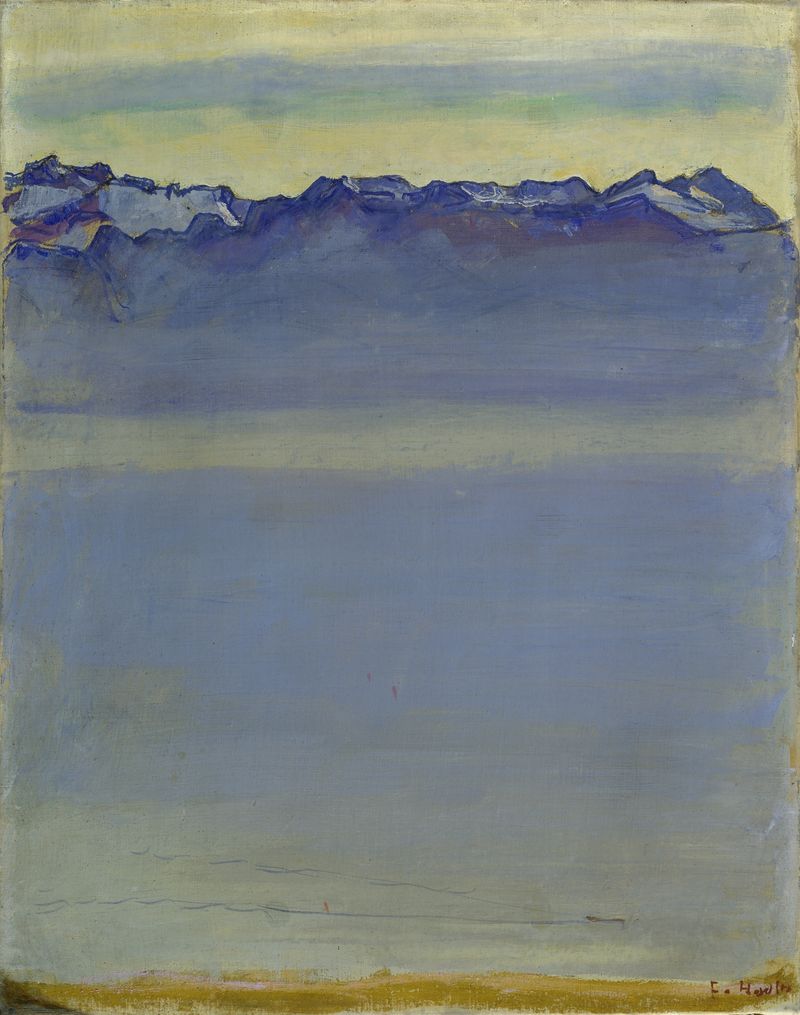
Lake Geneva with the Savoy Alps
Ferdinand Hodler
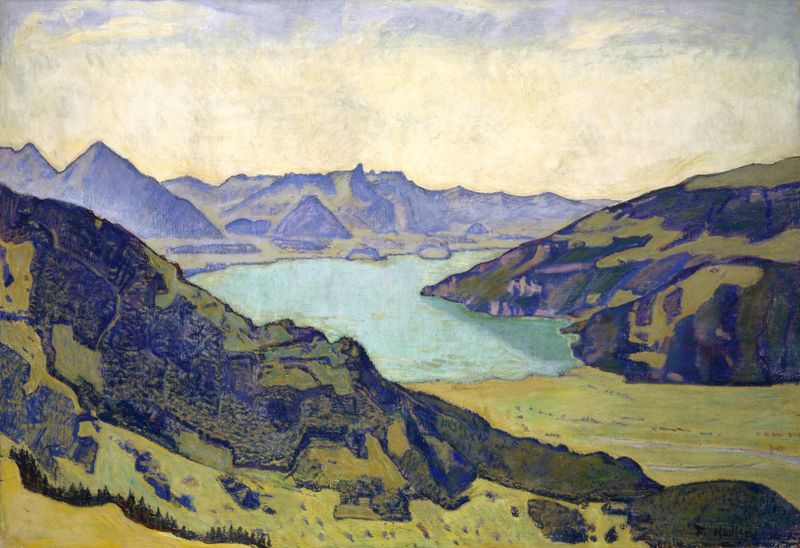
Lake Thun From Breitlauenen
Ferdinand Hodler
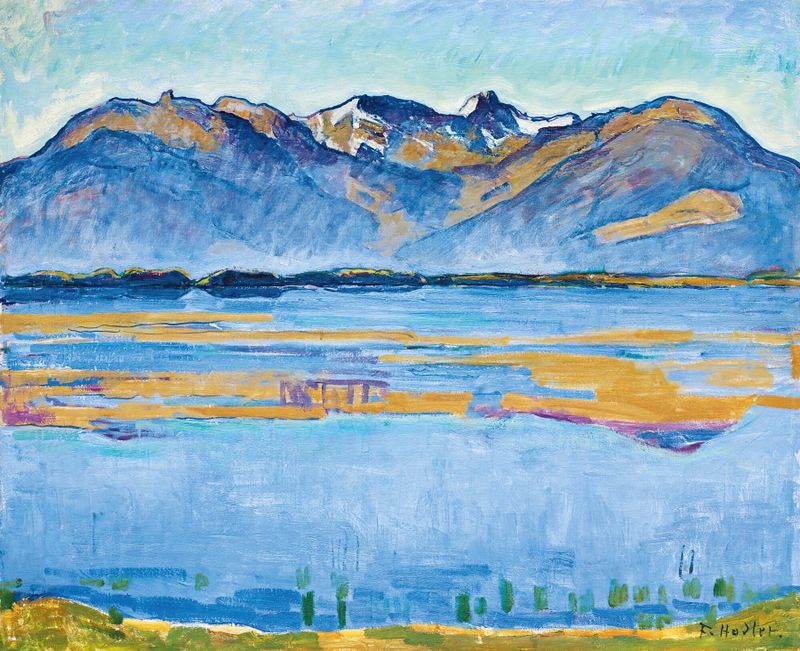
Montana Landscape With Becs De Bosson And Vallon De Réchy
Ferdinand Hodler
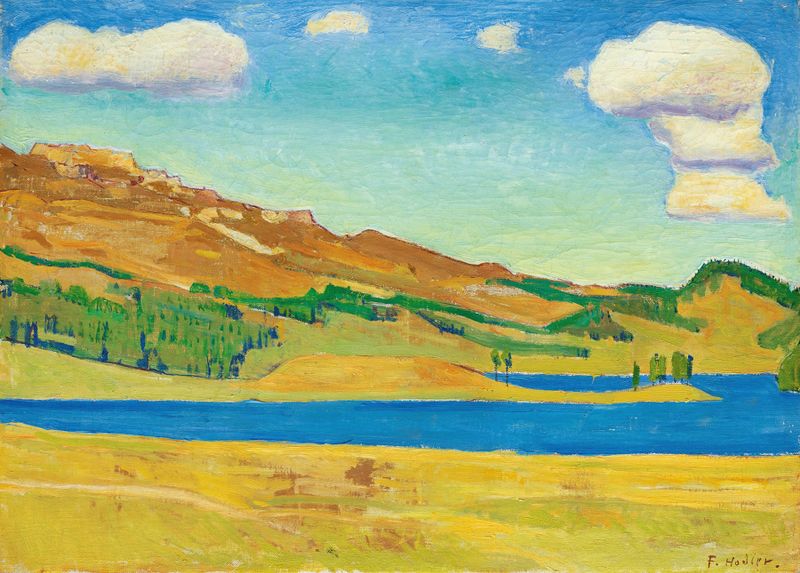
Lake Champfèr
Ferdinand Hodler

James Vibert, Sculptor
Ferdinand Hodler
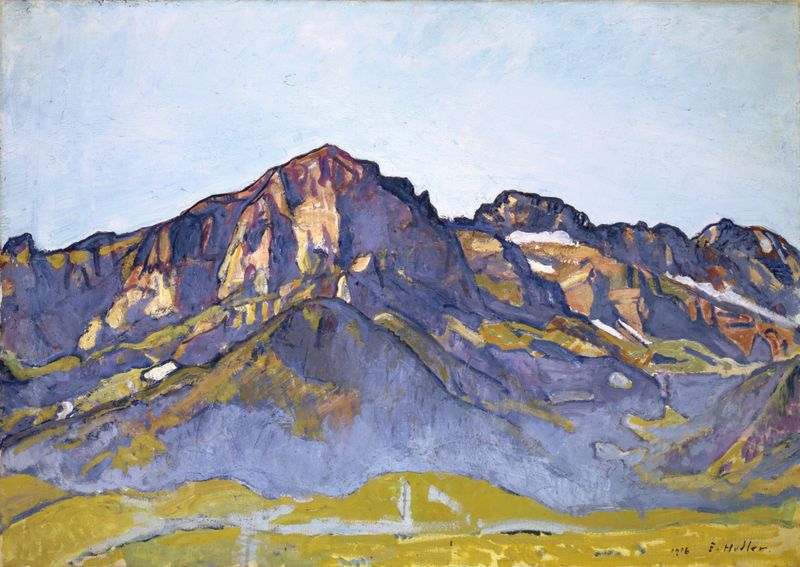
The Dents Blanches At Champéry In The Morning Sun
Ferdinand Hodler

Day (Truth)
Ferdinand Hodler





