Stromy — History & Facts
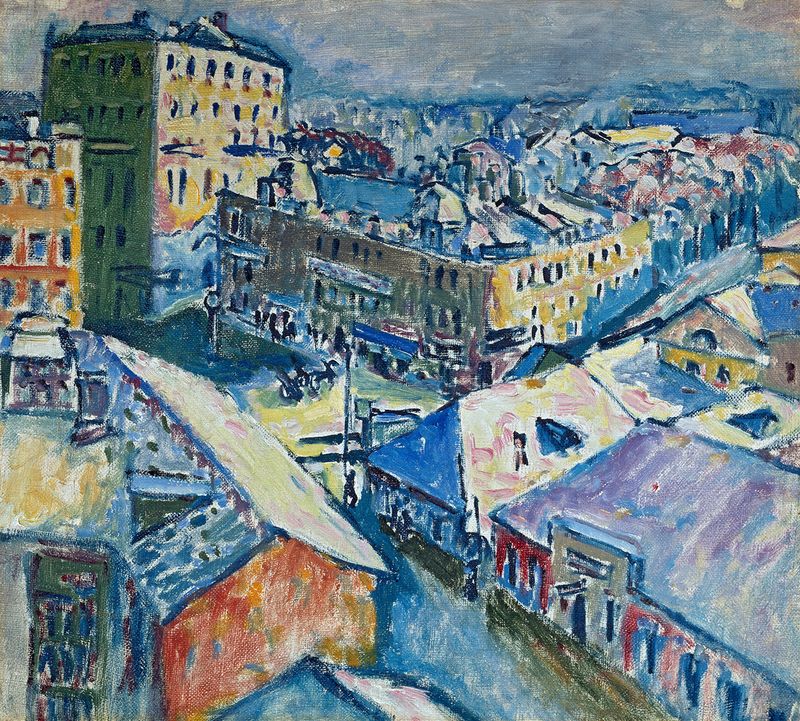
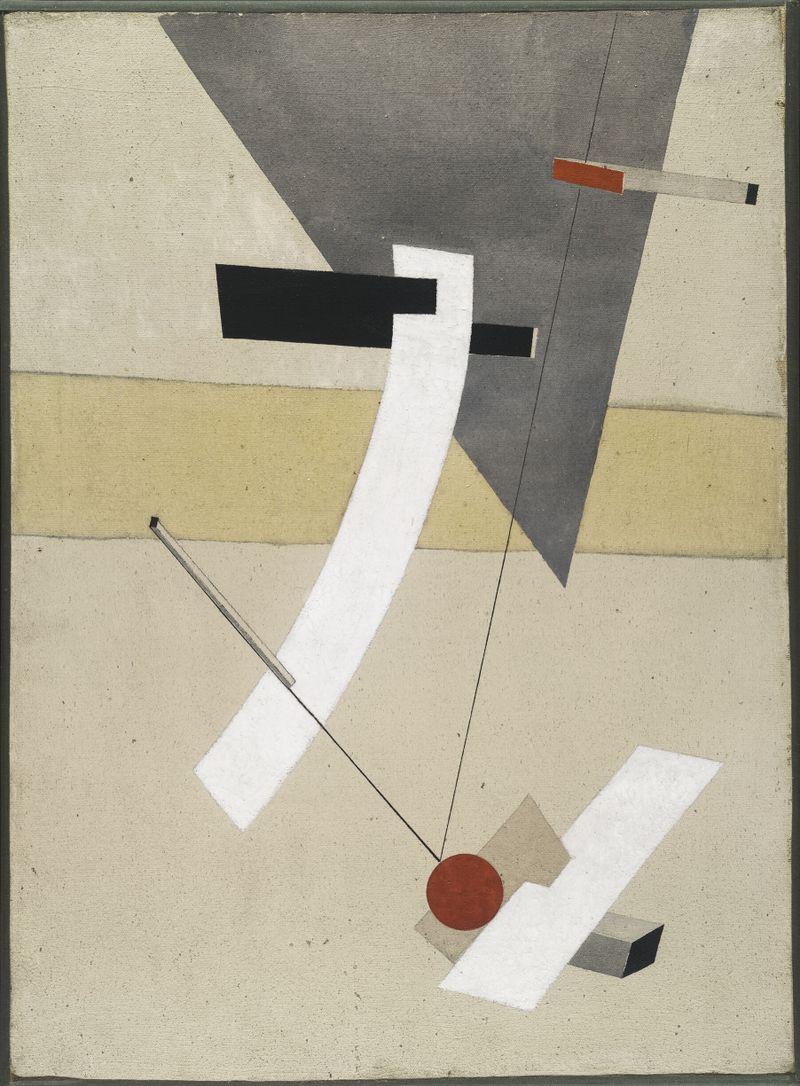
In Stromy, vibrant swirls collide and dance, inviting the viewer into a realm where ecstasy reigns supreme. The painting pulsates with energy as abstract forms intertwine, suggesting a dialogue between disarray and harmony—a visual symphony that resonates deep within. Focus on the dynamic interplay of colors that dominate the canvas. Notice how the bold strokes evoke a sense of motion, drawing your gaze across the swirling blues, yellows, and reds.
The artist's technique, a blend of thick impasto and fluid brushwork, creates a tactile richness that almost breathes life into the scene. The composition, teetering on the edge of chaos, guides the eye from center to periphery, inviting exploration and contemplation. Within this vibrant melee, a deeper tension emerges between order and disorder. The chaotic forms hint at the tumult of human emotion, while the underlying structure provides a glimpse of potential resolution.
The juxtaposition of fierce colors suggests passion and tumult, yet there is an underlying beauty that transcends the chaos. Each brushstroke becomes a testament to the ecstasy found in the throes of creation, reflecting the struggles and triumphs of the human spirit. Created between 1915 and 1925, during a period of great upheaval in Europe, the artist channeled the emotions of a world on the brink of transformation. As the war raged on, many artists sought new forms of expression, breaking away from traditional representation.
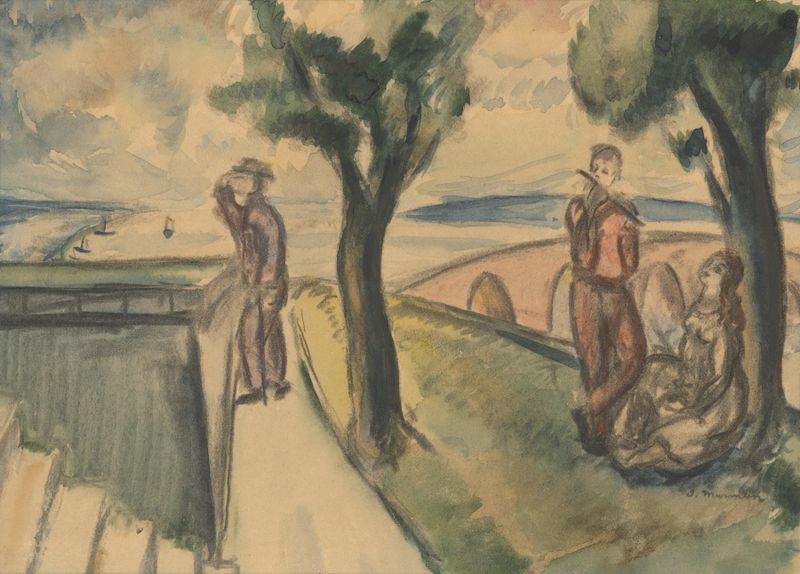
Murmann’s work captures this essence, embodying the tension and release of a generation seeking solace and meaning in the face of uncertainty.