Strook kloskant met aaneengeschakelde schuingeplaatste rechthoeken — History & Facts
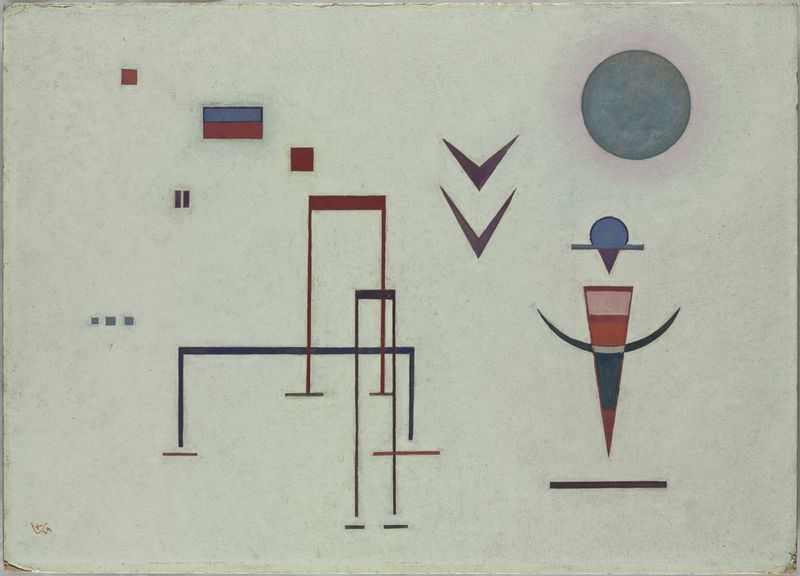
When did color learn to lie? The subtleties of hue often hide the weight of sorrow, and in this unknown artist's work, a somber truth emerges. Look to the top left, where muted blues and greys weave together, establishing a melancholic sky that looms over the composition. The rectangles, meticulously arranged, draw the eye into a labyrinth of emotion, their edges sharp yet inviting. Notice how the artist plays with texture; the brushstrokes are delicate, as though trembling under the burden of unspoken grief, while the contrasting colors coexist in a strained harmony that whispers of loss. Within this grid of forms lies a dialogue of tension and reconciliation.
The sharp angles of the rectangles evoke a sense of entrapment, yet their open spaces suggest the possibility of release or remembrance. Each color choice feels intentional, encapsulating different facets of sorrow—some vibrant and chaotic, others muted and reflective, creating a complex interplay that invites sustained contemplation. This piece emerged during a transformative period for artists in the late 19th century, when experimentation with abstraction began to gain momentum. The artist, whose identity remains elusive, likely navigated the shifting landscapes of traditional techniques and new artistic expressions, all while grappling with personal or collective grief that manifested in their work.
The piece stands as a testament to the often-hidden emotional depths that color can convey.
More Artworks by Unknown Artist
Browse all →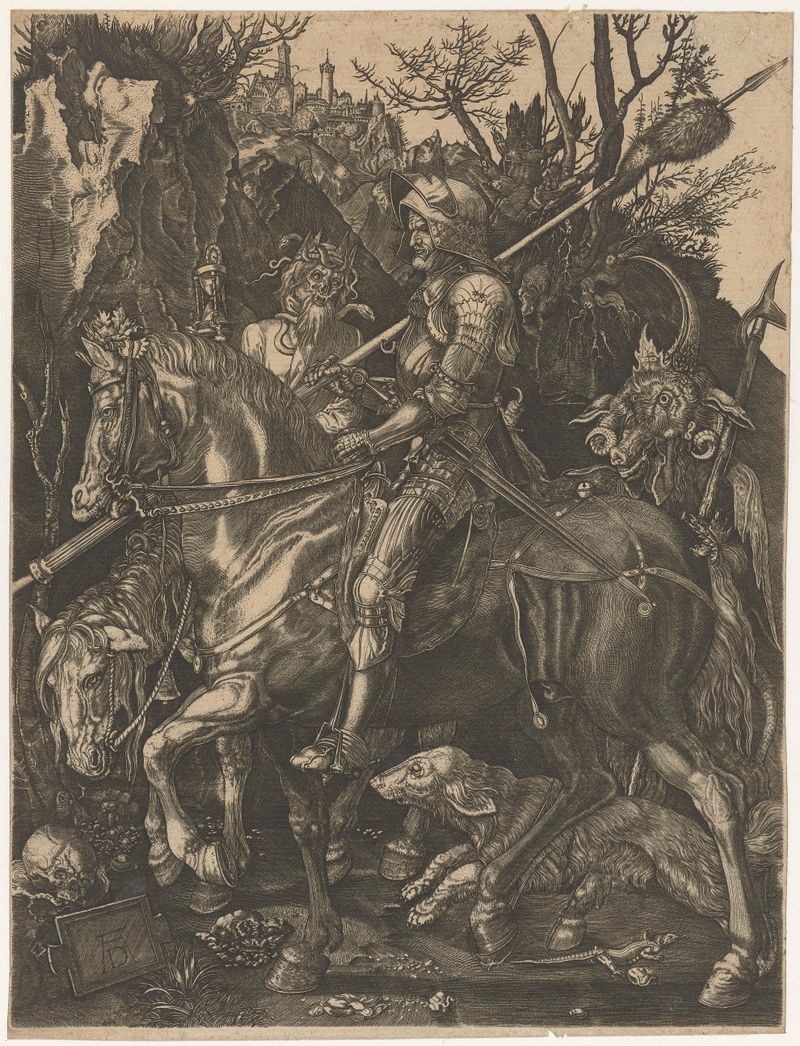
Ridder, Dood en Duivel
Unknown Artist
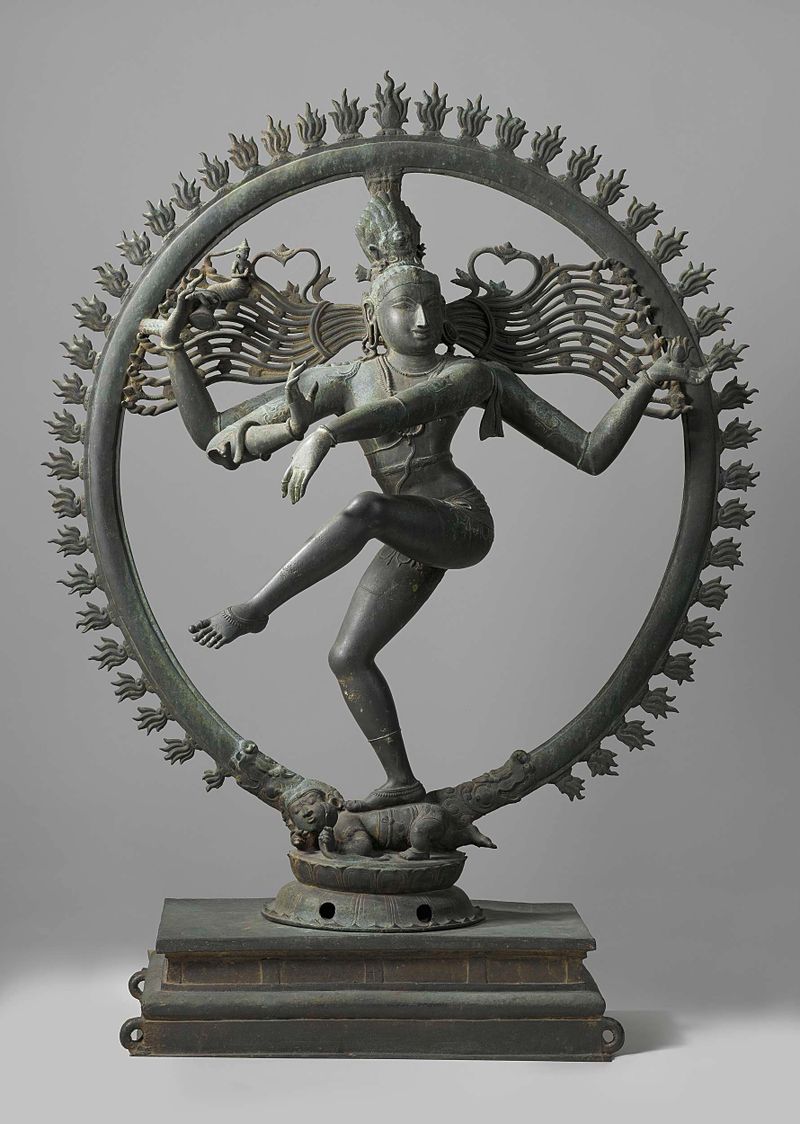
Shiva Nataraja
Unknown Artist
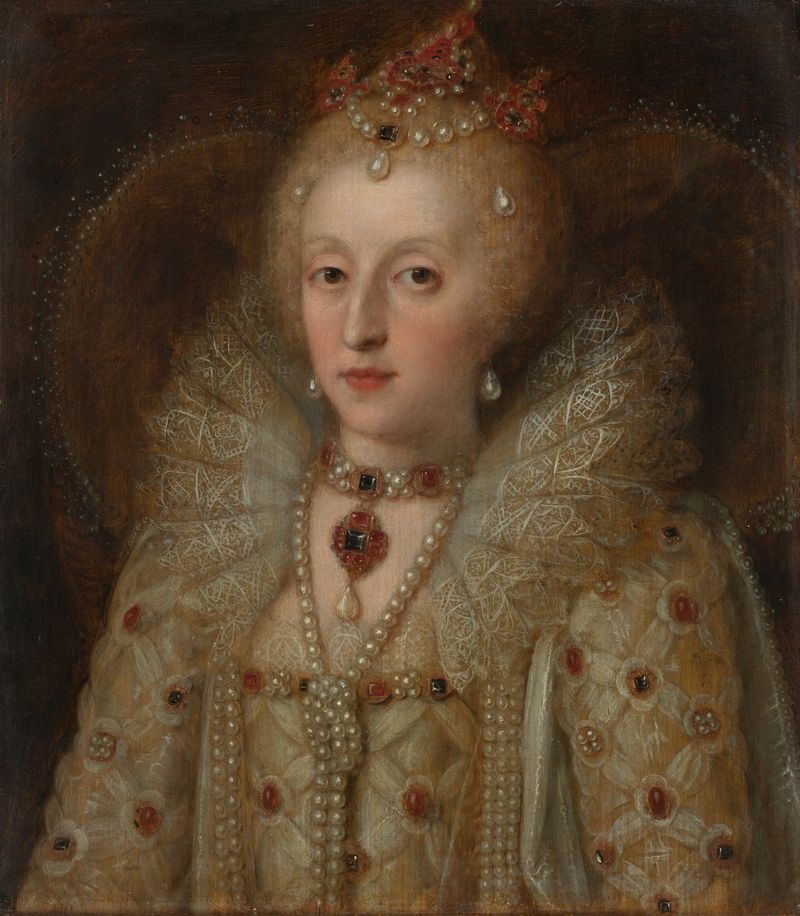
Portrait of Elizabeth I, Queen of England
Unknown Artist
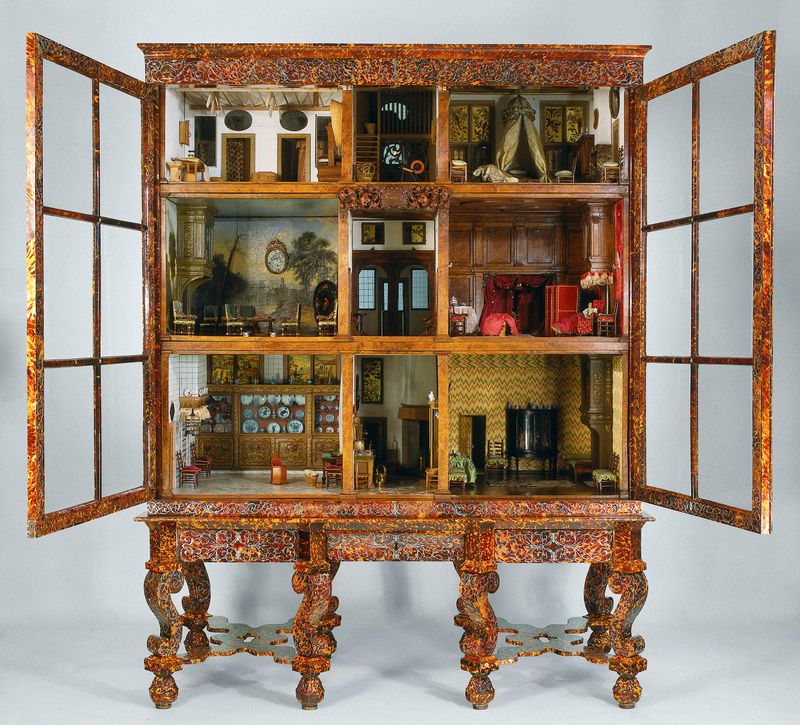
Dolls’ house of Petronella Oortman
Unknown Artist
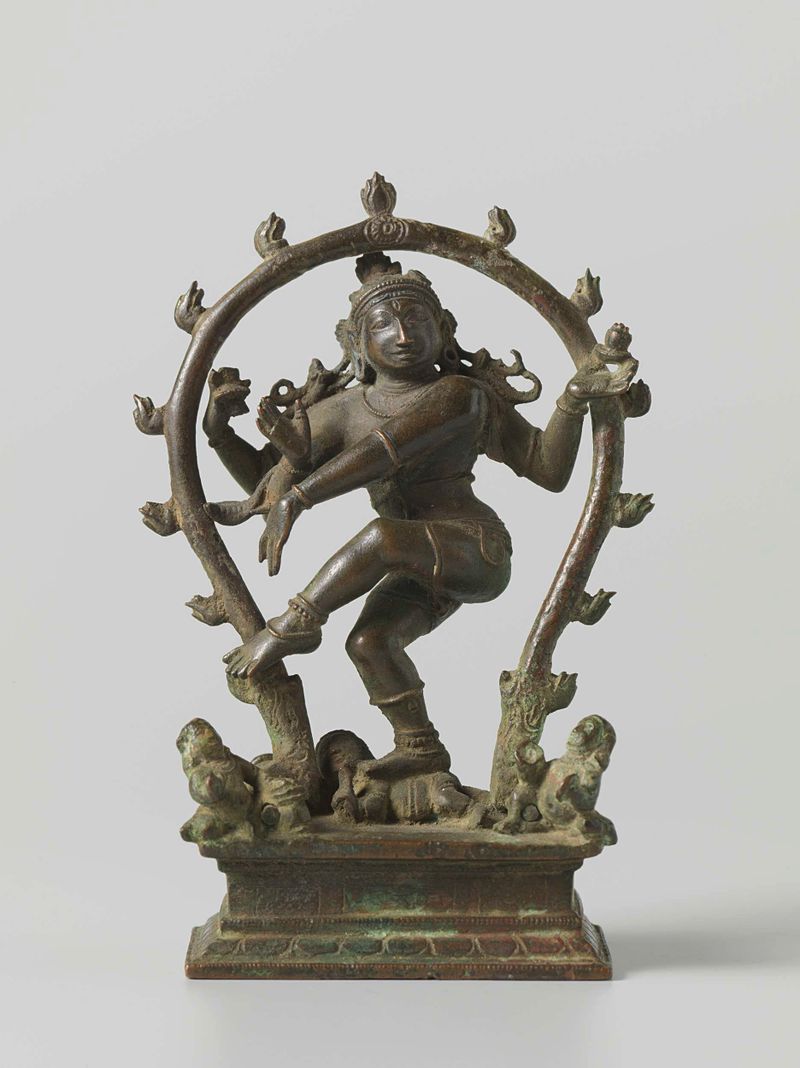
Shiva Nataraja
Unknown Artist

The Tale of Genji
Unknown Artist

The Tale of Genji
Unknown Artist

Cong
Unknown Artist
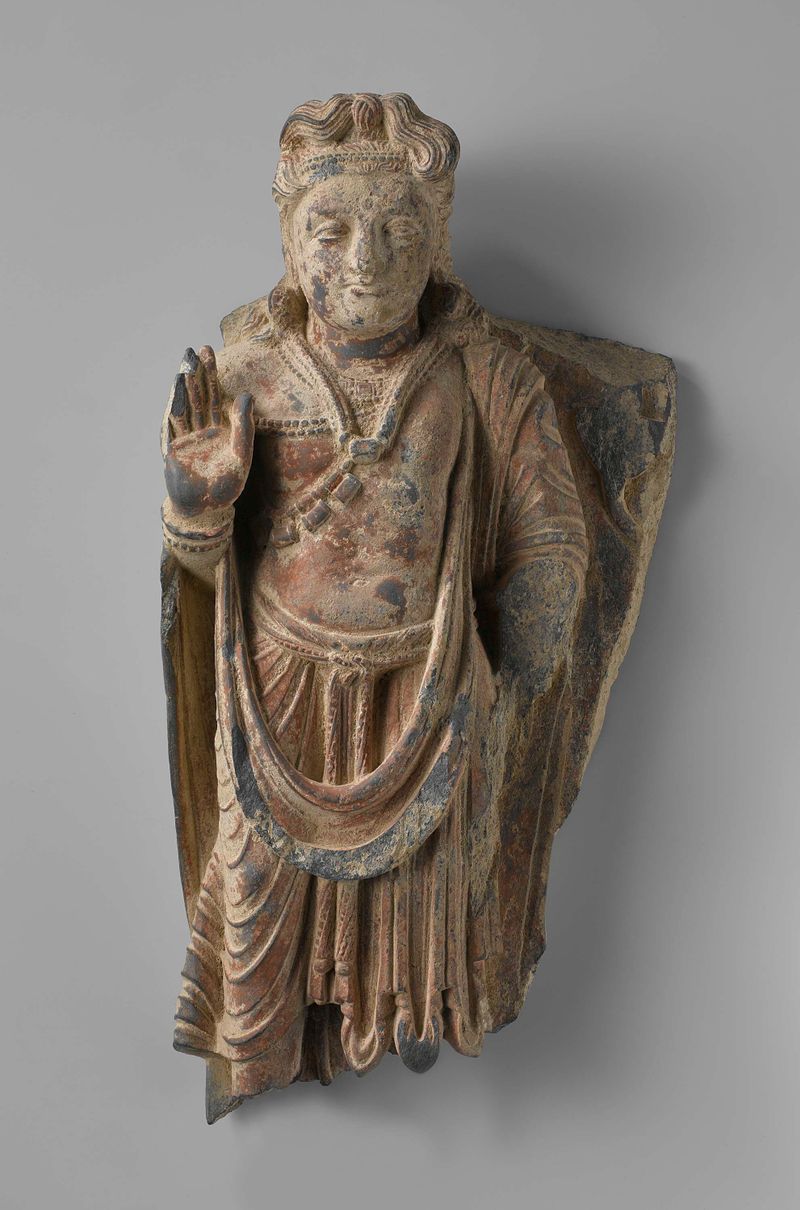
The bodhisattva Maitreya
Unknown Artist

Teabowl with a 'hare's fur' glaze
Unknown Artist