
Studien zur Aquarell-Malerei Pl.17 — History & Facts
In Studien zur Aquarell-Malerei Pl.17, Adolf Schrödter uses soft colors and delicate brush strokes. The composition features various studies of natural forms, showcasing a range of greens, blues, and earth tones. The figures are often abstracted, focusing more on the interplay of light and shadow than on precise representation.
The overall setting feels serene and contemplative, inviting viewers to appreciate the subtleties of watercolor technique. This artwork exemplifies the academic approach to watercolor painting. The use of transparent layers allows for a depth of color that is characteristic of Schrödter's style. Viewers can observe the meticulous attention to detail in the rendering of textures and forms.
The paper's surface interacts with the watercolor, creating a unique finish that highlights the fluidity of the medium. Adolf Schrödter was a prominent figure in the 19th-century German art scene, known for his contributions to watercolor techniques. This particular work, created in the 1830s, reflects the academic tradition of studying nature through art. An interesting fact about this piece is that it serves as a study for larger compositions, showcasing the artist's process and dedication to mastering the medium.
Schrödter's influence can be seen in the works of later artists who embraced watercolor as a serious form of artistic expression.
More Artworks by Adolf Schrödter

Göthe
Adolf Schrödter

Don Quixote
Adolf Schrödter
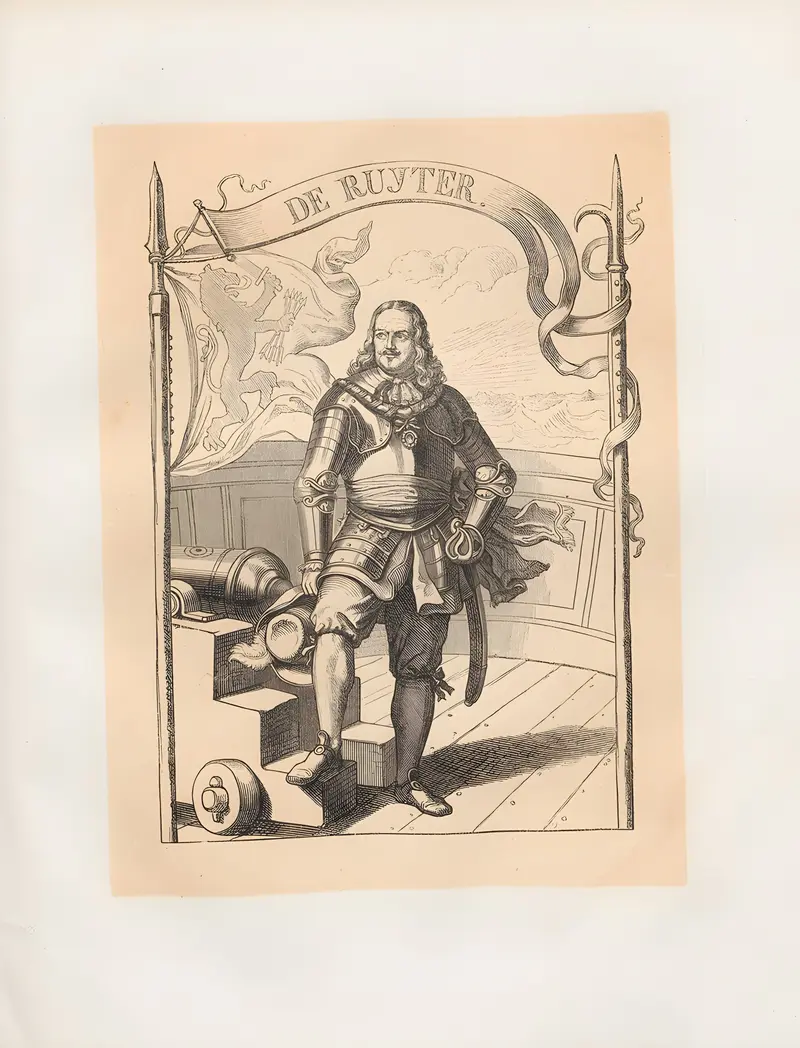
De Ruyter
Adolf Schrödter
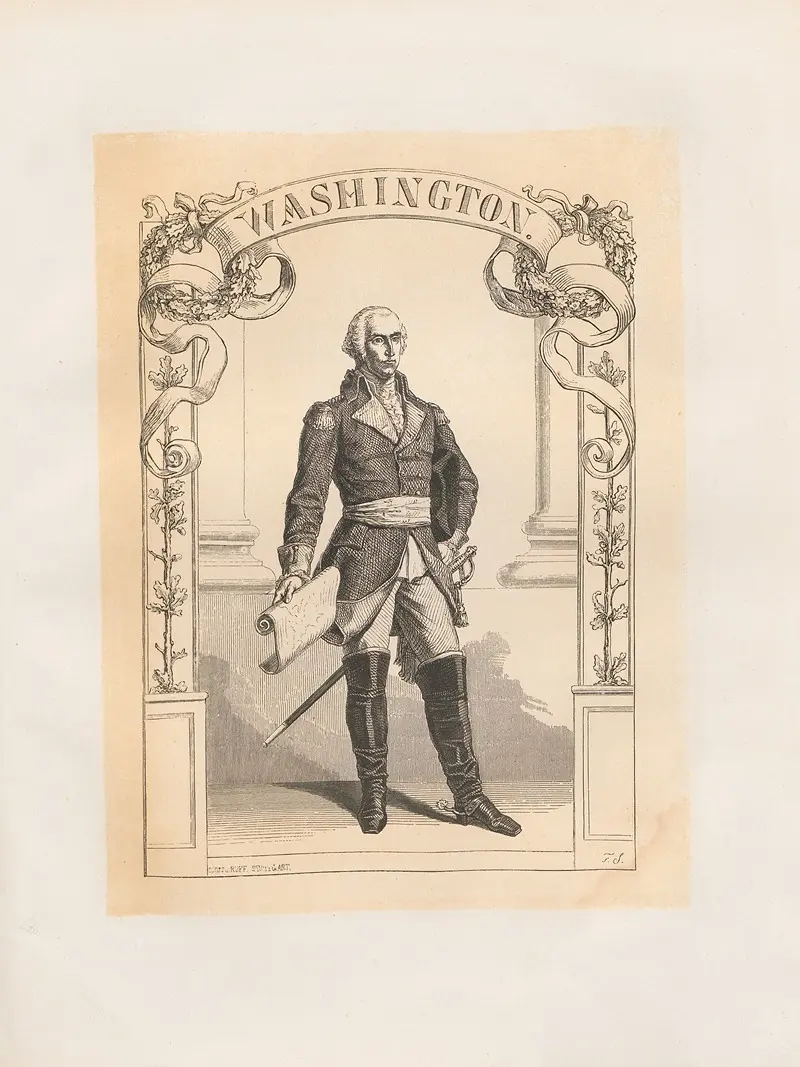
Washington
Adolf Schrödter
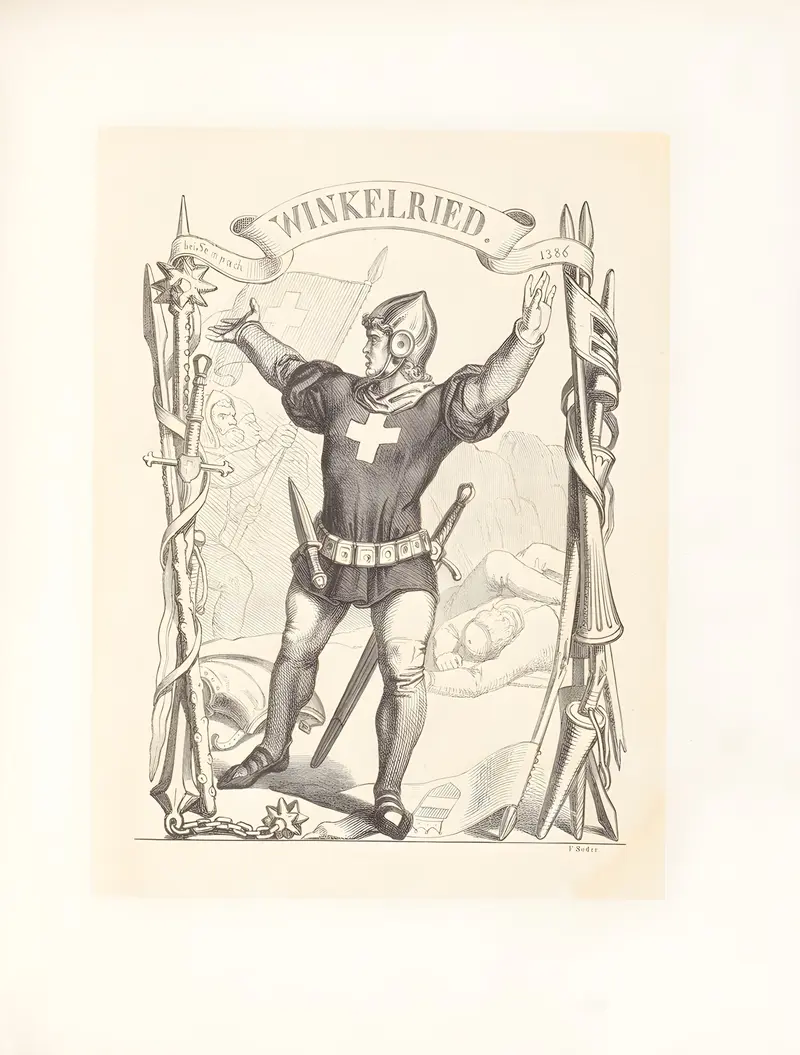
Arnold Winkelried
Adolf Schrödter
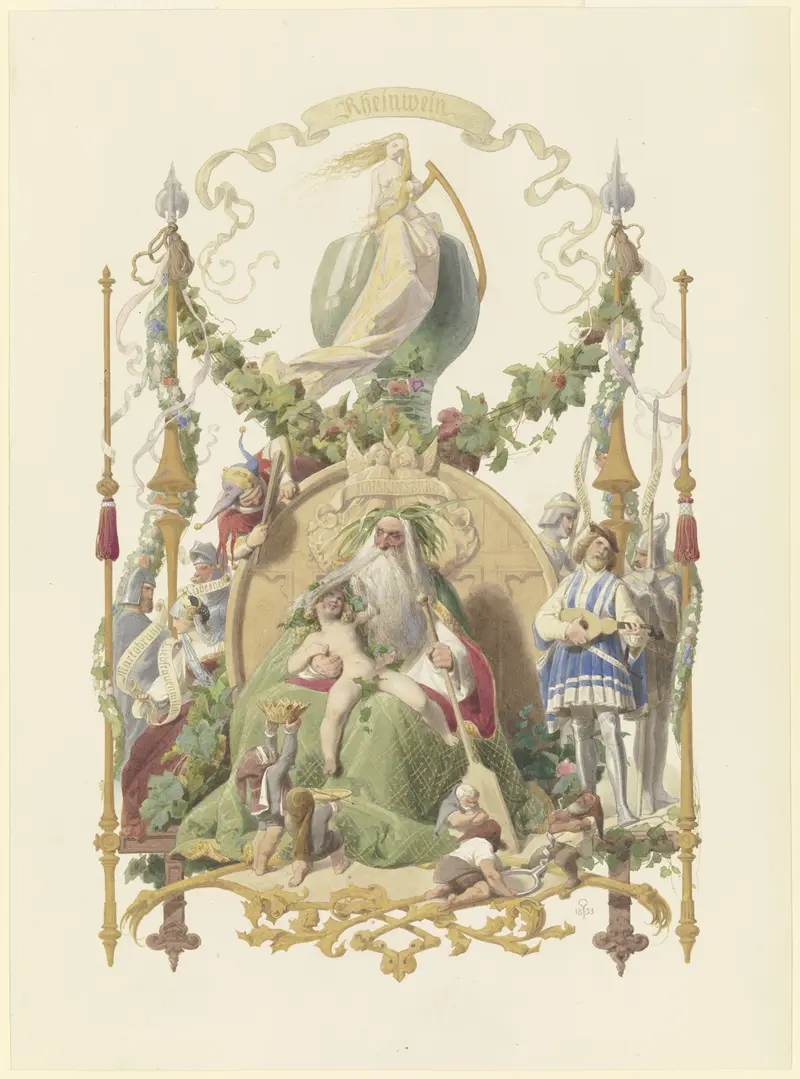
Die vier Hauptgetränke: Rheinwein
Adolf Schrödter

Ein Bouquet von blauen Winden, darunter ein sich voreinander verbeugendes Paar
Adolf Schrödter
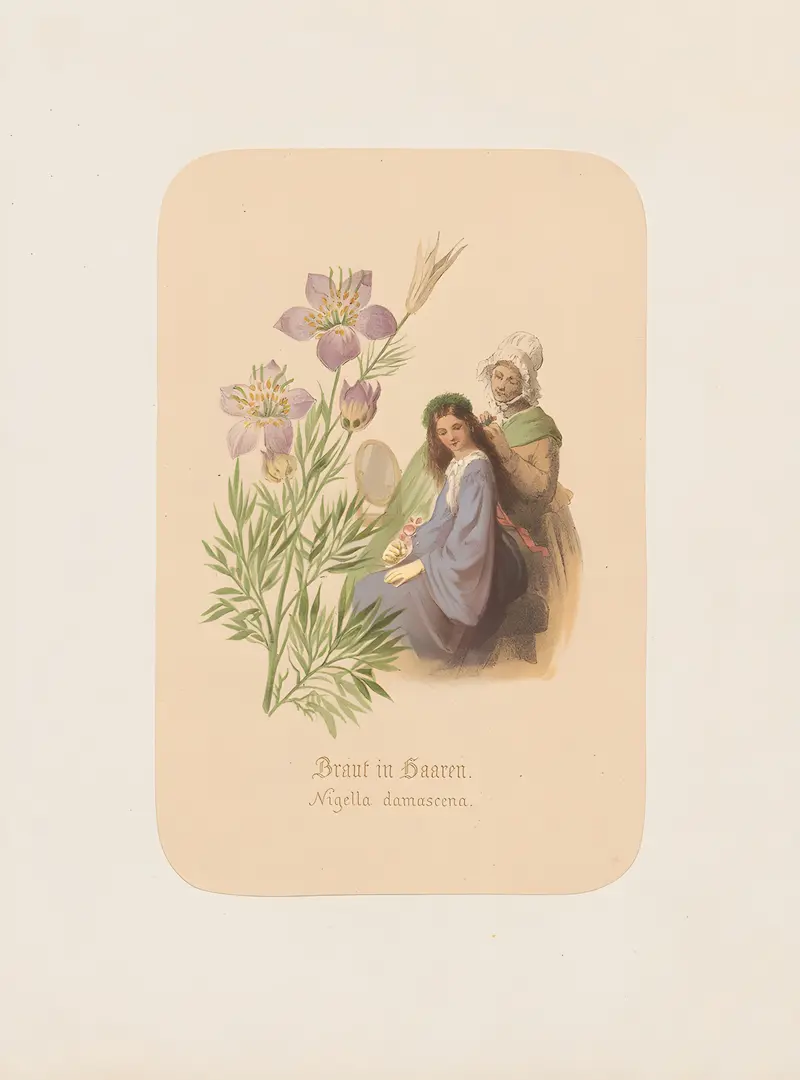
Braut in Haaren. Nigella damascena
Adolf Schrödter
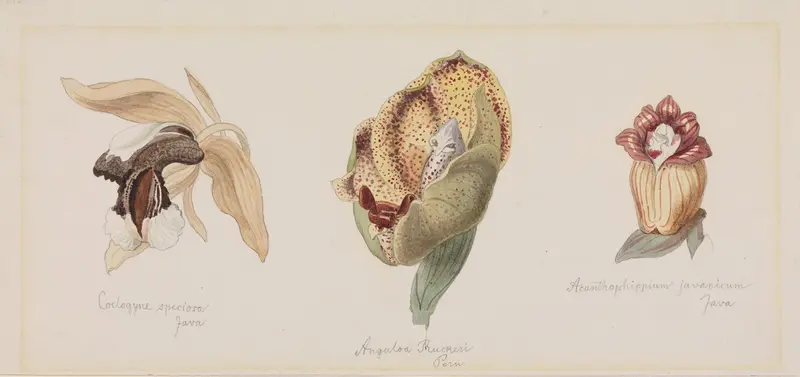
Drei verschiedene Orchideenblüten
Adolf Schrödter
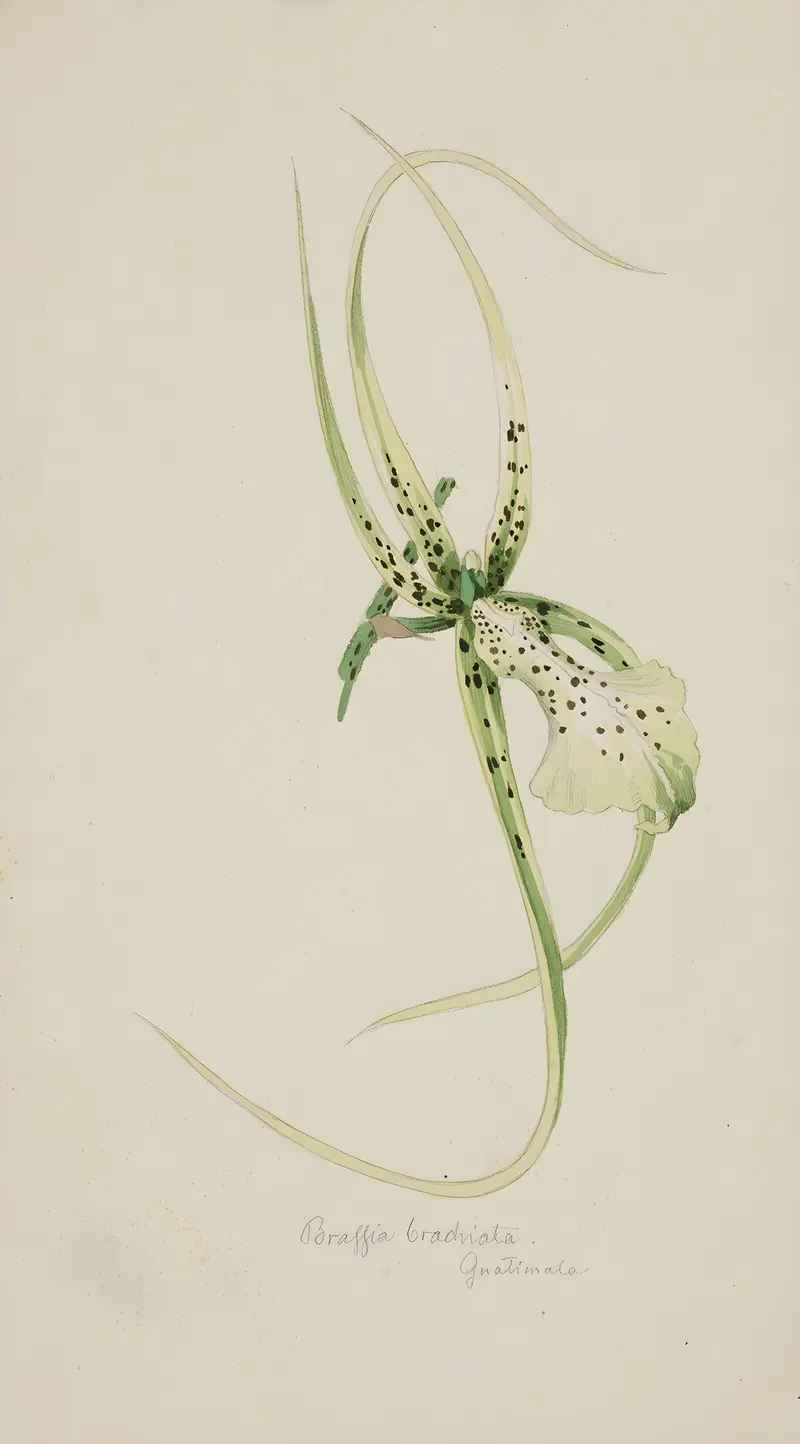
Orchidee ‘Brassia Brachiata’ (Guatemala)
Adolf Schrödter




