
Art style · mid–late 19th century · France and Europe
Academic Art and Paintings
Academic art is the style of painting taught and rewarded by Europe's official art academies, and it was at its height in France in the mid to late 19th century, when success at the annual Paris Salon could make a painter's career. It looked back to ancient art and to Raphael, placed history painting above every other kind of picture and prized a smooth, polished finish. Its painters include William Bouguereau, Alexandre Cabanel, Jean-Léon Gérôme, Thomas Couture and Franz Xaver Winterhalter.
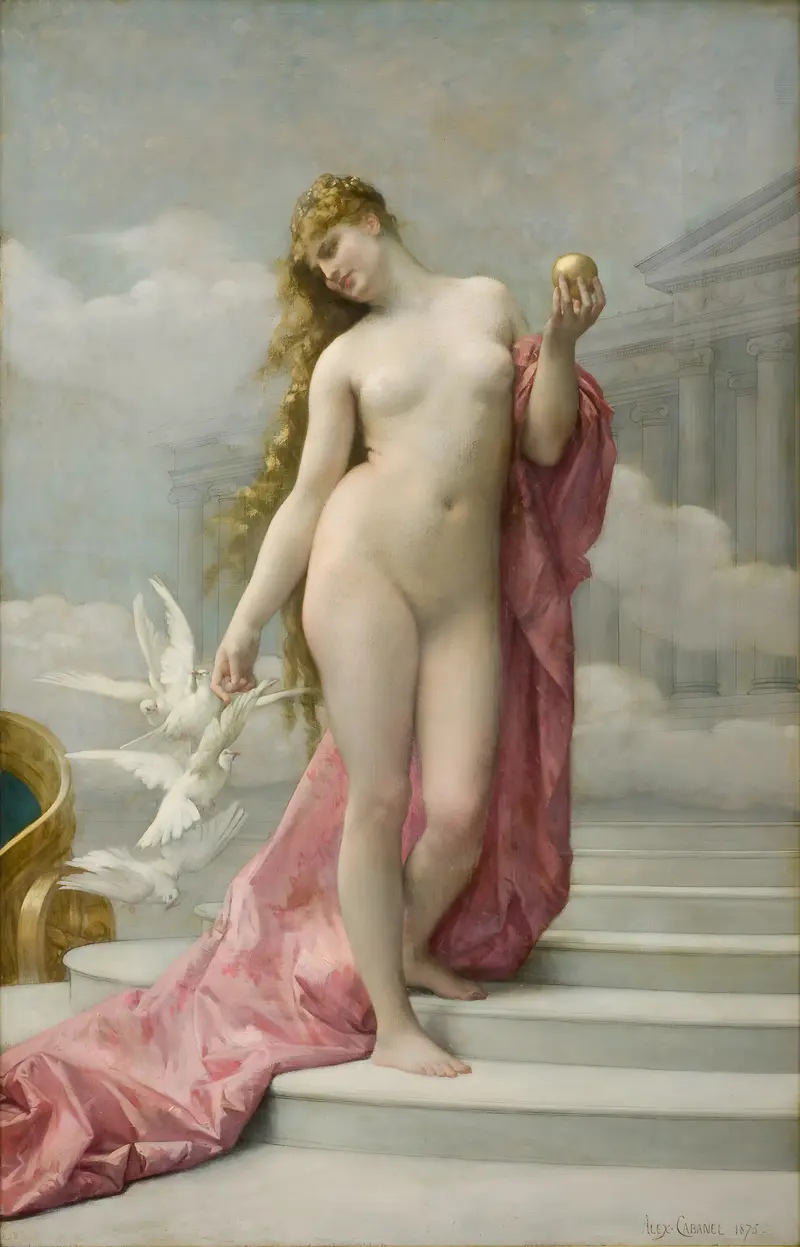
Their favorite subjects were myths, Bible stories, ancient history and the idealized nude. Cabanel's The Birth of Venus was one of the great successes of the Salon of 1863, where Emperor Napoleon III bought it; that same year so many painters were turned away that the government opened a separate Salon des Refusés for them. Later, “academic” came to mean conservative or old-fashioned, as Tate notes, though Bouguereau's fame, says the Museum of Fine Arts, Houston, has been rekindled of late.
Browse 1,165 academic paintings and artworks below, all public domain and free to download.
Selected and written by Pavel MazuelasUpdated November 5, 2026
Part of Art Movements and Painting StylesRelated: Neoclassicism, Orientalism, Famous Historical Paintings
All academic paintings and artworks
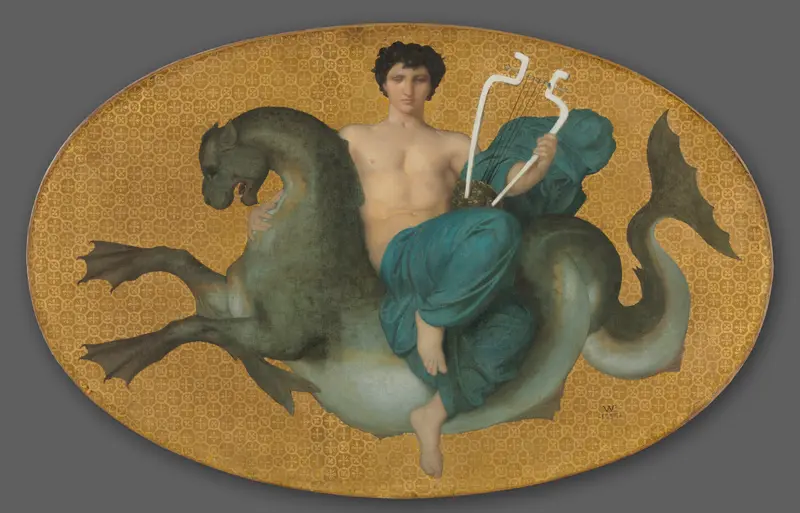
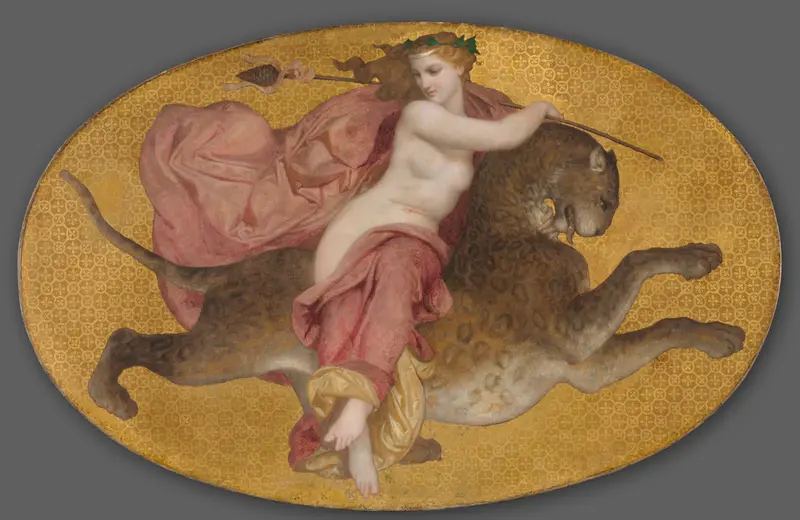
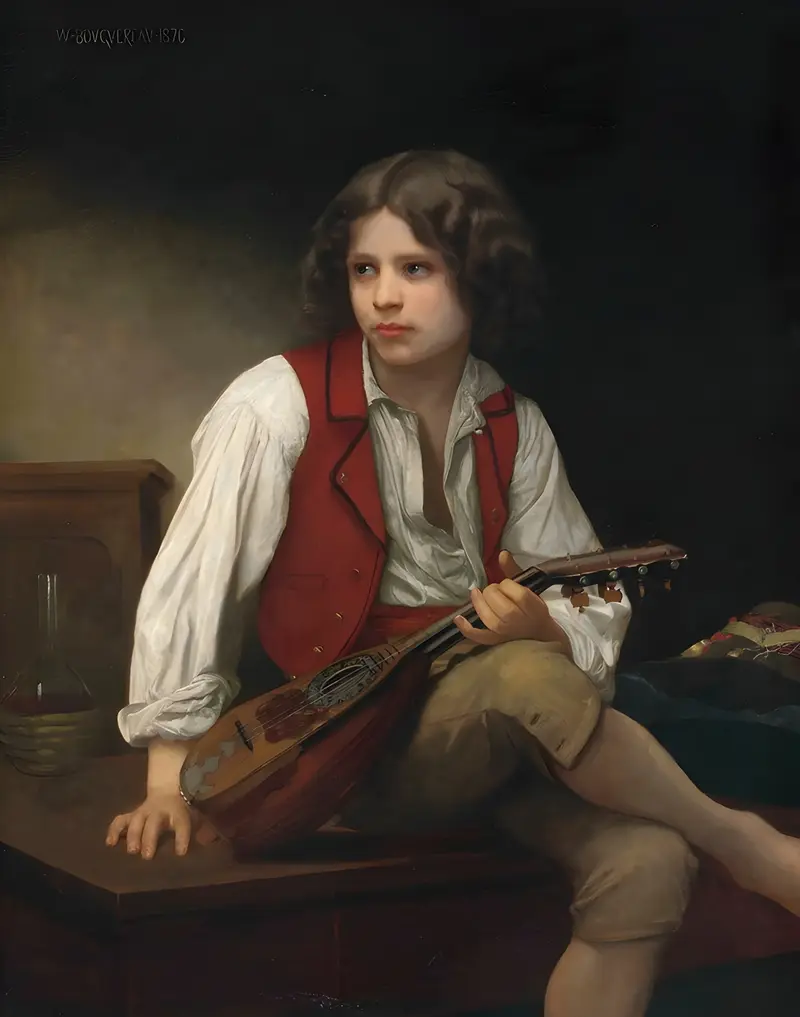
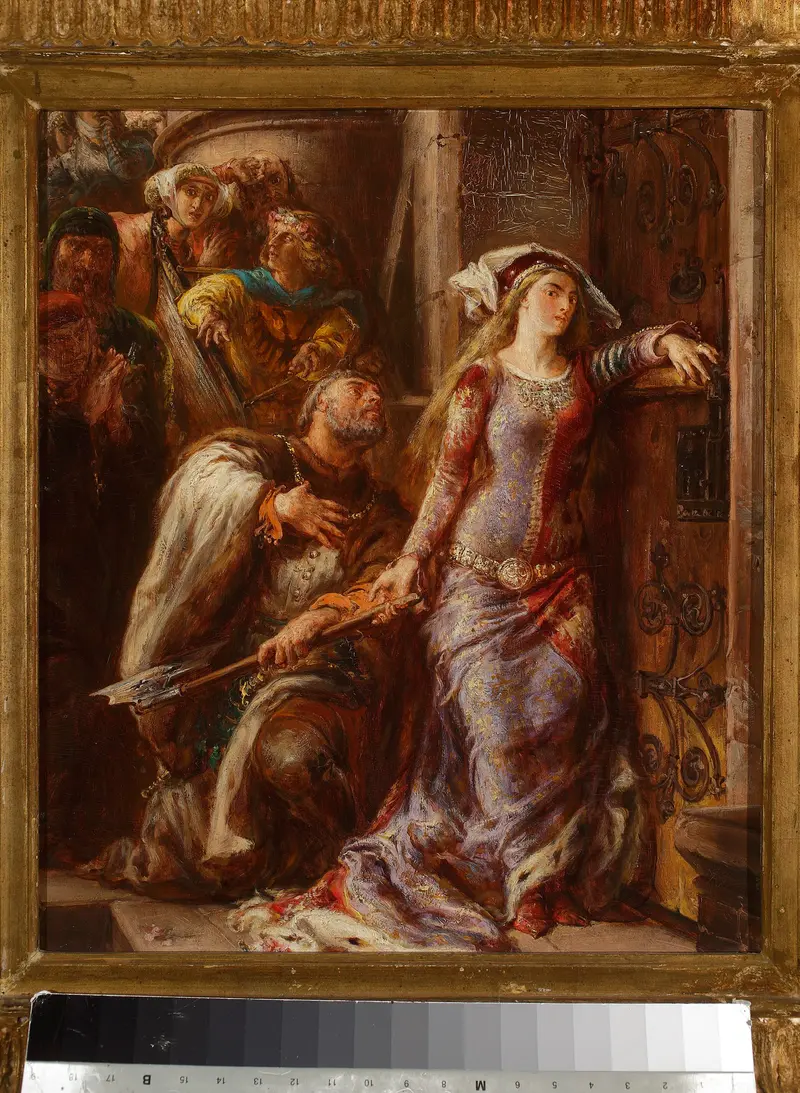
Portraits, figure paintings, genre scenes, history and religious paintings, drawings and myths. All public domain, free to download.




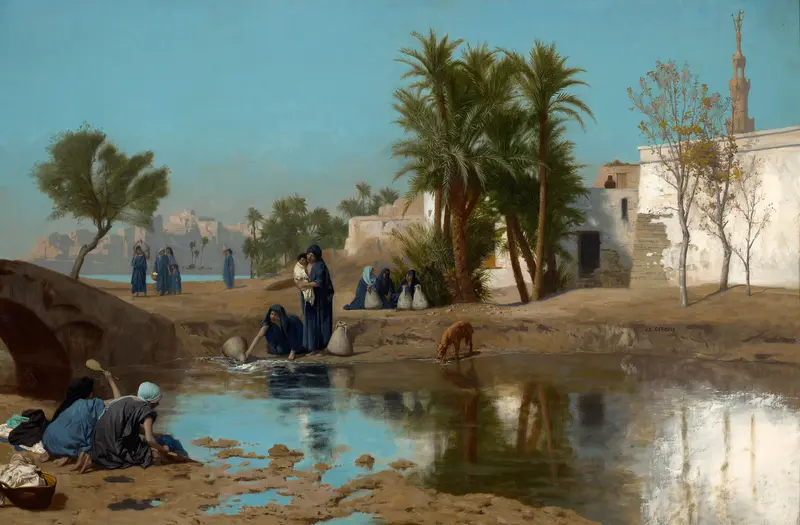
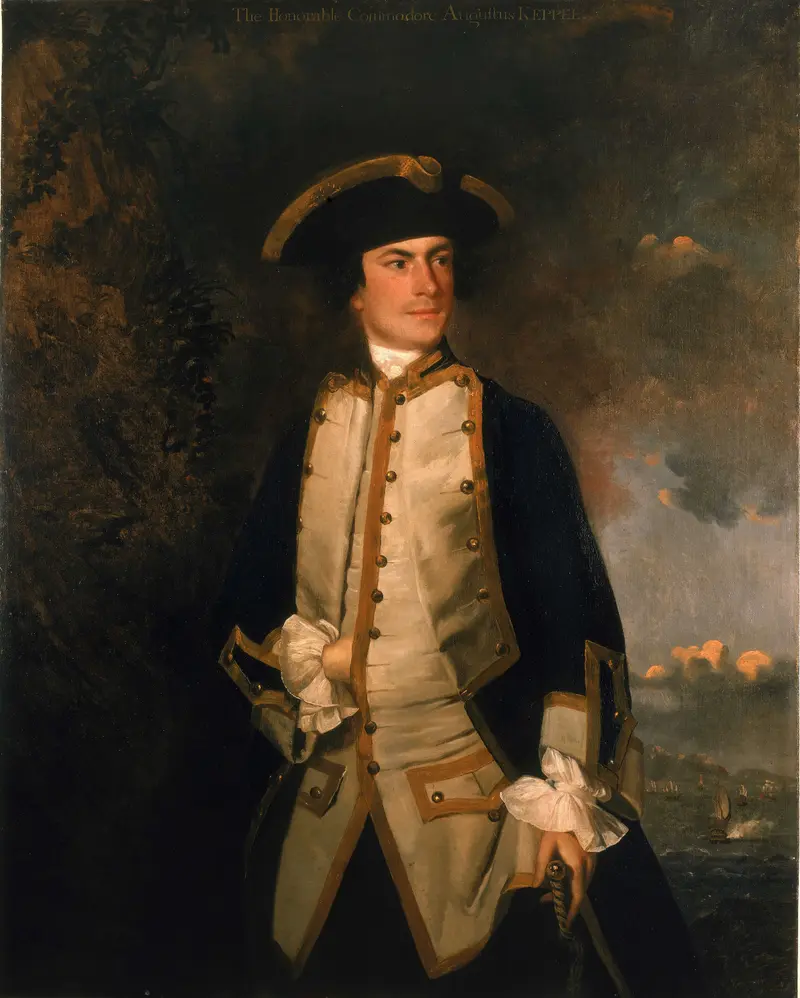
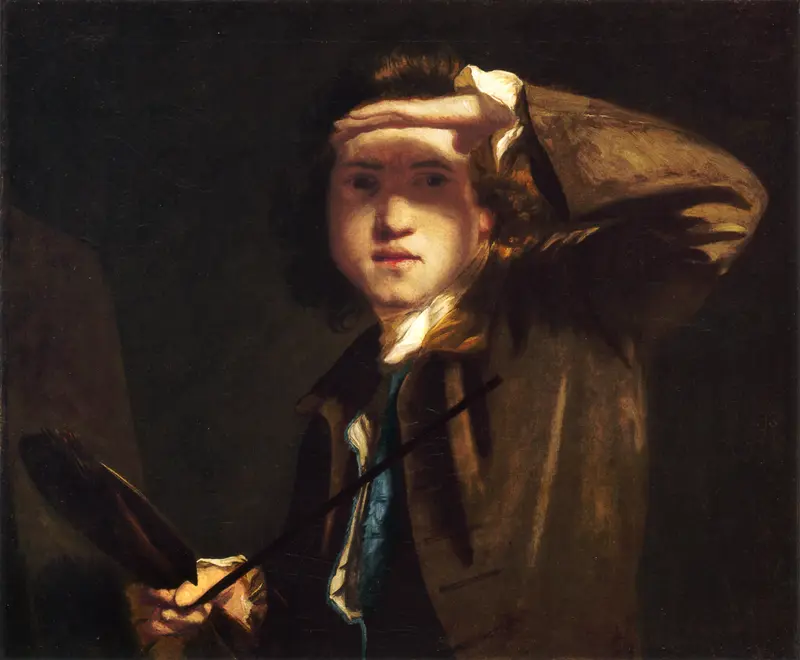
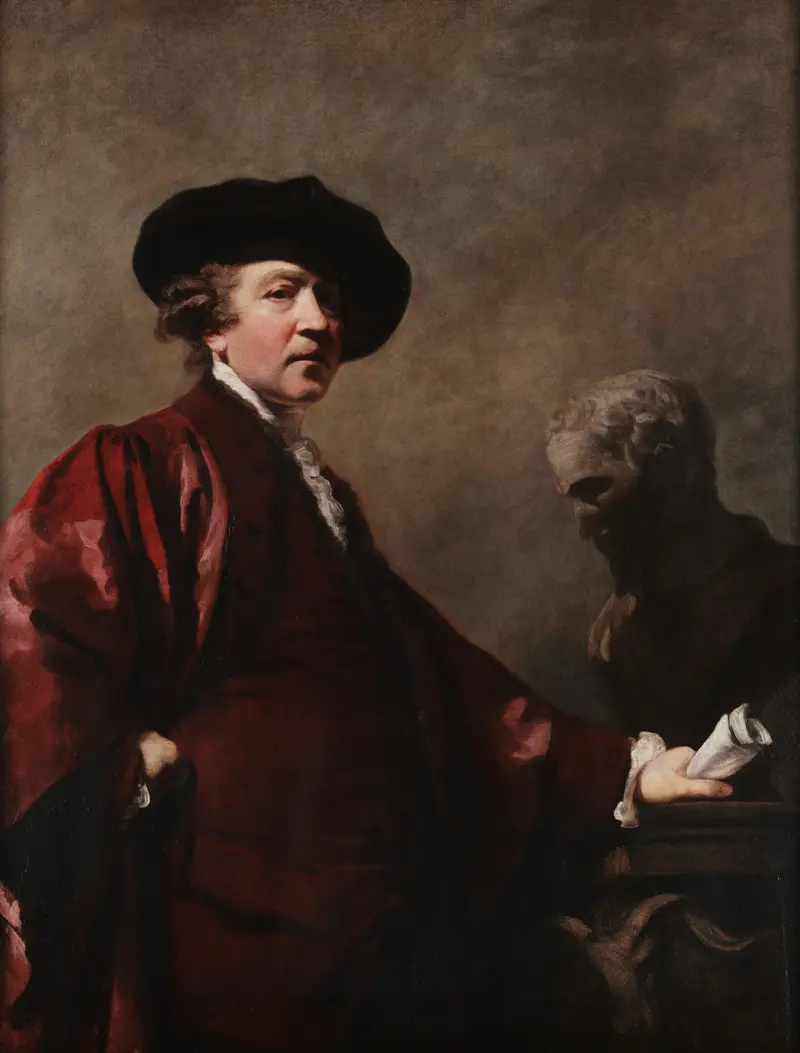

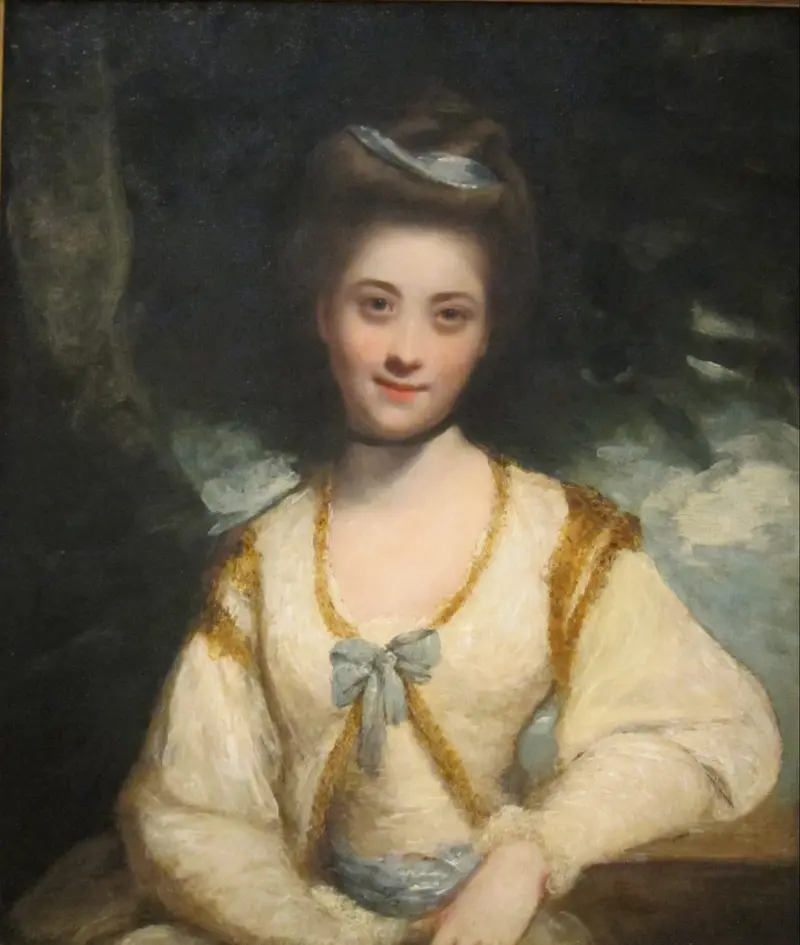
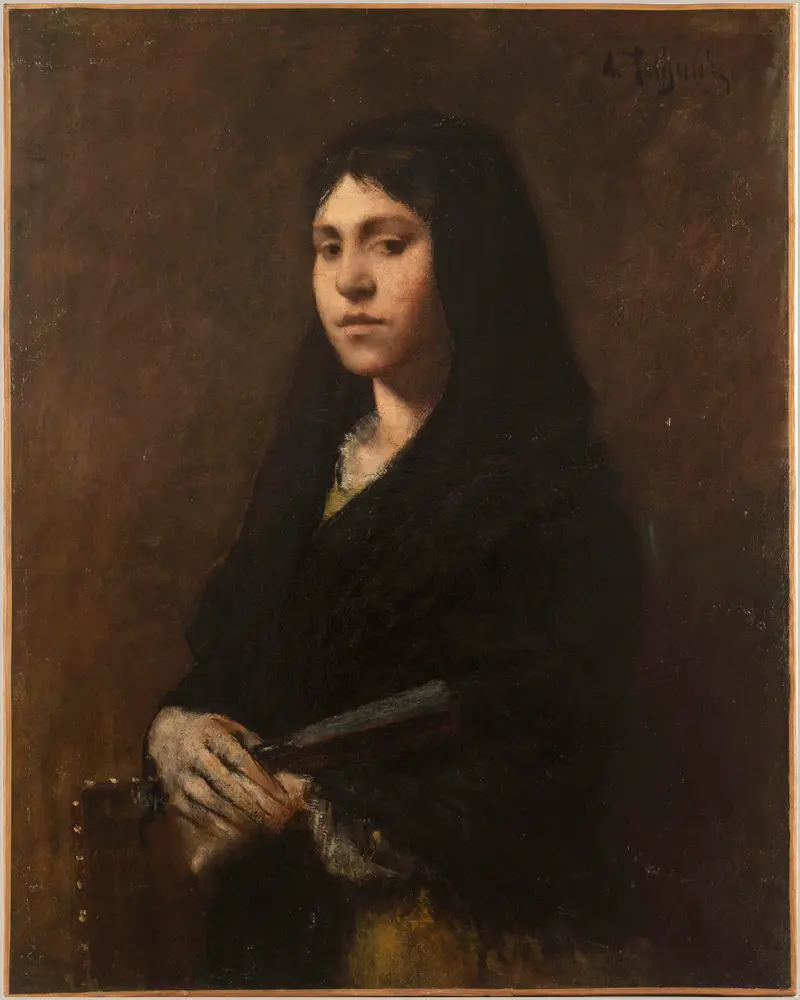

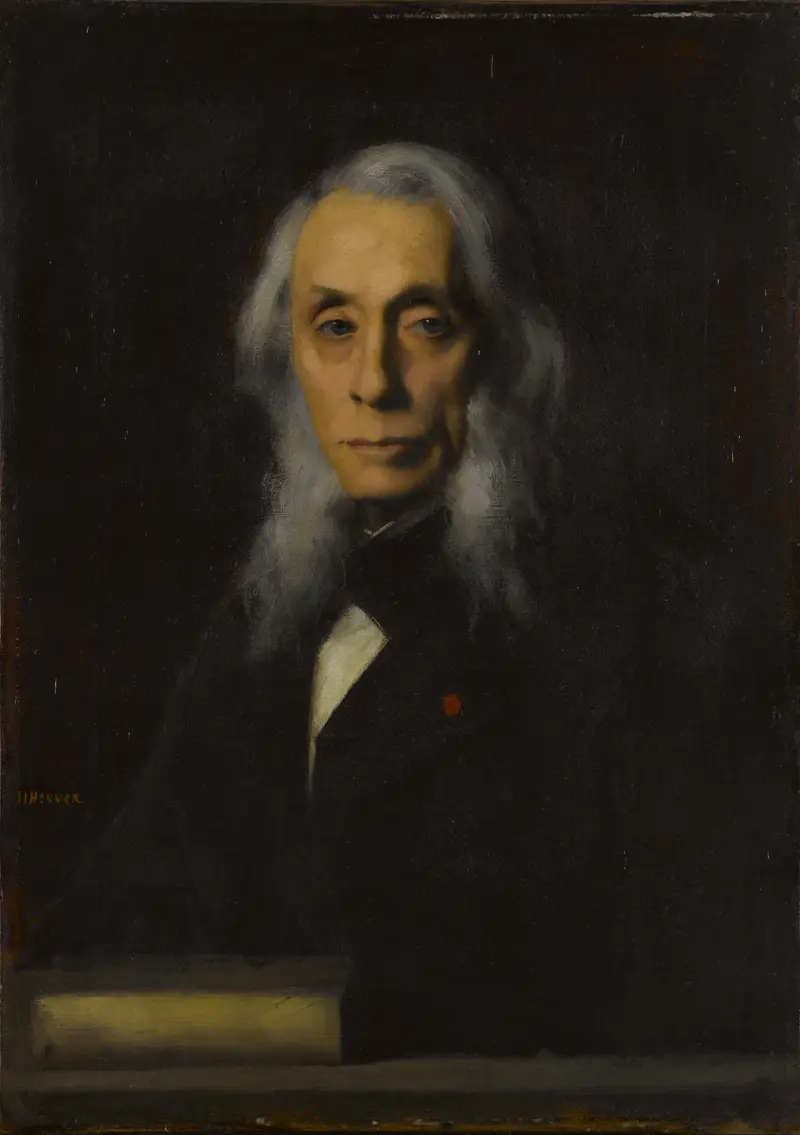
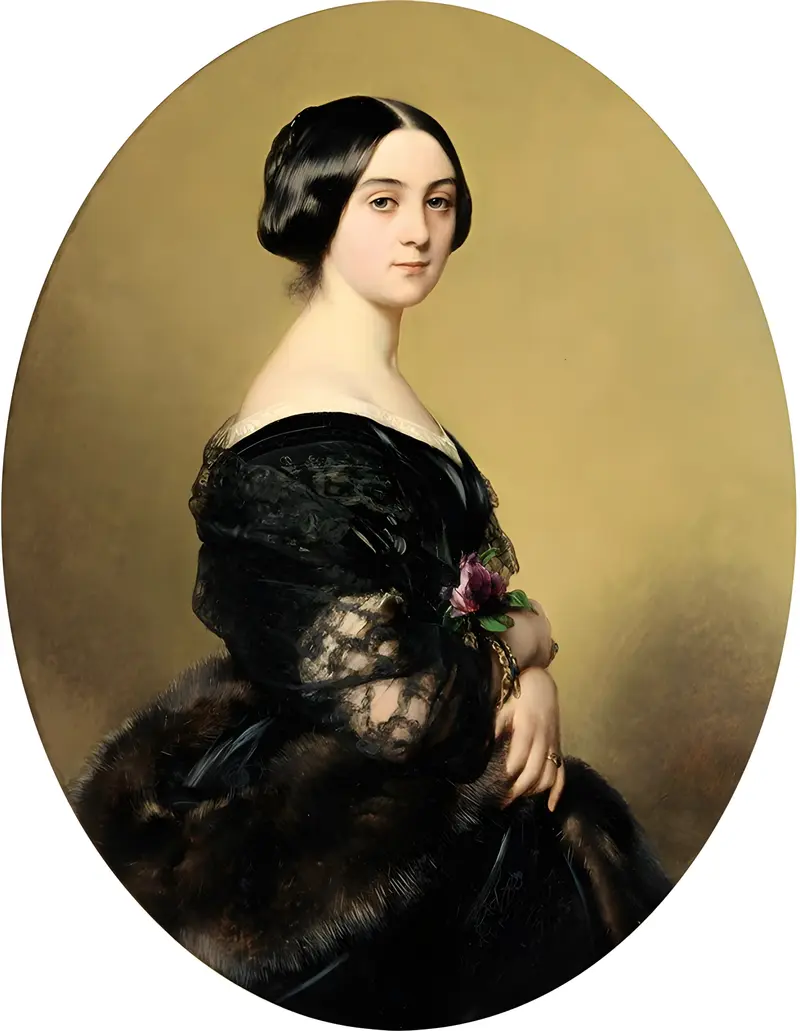
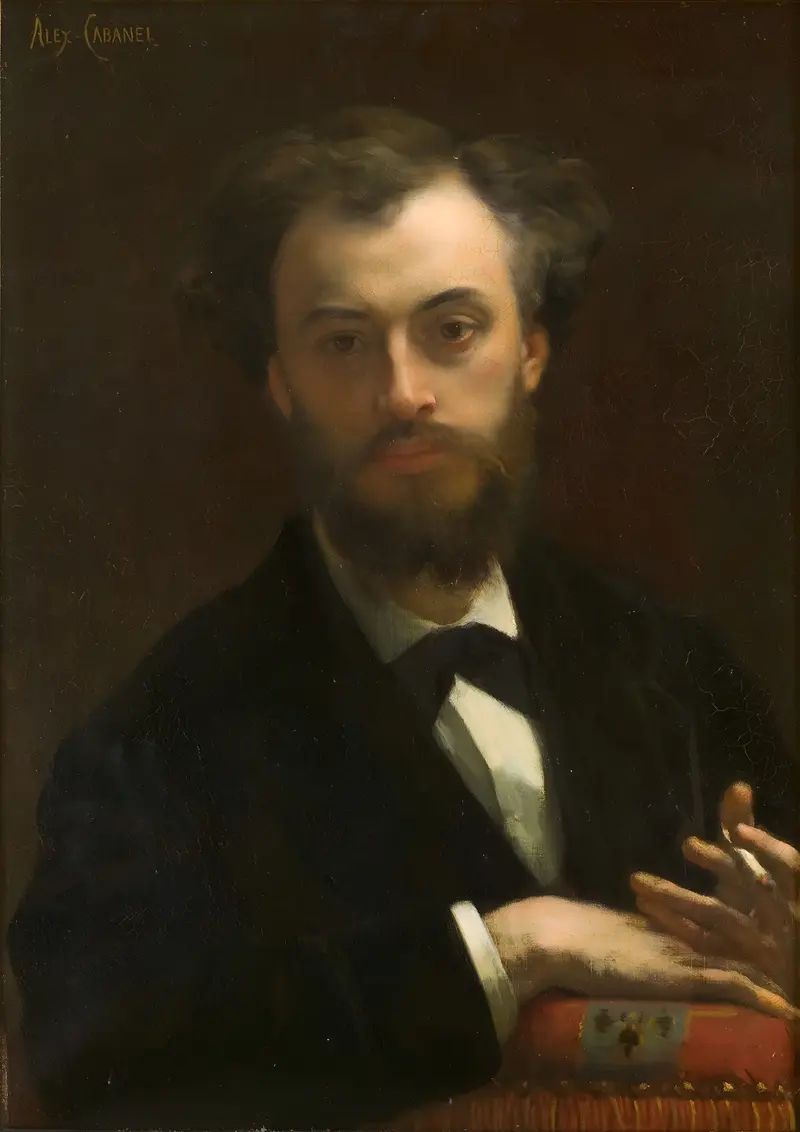

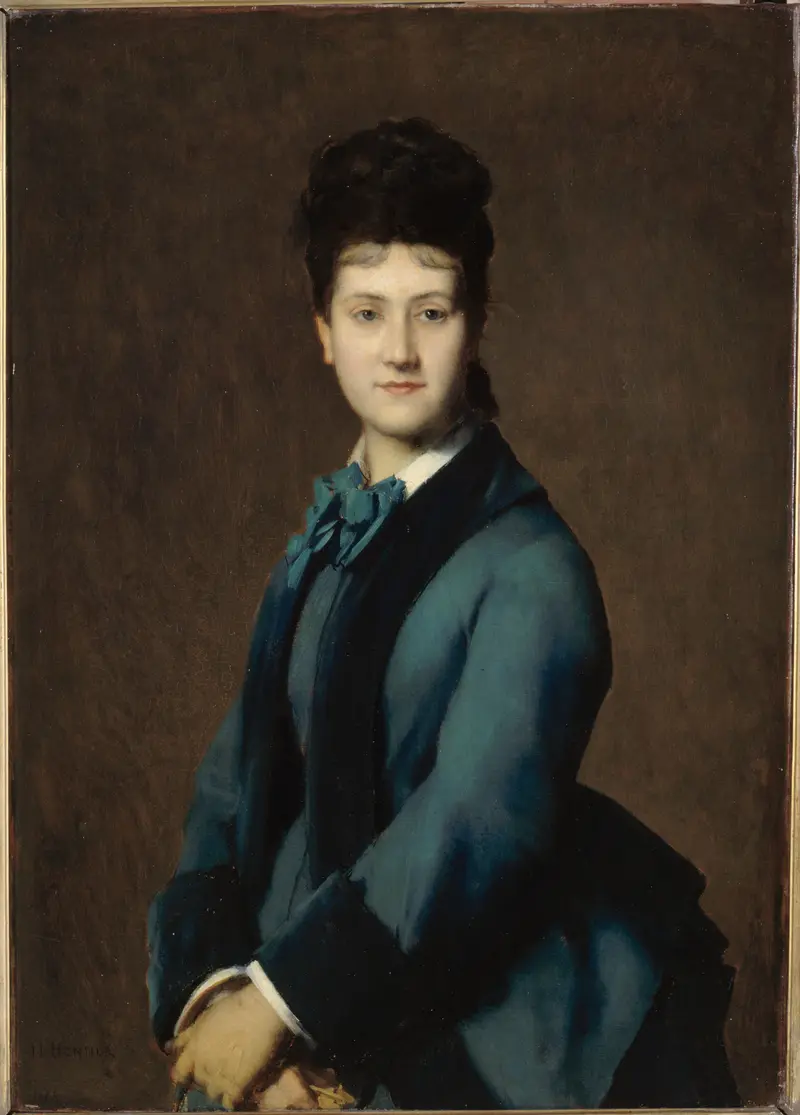
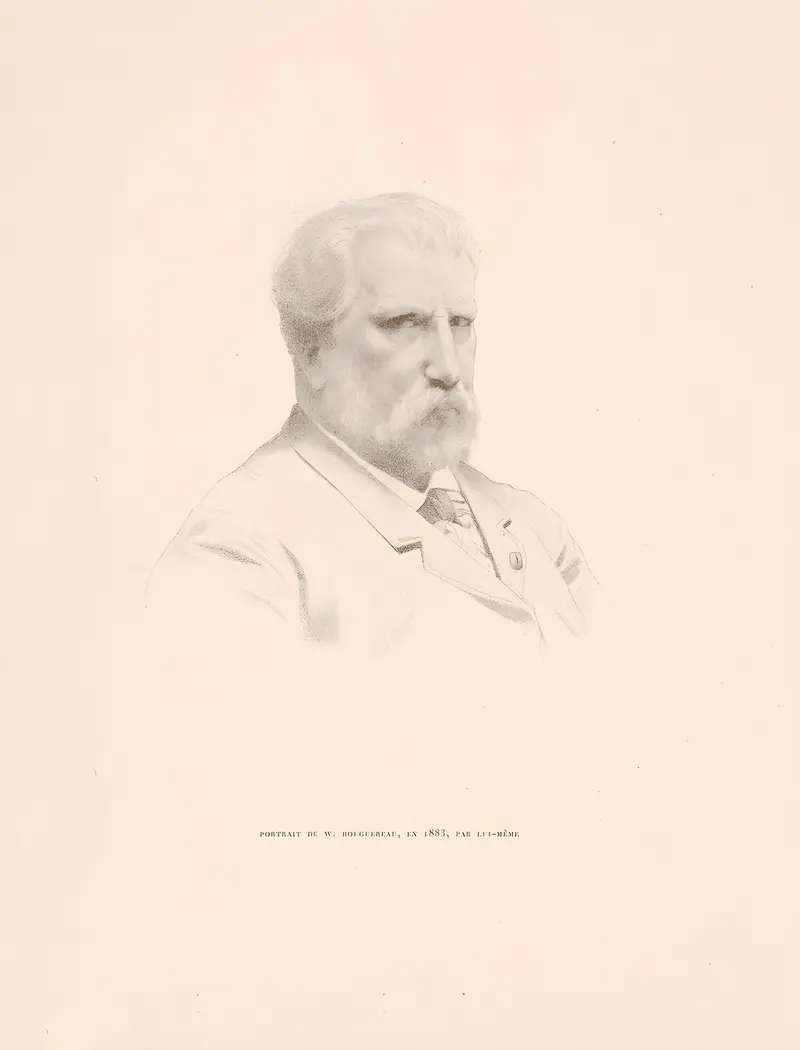
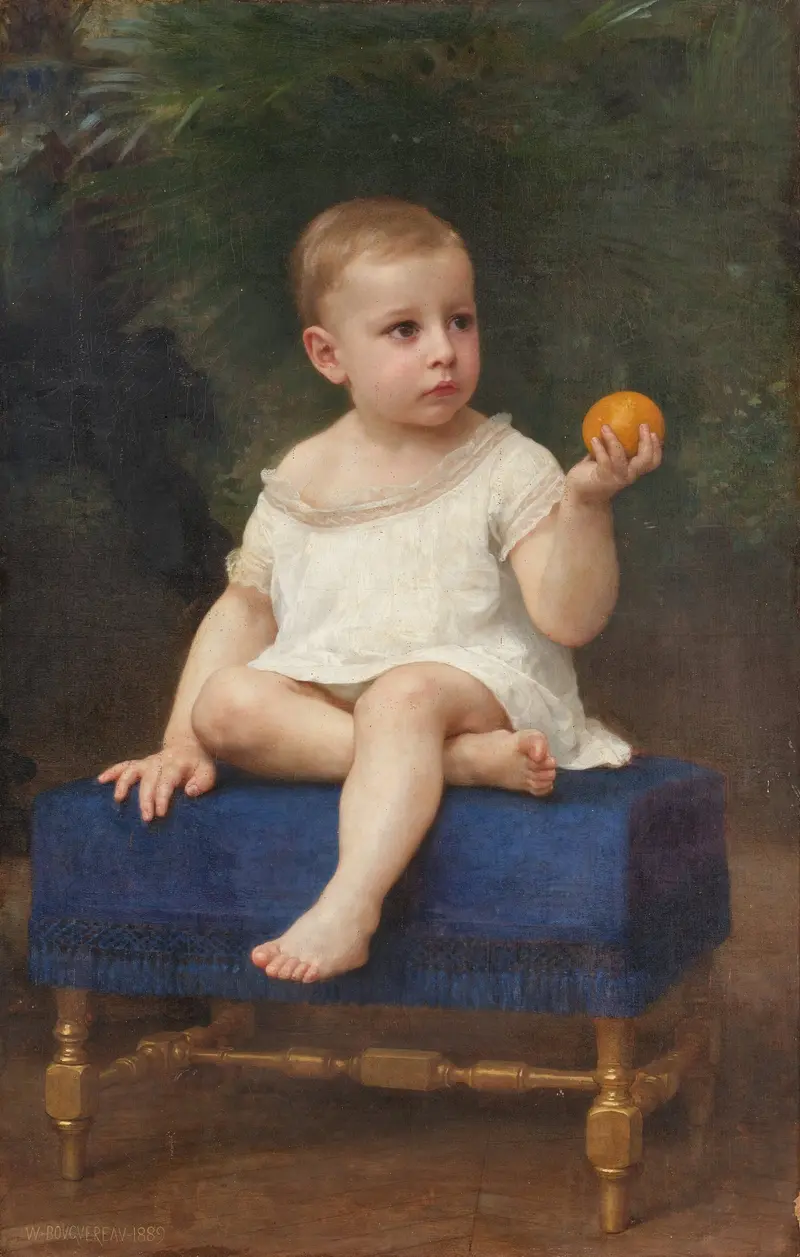
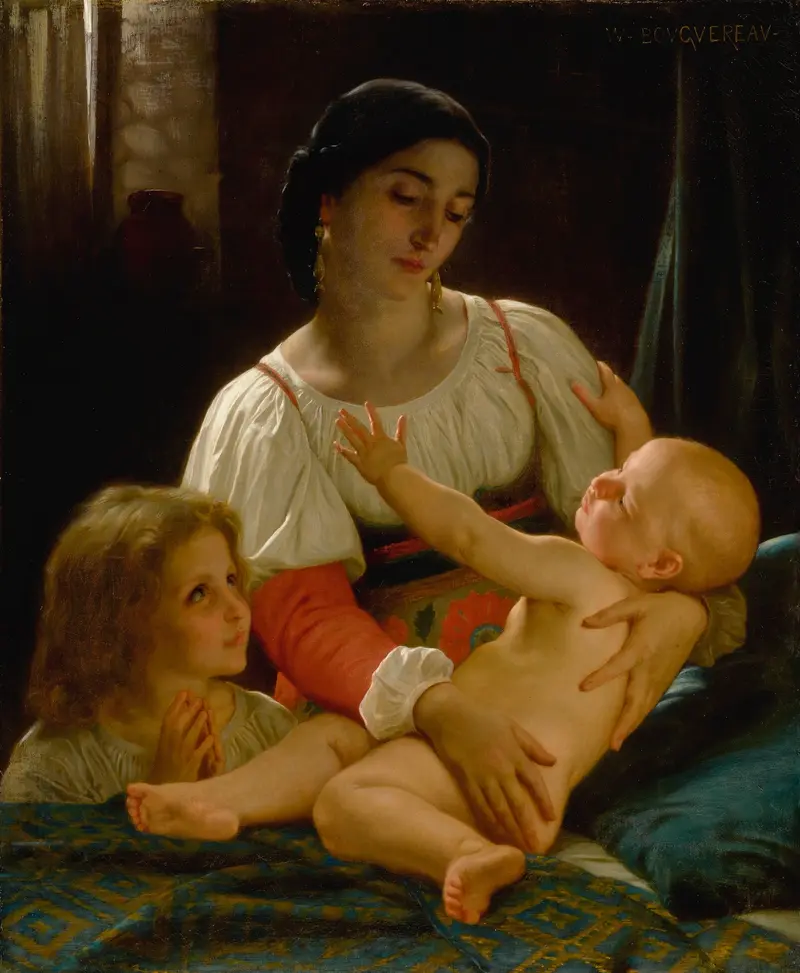
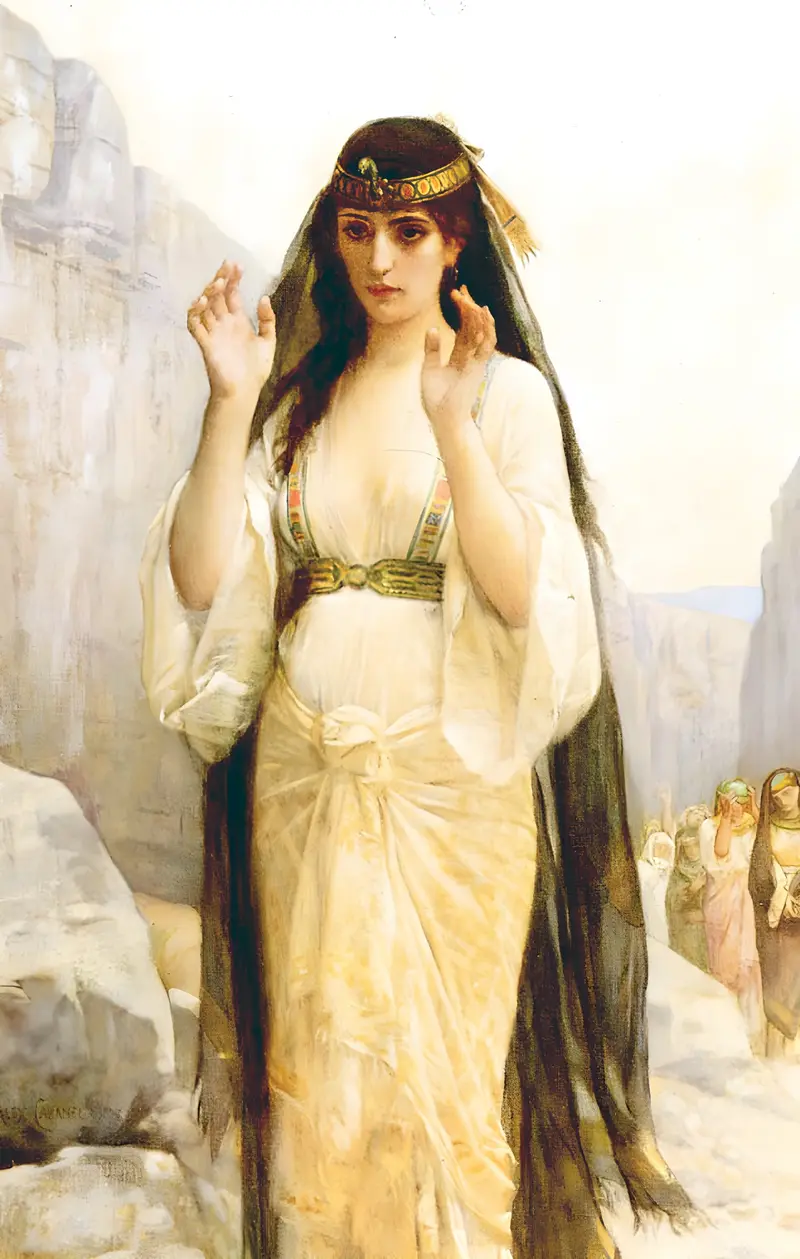
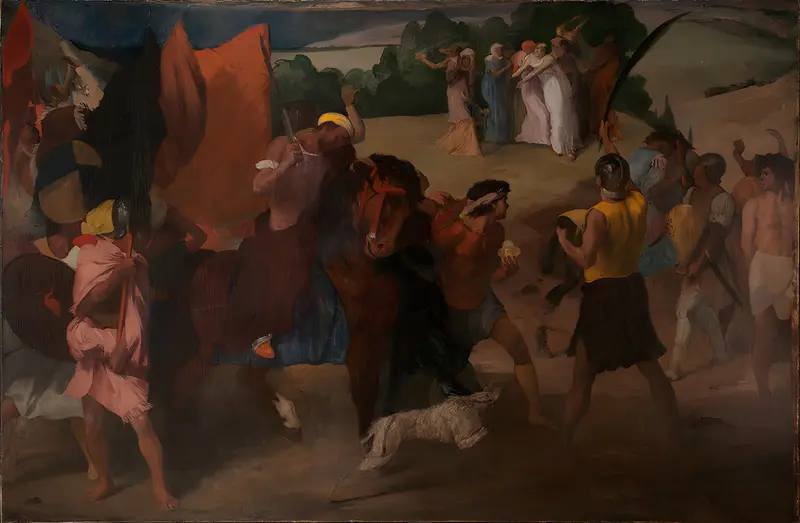
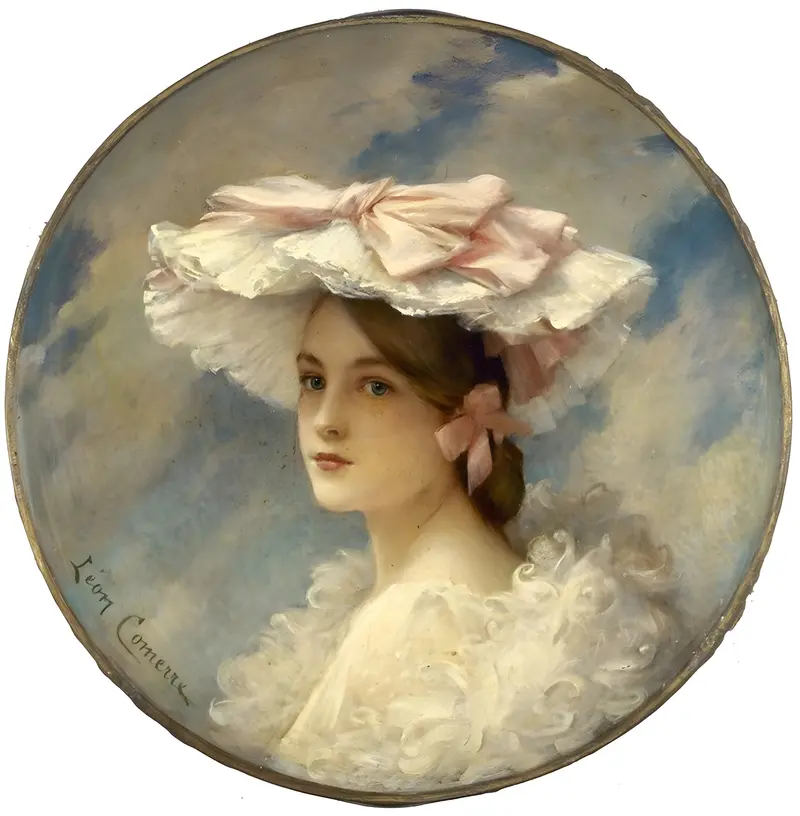
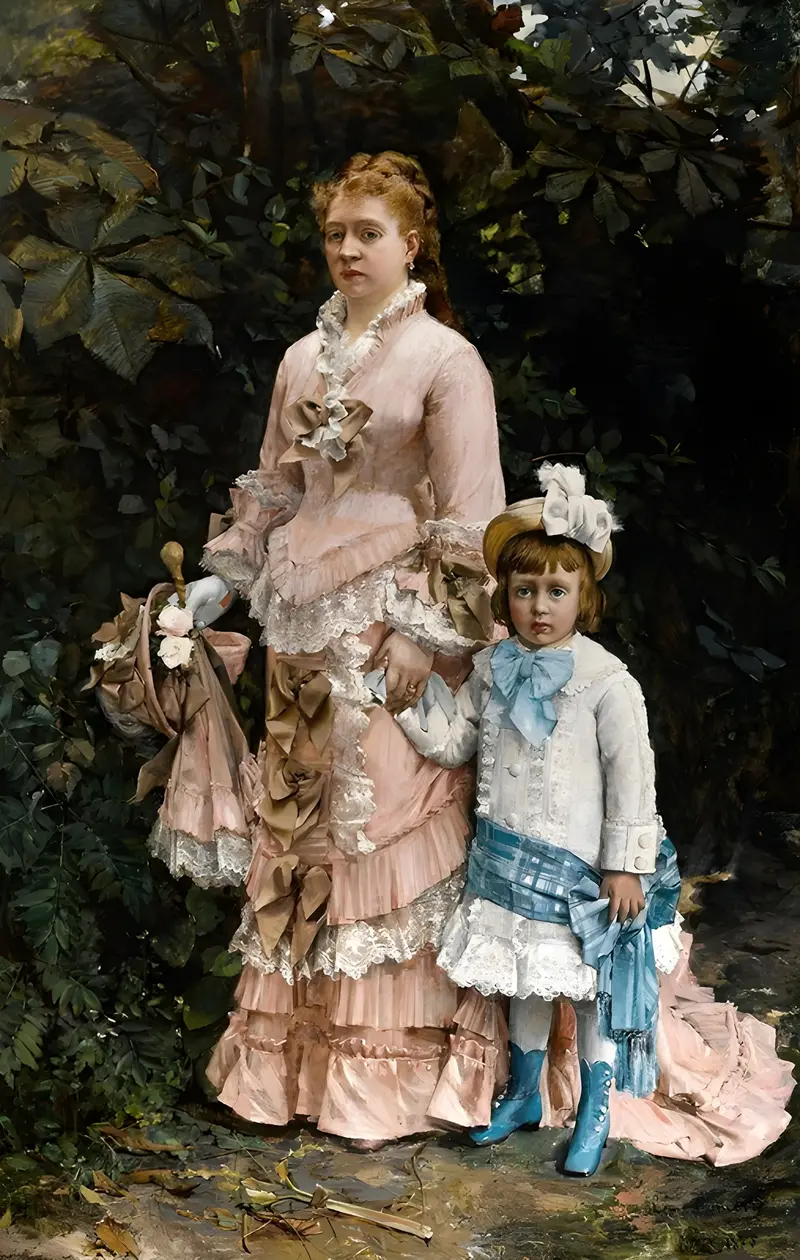
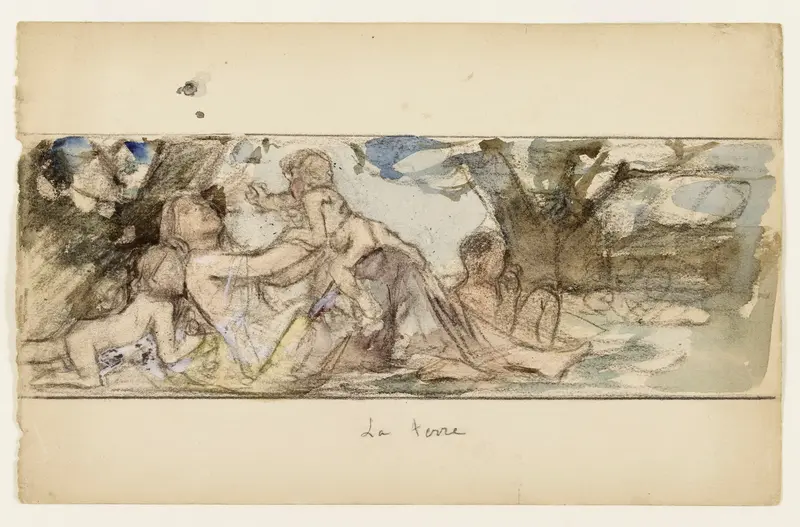
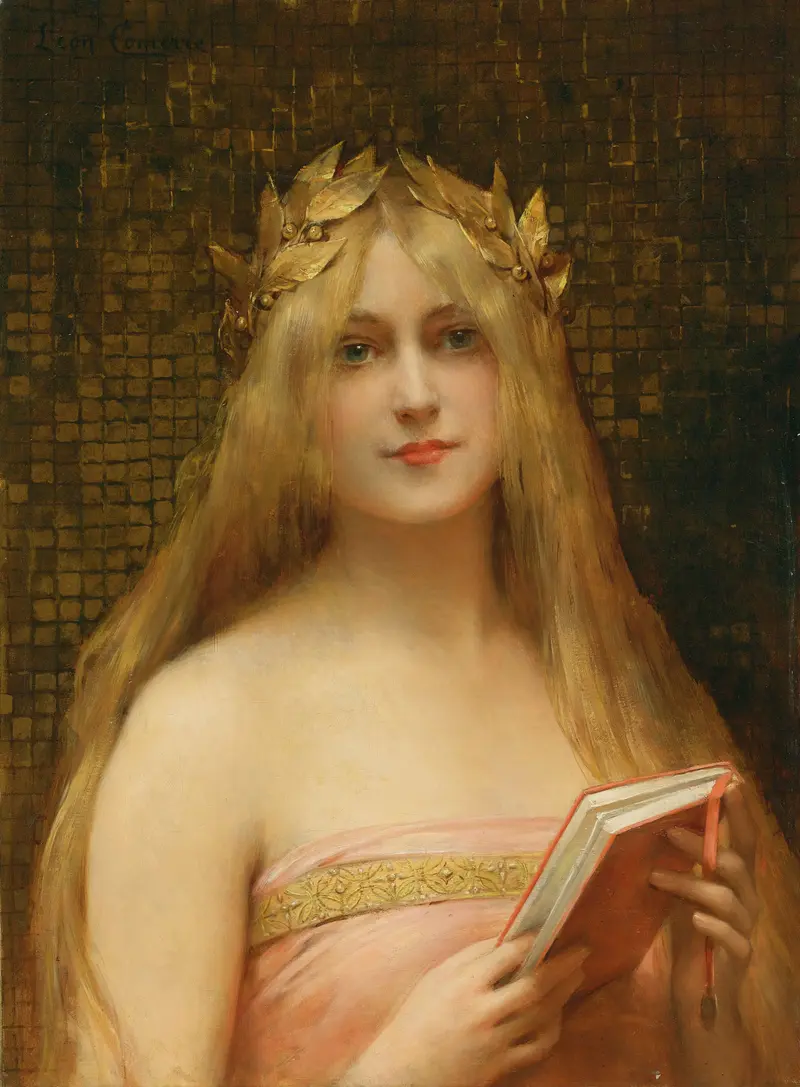
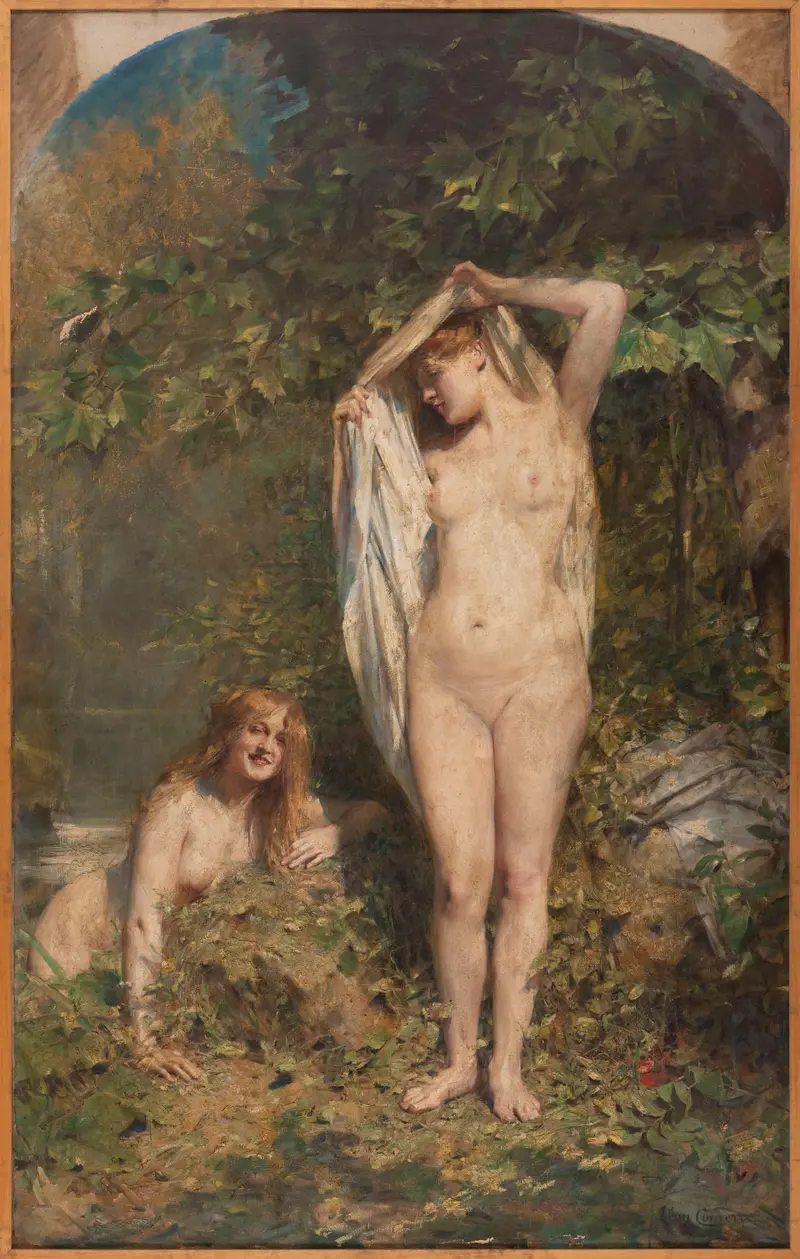
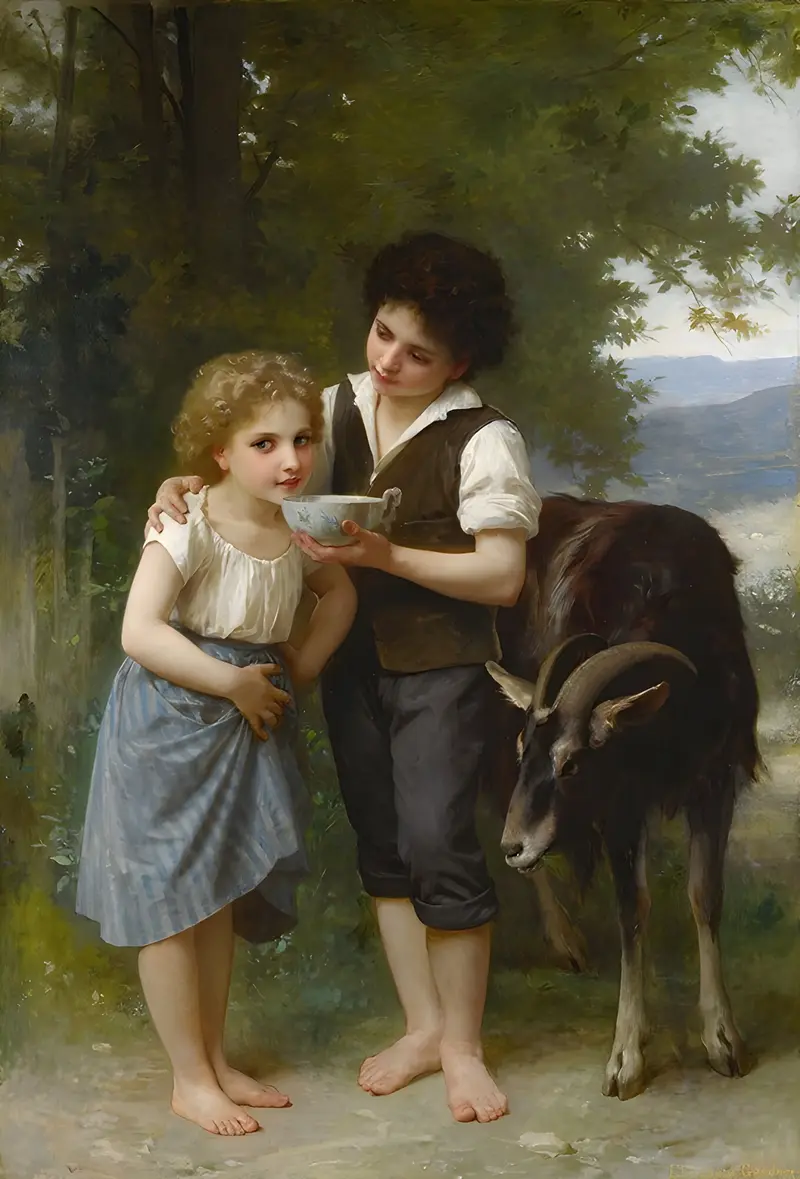

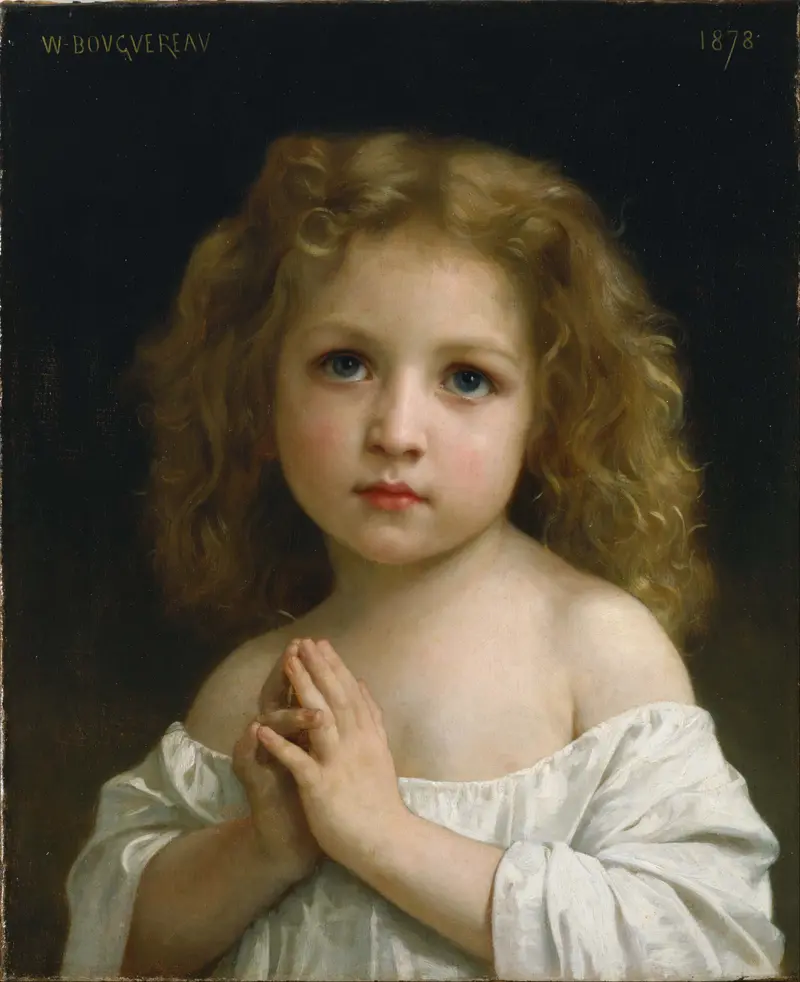
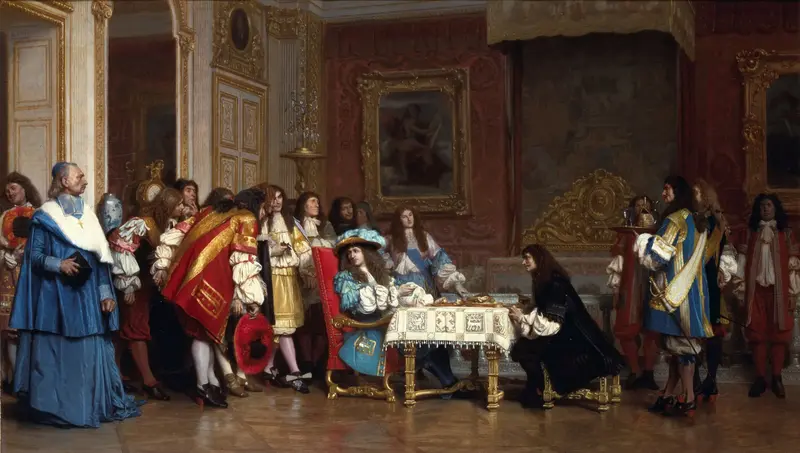
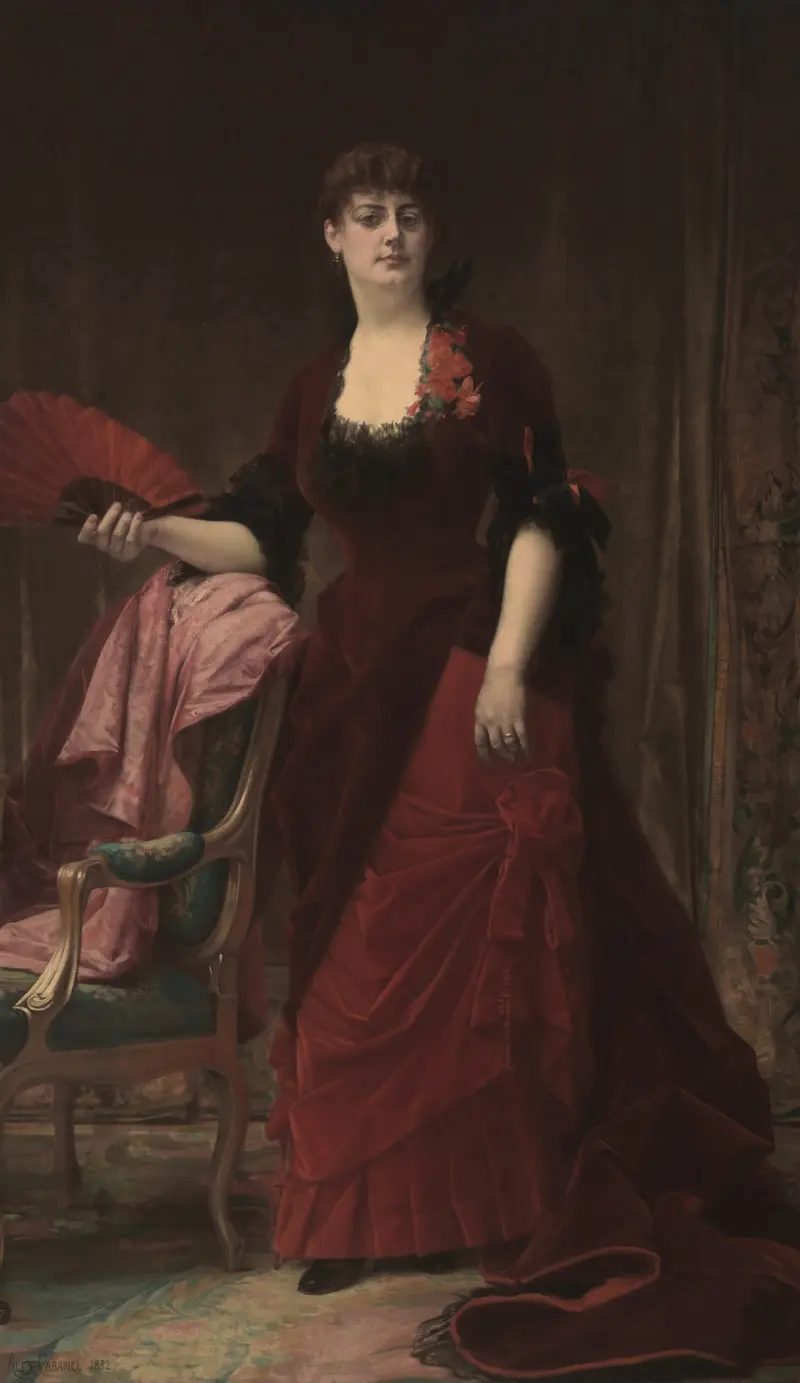
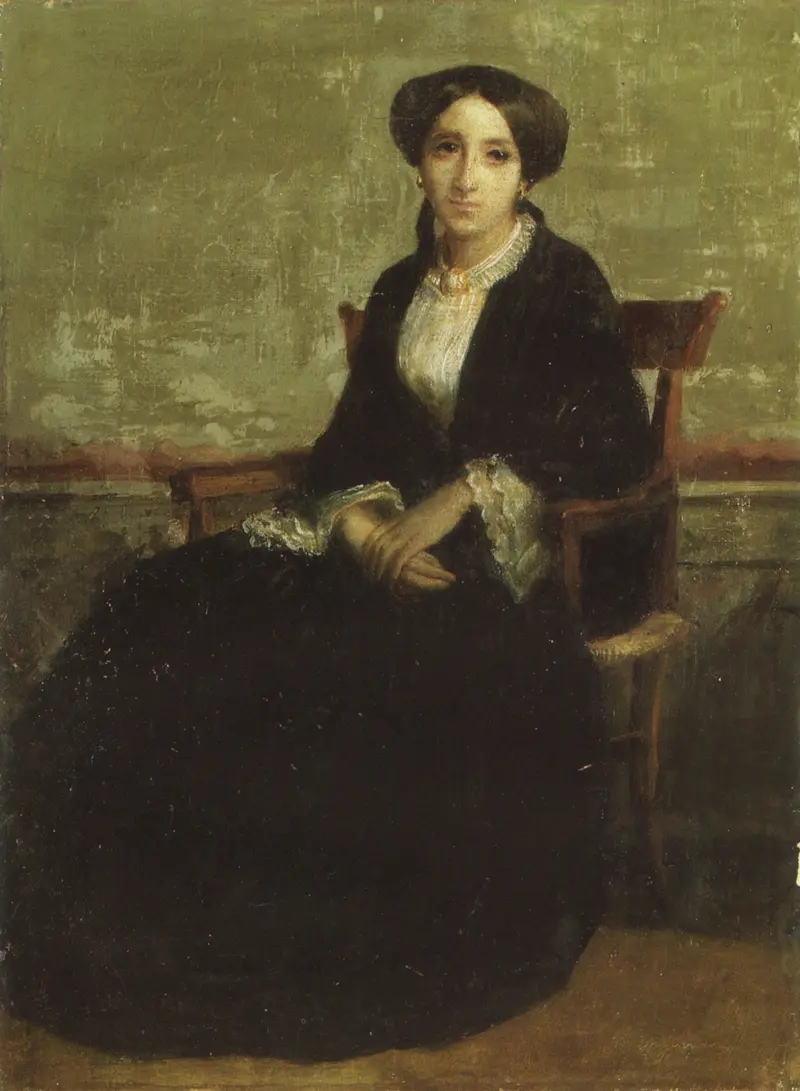
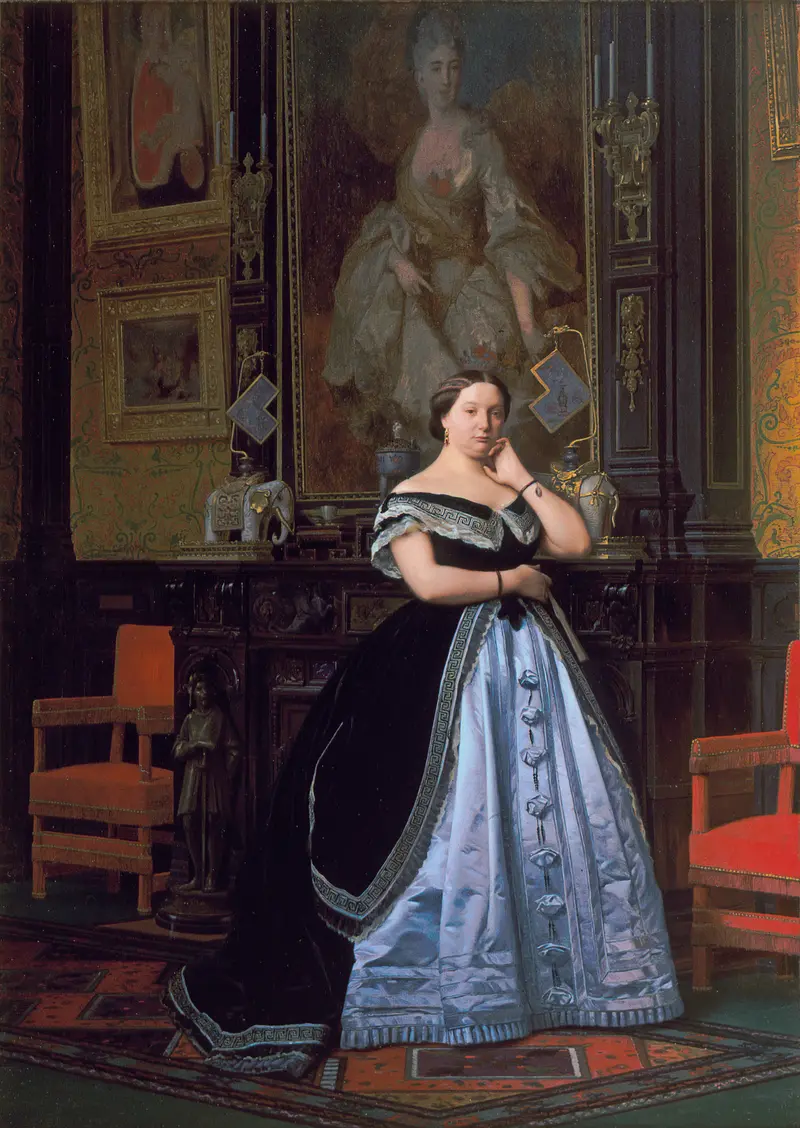

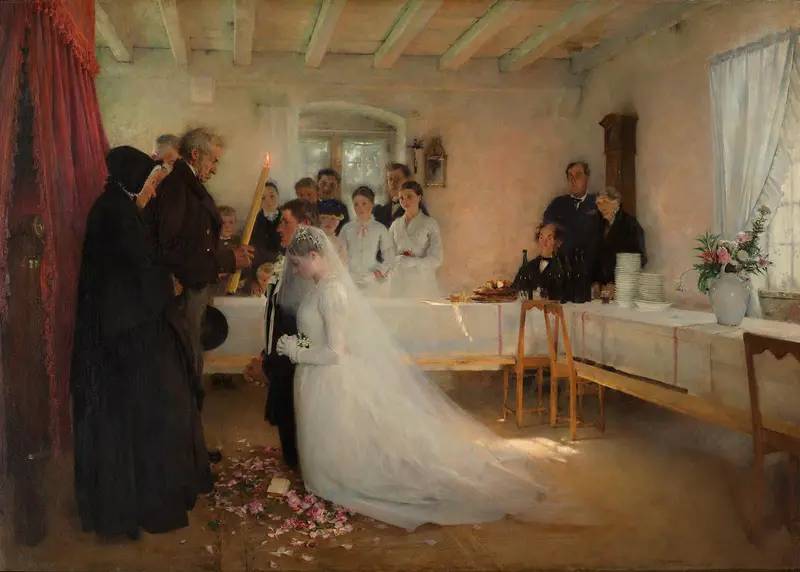
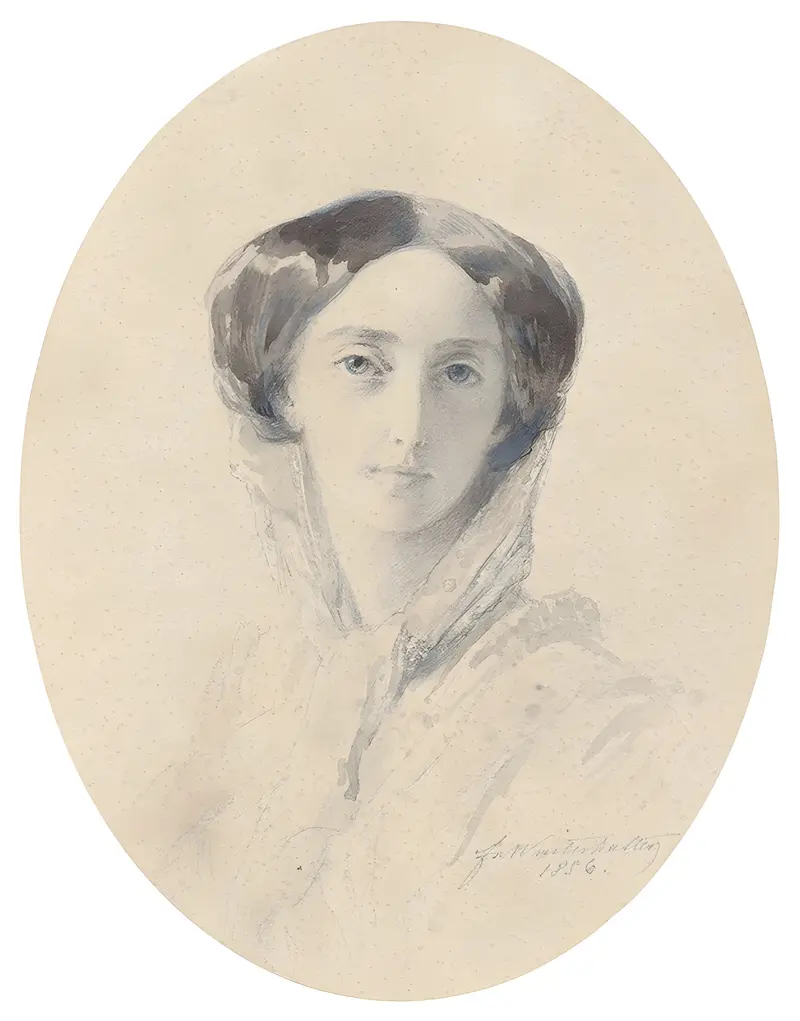
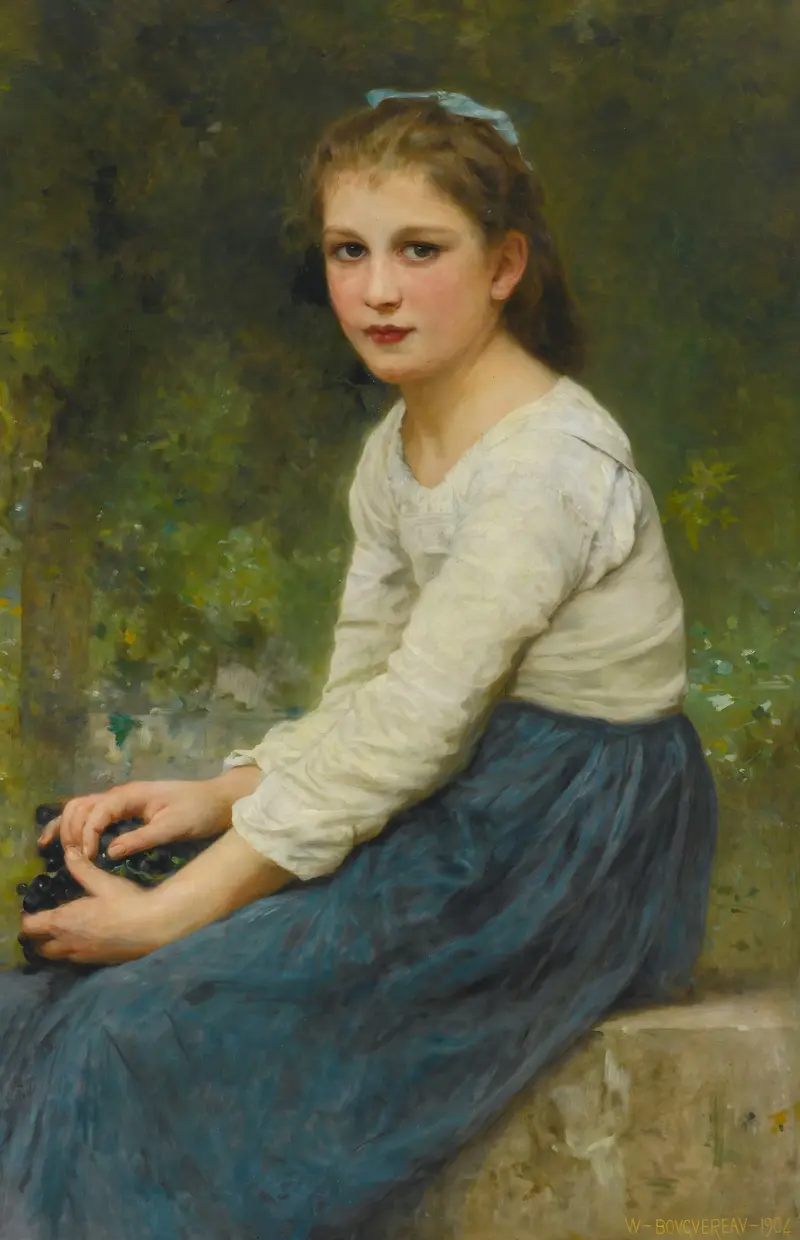
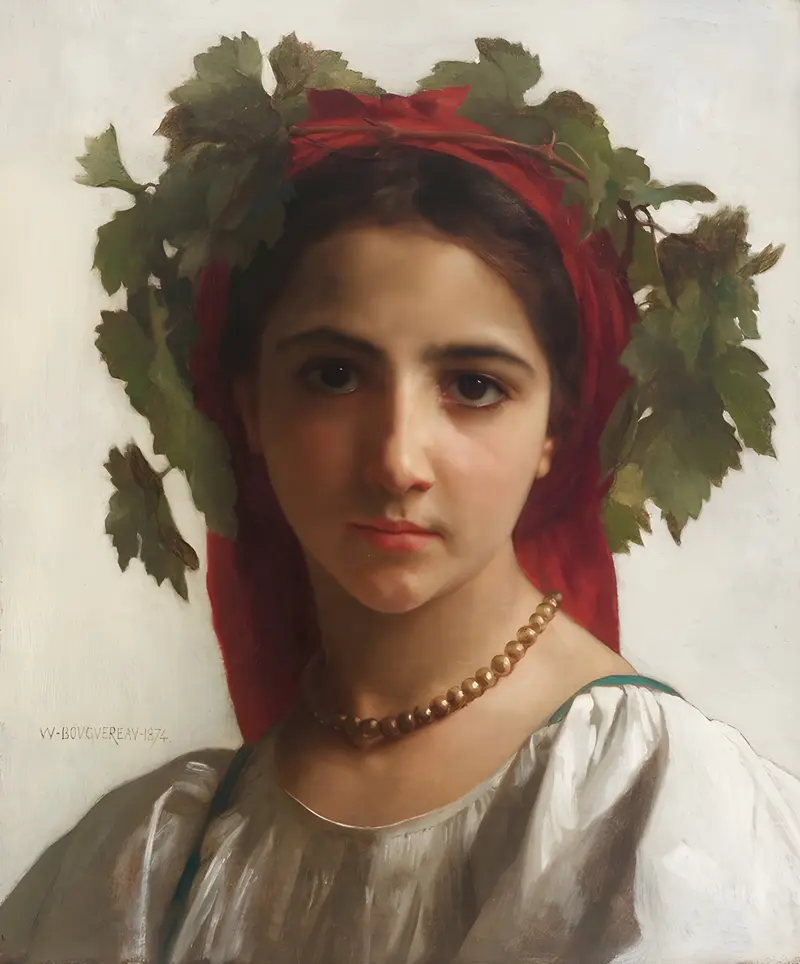
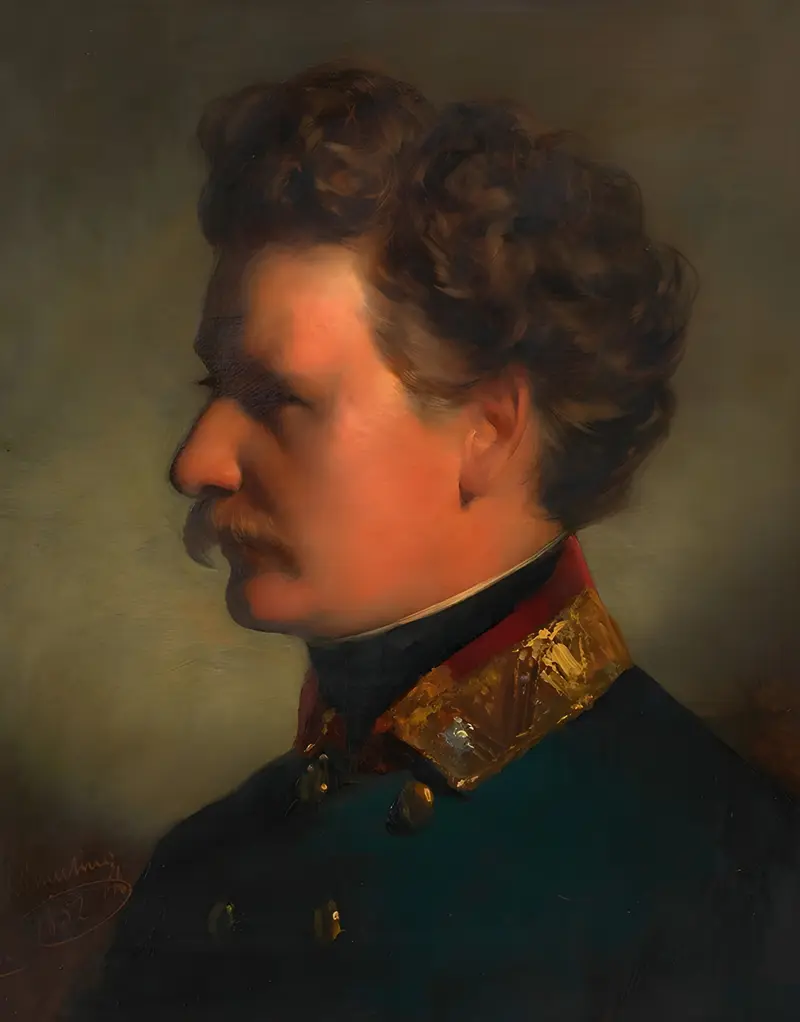
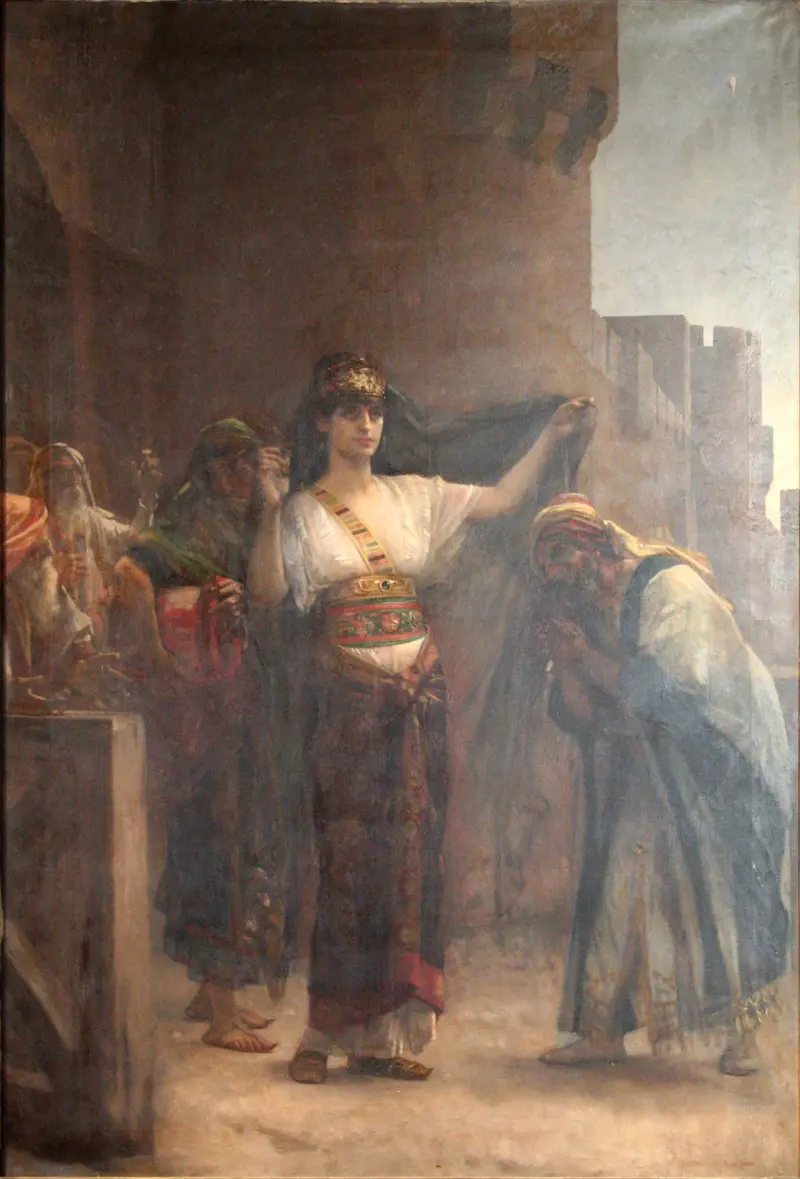
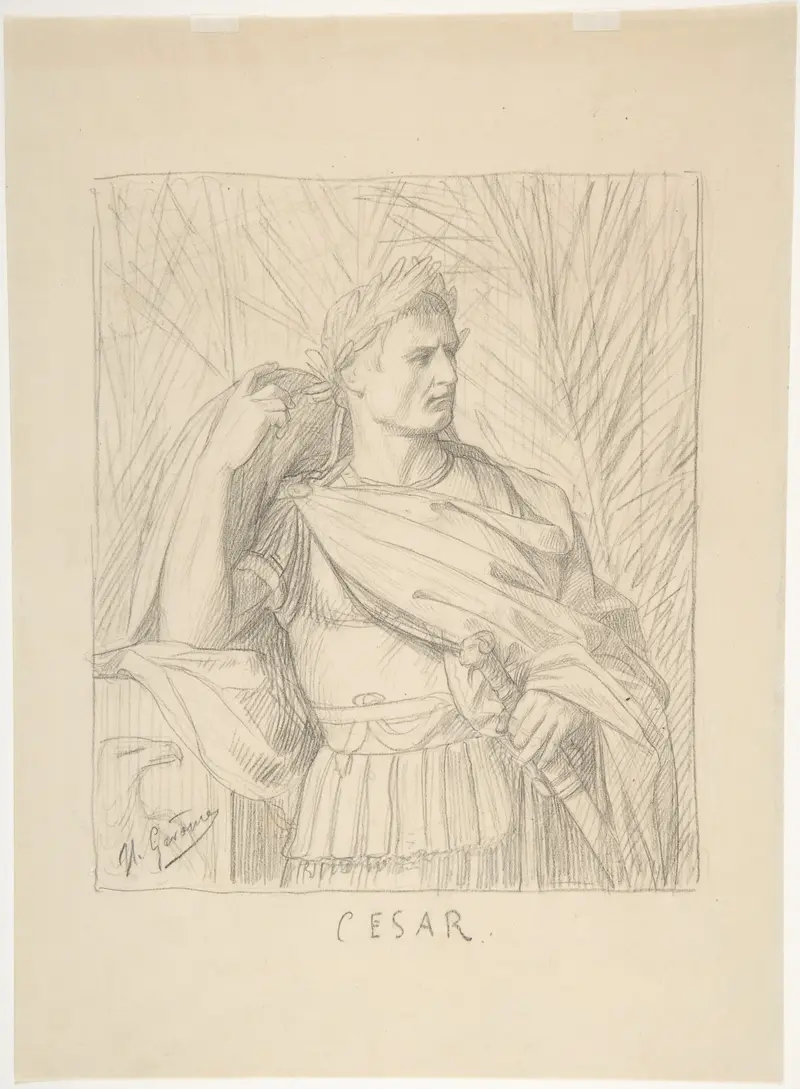
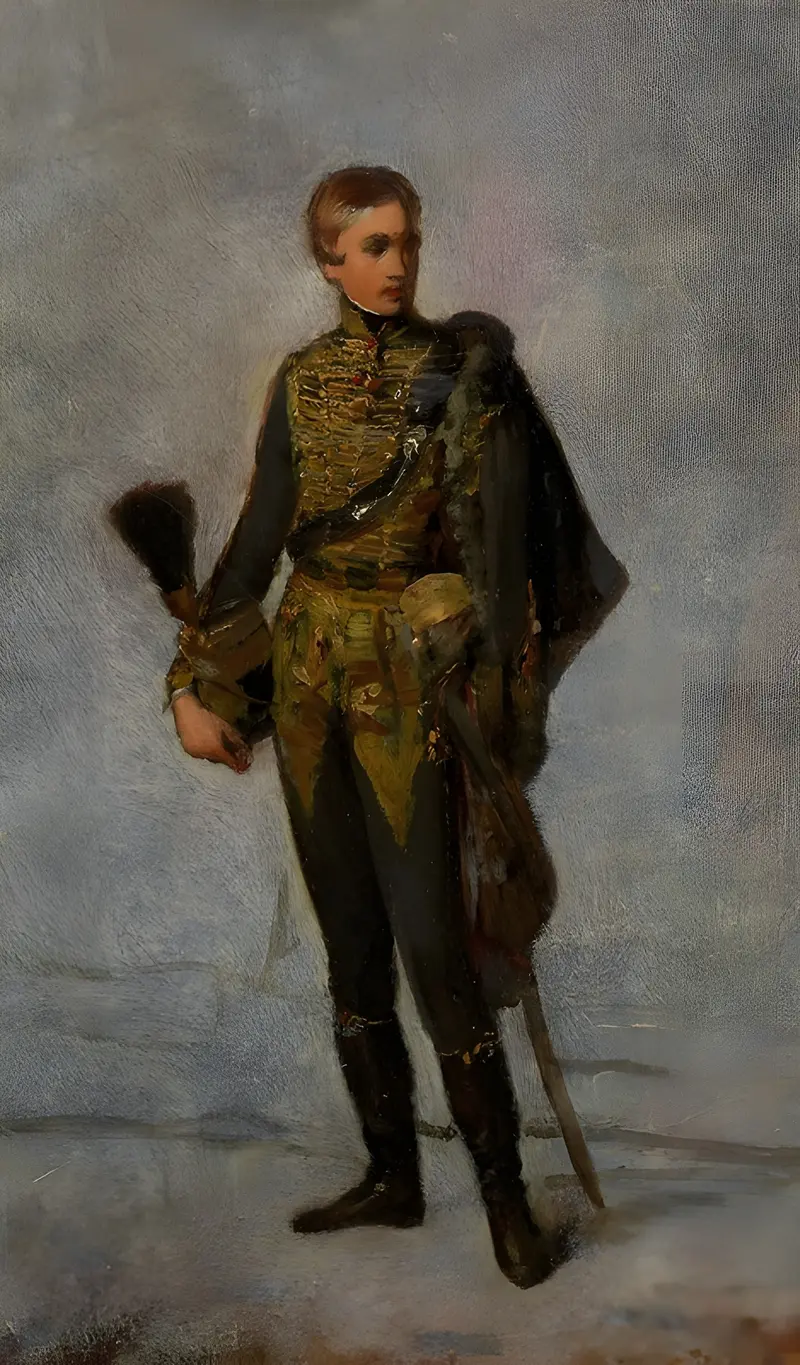
Famous academic paintings
The best-known academic paintings, from the Paris Salon and beyond. Click any painting to see it up close and download it free.
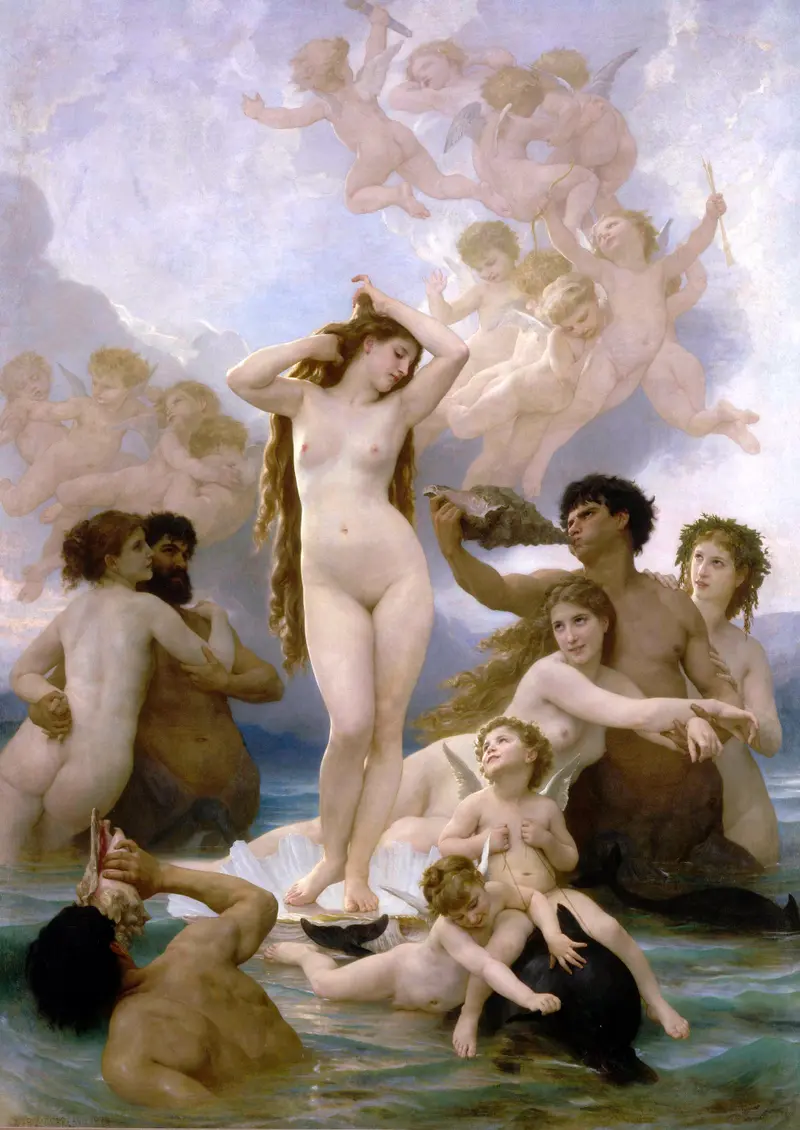 The Birth of VenusWilliam Bouguereau
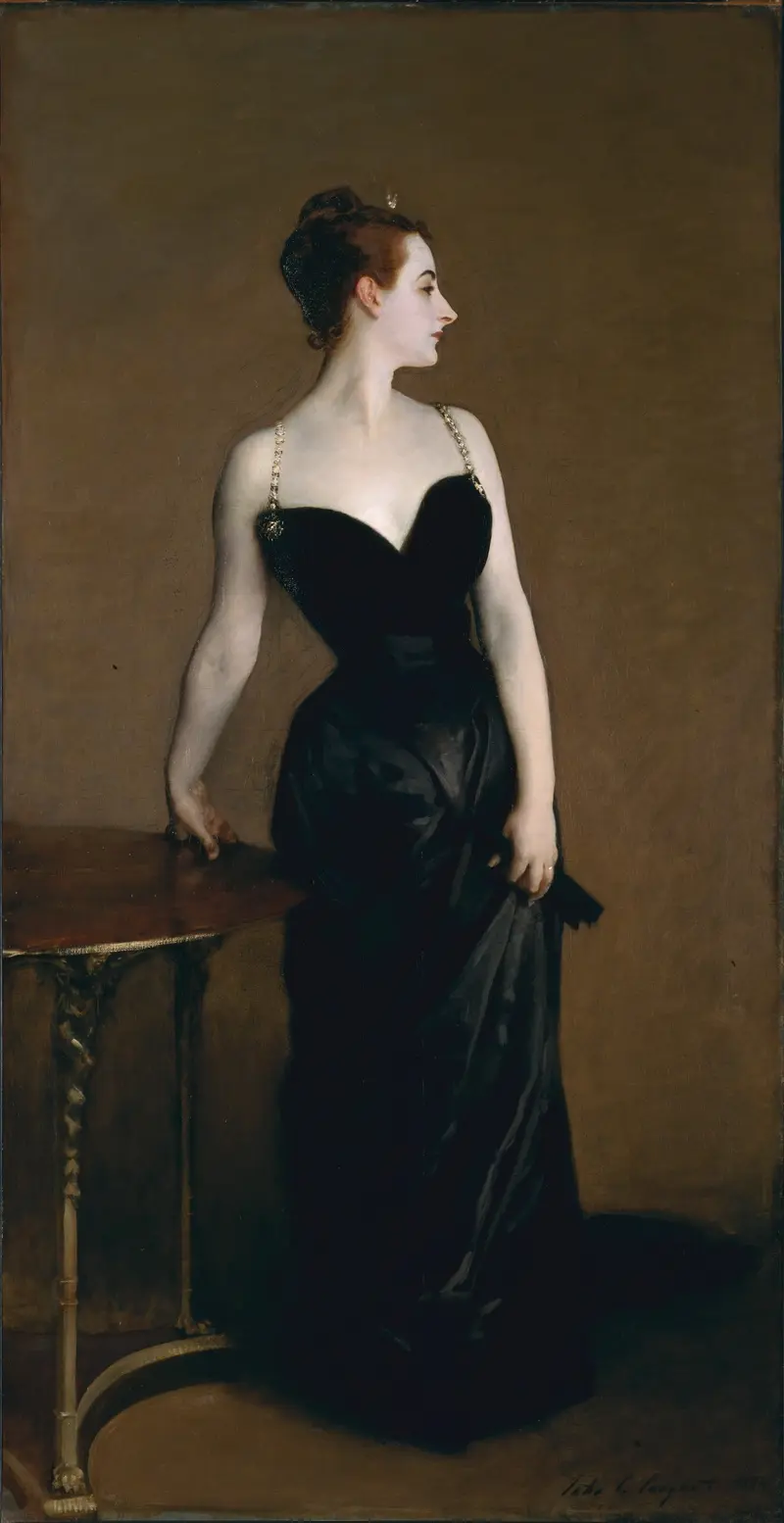 Madame X (Virginie Amélie Avegno Gautreau)John Singer Sargent
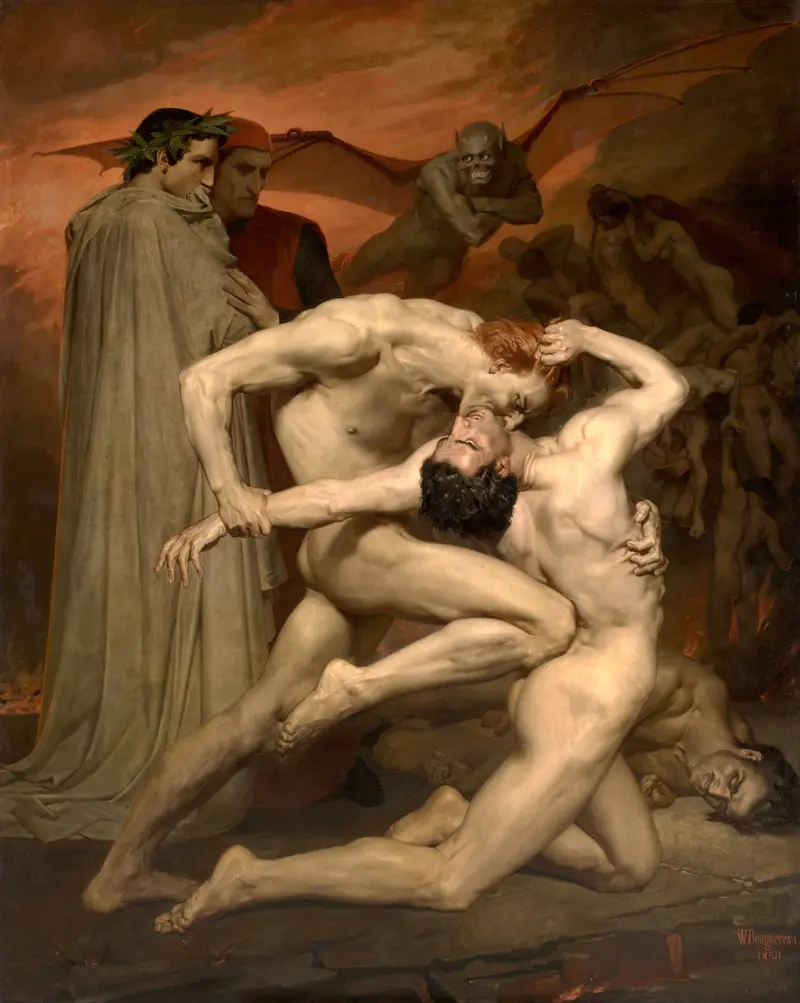 Dante and VirgilWilliam Bouguereau
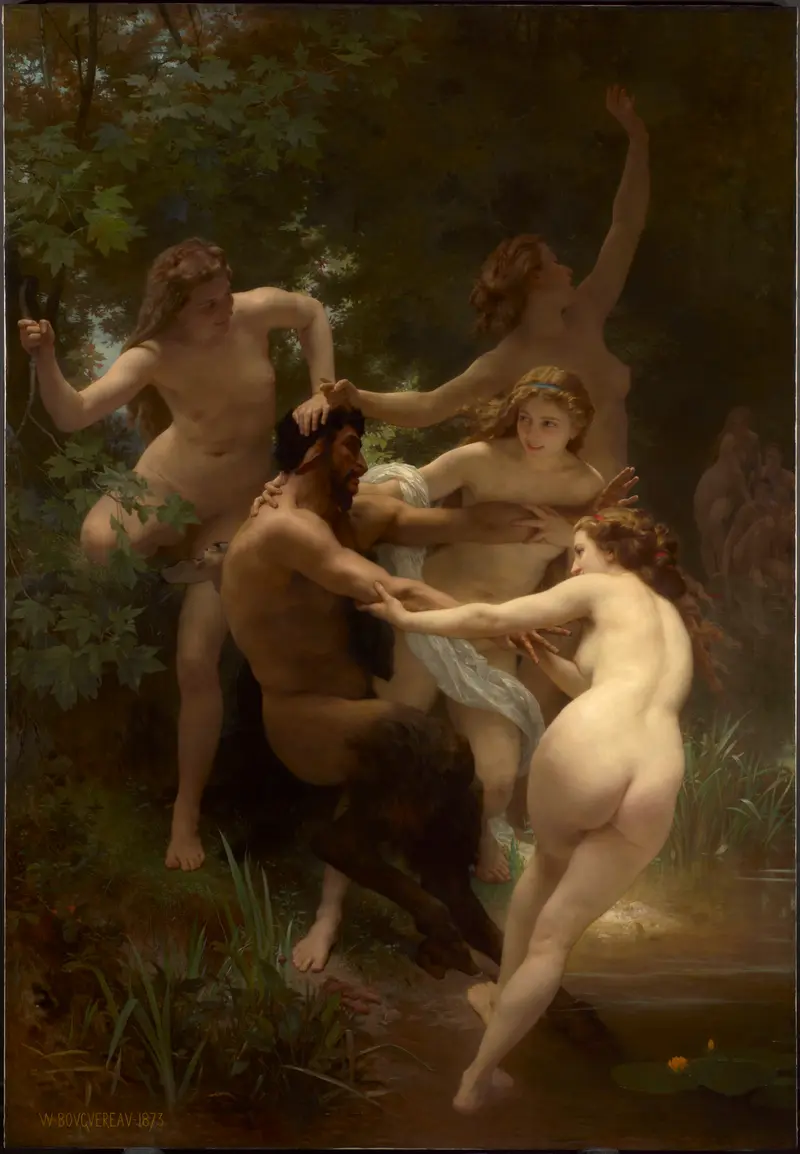 Nymphs and SatyrWilliam Bouguereau
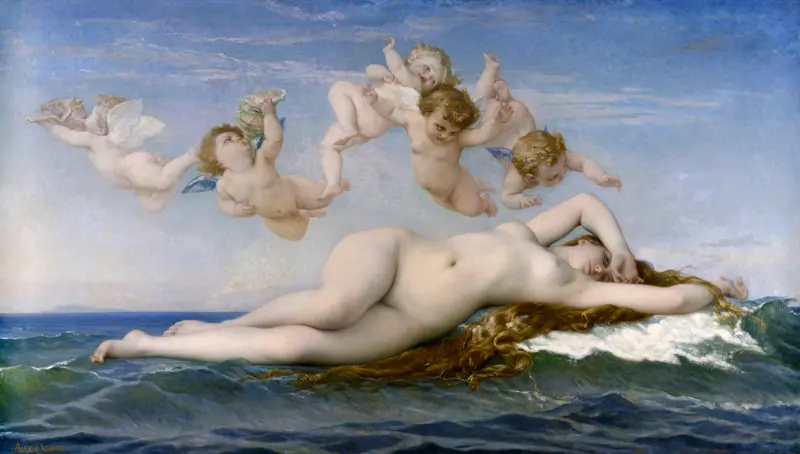 The Birth of VenusAlexandre Cabanel
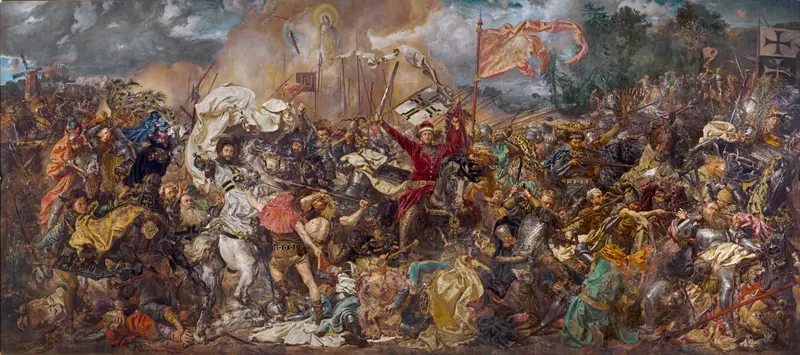 Battle of GrunwaldJan Matejko
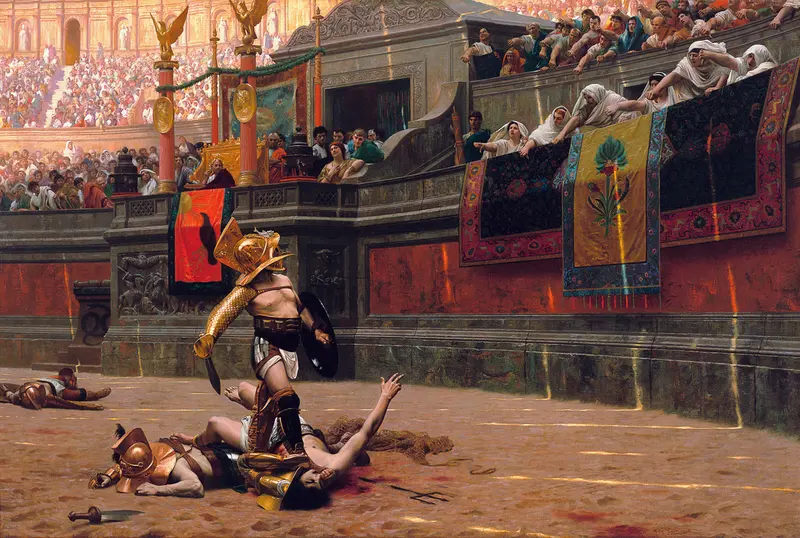 Pollice VersoJean-Léon Gérôme
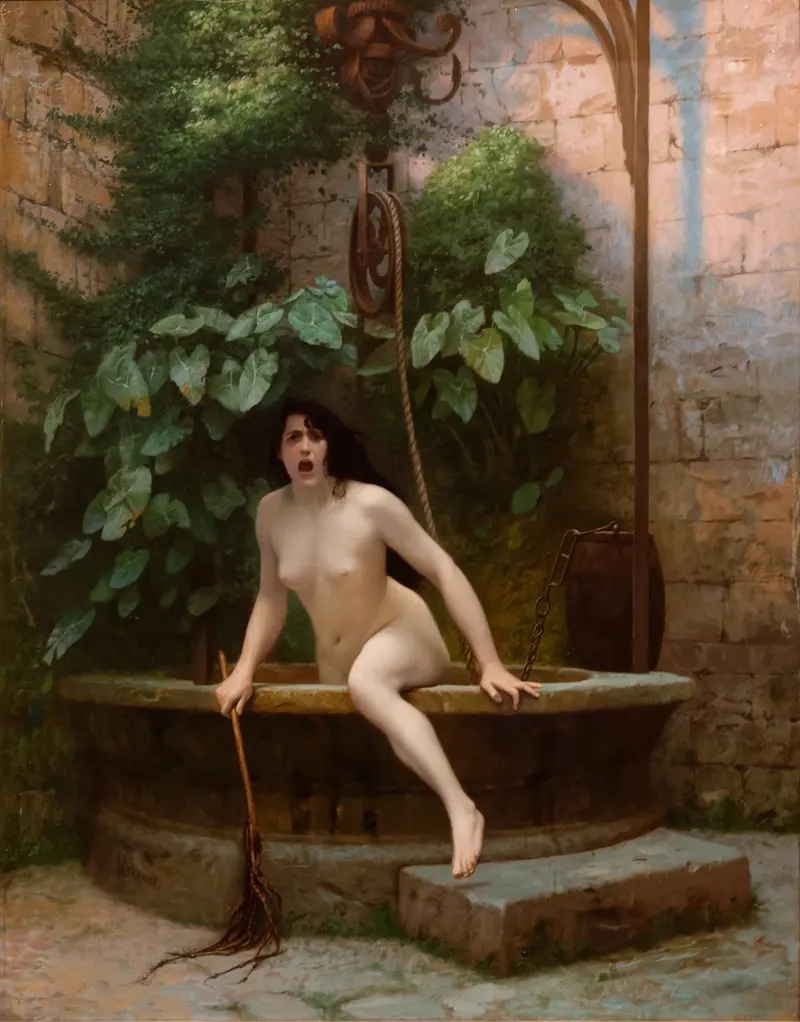 Truth Coming Out of Her WellJean-Léon Gérôme
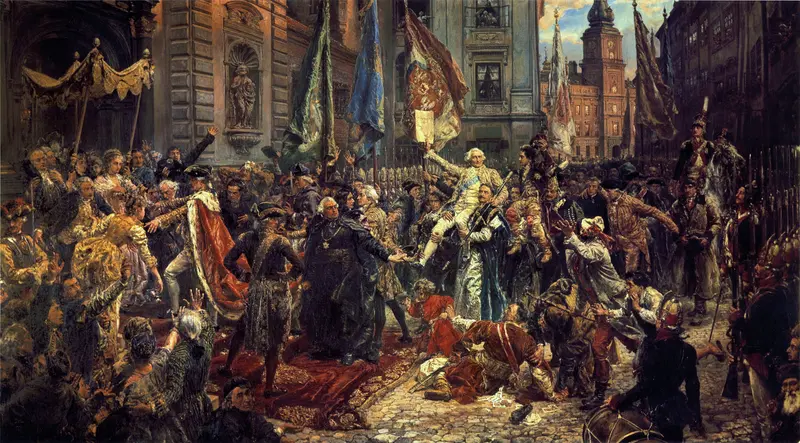 Constitution of May 3, 1791Jan Matejko
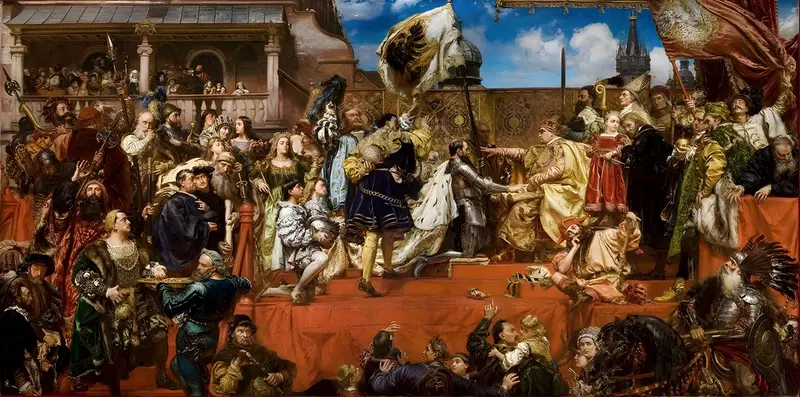 Prussian HomageJan Matejko
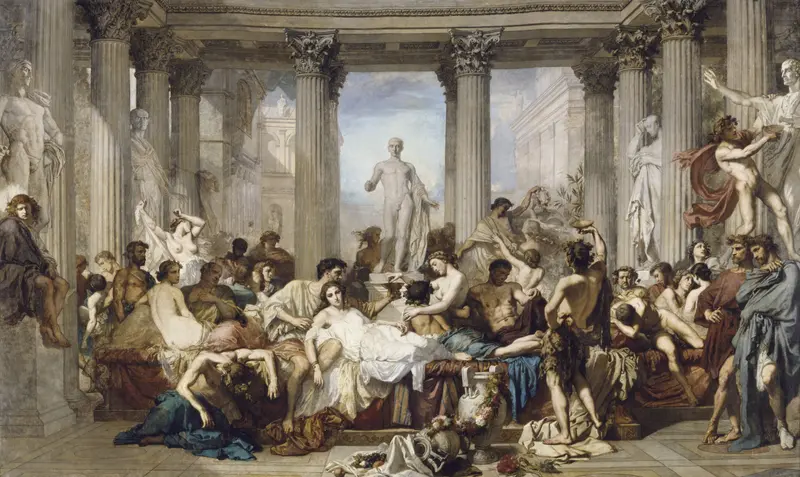 The Romans of the DecadenceThomas Couture
 The StormPierre-Auguste Cot
Famous academic painters
Nine painters at the heart of academic art, from the Salon stars Bouguereau, Cabanel and Gérôme to the court portraitist Winterhalter and the Polish history painters Matejko and Simmler. Each link opens all their paintings.
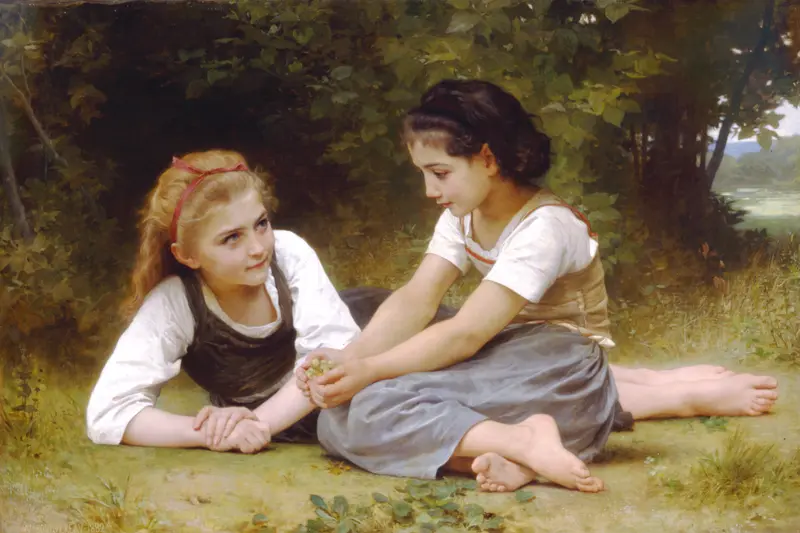 William Bouguereau1825–1905. Trained at the École des Beaux-Arts and grew rich on Salon pictures of myths, nudes and peasant children; the Museum of Fine Arts, Houston calls him the quintessential successful academic painter.
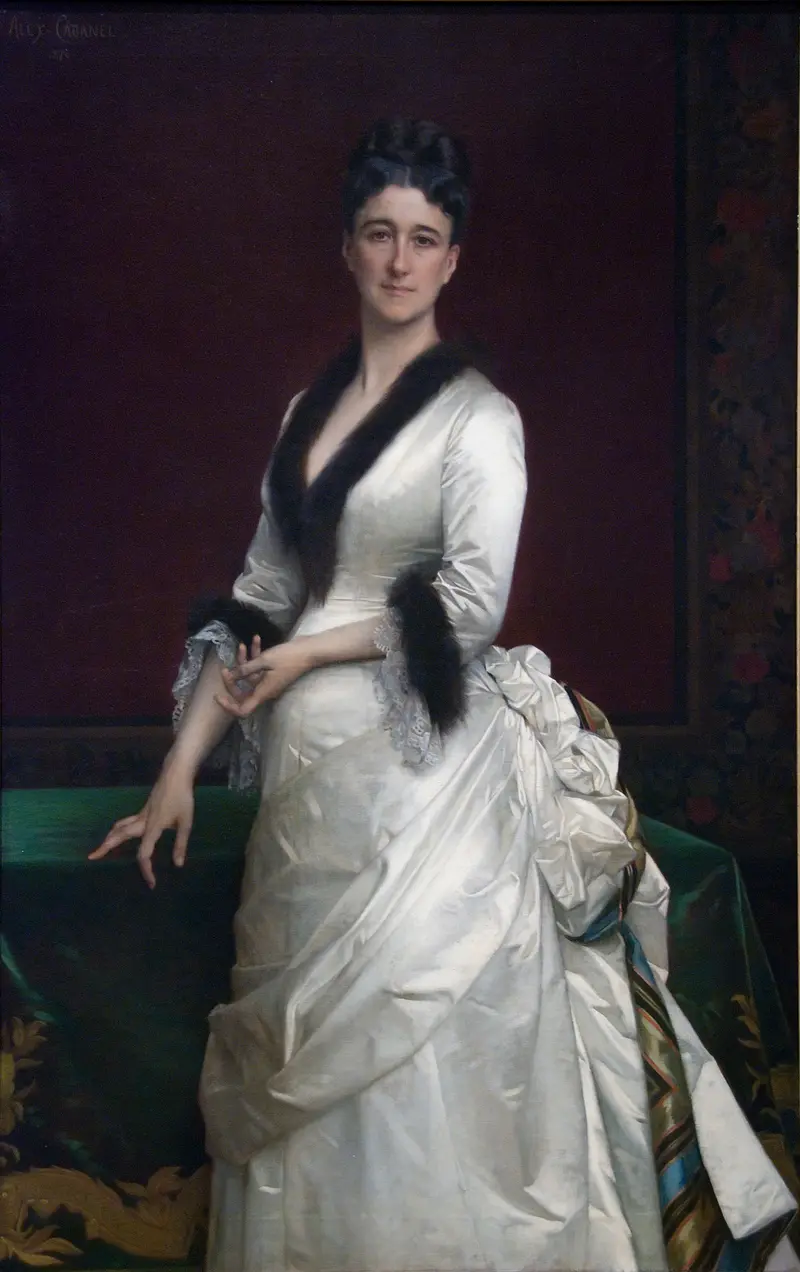 Alexandre Cabanel1823–1889. His The Birth of Venus was one of the great successes of the Salon of 1863, where Napoleon III bought it; the Musée d'Orsay calls it typical of his virtuoso technique.
 Jean-Léon Gérôme1824–1904. A pupil of the academic painter Paul Delaroche, he won fame at the Salon of 1847 at the age of 23 and went on to an official career full of honors, the Musée d'Orsay says.
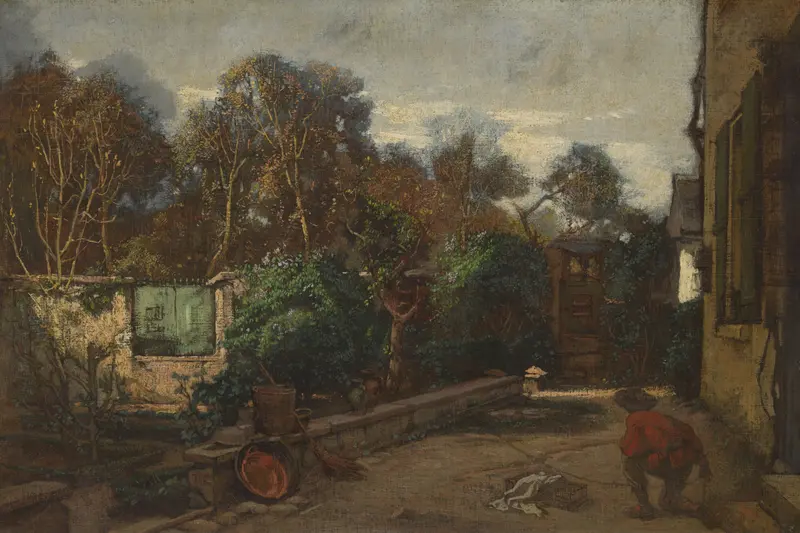 Thomas Couture1815–1879. Spent three years on The Romans of the Decadence, bought by the state at the Salon of 1847; a republican and anticlerical, he aimed it at the scandals of his own day.
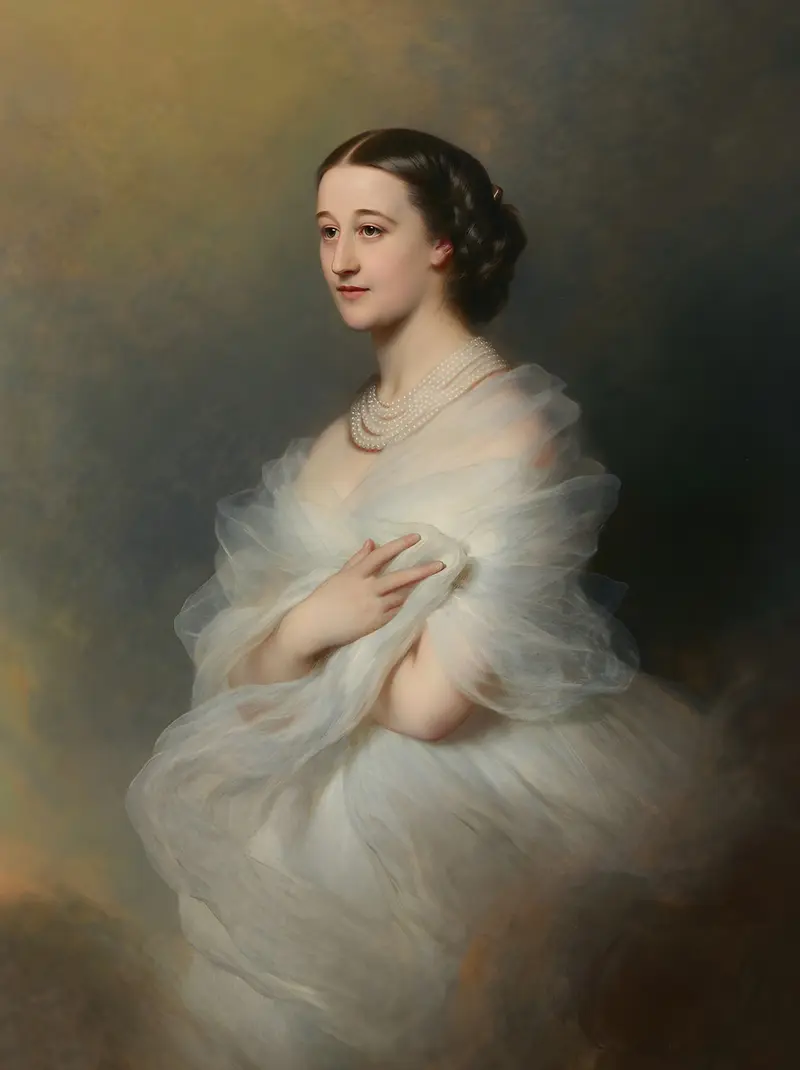 Franz Xaver Winterhalter1805–1873. Portrait painter to Europe's crowned heads; his official portraits of Napoleon III and Empress Eugénie of 1853 made him the appointed painter of the imperial court, the Museo Napoleonico in Rome says.
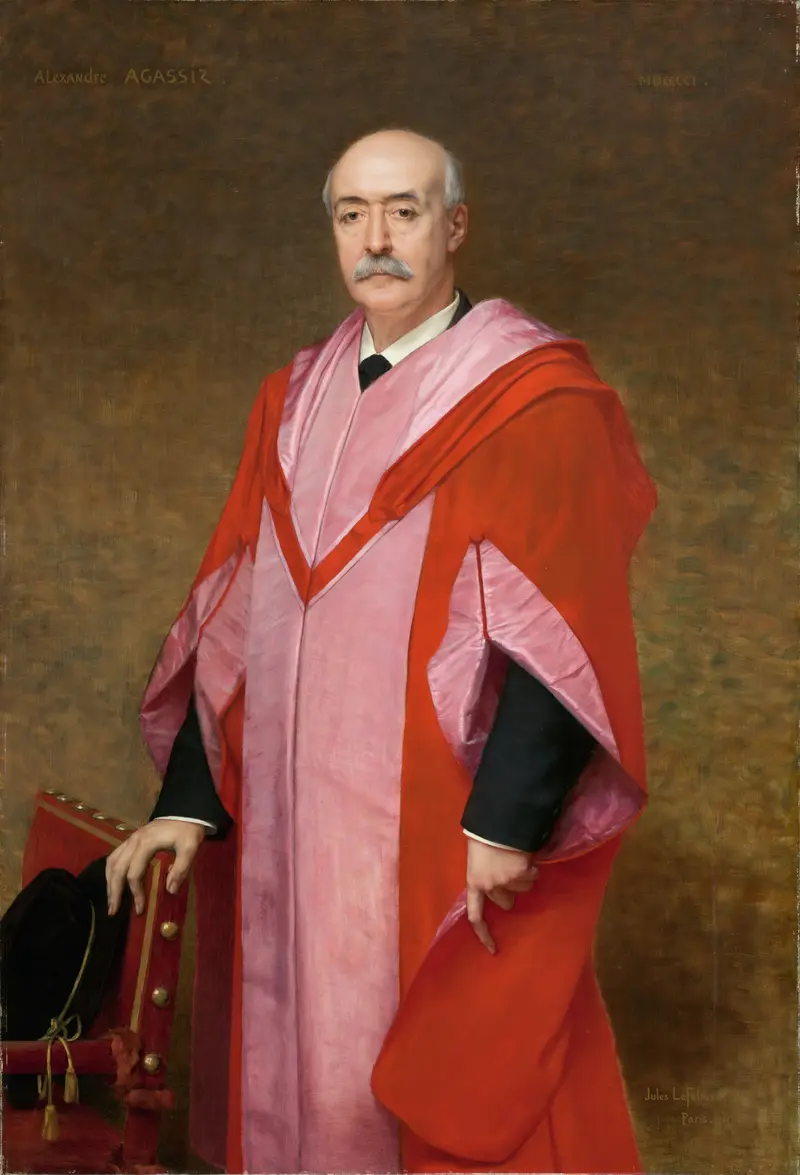 Jules Lefebvre1836–1911. Known for his classic female nudes; La Cigale, now in the National Gallery of Victoria, illustrated La Fontaine's fable of the grasshopper at the Salon of 1872.
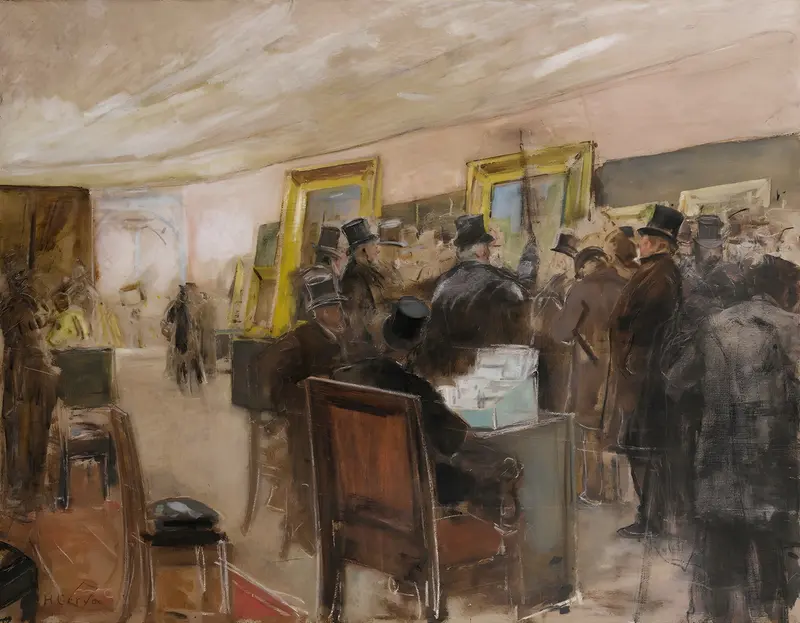 Henri Gervex1852–1929. Painted A Session of the Painting Jury, a view of the Salon jury at work more than four meters wide, which was given to the state in 1892 and is now in the Musée d'Orsay.
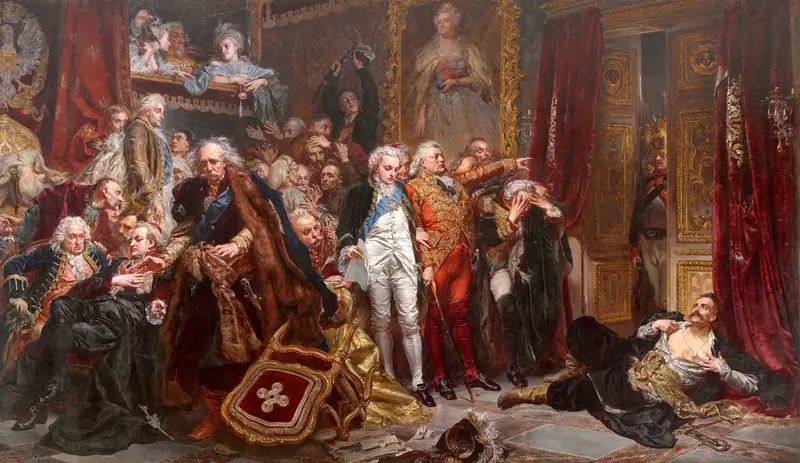 Jan Matejko1838–1893. Painted Poland's history while the country was partitioned; the National Museum in Warsaw says his Battle of Grunwald was meant to bolster faith in the nation's revival.
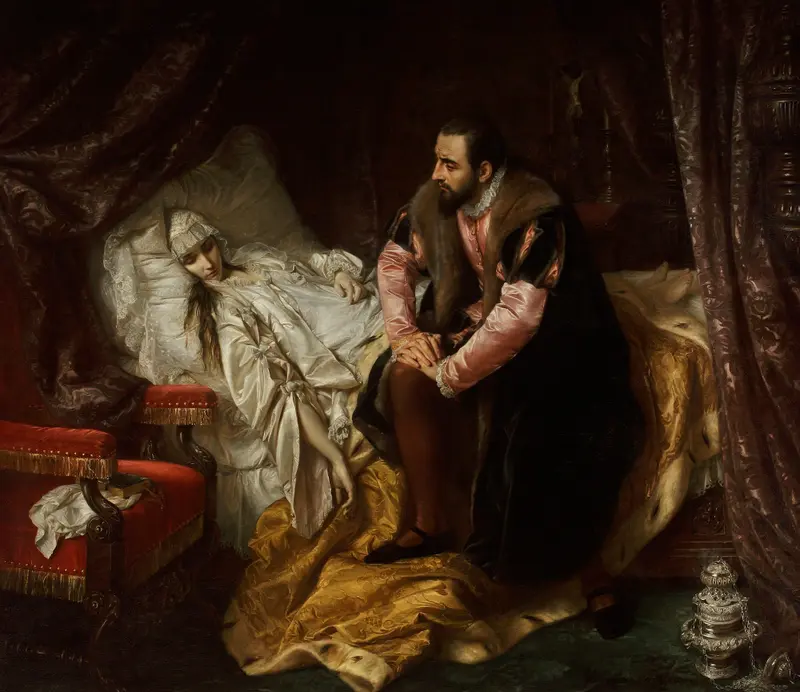 Józef Simmler1823–1868. His The Death of Barbara Radziwiłł was shown in 1860 to tremendous acclaim and made him a leading artist of his day, the National Museum in Warsaw says.
French academic paintings
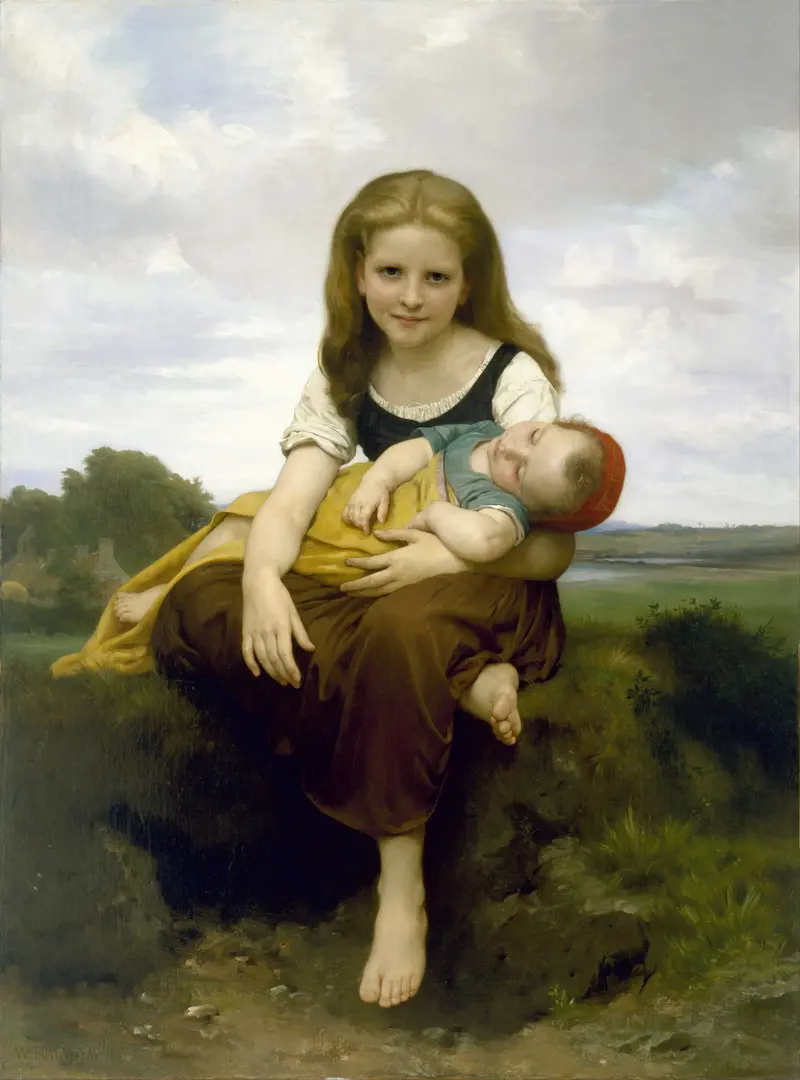
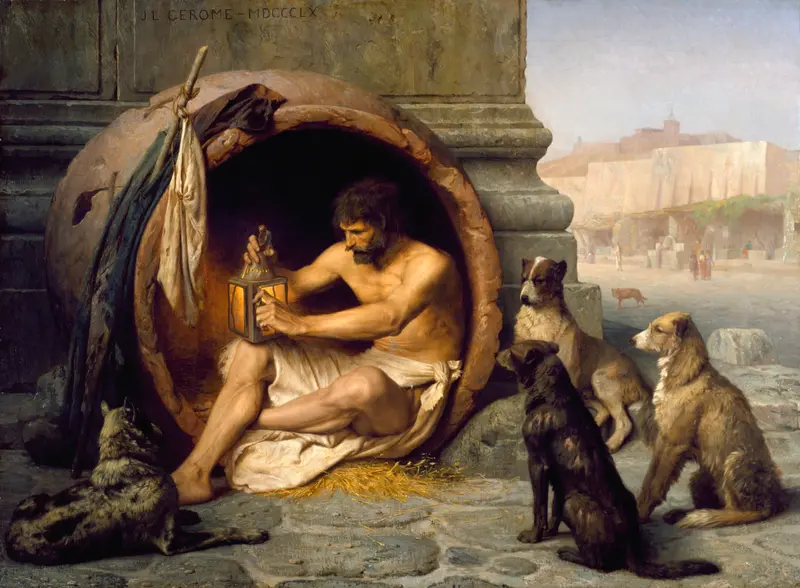
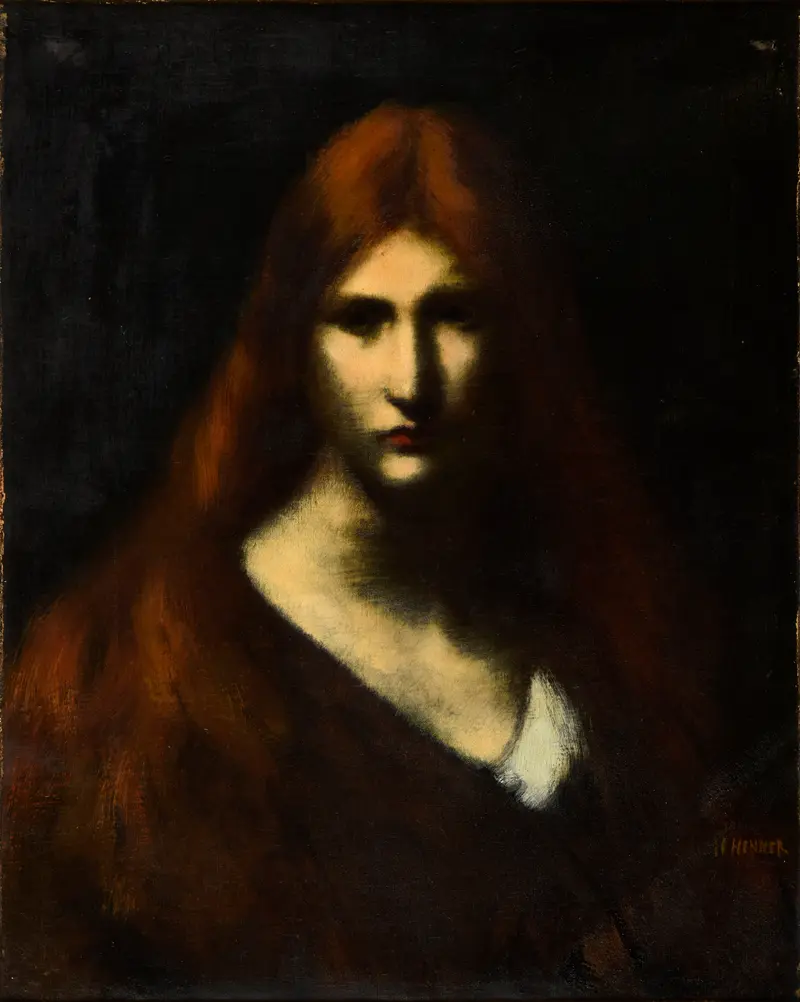
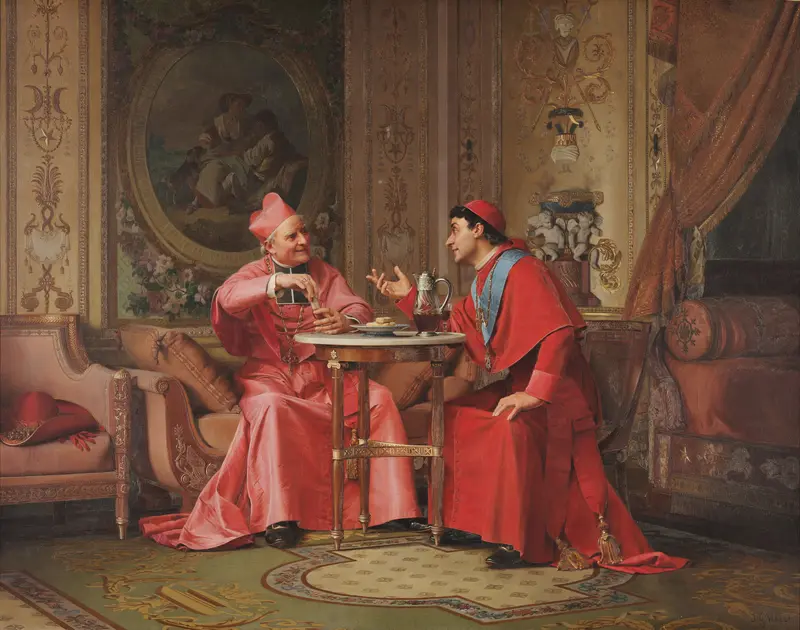
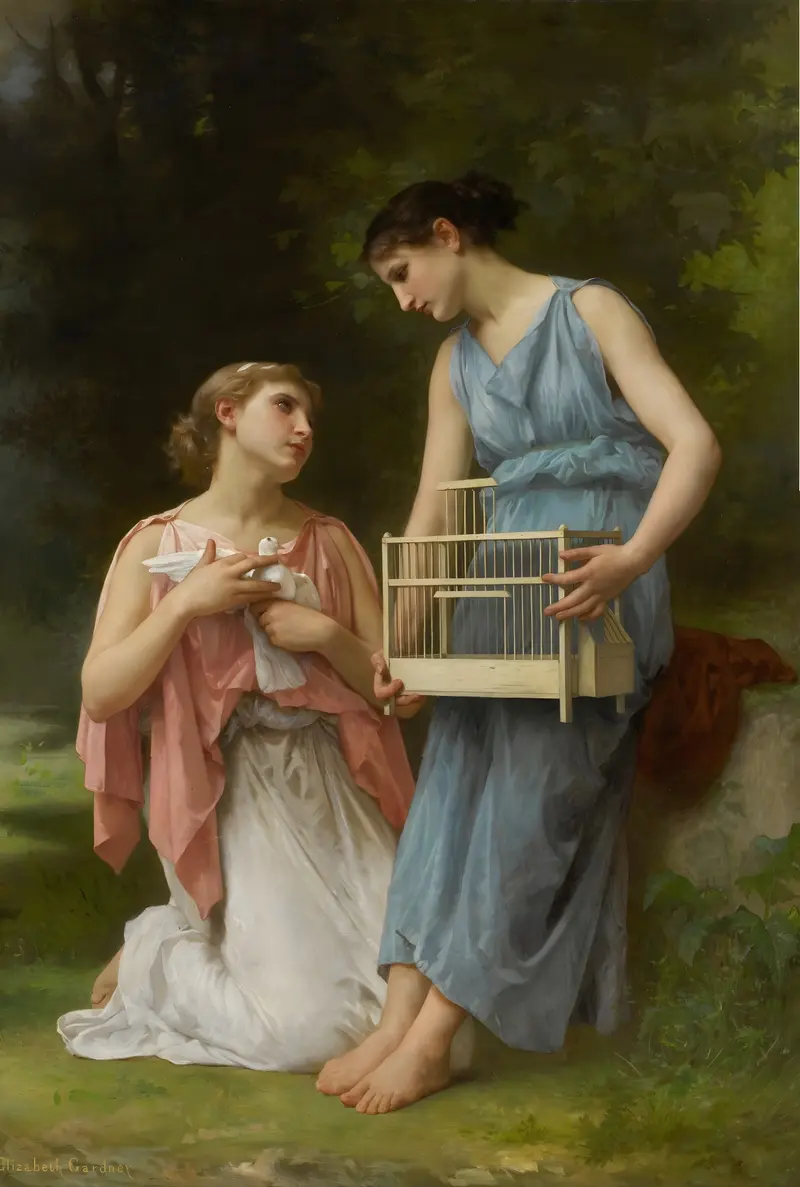
French academic painters trained at the École des Beaux-Arts in Paris and showed their work at the Salon, where critical acclaim was of the greatest importance for a painter's career, the National Gallery in London says. Peasant children, saints, cardinals and philosophers all received the same careful finish.
Academic history paintings
History painting, with its serious stories from the Bible, myth and the past, was the climax of an academic painter's training, the National Gallery in London says. Academies across Europe produced such scenes, from the death of Caesar to the history of Poland, Hungary and Germany.
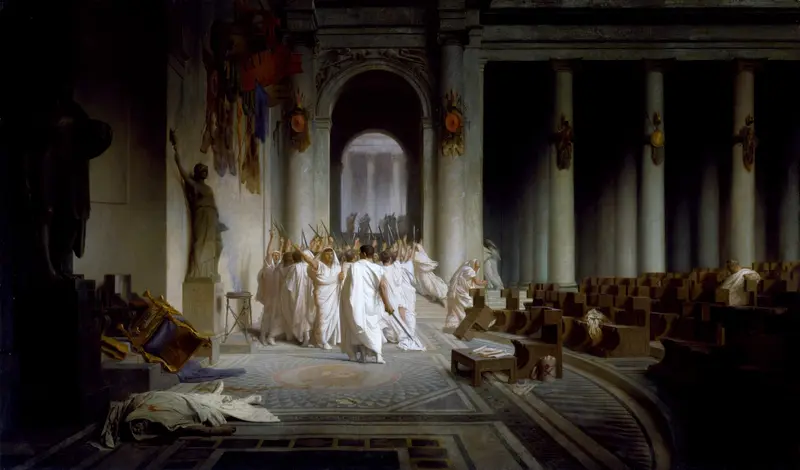 The Death of CaesarJean-Léon Gérôme
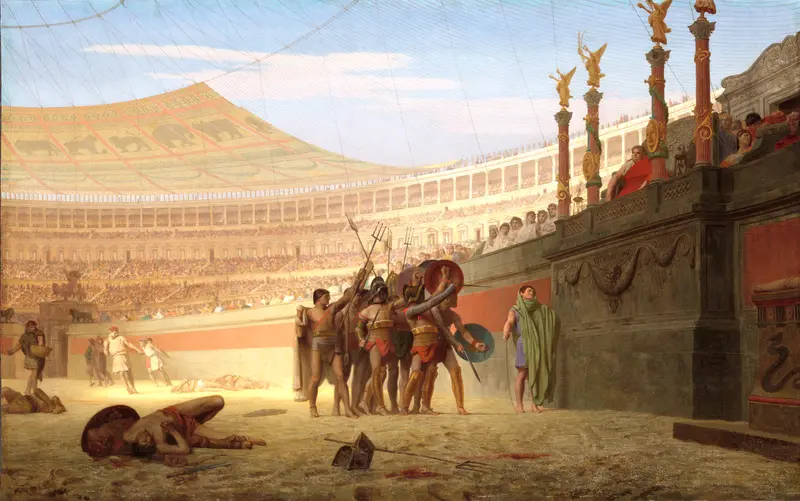 Ave Caesar! Morituri te SalutantJean-Léon Gérôme
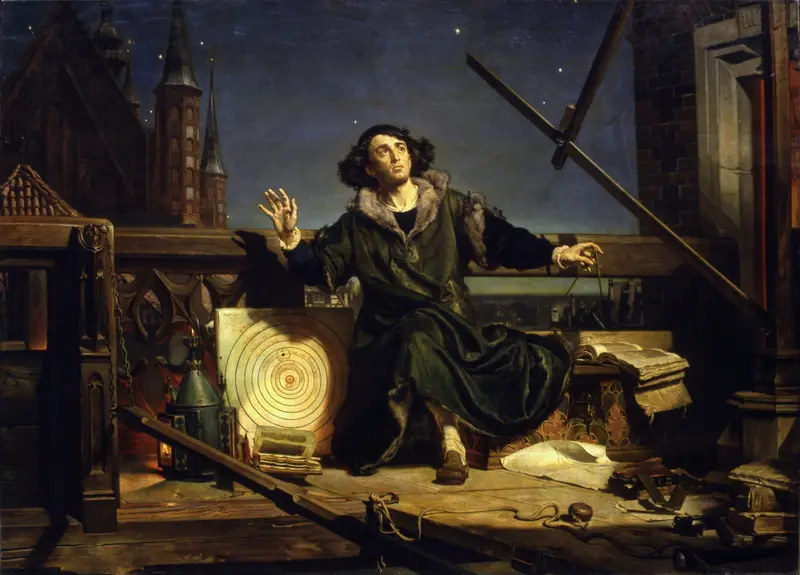 Astronomer Copernicus, or Conversations with GodJan Matejko
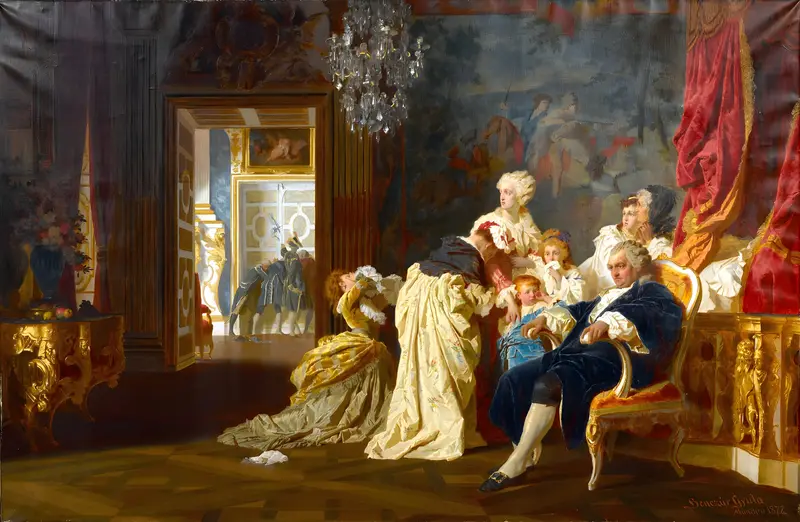 The Capture of Louis XVI and His FamilyGyula Benczúr
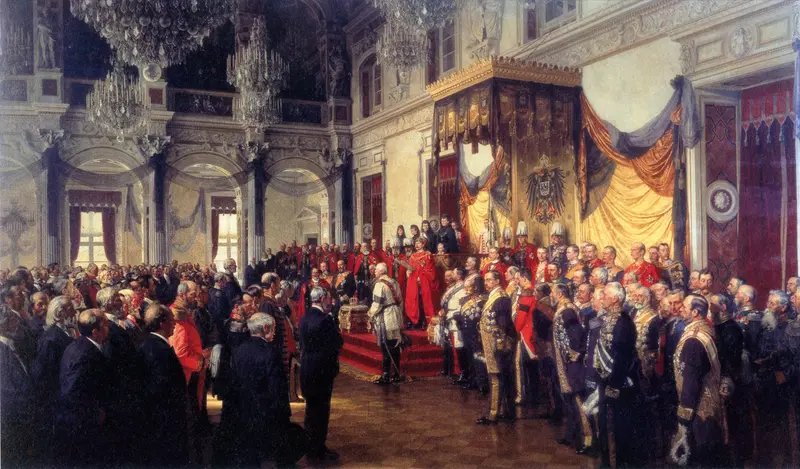 Opening of the ReichstagAnton von Werner
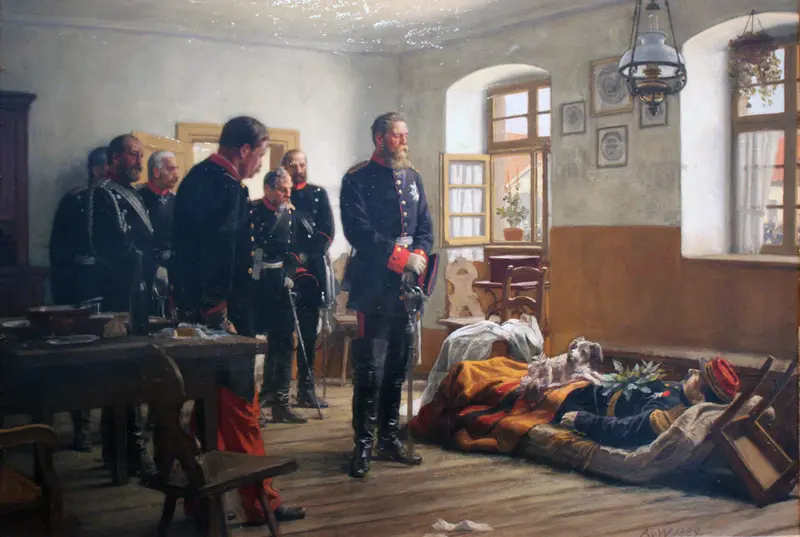 Crown Prince Friedrich Wilhelm at the Body of General Abel DouayAnton von Werner
Characteristics of academic art: how to recognize it
History painting comes first
A huge stage, dozens of figures and a lesson about Rome's decline: Couture's orgy is a history painting, which the Musée d'Orsay calls the noblest genre of the 19th century, meant to show human behavior and carry a moral message.
Romans of the Decadence, Thomas Couture
A smooth, “licked” finish
Look for brushstrokes and you will hardly find any. The Clark Art Institute says Bouguereau's technique was smooth to the point that the strokes are almost invisible, a finish critics of his day called léché, “licked.”
Nymphs and Satyr, William Bouguereau
The idealized nude
Venus floats on the waves without a blemish. The Musée d'Orsay says the myth is simply a pretext for an idealized nude, and Tate's magazine names the Venuses and nymphs of Cabanel, Bouguereau and Gérôme as the typical academic nudes of the Salons.
The Birth of Venus, Alexandre Cabanel
Raphael as the model
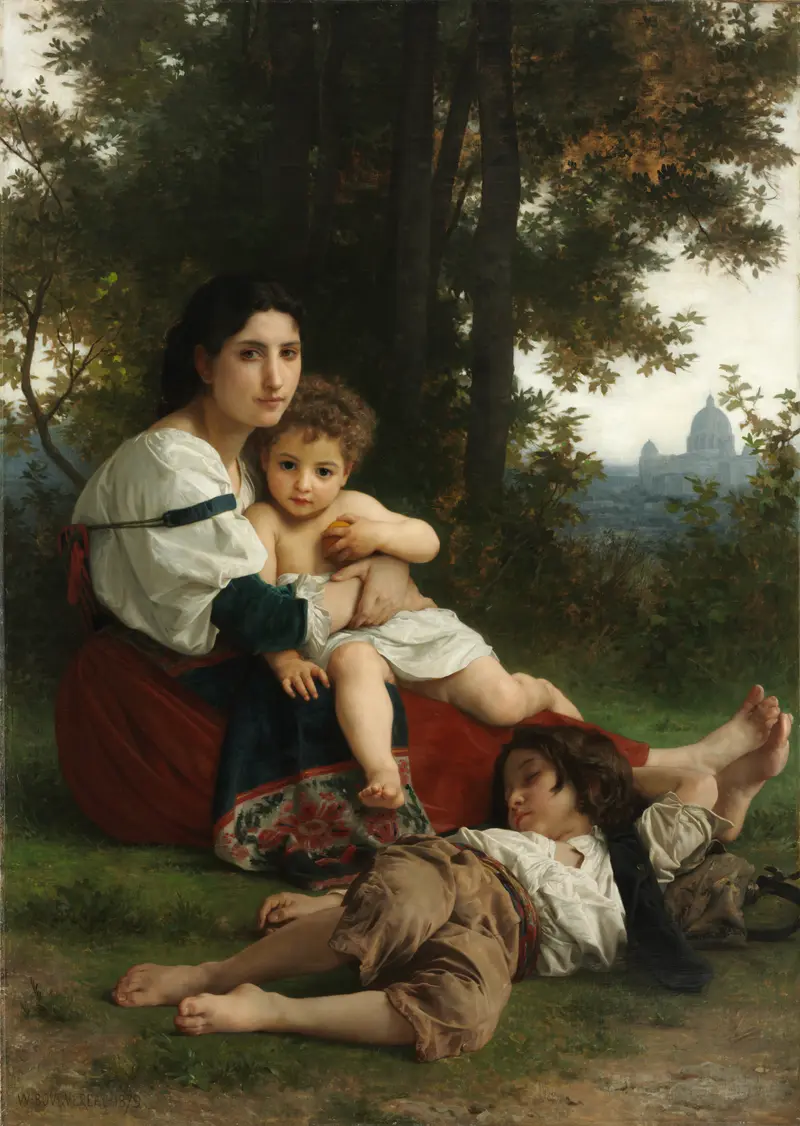
A mother, her children and a sleeping boy form a neat triangle, with the dome of St. Peter's in the distance. The Cleveland Museum of Art says the idealized figures and their triangular grouping recall Raphael's Holy Family paintings, the kind of classical model the academies held up, the National Gallery in London notes.
Rest, William Bouguereau
Meticulous detail
Every helmet, banner and face in the crowd is sharply painted. The Musée d'Orsay describes Gérôme's Neo-Grec manner as a taste for meticulous finish, and the poet Baudelaire mocked him as the leader of the “meticulous school.”
Pollice Verso, Jean-Léon Gérôme
Painted for the Salon
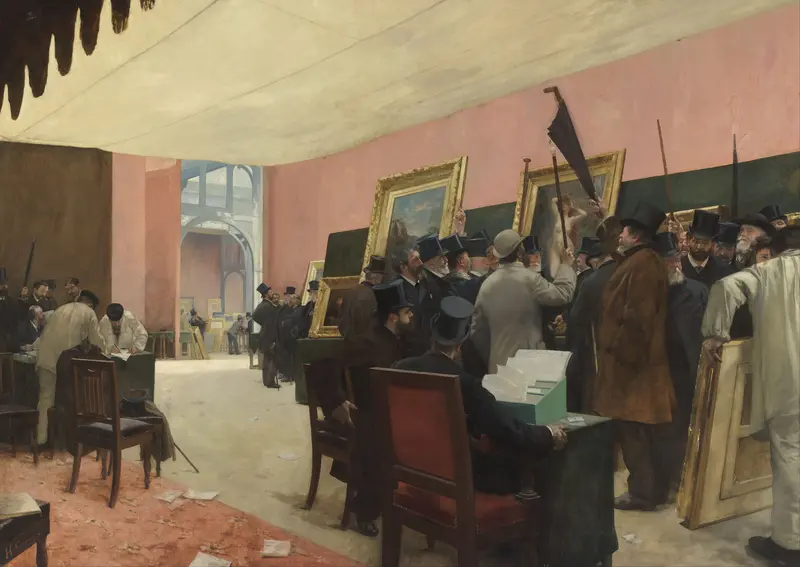
Gervex shows the Salon jury voting on the paintings sent in. In the second half of the 19th century the Salon was the one exhibition where artists could make their work known, the Musée d'Orsay says, and the state bought pictures there for the Musée du Luxembourg.
A Session of the Painting Jury, Henri Gervex
Before and after academic art
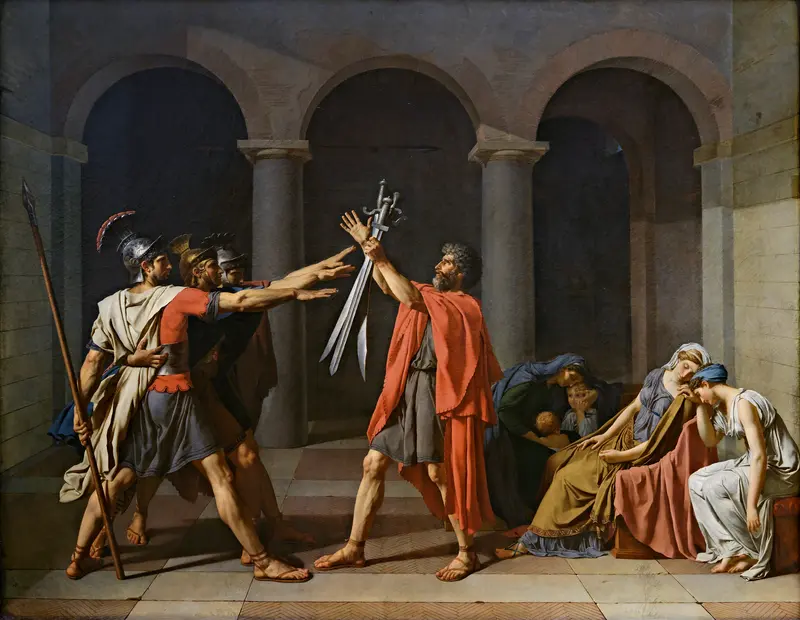 Neoclassicismc. 1750–1850
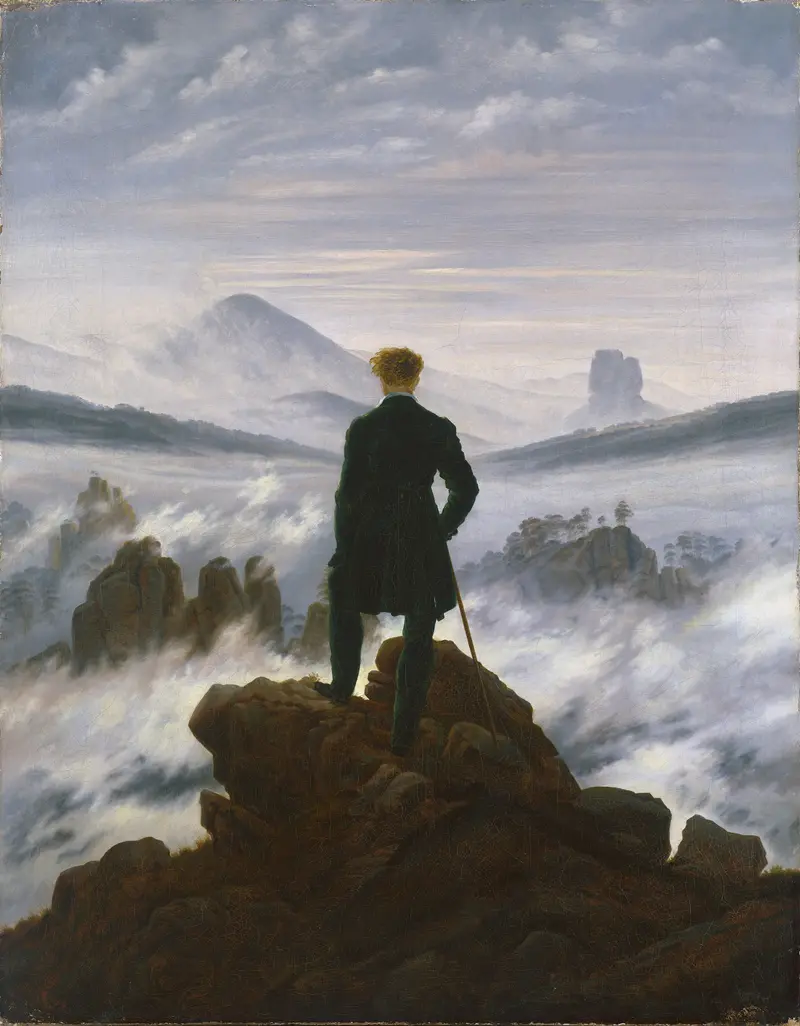 Romanticismc. 1780–1850
- Academic artmid–late 19th century
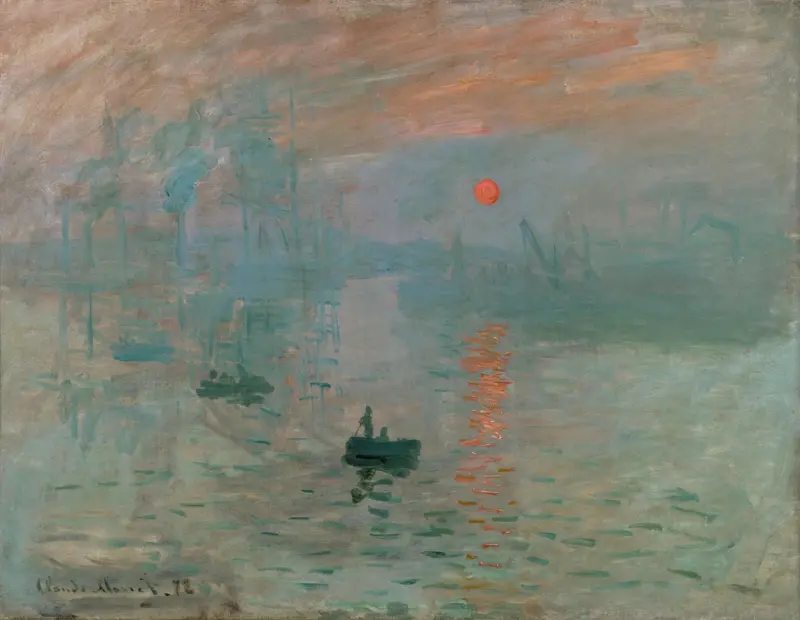 Impressionismc. 1867–1886
 Symbolismc. 1886–1900
Academic Art vs Realism and Impressionism
| Compared | Academic art | Realism | Impressionism |
|---|---|---|---|
| When | Mid–late 19th century | c. 1840–1880 | c. 1867–1886 |
| Subject | History, myth, the Bible and the idealized nude | Everyday life, peasants and workers, city streets | Landscapes and scenes of everyday life |
| Finish | Smooth and polished, brushstrokes hidden | True to life, without idealizing | Quick, broken dabs of color |
| Painted | In the studio, from many drawings and studies | From direct observation | Out of doors, on the spot |
| Famous example | Cabanel, The Birth of Venus | Courbet, A Burial at Ornans | Monet, Impression, Sunrise |
| Key artists | Bouguereau, Cabanel, Gérôme | Courbet, Millet, Daumier | Monet, Renoir, Degas |
List of famous academic paintings and their artists
The famous academic paintings: who painted them, when, and where each one is today.
Show the listHide the list
| Painting | Painted by | Year | Medium | Size | Located in | City |
|---|---|---|---|---|---|---|
| The Birth of Venus | William Bouguereau | 1879 | Oil on canvas | 300 × 215 cm (118.1 × 84.6 in) | Musee d'Orsay | Paris |
| Madame X (Virginie Amélie Avegno Gautreau) | John Singer Sargent | 1883–84 | Oil on canvas | 208.6 × 109.9 cm (82.1 × 43.3 in) | Metropolitan Museum of Art | New York |
| Dante and Virgil | William Bouguereau | 1850 | Oil on canvas | 280.5 × 225.3 cm (110.4 × 88.7 in) | Musee d'Orsay | Paris |
| Nymphs and Satyr | William Bouguereau | 1873 | Oil on canvas | 260.4 × 182.9 cm (102.5 × 72 in) | Clark Art Institute | Williamstown |
| The Birth of Venus | Alexandre Cabanel | 1863 | Oil on canvas | 130 × 225 cm (51.2 × 88.6 in) | Musee d'Orsay | Paris |
| Battle of Grunwald | Jan Matejko | 1878 | Oil on canvas | 426 × 987 cm (167.7 × 388.6 in) | National Museum in Warsaw | Warsaw |
| Pollice Verso | Jean-Léon Gérôme | 1872 | Oil on canvas | 96.5 cm high | Phoenix Art Museum | Phoenix |
| Truth Coming Out of Her Well | Jean-Léon Gérôme | 1896 | Oil on canvas | 91 × 72 cm (35.8 × 28.3 in) | Musée Anne-de-Beaujeu | Moulins |
| Constitution of May 3, 1791 | Jan Matejko | 1891 | Oil on canvas | 246 × 445 cm (96.9 × 175.2 in) | Royal Castle in Warsaw | Warsaw |
| Prussian Homage | Jan Matejko | 1879–82 | Oil on canvas | 388 × 785 cm (152.8 × 309.1 in) | National Museum in Kraków | Kraków |
| The Romans of the Decadence | Thomas Couture | 1847 | Oil on canvas | 472 × 772 cm (185.8 × 303.9 in) | Musee d'Orsay | Paris |
| The Storm | Pierre-Auguste Cot | 1880 | Oil on canvas | 234.3 × 156.8 cm (92.2 × 61.7 in) | Metropolitan Museum of Art | New York |
| Phryne before the Areopagus | Jean-Léon Gérôme | 1861 | Oil on canvas | 80 × 128 cm (31.5 × 50.4 in) | Hamburger Kunsthalle | Hamburg |
| Lady with the Rose (Charlotte Louise Burckhardt) | John Singer Sargent | 1882 | Oil on canvas | 213.4 × 113.7 cm (84 × 44.8 in) | Metropolitan Museum of Art | New York |
| The Dream | Édouard Detaille | 1888 | Oil on canvas | 300 × 400 cm (118.1 × 157.5 in) | Musee d'Orsay | Paris |
| Florinda | Franz Xaver Winterhalter | 1853 | Oil on canvas | 178.4 × 245.7 cm (70.2 × 96.7 in) | Metropolitan Museum of Art | New York |
| Ophelia | Alexandre Cabanel | 1883 | Oil on canvas | 77 × 117.5 cm (30.3 × 46.3 in) | Private collection | |
| A Session of the Painting Jury | Henri Gervex | before 1885 | Oil on canvas | 300 × 419.5 cm (118.1 × 165.2 in) | Musee d'Orsay | Paris |
| The Wolf of Gubbio | Luc-Olivier Merson | 1877 | Oil on canvas | 88 × 133 cm (34.6 × 52.4 in) | Palais des Beaux-Arts de Lille | Lille |
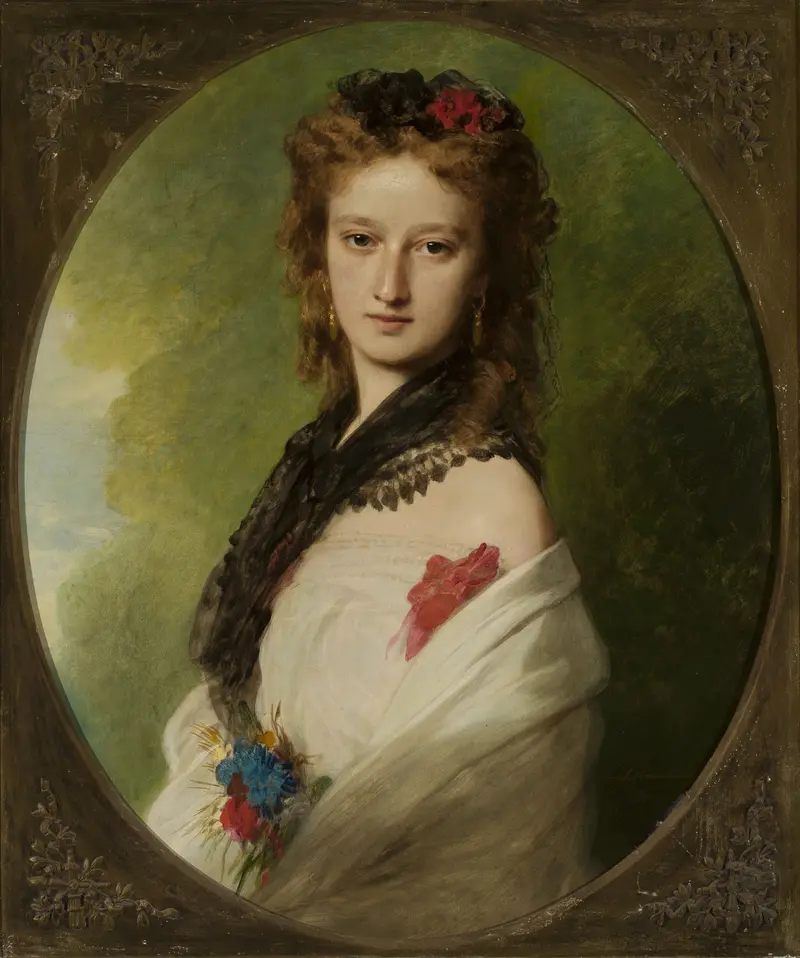
| Portrait of Zofia Zamoyska, née Potocka | Franz Xaver Winterhalter | 1870 | Oil on canvas | 82 × 65 cm (32.3 × 25.6 in) | National Museum in Warsaw | Warsaw |
Academic art: questions and answers
What does academic art (academicism) mean?
Academic art means painting made to the official standards and principles of taste of the European and American art academies, as the Getty's art vocabulary defines it. The National Gallery in London says the art the academies promoted looked to ancient art and to classical painters such as Raphael, and that history painting was regarded as its highest form. The style is also called academicism or academism, and its great age was the mid to late 19th century, when success at the Paris Salon could make a painter's career.
Sources: Getty AAT: academic art · National Gallery: Art academies (glossary) · National Gallery: The Salon (glossary) · Tate Etc: The nude stripped bare · Musée d'Orsay (Google Arts & Culture)
What are the characteristics of academic art?
Academic paintings are carefully drawn, smoothly finished pictures of serious subjects: history, myth, the Bible and the idealized nude. The Clark Art Institute describes Bouguereau's finish as smooth to the point that the brushstrokes are almost invisible, a manner critics of the time called léché, “licked,” and says such big pictures were prepared through many drawings and a painted study, as taught at the École des Beaux-Arts. The Musée d'Orsay describes Gérôme's Neo-Grec style as a taste for meticulous finish, pale colors and smooth brushwork.
Sources: Clark Art Institute: Nineteenth-Century European Paintings, cat. 33 · Musée d'Orsay (Google Arts & Culture) · National Gallery: Art academies (glossary)
When was academic art popular?
Academic art was at its height in the mid to late 19th century, when, the Musée d'Orsay says, the Paris Salon was the one exhibition, both popular and official, where artists could make their work known. The academies themselves were much older: the French Royal Academy of Painting and Sculpture was founded in 1648. By the mid-19th century, Tate says, they had become highly conservative and used their hold on the big exhibitions to resist naturalism, realism and Impressionism, so artists set up other exhibitions and private galleries, and “academic” came to mean conservative or old-fashioned.
Sources: Musée d'Orsay (Google Arts & Culture) · Tate: Academy
Who were the main academic painters?
The best-known academic painters were the Frenchmen William Bouguereau, Alexandre Cabanel and Jean-Léon Gérôme. The Museum of Fine Arts, Houston calls Bouguereau the quintessential successful academic painter; Cabanel's The Birth of Venus was one of the great successes of the Salon of 1863, where Napoleon III bought it; and Gérôme, a pupil of the academic painter Paul Delaroche, made a brilliant debut at the Salon of 1847, the Musée d'Orsay says. Thomas Couture, Jules Lefebvre and Édouard Detaille also built careers at the Salon, while Franz Xaver Winterhalter painted the royal courts of Europe.
Sources: Museum of Fine Arts, Houston (Google Arts & Culture) · Musée d'Orsay (Google Arts & Culture) · Musée d'Orsay (Google Arts & Culture) · Musée d'Orsay (Google Arts & Culture) · National Gallery of Victoria (Google Arts & Culture) · Musée d'Orsay (Google Arts & Culture) · Museo Napoleonico, Rome (Google Arts & Culture)
What is French academic art?
French academic art is the painting taught and rewarded by France's official art institutions: the Royal Academy of Painting and Sculpture, founded in 1648 and renamed the Académie des Beaux-Arts after the Revolution, the École des Beaux-Arts in Paris, where painters such as Bouguereau trained, and the Salon. Young painters competed for the Prix de Rome, which opened the doors of the Villa Medici in Rome; Bouguereau failed to win it in 1848 and 1849, the Musée d'Orsay says. Acclaim at the Salon then mattered most of all for a painter's career, according to the National Gallery in London.
Sources: Tate: Academy · Clark Art Institute: Nineteenth-Century European Paintings, cat. 33 · Musée d'Orsay (Google Arts & Culture) · Musée d'Orsay (Google Arts & Culture) · National Gallery: The Salon (glossary)
What was the Paris Salon?
The Salon was the official art exhibition in Paris, organized by the French Royal Academy and its successor, the Académie des Beaux-Arts. From 1725 it was held in the Salon Carré of the Louvre, which gave it its name, Tate says. By about 1860 so many artists were being turned away that in 1863 the government set up a separate Salon des Refusés for them. The Musée d'Orsay notes that the Salon, long seen as the home of academic art, in fact let very different kinds of painting compete.
Sources: Tate: Salon · National Gallery: The Salon (glossary) · Musée d'Orsay (Google Arts & Culture)
Why are there so many nudes in academic art?
Myth and ancient history gave academic painters a respectable reason to paint the idealized nude. The Musée d'Orsay says that in Cabanel's The Birth of Venus the mythological theme is simply a pretext for the portrayal of a nude figure, and the Clark Art Institute notes that Bouguereau's name was synonymous with voluptuous female nudes, and that his Nymphs and Satyr was made acceptable by its classical subject and its academic stamp of approval. When Manet's Olympia showed a modern woman instead of a goddess at the Salon of 1865, Tate's magazine recalls, it shocked the public.
Sources: Musée d'Orsay (Google Arts & Culture) · Clark Art Institute: Nineteenth-Century European Paintings, cat. 33 · Tate Etc: The nude stripped bare
What is the difference between academic art and Impressionism?
Academic painters worked in the studio and finished their pictures to a smooth, polished surface; the Impressionists painted out of doors, quickly, in separate dabs of color, to catch the changing effects of light. Academic art was made for the official Salon, while the Impressionists held their own group exhibitions in Paris from 1874 to 1886, Tate says. By then, according to Tate, the academies were using their monopoly of the big exhibitions to resist Impressionism and the movements that followed it.
Sources: Tate: Impressionism · Tate: Academy · Clark Art Institute: Nineteenth-Century European Paintings, cat. 33
What is the difference between academic art and Neoclassicism?
Neoclassicism was, as Tate puts it, a particularly pure form of classicism that emerged from about 1750; academic art is the official style of the academies that grew out of that classical teaching and filled the Salons of the mid to late 19th century. Late academic painters mixed their sources freely: the Musée d'Orsay says Cabanel's The Birth of Venus combines references to Ingres with an 18th-century style of painting, in an eclectic spirit typical of the Second Empire. Both looked back to antiquity and to Raphael.
Sources: Tate: Neoclassicism · Musée d'Orsay (Google Arts & Culture) · National Gallery: Art academies (glossary)
What is history painting?
History painting is a picture with a serious story taken from the Bible, mythology, literature or the past, and the academies placed it above every other kind of painting. The National Gallery in London calls it the climax of an academic painter's training and the equivalent of epic or tragedy in literature, and Tate says the style thought right for it was the classical, idealized “grand style.” Couture's The Romans of the Decadence, which the Musée d'Orsay calls a history painting meant to carry a moral message, is a famous example.
Sources: National Gallery: History paintings (glossary) · Tate: History painting · Musée d'Orsay (Google Arts & Culture)
Why did academic art fall out of favor?
Academic art fell out of favor because the academies grew conservative and tried to shut out new art: Tate says they resisted naturalism, realism and Impressionism until artists bypassed them with their own exhibitions and dealers, and “academic” came to mean old-fashioned. Critics also attacked its polish; the Clark Art Institute quotes complaints about Bouguereau's “stereotyped suavity” and his avoidance of real life. Its reputation has since recovered, and the Museum of Fine Arts, Houston says Bouguereau's fame has been rekindled of late.
Sources: Tate: Academy · Clark Art Institute: Nineteenth-Century European Paintings, cat. 33 · Museum of Fine Arts, Houston (Google Arts & Culture)
Where can you see famous academic paintings?
The Musée d'Orsay in Paris holds both Births of Venus, by Bouguereau and Cabanel, Bouguereau's Dante and Virgil, Couture's The Romans of the Decadence, Detaille's The Dream and Gervex's A Session of the Painting Jury. In the United States, the Metropolitan Museum of Art has Madame X, The Storm, Lady with the Rose and Florinda, the Clark Art Institute in Williamstown has Nymphs and Satyr, and the Phoenix Art Museum has Pollice Verso. Matejko's Battle of Grunwald is in the National Museum in Warsaw.
Sources: Musée d'Orsay · Musée d'Orsay · Musée d'Orsay · Metropolitan Museum of Art · Clark Art Institute: Nineteenth-Century European Paintings, cat. 33 · Phoenix Art Museum · National Museum in Warsaw (Google Arts & Culture)
Is academic art in the public domain, and can I download it free?
Yes. Every painter on this page died by 1929, so their paintings are in the public domain in the United States and in countries where copyright ends 70 years after the artist's death. You can download them free and use them for anything, including commercial projects. A few countries have their own rules on photographs of artworks, so check them if you publish outside the U.S.
Sources: Cornell University Library: Copyright Term and the Public Domain
How we chose the famous paintings
The famous paintings on this page are the academic paintings known most widely around the world, measured by the number of languages that have an encyclopedia entry about each one, checked in November 2026. No painter has more than three, which is why Bouguereau's Dawn and The First Mourning and Gérôme's Pygmalion and Galatea are not among them.
We include paintings that our catalogue, Wikidata or the holding museum classes as academic, by painters who died by 1955. Works that other movement pages on this site already show, such as Gérôme's Bonaparte Before the Sphinx (Orientalism) and Alma-Tadema's The Roses of Heliogabalus (Victorian art), are left to those pages, and Gérôme's Phryne before the Areopagus appears further down the list rather than in the first row. The list is shorter than on our other movement pages because several famous academic paintings are not yet in our catalogue.
Dates, sizes and locations come from the museums' own records and from Wikidata.
Spotted a mistake? Tell us and we will correct it.