
Studies van putti — History & Facts
Could beauty survive in a century of chaos? In Studies van putti, ethereal cherubic figures float suspended in a delicate dance of innocence and transformation, evoking a world both sacred and fleeting. Look to the left, where one putto, with chubby limbs and a playful smile, reaches out, his outstretched hand inviting the viewer into an eternal moment of joy. Notice the soft hues of pastel blues and pinks that envelop the figures, creating an aura of warmth amidst their divine mischief. The artist’s deft brushwork captures the subtle play of light across their porcelain skin, revealing a gentle radiance that speaks to a hopefulness uncommon in the era. Beneath the surface, the work hints at deeper existential themes.
The juxtaposition of the joyful putti against the backdrop of societal unrest during the late 17th to early 18th centuries suggests that innocence can persist even when surrounded by turmoil. Each figure embodies both joy and fragility, a commentary on the transient nature of beauty and the human spirit amid chaos. The harmony of form and color invites contemplation of transformation—the figures are not merely decorative but serve as symbols of resilience. This artwork emerged during a time when the world was grappling with significant upheavals, including the rise of Enlightenment thought and the complexities of the Baroque period.
Created by an unknown artist between 1700 and 1800, Studies van putti reflects a broader artistic trend in Europe, where artists sought to reconcile aesthetic beauty with the evolving realities of human existence. It is a testament to the undying quest for beauty in the face of uncertainty.
More Artworks by Unknown Artist
Browse all →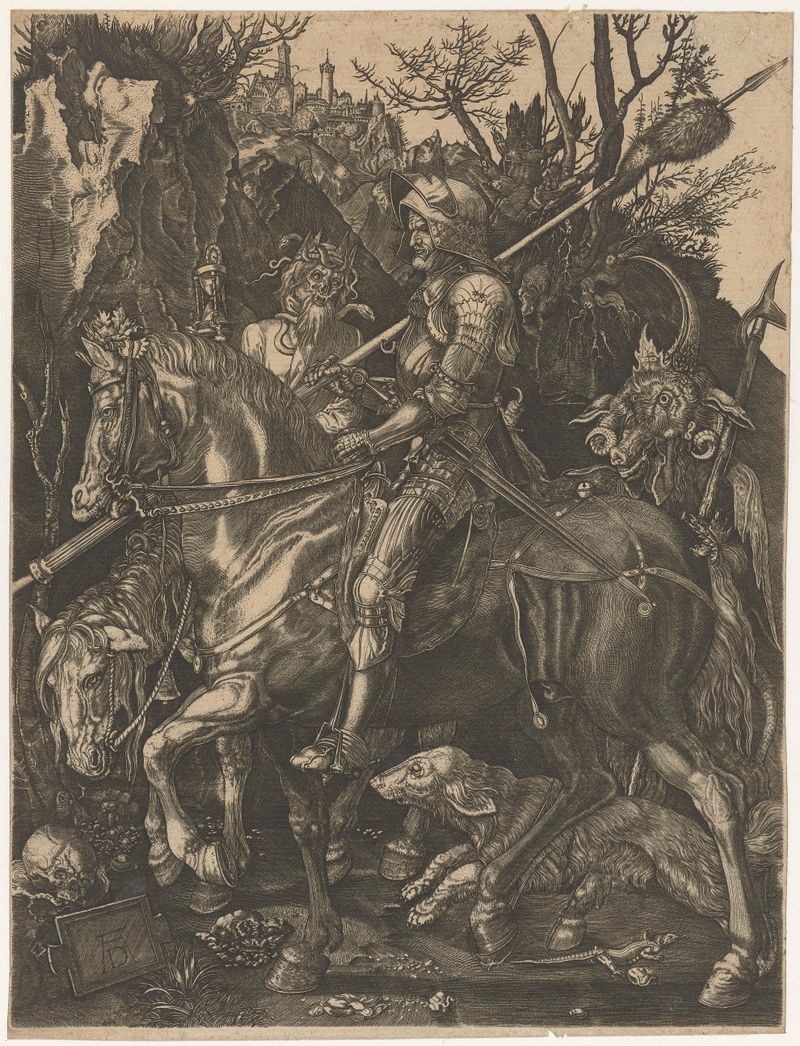
Ridder, Dood en Duivel
Unknown Artist
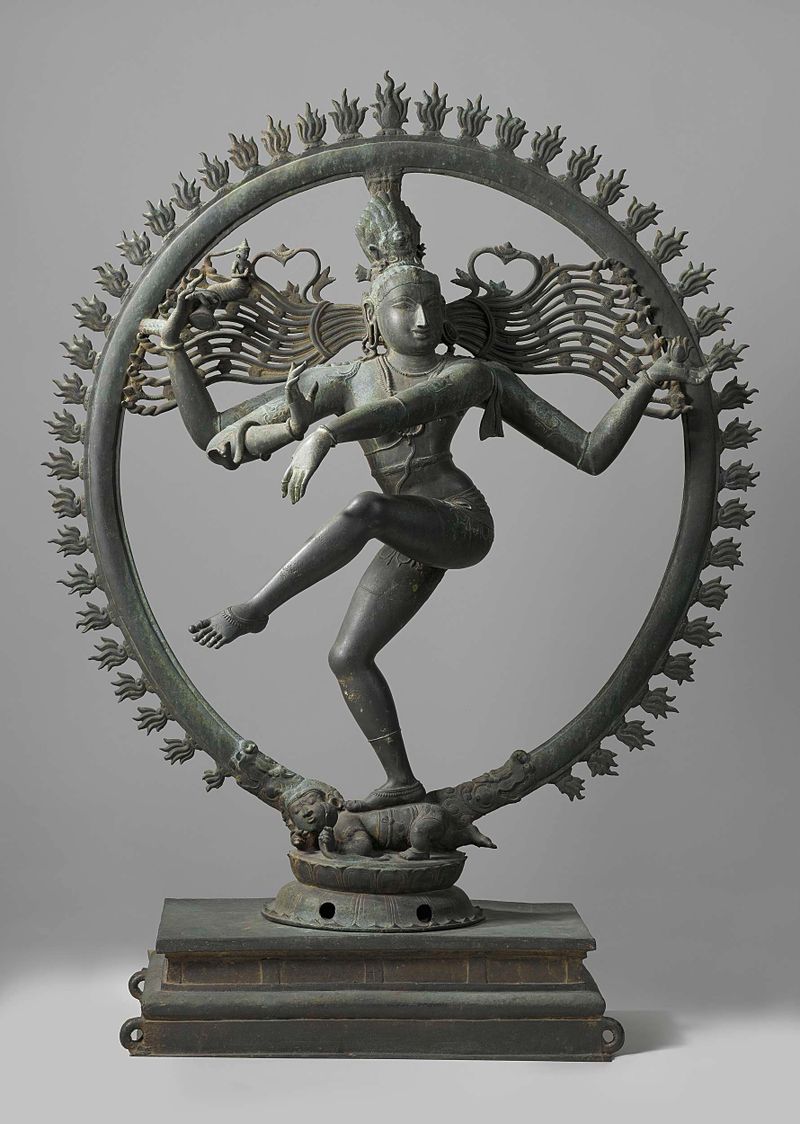
Shiva Nataraja
Unknown Artist
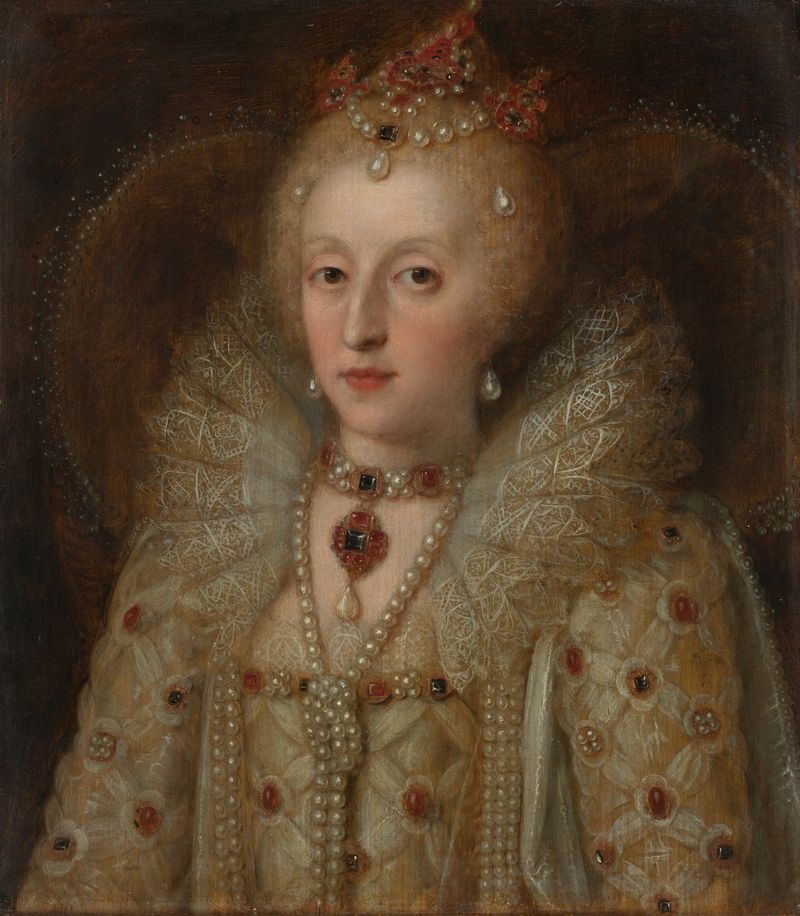
Portrait of Elizabeth I, Queen of England
Unknown Artist
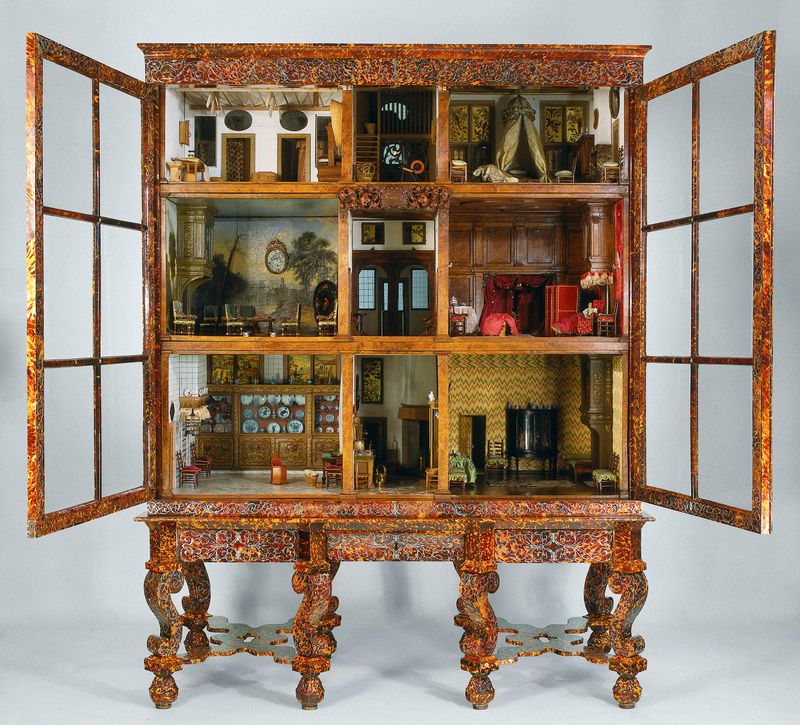
Dolls’ house of Petronella Oortman
Unknown Artist
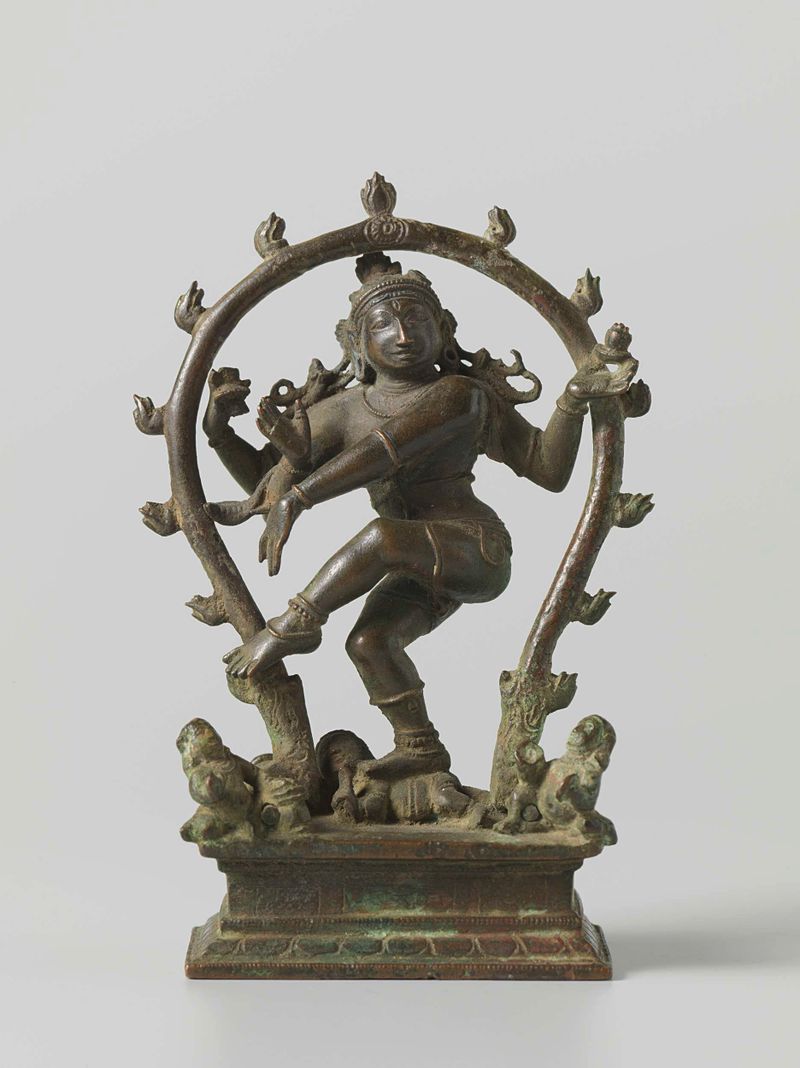
Shiva Nataraja
Unknown Artist

The Tale of Genji
Unknown Artist

The Tale of Genji
Unknown Artist
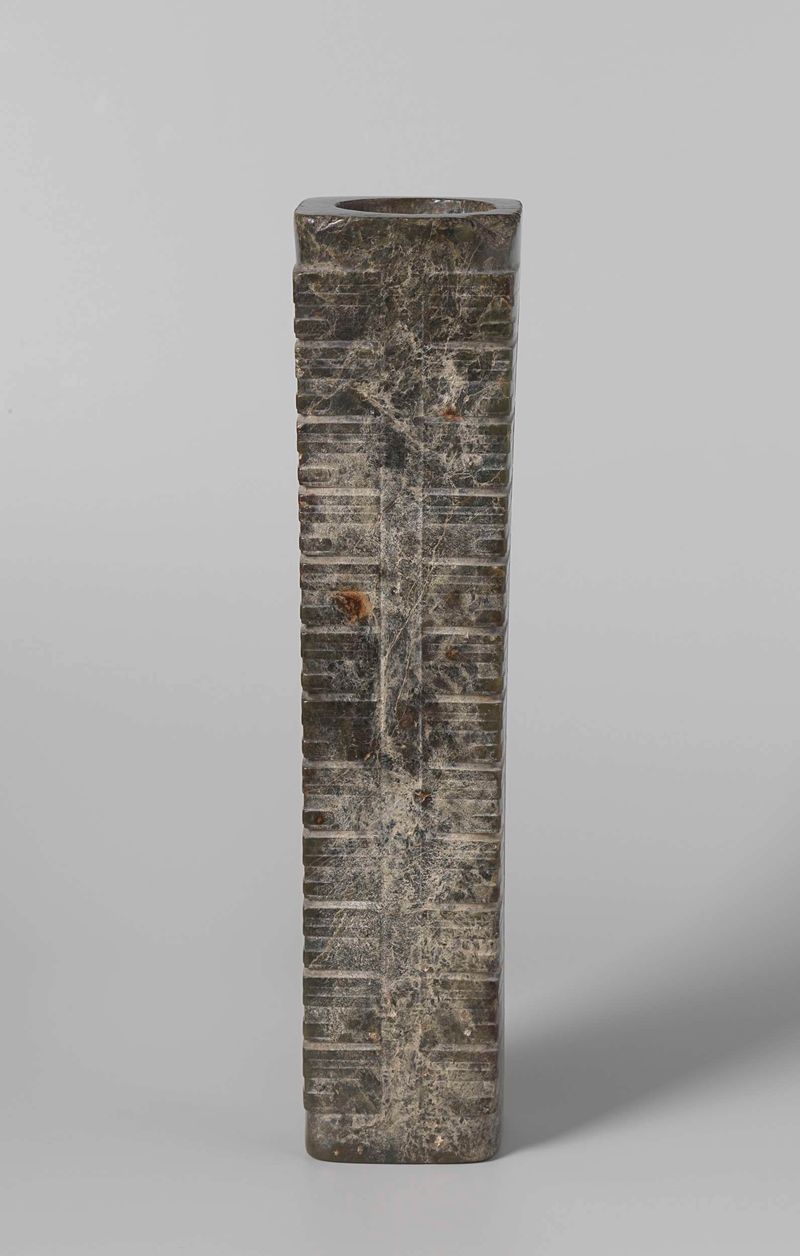
Cong
Unknown Artist
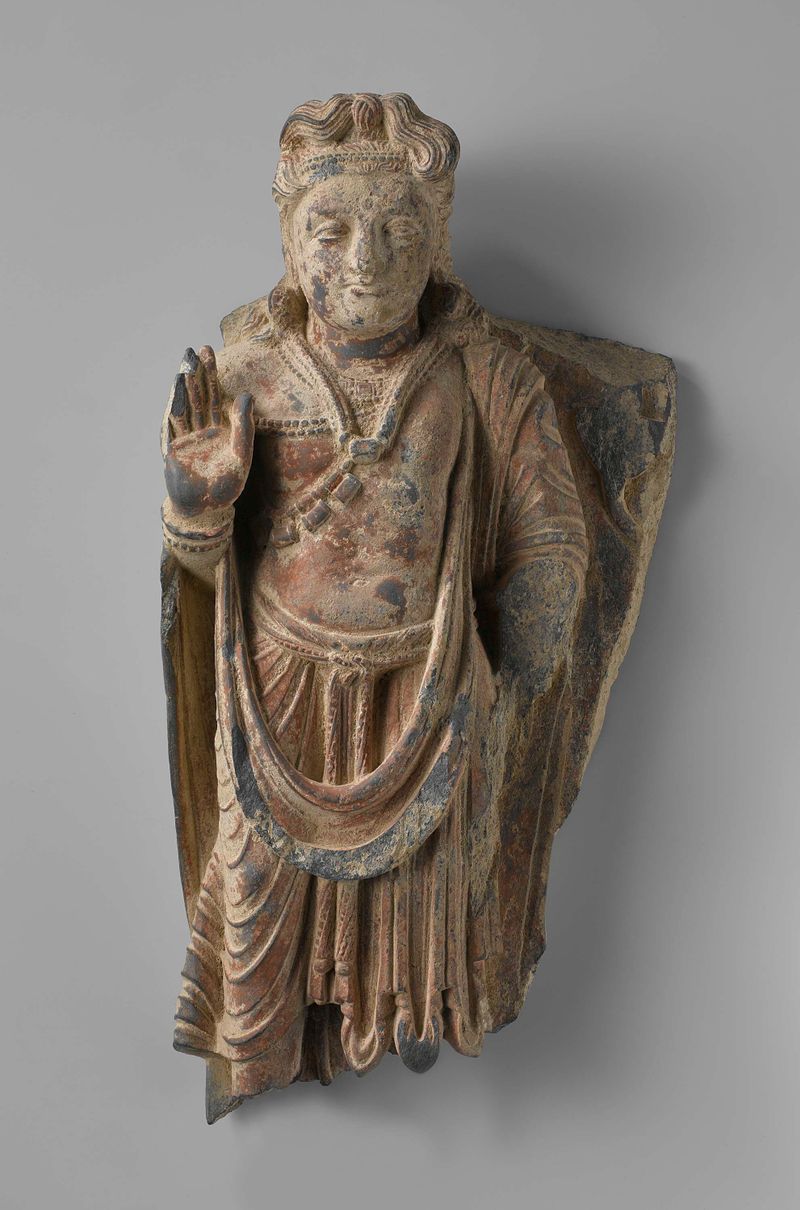
The bodhisattva Maitreya
Unknown Artist
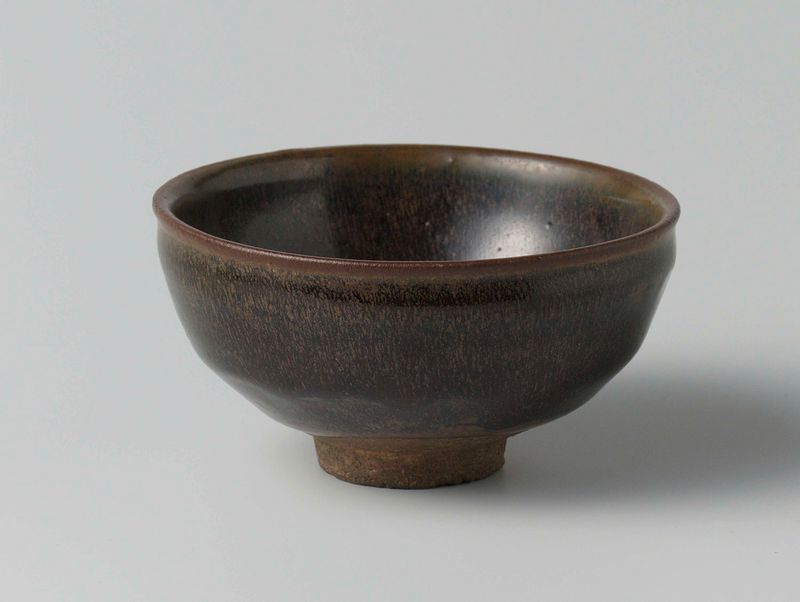
Teabowl with a 'hare's fur' glaze
Unknown Artist





