Studio Interior — History & Facts
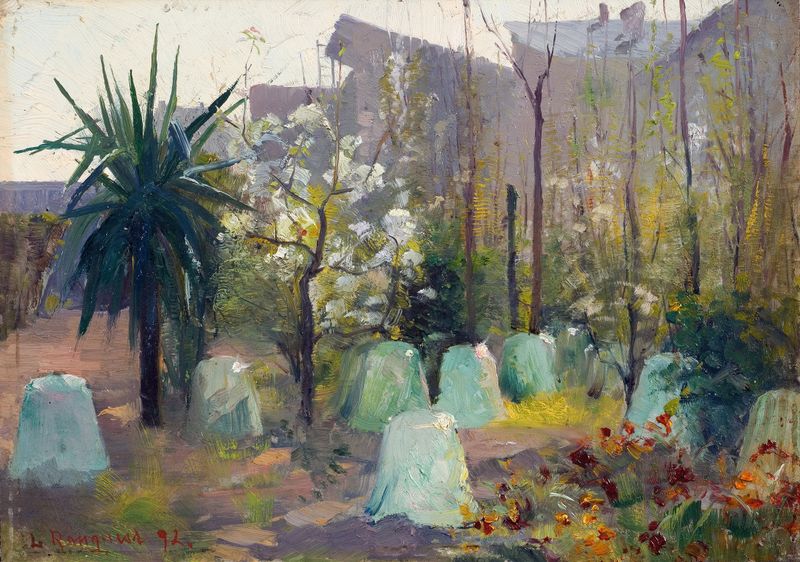
What if beauty was never meant to be finished? In Studio Interior, this question lingers like whispered secrets within a space suffused with stillness and promise. It beckons you to explore the quiet tension between creation and the void that often surrounds it. Look to the left at the empty easel, its presence both commanding and forlorn, suggesting an artist’s pause in the creative process. The soft natural light filters through the window, illuminating the dust motes that dance lazily in the air.
Notice the muted palette of ochres and soft blues, creating a serene atmosphere, while the shadows in the corners hint at untold stories waiting to be born. Every brushstroke embodies a moment suspended in time, capturing the essence of inspiration mingled with absence. Beneath the surface, this painting encapsulates the emotional struggle of artistic endeavor—an internal battle of creation versus emptiness. The vacant canvas implies potential, yet also a profound sense of longing, evoking the artist's vulnerability before the creative act.
This contrast between light and shadow reveals a duality: the hope of what could be and the weight of what remains unexpressed, inviting viewers to confront their own feelings of incompleteness. In 1892, Rönquist worked in a rapidly changing art landscape, marked by the rise of modernism and exploration of new mediums. Creating in Sweden, she navigated both personal and societal transformations, often reflecting on the role of women in the arts. At this time, the tension between tradition and innovation permeated artistic discourse, and her work poignantly captures the spirit of an artist poised on the brink of discovery, surrounded by the echoes of unfulfilled dreams.