
Study of a Cedar — History & Facts
The act of capturing the natural world holds a mirror to both memory and transience, inviting us into a silent, contemplative space. Focus on the intricate textures of the cedar's bark, cascading down the center like the passage of countless seasons. The artist employs a palette of deep greens and earthy browns, evoking the essence of the forest. Notice how the light delicately filters through the branches, highlighting the interplay of shadow and illumination, inviting the viewer to engage with the richness of the tree’s form. Within this study lies a juxtaposition of permanence and fleetingness.
The cedar stands resolute against the passage of time, embodying strength and longevity, while the soft brushstrokes reveal a vulnerability to the elements. There’s an almost melancholic beauty in this duality, as if the artist is capturing not just a tree, but the very essence of nature’s cycle — the fading past and the promise of renewal. David Johnson created this piece between 1827 and 1908, a time marked by a burgeoning American appreciation for the natural landscape as a subject of artistic focus. Living in the midst of the Hudson River School movement, he was influenced by the Romantic ideals of nature’s grandeur and spirituality.
His work reflects both a personal connection to the wilderness and a response to a nation grappling with its identity, honoring the enduring strength of nature amidst the rapidly changing world.
More Artworks by David Johnson
Browse all →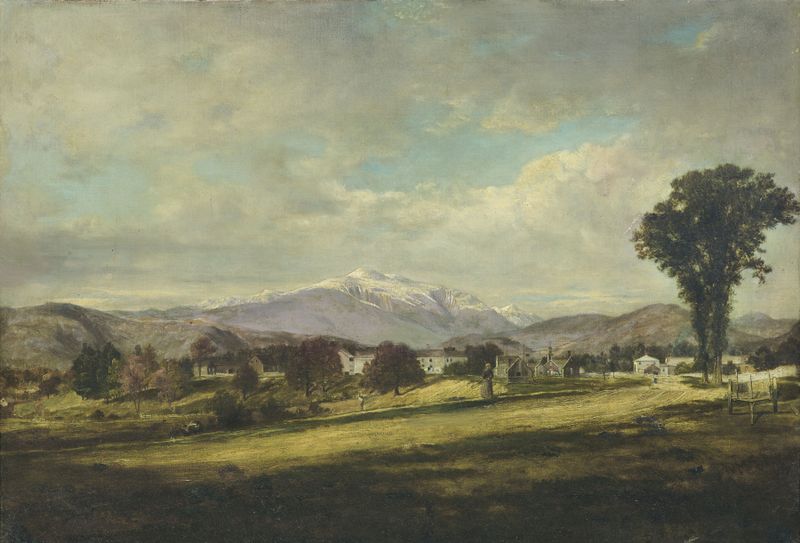
White Mountains from North Conway, New Hampshire
David Johnson
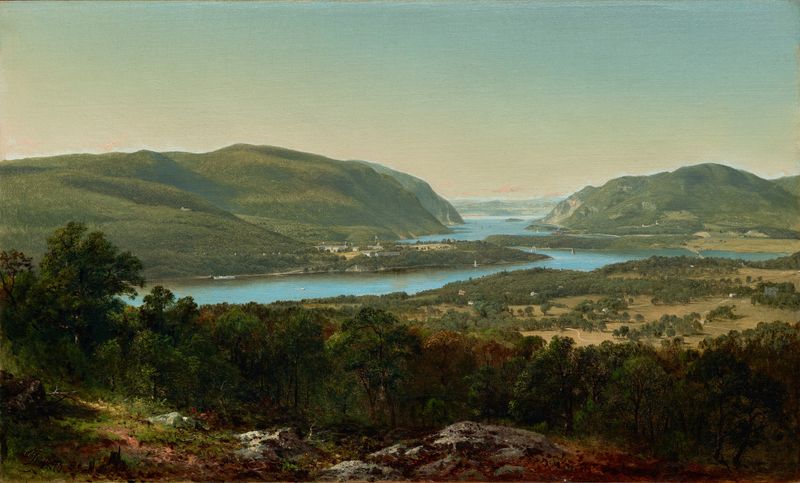
View from Garrison, West Point, New York
David Johnson
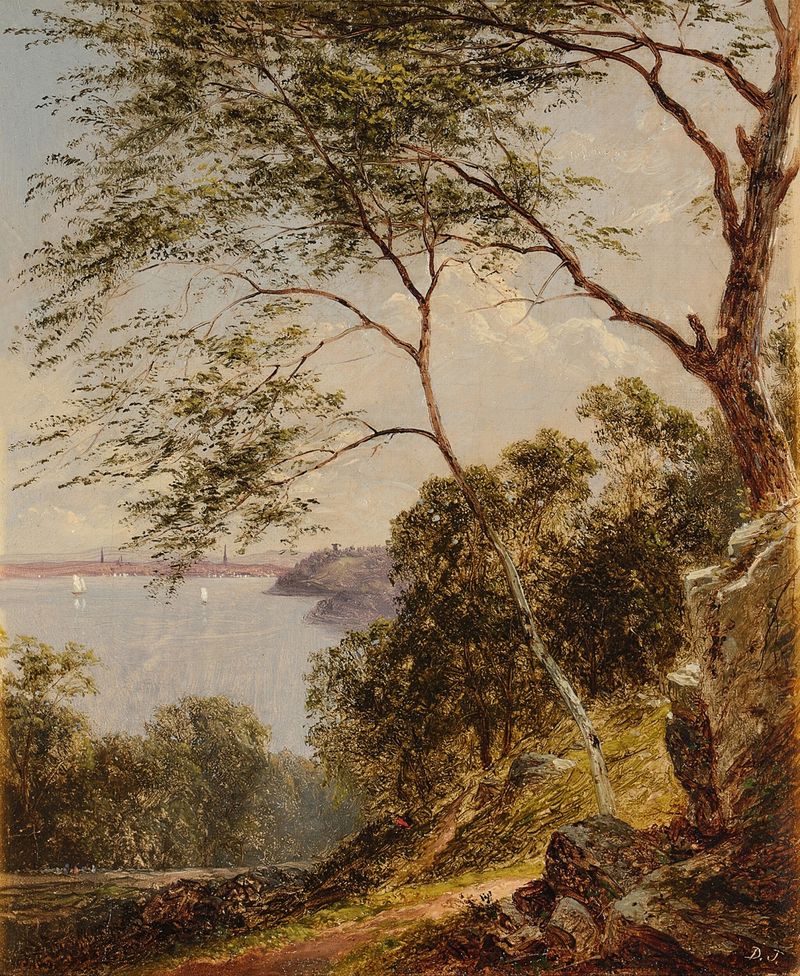
From Union Hill, Hoboken
David Johnson
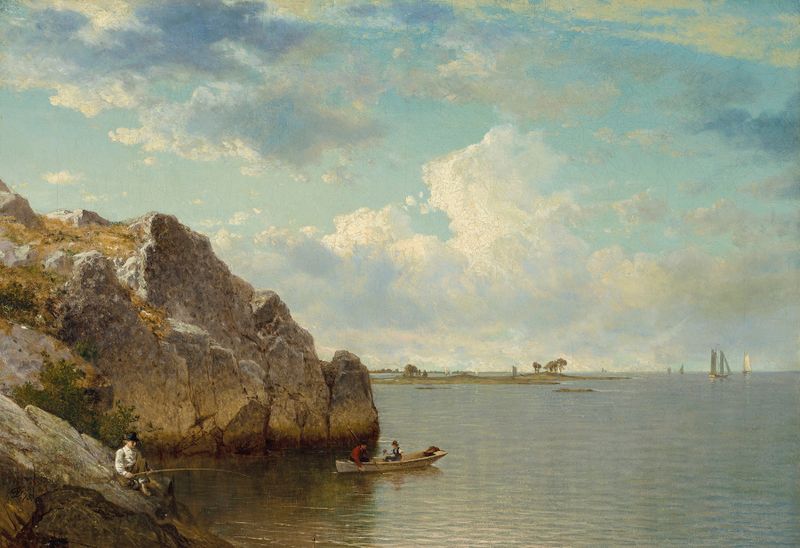
Near Noroton, Connecticut
David Johnson
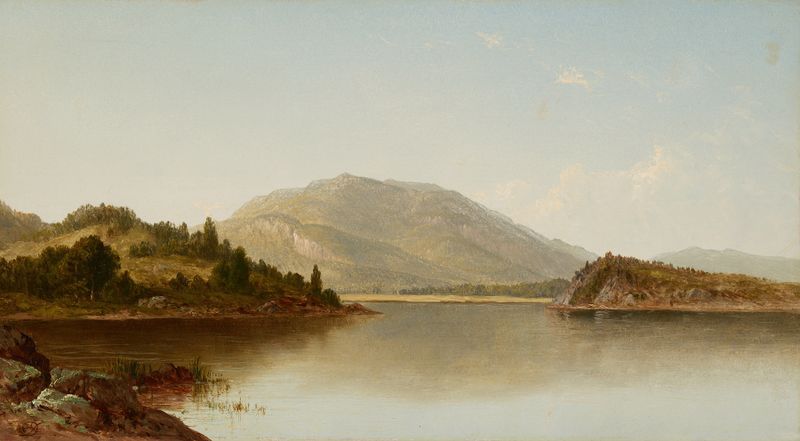
Bear Mountain and Iona Island on the Hudson River
David Johnson
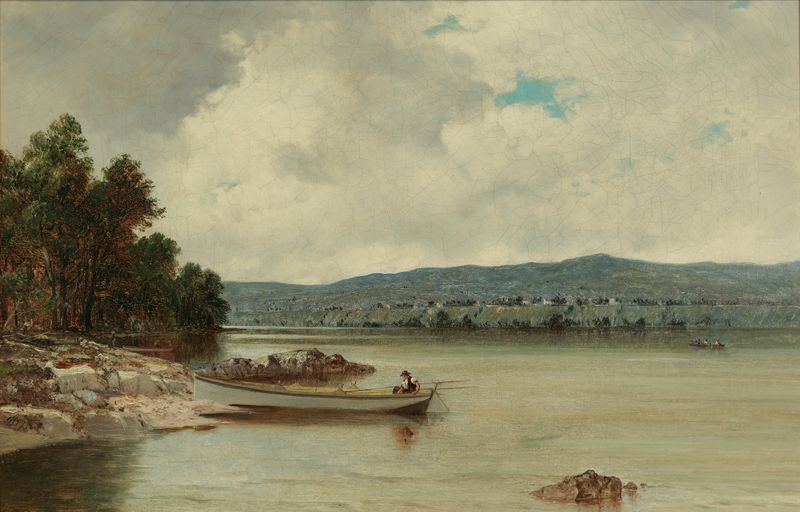
Landing The Dory
David Johnson
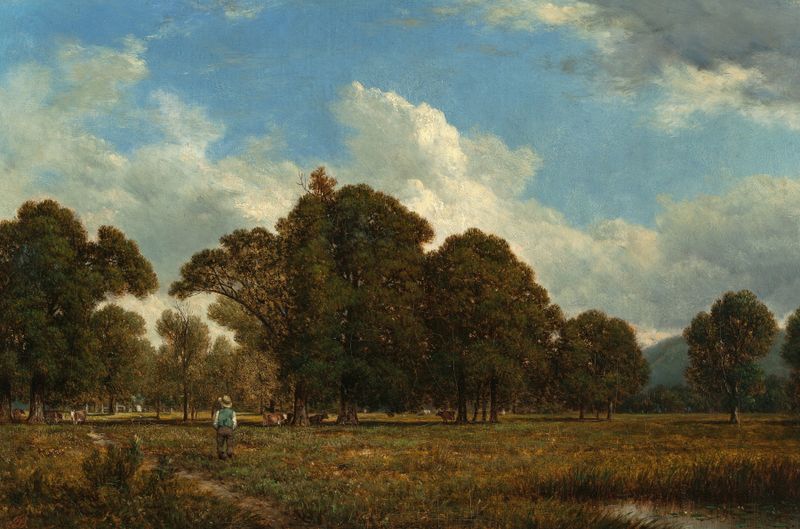
A Farm on the Genesee River
David Johnson
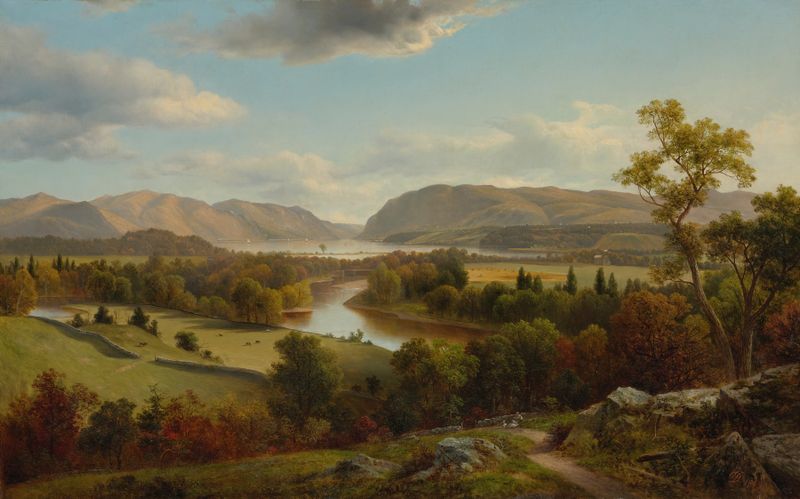
View From New Windsor, Hudson River
David Johnson
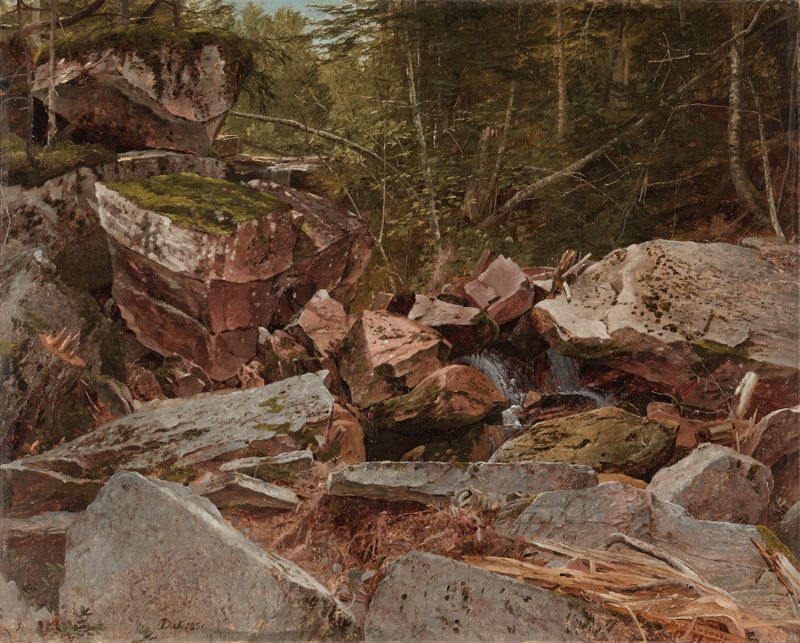
Study, North Conway, New Hampshire
David Johnson
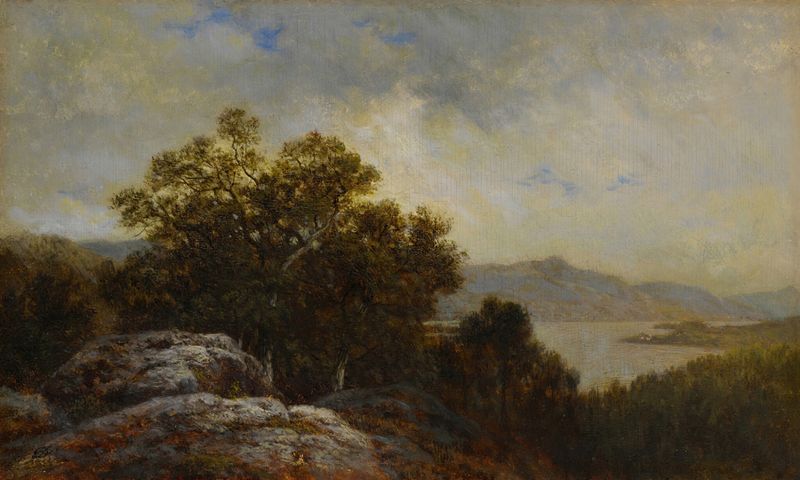
Near Hague, Lake George
David Johnson





