
Study of an Ash Tree — History & Facts
Could beauty survive in a century of chaos? Look closely at the intricate branches that stretch upwards, each limb a testament to resilience, weaving through the canvas like a dancer caught in an ethereal ballet. The subtle play of light reveals delicate textures, with the soft greens and browns harmonizing in a soothing palette that invites contemplation. Focus on the gentle undulation of the leaves; they sway softly, whispering secrets of nature’s quiet strength amidst a tumultuous world. As you explore further, notice the contrast between the sturdy trunk and the fragile leaves that cling to it—here lies a poignant tension between strength and vulnerability.
The artist’s deliberate emphasis on the ash tree’s form evokes a sense of yearning, as if it longs to reach for something just beyond its grasp. This juxtaposition resonates deeply, suggesting that in the face of adversity, beauty and grace remain tenacious. In 1851, the artist found himself at a pivotal moment in his career, painting in the serene English countryside. The world was slowly emerging from the shadows of the Industrial Revolution, a time of great change that stirred both hope and despair.
As Constable immersed himself in the natural beauty around him, he sought to capture not only the essence of the landscape but also the emotional echoes that rippled through the air—a quest for solace in a world rife with uncertainty.
More Artworks by Lionel Constable
Browse all →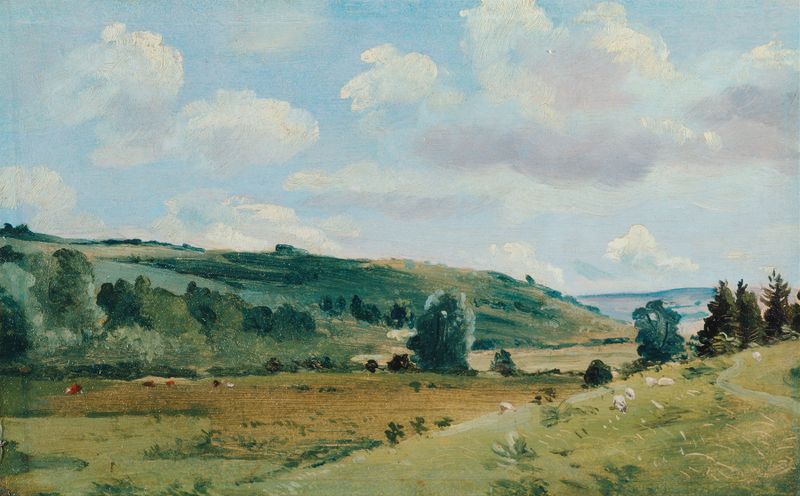
Summer Landscape near Dedham
Lionel Constable
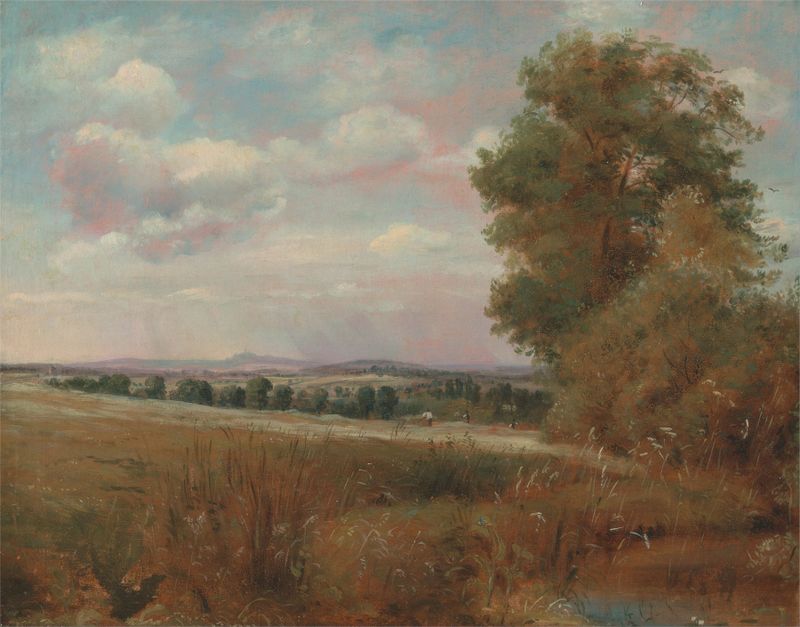
Landscape at Hampstead, with Harrow in the Distance
Lionel Constable
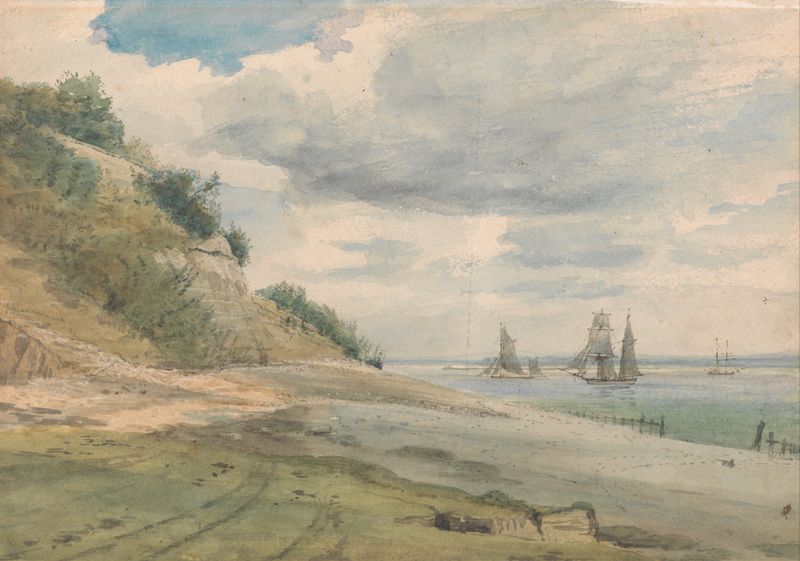
View near Walton on Naze
Lionel Constable
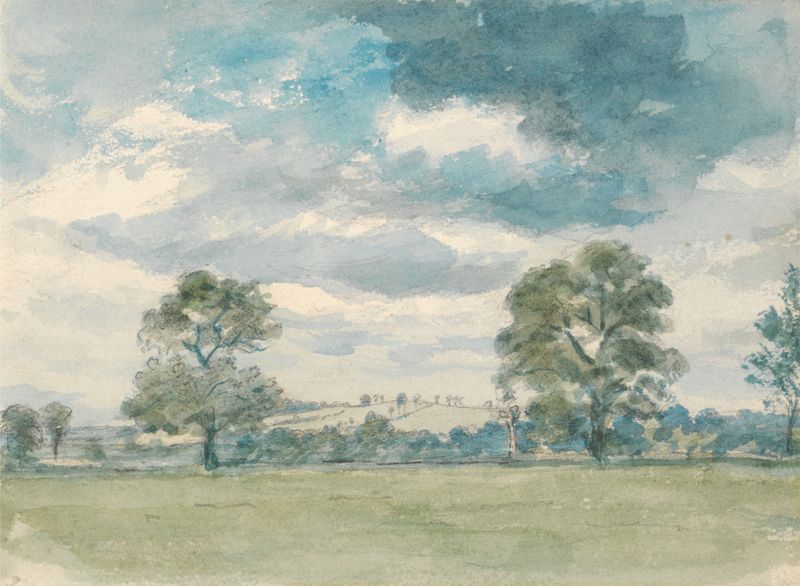
Summer Landscape
Lionel Constable
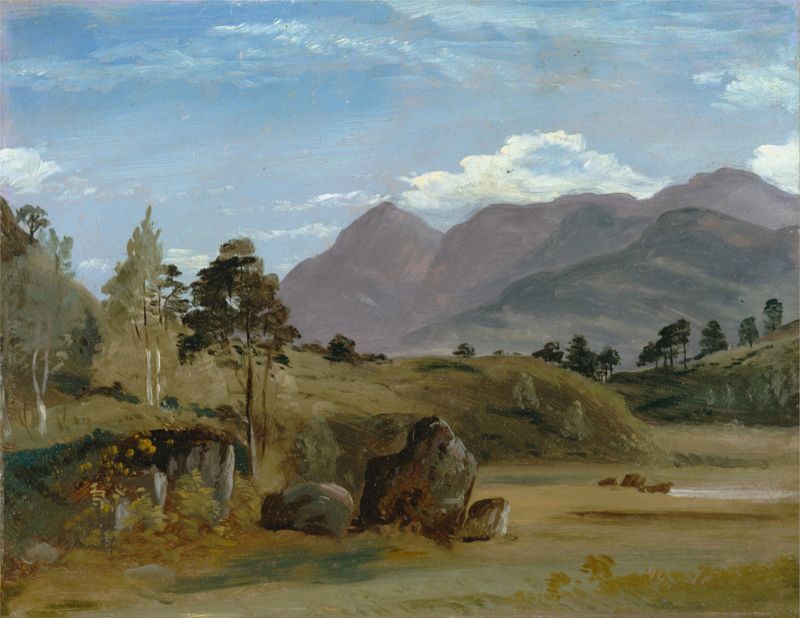
Mountain Landscape, possibly in the Lake District
Lionel Constable
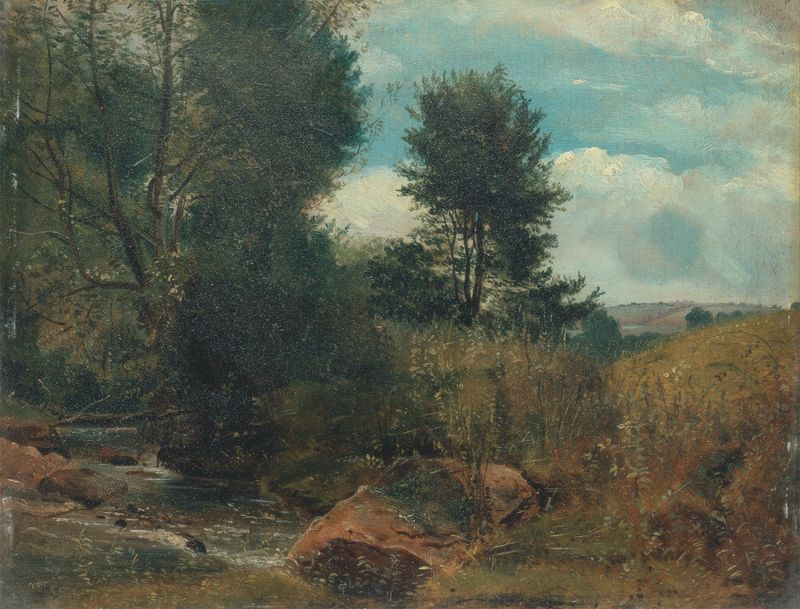
View on the River Sid, near Sidmouth
Lionel Constable
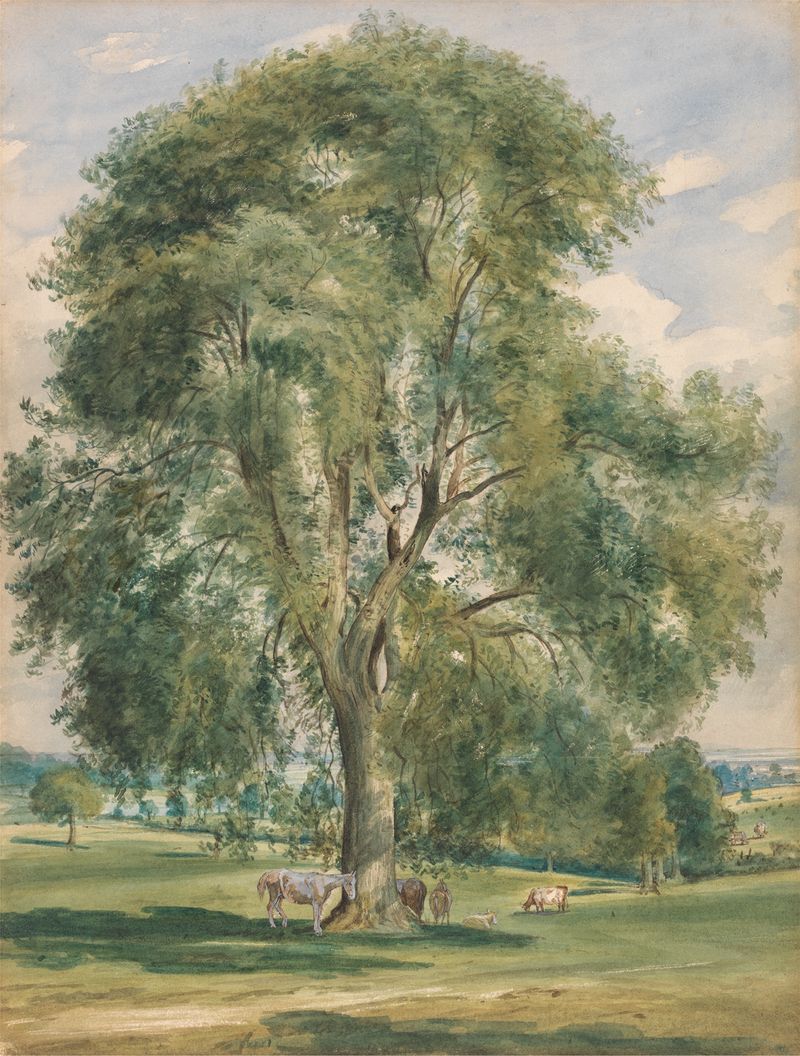
A Large Tree in a Summer Landscape, a Horse Standing at the Base
Lionel Constable
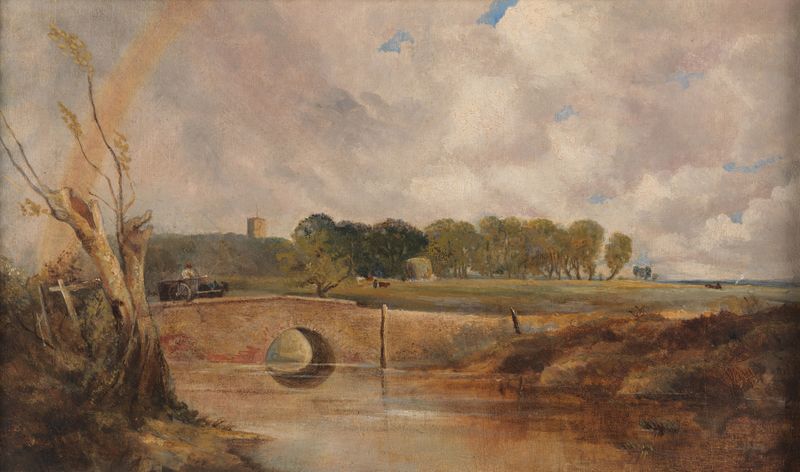
A Rainbow, View of the Stour
Lionel Constable
Landscape with Wheatfield
Lionel Constable

Cloud Study
Lionel Constable





