
Study of Tivoli — History & Facts
Where does light end, and longing begin? In a world suffused with both brilliance and shadow, Study of Tivoli invites us to explore the spaces between joy and sorrow, illuminating the complexity of human emotion through the language of nature. Look to the lower right, where the lush greens of the landscape cradle the soft lines of a distant horizon. The composition draws the eye upward, allowing the vibrant blues of the sky to merge with gentle clouds, creating a harmonious balance of color. Johnson's brushwork captures the interplay of light and shadow, breathing life into each leaf and stone, while the interplay of warm and cool tones suggests an underlying tension, perhaps a longing for something just out of reach. As we linger over the details, notice how the cascading waterfall hints at the passage of time, a metaphor for both beauty and inevitable loss.
The tranquil scene evokes a sense of nostalgia, embodying the artist's grief and longing for the past, yet it remains grounded in the serenity of the moment. This delicate balance of emotions urges us to contemplate our fleeting experiences and the impermanence of nature itself. In 1869, David Johnson painted this work amidst a flourishing American art scene, where the Hudson River School's romanticism was beginning to give way to newer influences. His travels to Italy deeply affected his artistic vision, bringing European landscapes into his body of work.
At this time, Johnson was striving to reconcile his deep affection for nature with the bittersweet truths of human existence, a theme that resonates profoundly in Study of Tivoli.
More Artworks by David Johnson
Browse all →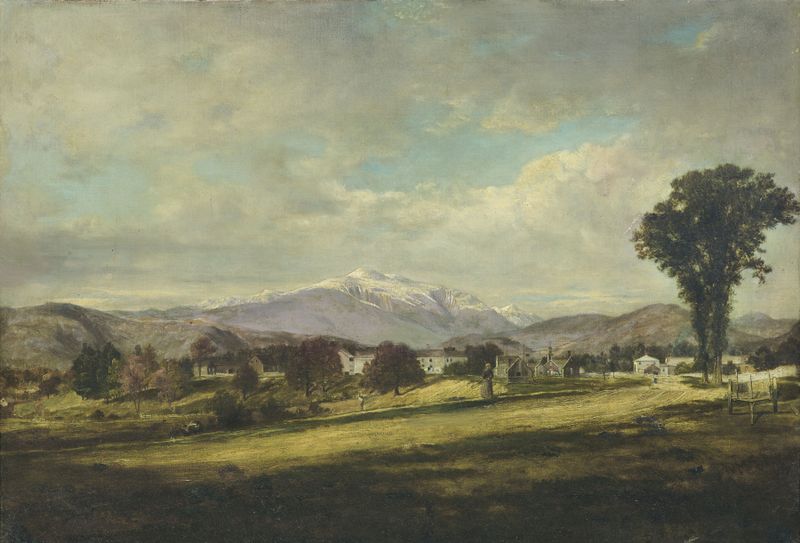
White Mountains from North Conway, New Hampshire
David Johnson
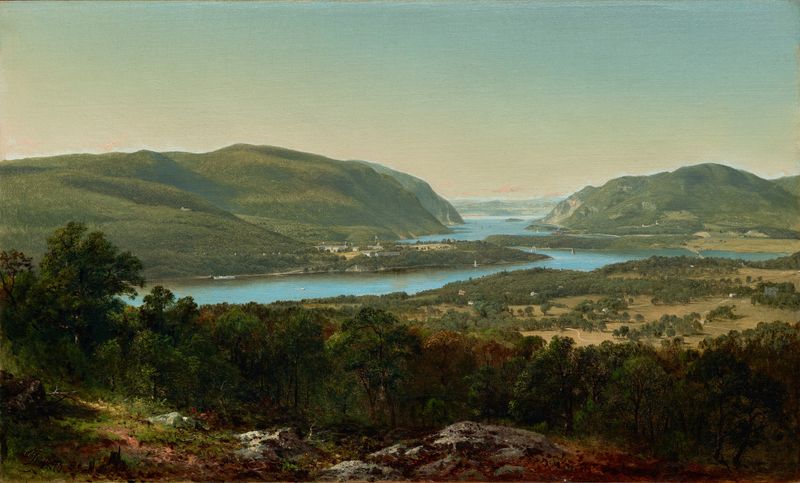
View from Garrison, West Point, New York
David Johnson
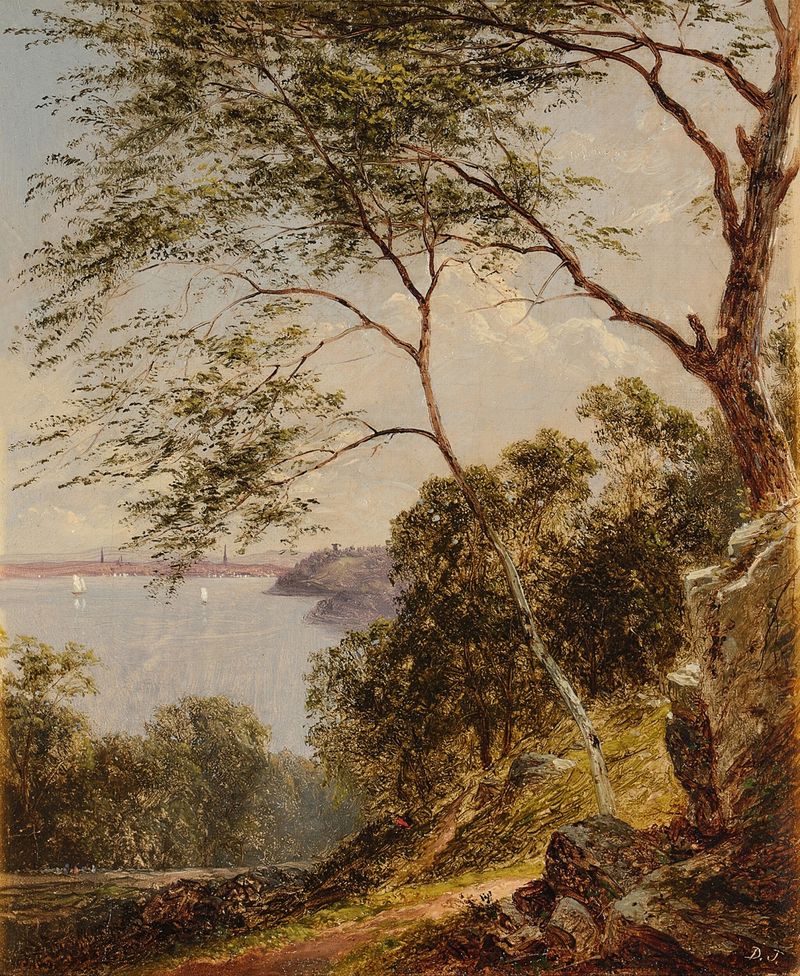
From Union Hill, Hoboken
David Johnson
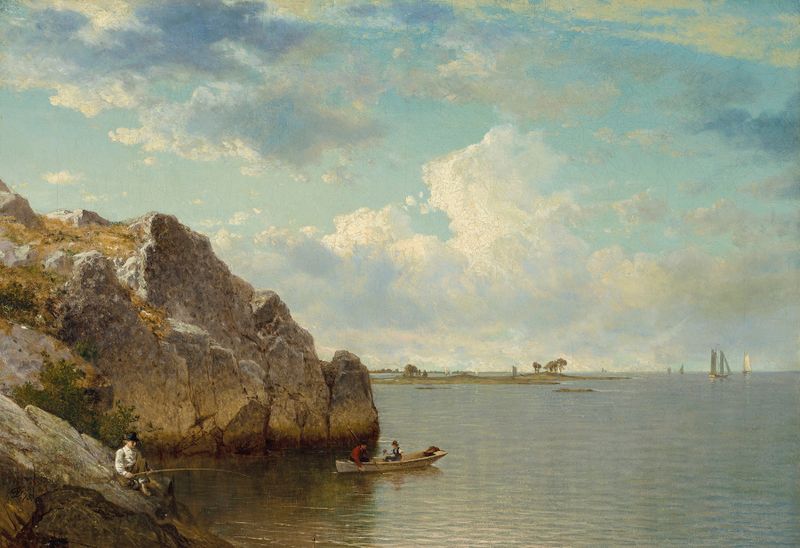
Near Noroton, Connecticut
David Johnson
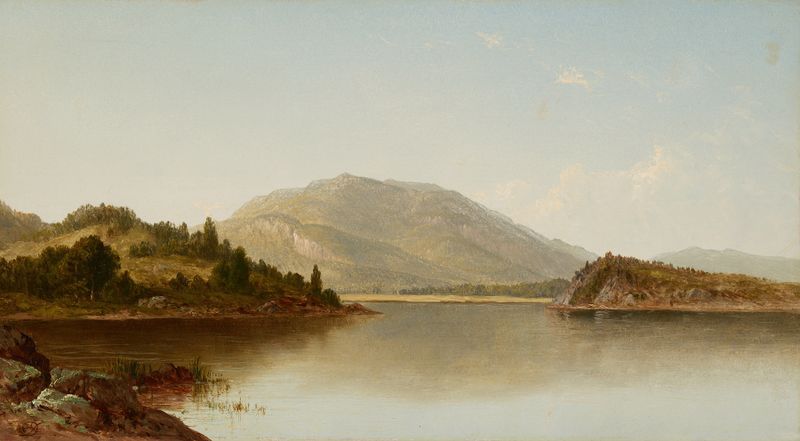
Bear Mountain and Iona Island on the Hudson River
David Johnson
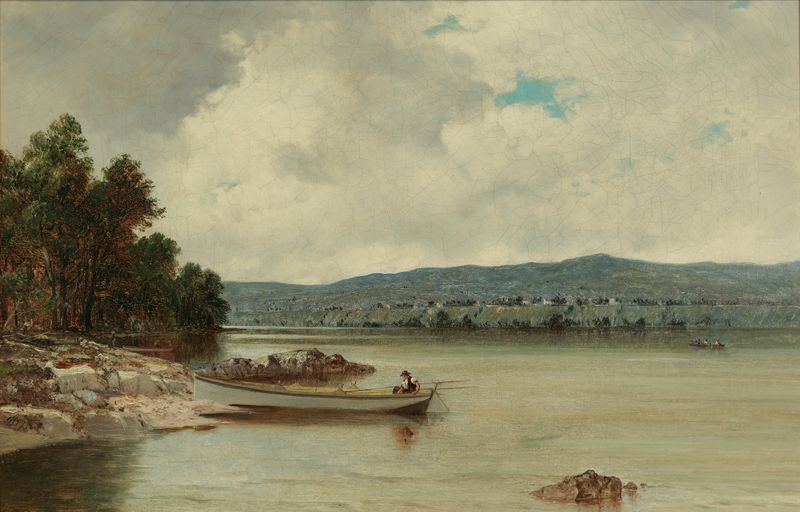
Landing The Dory
David Johnson
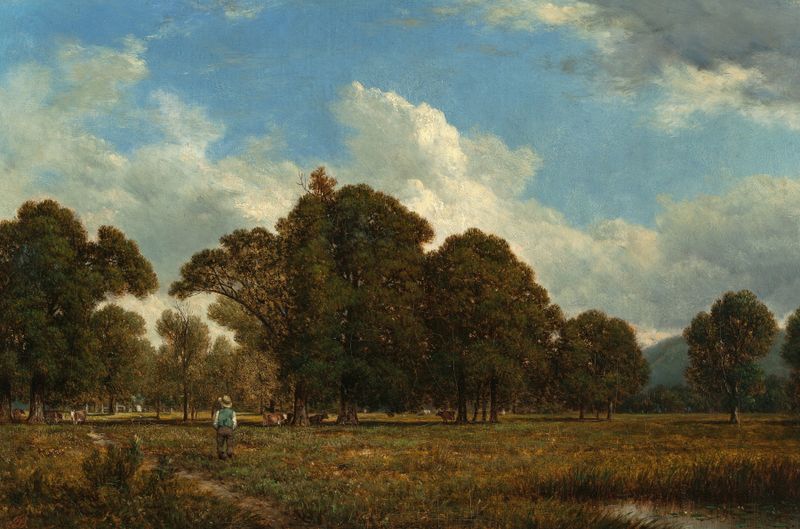
A Farm on the Genesee River
David Johnson
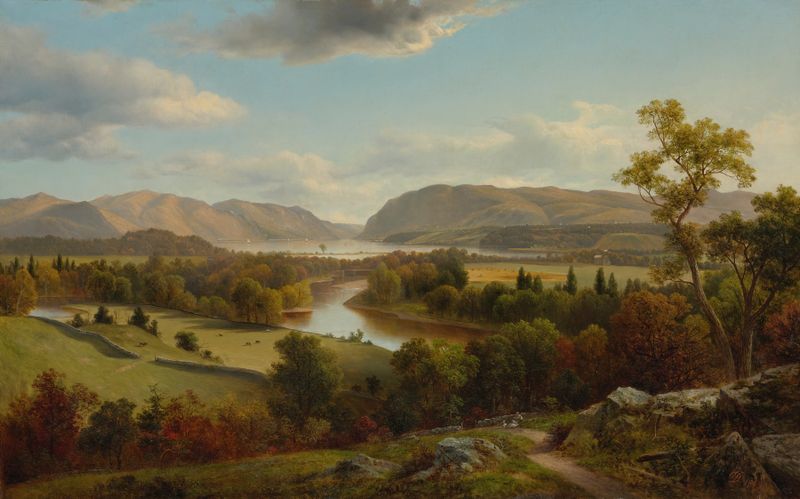
View From New Windsor, Hudson River
David Johnson
Study, North Conway, New Hampshire
David Johnson
Near Hague, Lake George
David Johnson





