
Study of Trees — History & Facts
What if beauty was never meant to be finished? In Study of Trees, the brushstrokes reveal a world where nature thrives in an eternal state of becoming, inviting the viewer to witness the subtle complexities and imperfections of life. Look to the foreground, where a cluster of trees stands tall, their trunks a delicate interplay of browns and greens. Notice how the artist captures the dappled light filtering through the leaves, casting intricate shadows on the forest floor. The layering of pigments creates depth and texture, allowing each leaf to breathe with vitality while evoking an ethereal serenity.
The varying shades tell a story of seasons, growth, and the passage of time. In the quiet solitude of this woodland scene, contrasts emerge—the robust sturdiness of the trees juxtaposed against the ephemeral play of light and shadow. There’s a tension between permanence and transience, as the vibrant foliage hints at the inevitable cycle of decay. The shifting colors convey a sense of transformation, suggesting that within beauty lies the raw truth of impermanence.
Each element invites reflection on the connection between nature and the human experience. In the 1640s, Lucas van Uden was immersed in the rich tradition of Flemish landscape painting, drawing inspiration from his surroundings in Antwerp. This period was marked by a fascination with the natural world, as artists sought to capture its essence through meticulous observation. As he painted Study of Trees, Uden’s technical prowess and appreciation for detail reflected a moment when art was evolving, echoing the harmony between humanity and nature in a rapidly changing world.
More Artworks by Lucas van Uden
Browse all →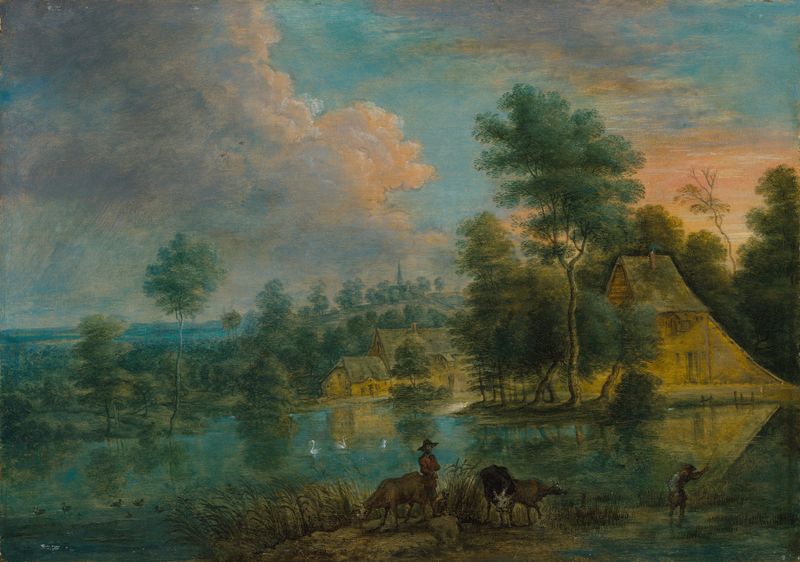
A river landscape with travellers
Lucas van Uden
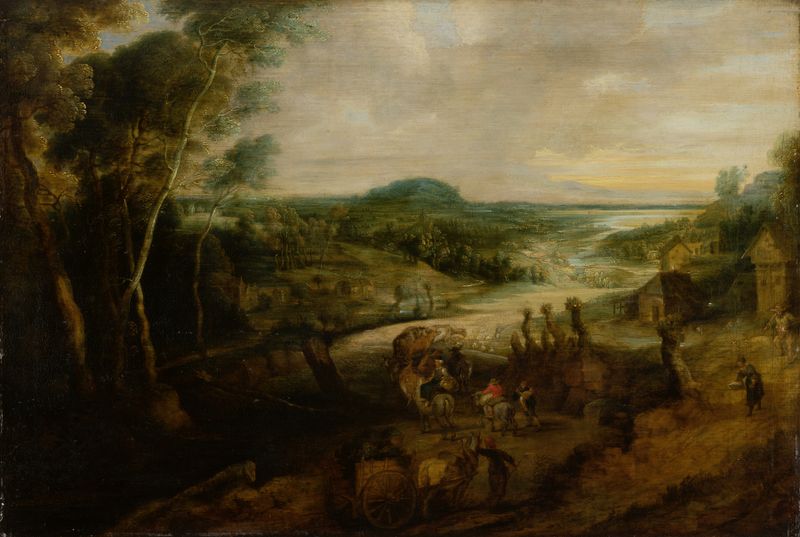
River Landscape with Peasants on the Way to Market
Lucas van Uden
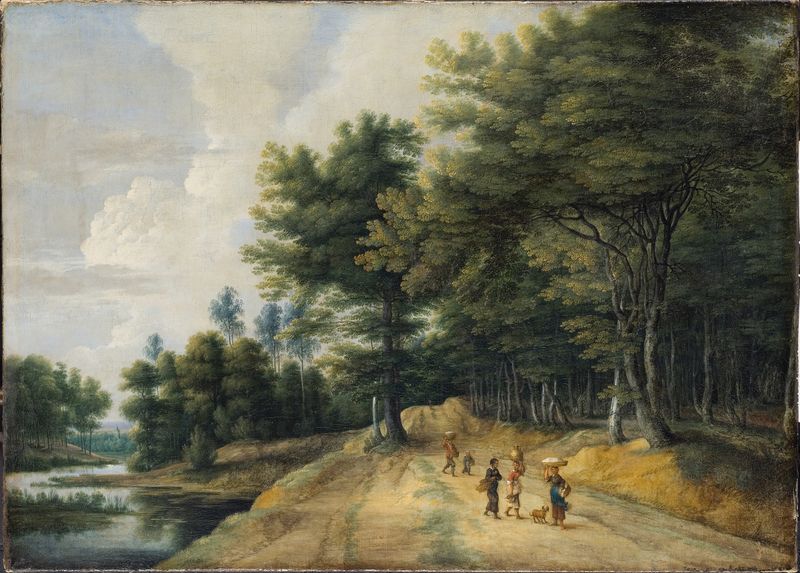
Landscape with a Road through a Wood of Beeches
Lucas van Uden
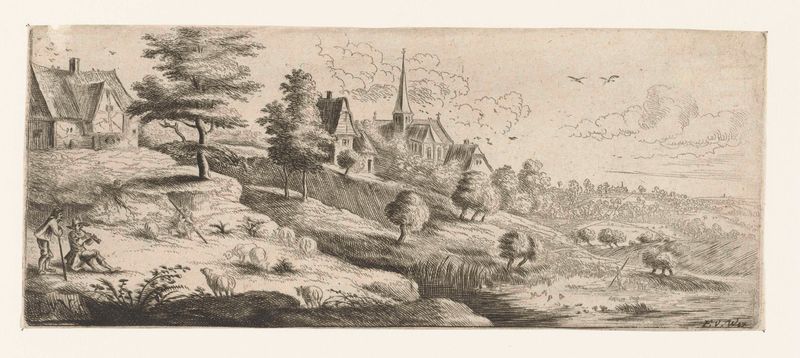
Landschap met een dorp en een schalmei spelende man
Lucas van Uden
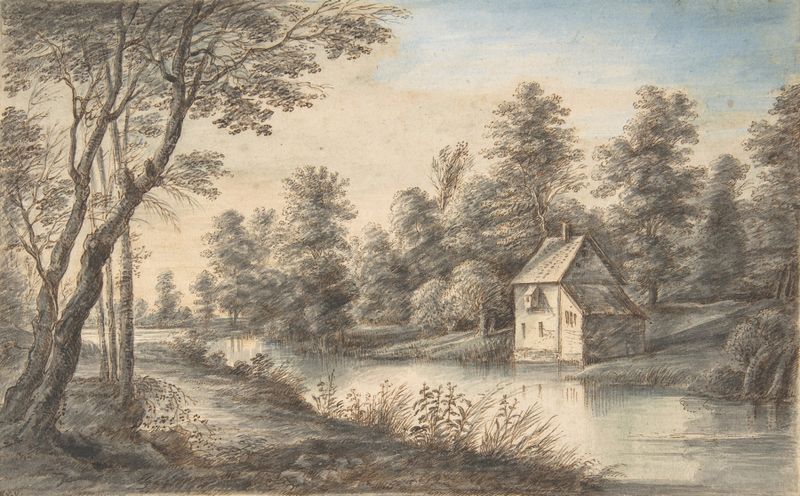
Wooded Landscape with a House beside a River
Lucas van Uden
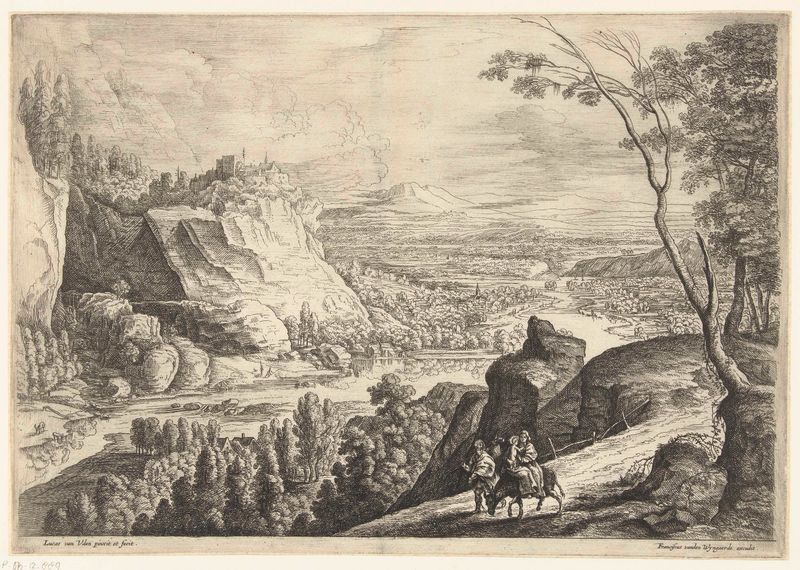
Landschap met de vlucht naar Egypte
Lucas van Uden
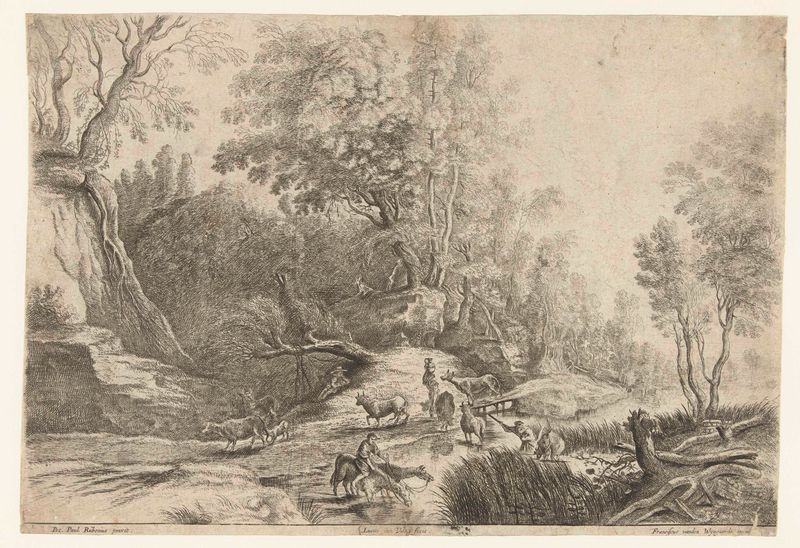
Paarden en koeien bij een drinkplaats
Lucas van Uden
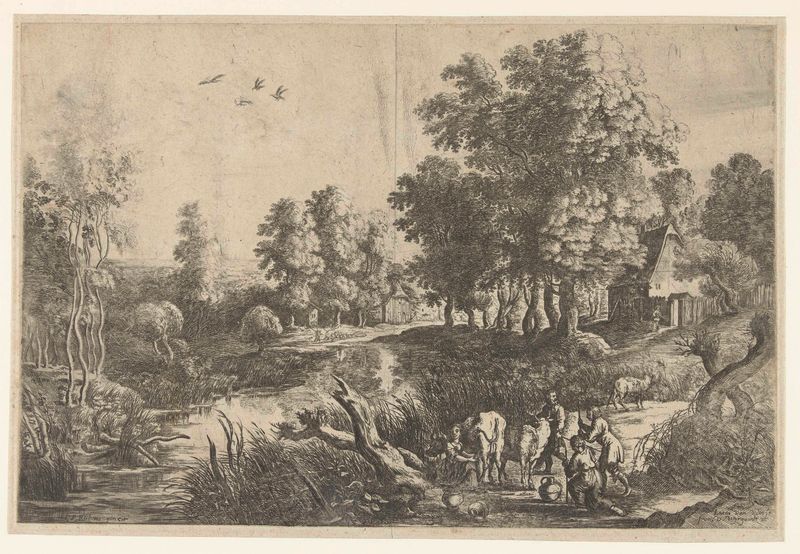
Boeren met vee bij een beek
Lucas van Uden
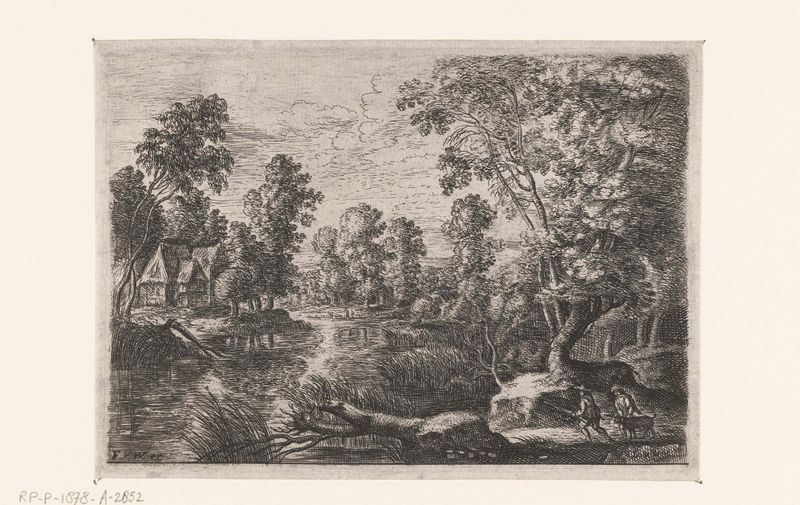
Landschap met een beek en een jager
Lucas van Uden
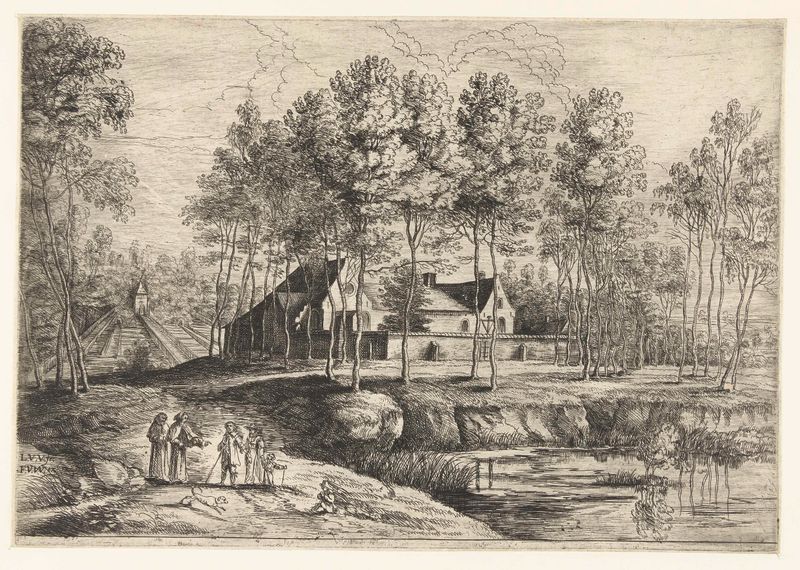
Gezicht op het kapucijnenklooster te Tervuren
Lucas van Uden





