Sugar estate — History & Facts
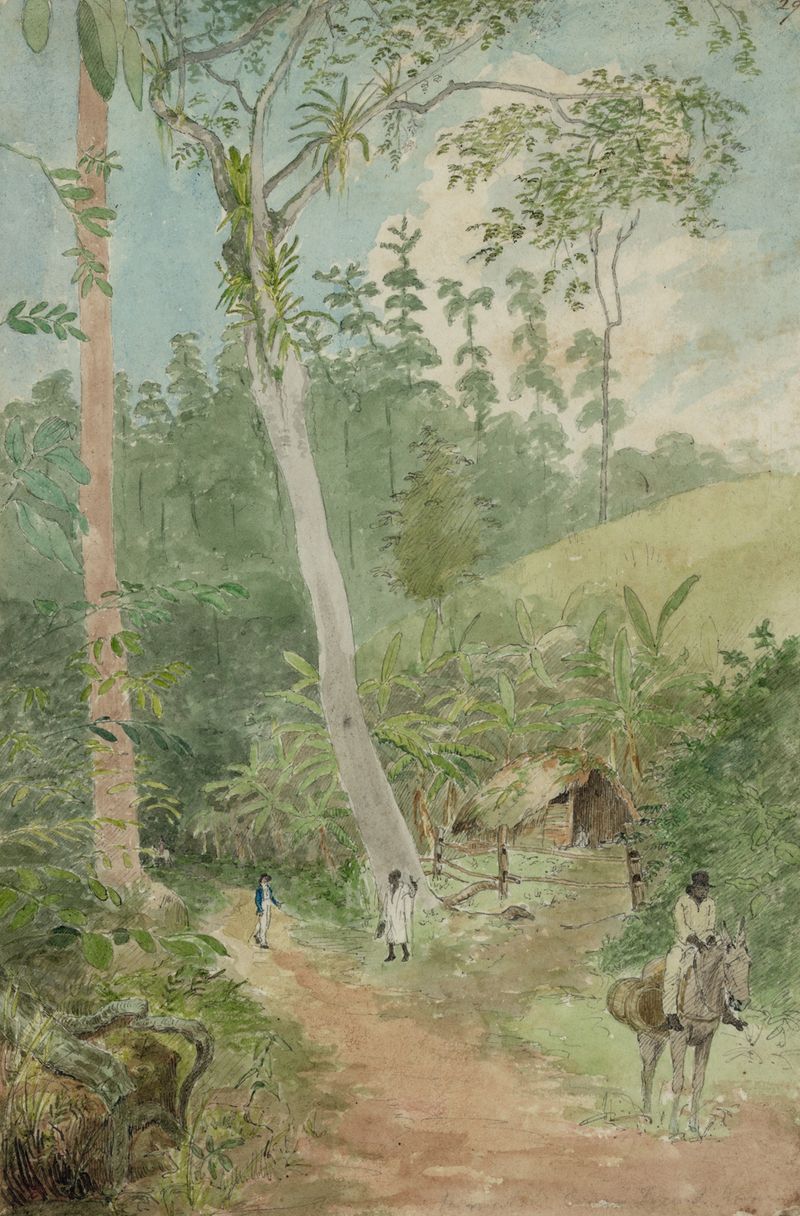
Could a single brushstroke hold eternity? In the depths of Sugar estate, a longing resonates, echoing the complex desires that permeate the sweet allure of sugar and the labor that sustains it. Look to the center of the canvas, where a verdant expanse of sugarcane unfurls beneath a brilliant sun. The vibrant greens contrast with the soft, golden hues that dance across the sky, enveloping the scene in a warm embrace. The meticulous detailing of the leaves and stalks invites the viewer to trace the labor of the workers, whose figures are rendered with a delicate touch, suggesting both strength and weariness.
Notice how the light falls upon their backs, illuminating the toil while casting shadows that hint at struggle—a stark reminder of the price paid for abundance. As you delve deeper, the emotional tensions between beauty and labor become apparent. The lushness of the landscape seduces the viewer, yet it simultaneously conceals the harsh realities of the workers' existence. Their subtle postures whisper of exhaustion and resilience, embodying a desire not just for sustenance, but for dignity in a world that often overlooks their humanity.
The juxtaposition of this natural paradise with the silent toil reflects a broader commentary on the relationship between wealth and suffering. In the early 19th century, when this piece was created, Berryman navigated a world where the sugar trade was synonymous with both prosperity and exploitation. Working in the United States amidst the rise of Romanticism, he sought to capture the interplay of nature and human endeavor. His choice to depict this expansive landscape during a time of economic change provides a poignant context for the viewers, inviting them to reflect on the desires that shape our histories.