Summer House by a Riverside — History & Facts
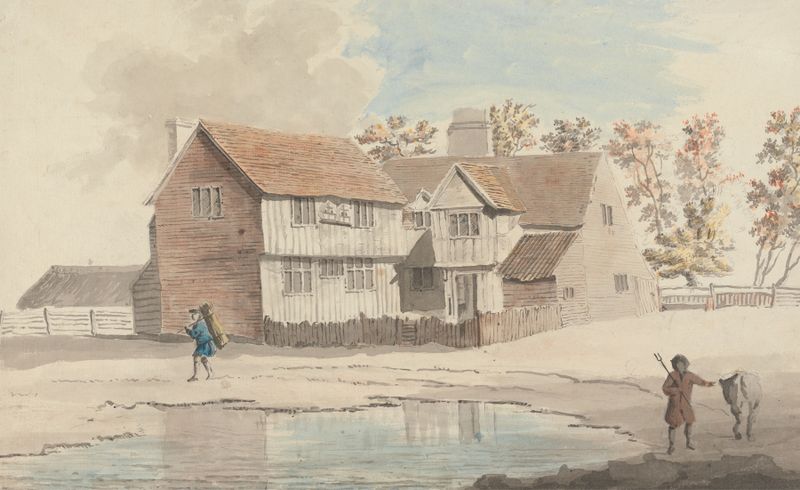
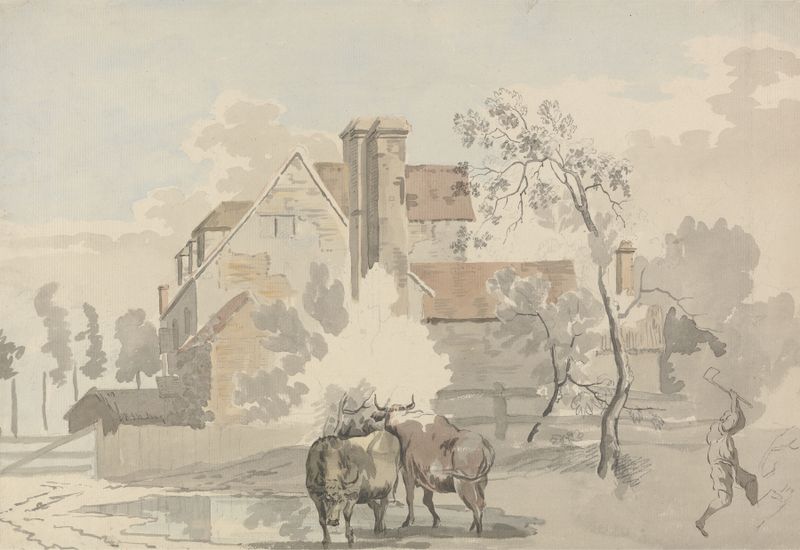
Who listens when art speaks of silence? In Summer House by a Riverside, an ethereal calm envelops a quaint structure, whispering tales of solitude and reflection amidst nature's embrace. Look to the right at the charming summer house, nestled among lush greenery. The gentle strokes of verdant hues intertwine with the soft blues of the water, creating a seamless transition between land and river. Notice how the light dances upon the surface of the water, casting intricate reflections that suggest movement yet evoke a sense of stillness.
This subtle interplay of colors and textures invites the viewer to linger, as if time itself has paused in this serene moment. Upon closer examination, the painting reveals layers of meaning. The contrast between the solid architecture of the summer house and the fluidity of the river symbolizes the tension between permanence and transience. The viewer may sense the quiet solitude of the scene, evoking feelings of introspection, while the surrounding nature hints at the cycles of life that continue beyond the canvas.
This illusion of peaceful isolation contrasts with the unseen life that thrums just beyond the frame, encouraging contemplation of what lurks in the silence. At the time Summer House by a Riverside was created, Thomas Theodosius Forrest was immersed in the late 19th-century movement that embraced naturalism and realism. The date remains uncertain, yet it reflects an artistic period where the blending of human habitation with serene landscapes became a focal point. Forrest's work connects with a broader desire to evoke emotional resonance through the portrayal of everyday moments, capturing the interplay between humanity and nature in a rapidly changing world.