Untitled — History & Facts
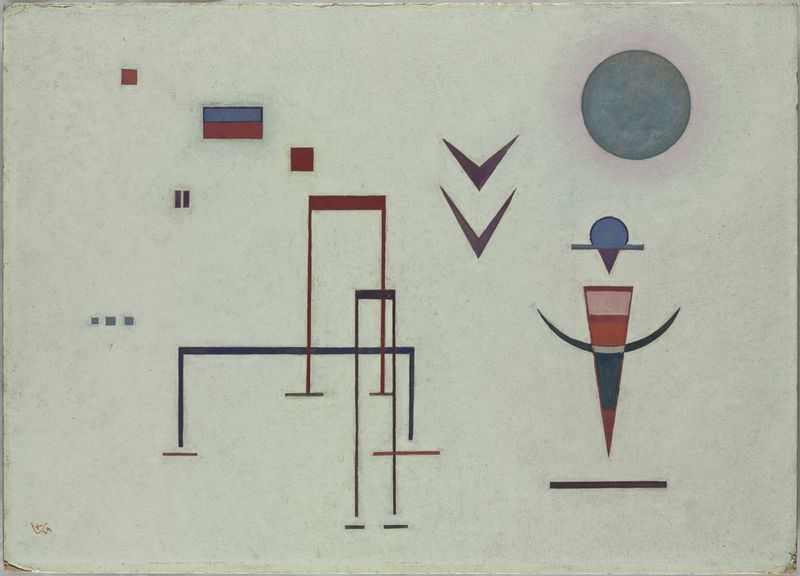
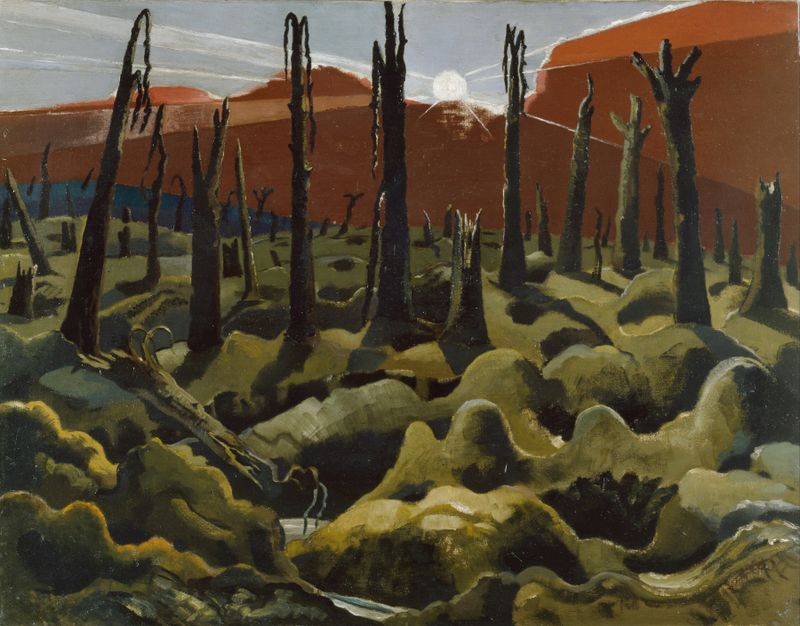
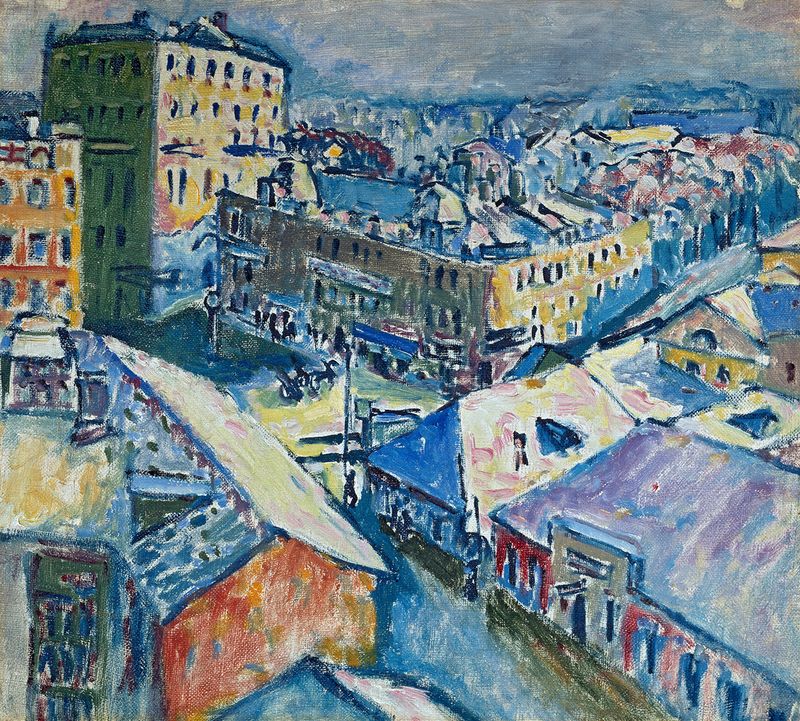
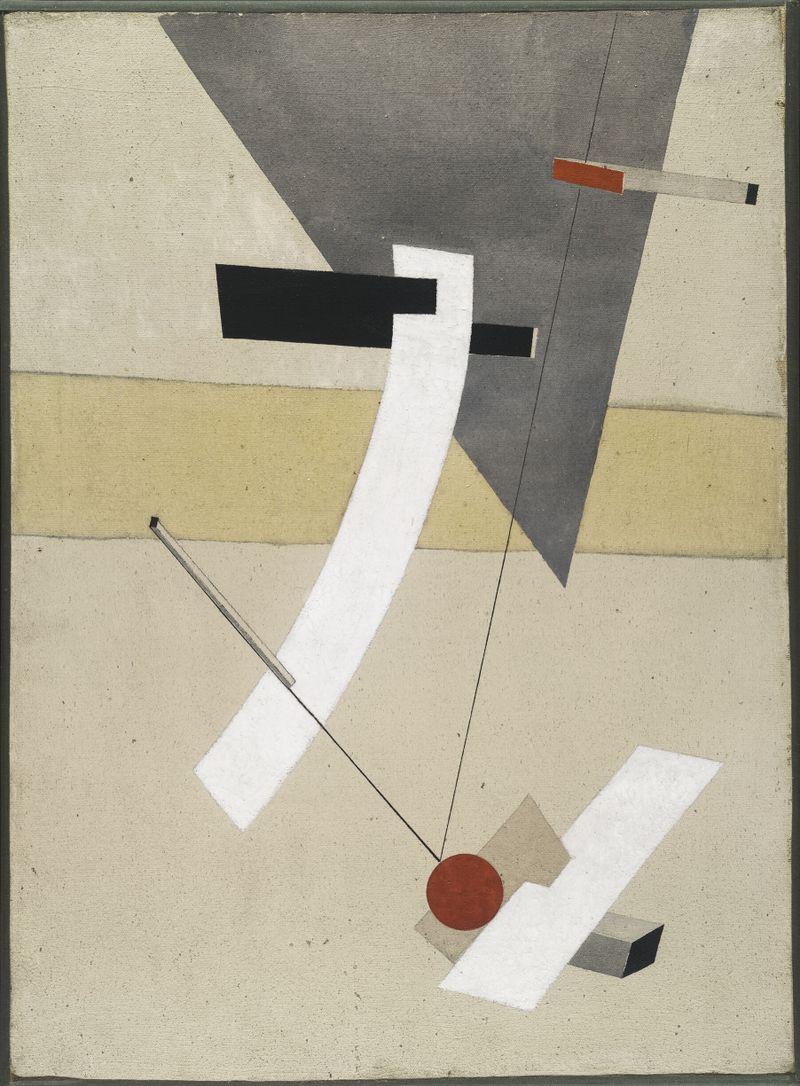
When did color learn to lie? In a world suffused with hues that deceive and comfort, the essence of creation itself becomes a haunting pursuit. Look closely at the swirling forms across the canvas, where vibrant reds and deep blues collide in a chaotic dance. Focus on the way the thinned paint drips and pools, creating an illusion of depth that draws the eye into a kaleidoscope of emotions. Each layer appears almost translucent, whispering secrets of what lies beneath the surface, inviting exploration beyond the immediate vibrancy. Amidst the tumult of color, one can sense an underlying tension between chaos and harmony.
The soft blending of shades creates a feeling of both turbulence and serenity, evoking the duality of creation itself—birth and destruction entwined in an eternal struggle. In some areas, the paint clumps together, suggesting the weight of potential that creation carries, while elsewhere, it releases into airy wisps, hinting at transient beauty that is fleeting and ephemeral. Thomas Theodosius Forrest painted this work during an undefined period of his career, likely within a context marked by personal exploration and the broader movements of abstract expressionism. As the art world was shifting towards more emotive, non-representational forms, Forrest’s experimentation with color and form reflects the zeitgeist of a time when artists were delving deep into the realms of personal expression and the philosophies of existence.