
Summer Scene — History & Facts
Where does light end, and longing begin? In the vibrant hues of a summer day, the boundaries of reality blur into a dreamlike reverie. Look closely at the center of the canvas, where a radiant sun casts golden rays over a serene landscape. The brushstrokes are both fluid and deliberate, guiding the eye towards a peaceful meadow that teems with life. Notice the lush greens of the grass contrasted against the delicate pastels of wildflowers, inviting you to imagine the gentle breeze rustling through.
The interplay of light and shadow creates a rhythm, echoing the warmth of the season while instilling a sense of nostalgia. Beneath the surface, the painting captures the essence of fleeting moments—the laughter of children at play, the whispers of nature responding to the warmth of the sun. The softness of the cloud-studded sky evokes a yearning for simplicity, while the distant hills symbolize the passage of time. These elements weave together a tapestry of innocence and longing, urging the viewer to reflect on their own summer memories, leaving an indelible imprint of happiness intertwined with bittersweetness. In 1920, the artist found himself deeply moved by the beauty of the American landscape, painting from a small studio in Washington, D.C.
This period marked a time of renewal in art as society emerged from the aftermath of World War I, with many artists seeking solace in nature. William Henry Holmes, known for his landscapes, sought to evoke a sense of peace through his work, capturing the essence of summer as a reprieve from the complexities of life.
More Artworks by William Henry Holmes
Browse all →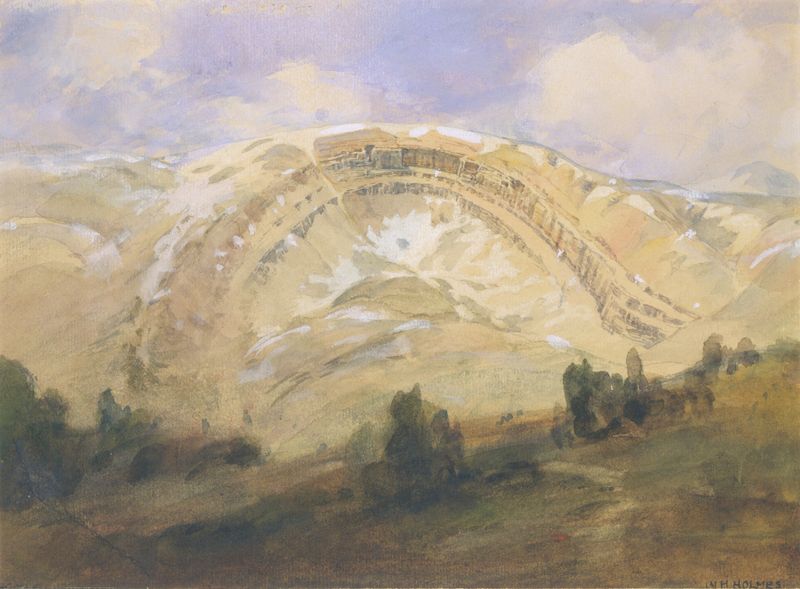
Folded Strata, A Great Geological Arch, Colorado
William Henry Holmes
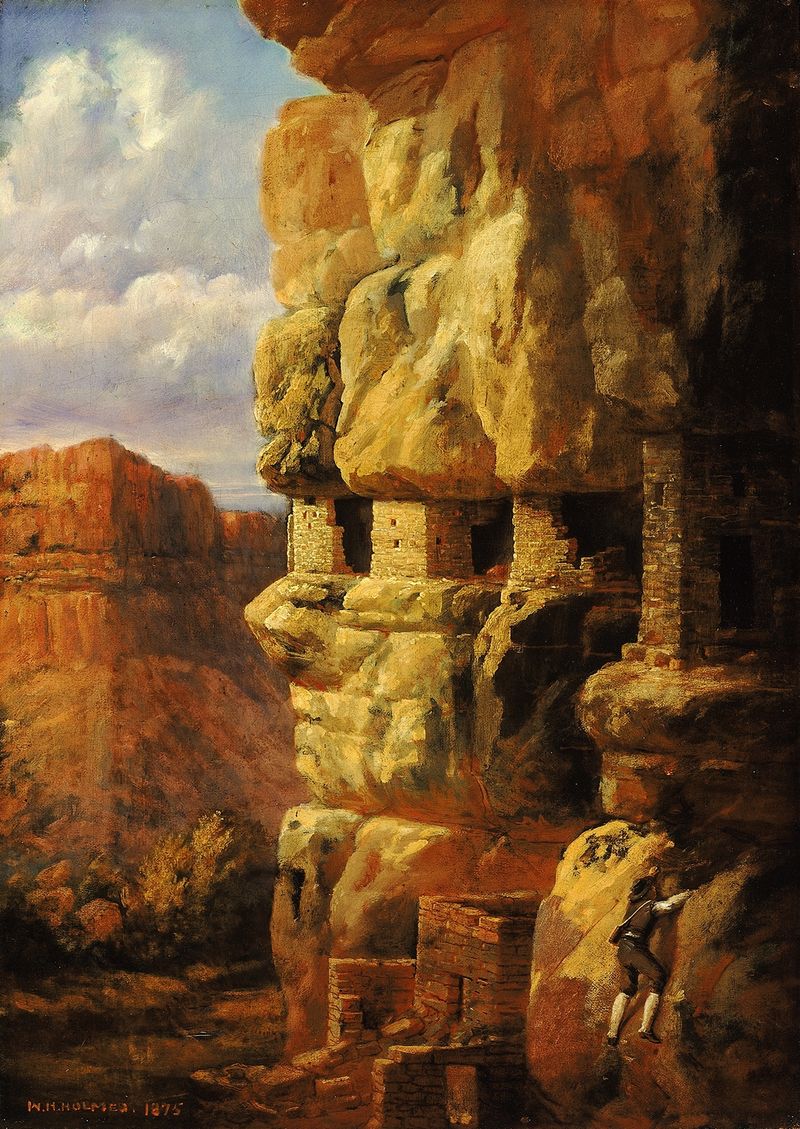
Cliff Houses On The Rio Mancos, Colorado
William Henry Holmes
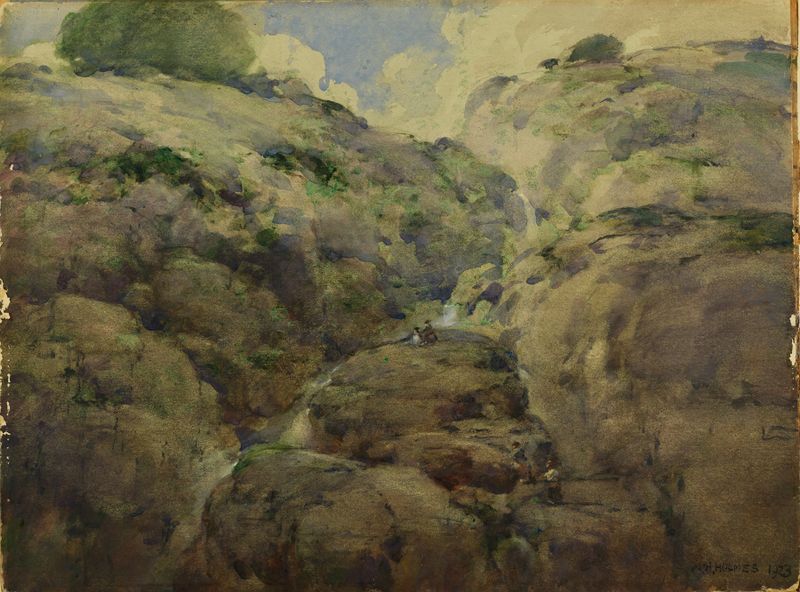
Mountain Gorge, Colorado
William Henry Holmes
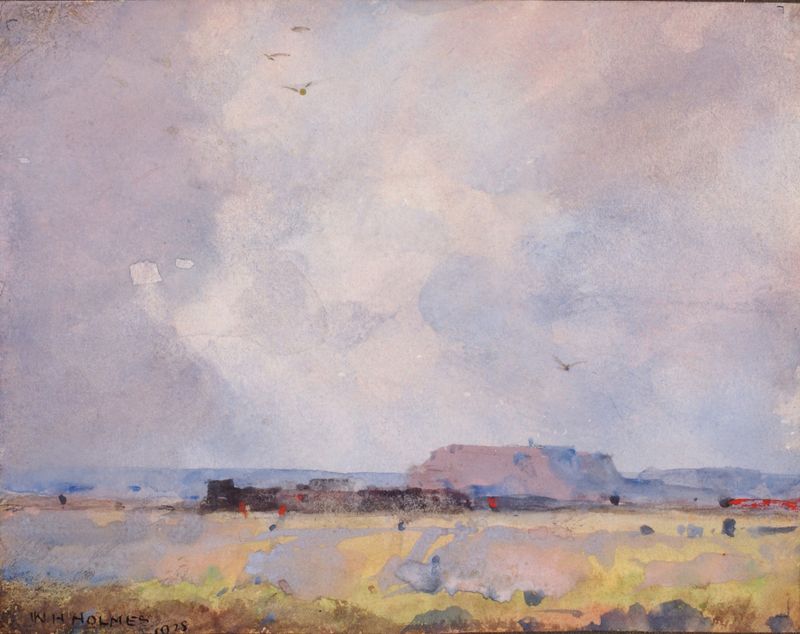
In The Plateau Country, With An Inhabited Pueblo
William Henry Holmes
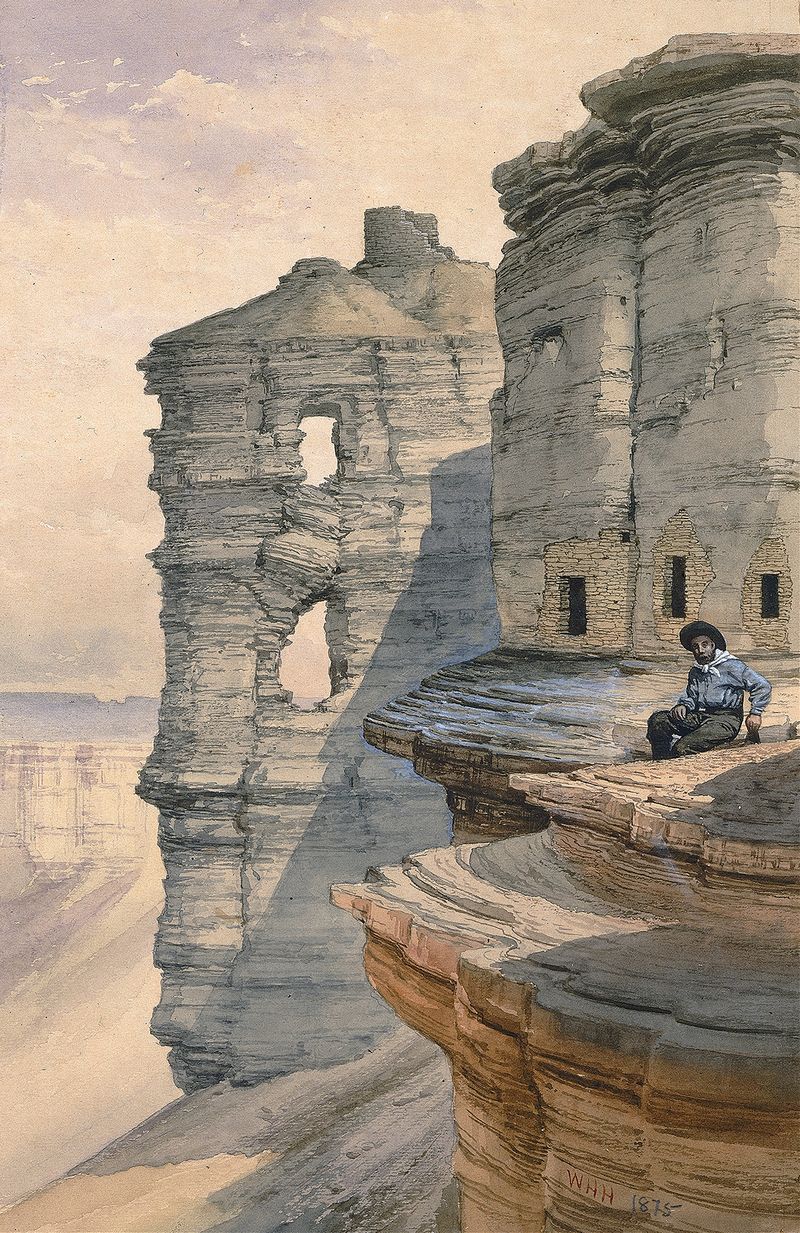
Cliff Houses on the Rio Mancos, Colorado
William Henry Holmes
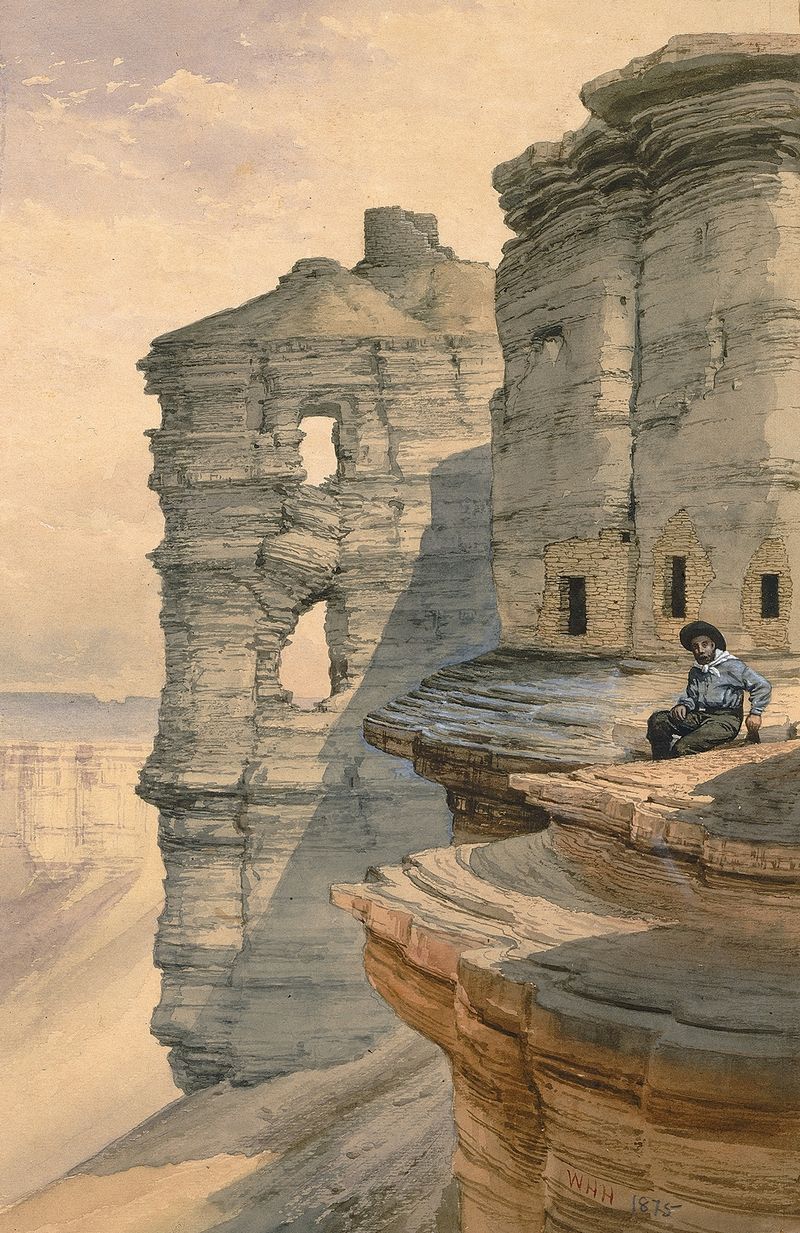
Cliff Houses On The Rio Mancos, Colorado
William Henry Holmes
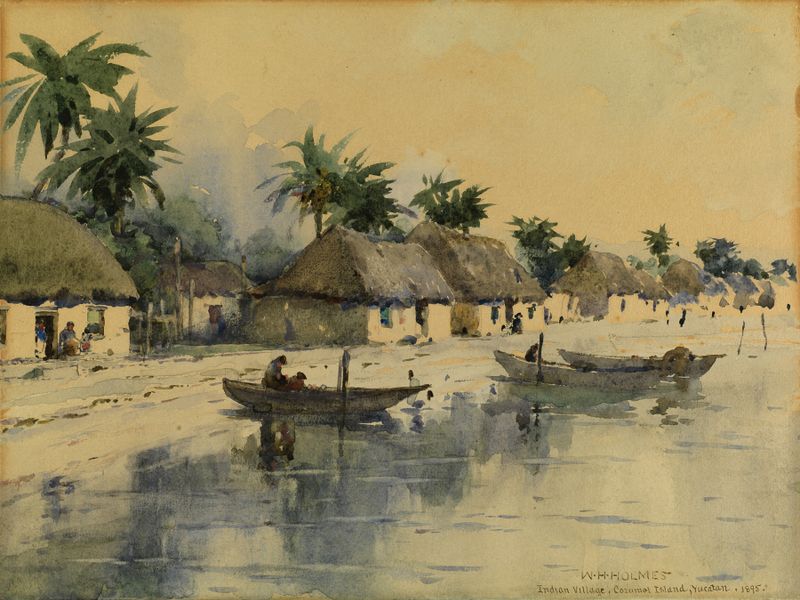
Indian Village, Cozumel Island, Yucatan
William Henry Holmes
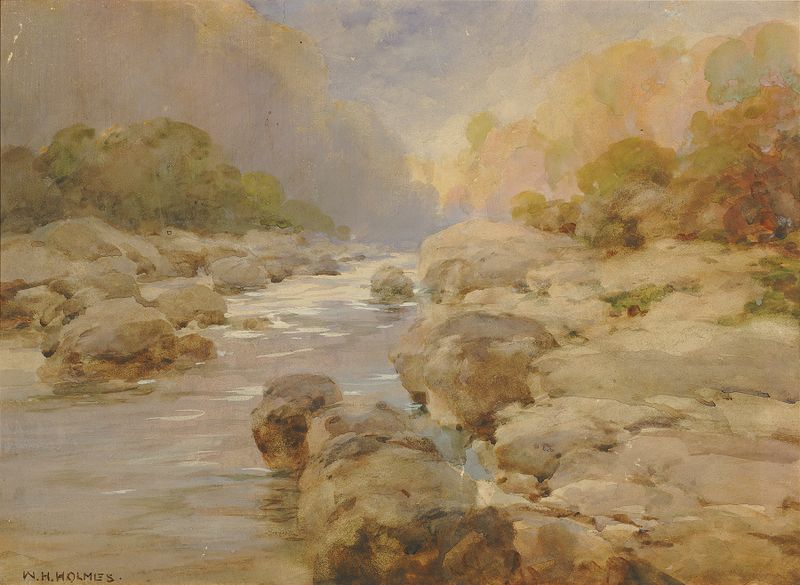
Unmodified Rock Creek, About 1910
William Henry Holmes
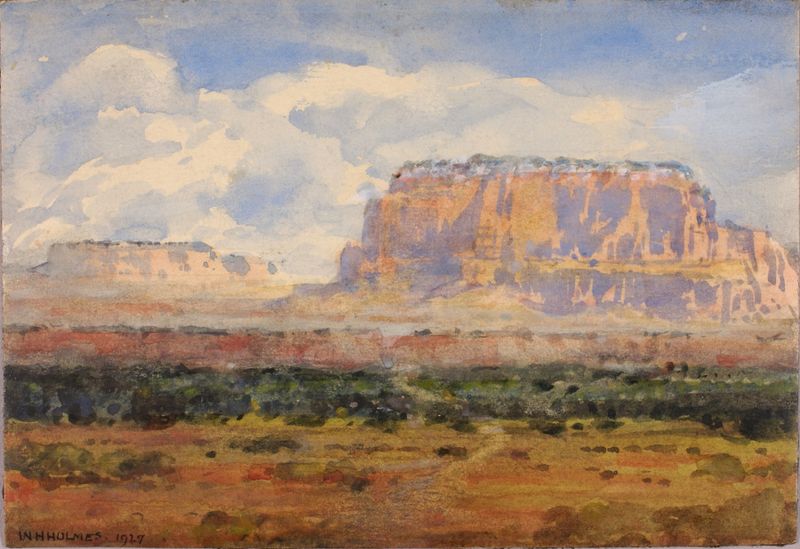
The Enchanted Mesa
William Henry Holmes
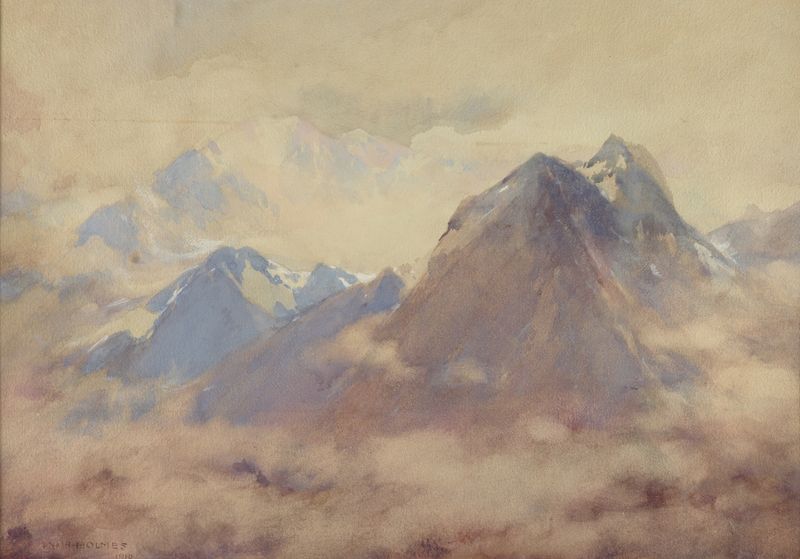
The Almighty’s Own, An Impression Of The High Andes
William Henry Holmes





