Sunset — History & Facts
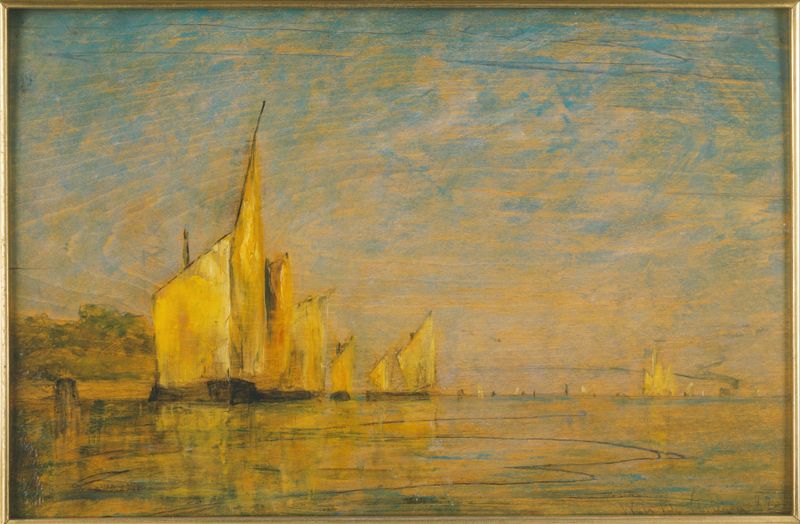
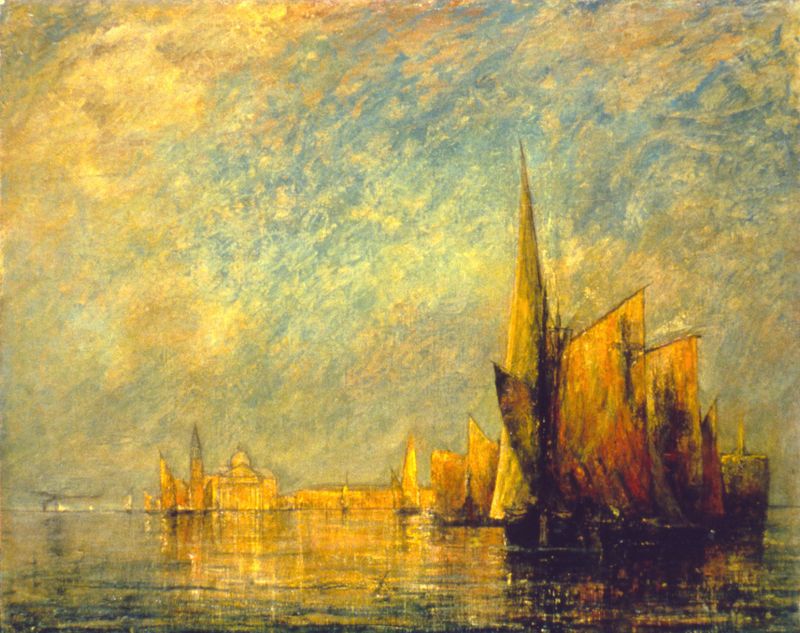
When did color learn to lie? Each hue dances on the canvas, seducing the eye while concealing the transient nature of life itself. Look to the bottom of the work where a tranquil horizon meets a vibrant sky. The sun ignites the heavens with an array of oranges, pinks, and purples, each brushstroke inviting you to linger, yet suggesting an inevitable descent. Notice how the light spills over the edges, casting a warm glow that seems to cradle the viewer in its embrace, juxtaposed with the cooler tones of the backdrop, which evoke a sense of melancholy and reflection. In this moment of twilight, the interplay between light and shadow captures both beauty and the fleeting essence of existence.
The rich colors beckon forth a sense of nostalgia, hinting at memories and the passage of time, while the firm horizon line represents the divide between day and night, life and death. Each stroke embodies a reminder of mortality, suggesting that even the most stunning displays are bound to fade. William Gedney Bunce painted Sunset in an era characterized by exploration of color and light, likely influenced by the Impressionist movement that permeated the late 19th century. While little is known about the exact date of creation, Bunce's work reflects a period of personal introspection amid the broader artistic quest for capturing ephemeral moments in nature, an endeavor that resonates deeply with the themes of life and its inevitable conclusion.