Sunset, Wind River — History & Facts
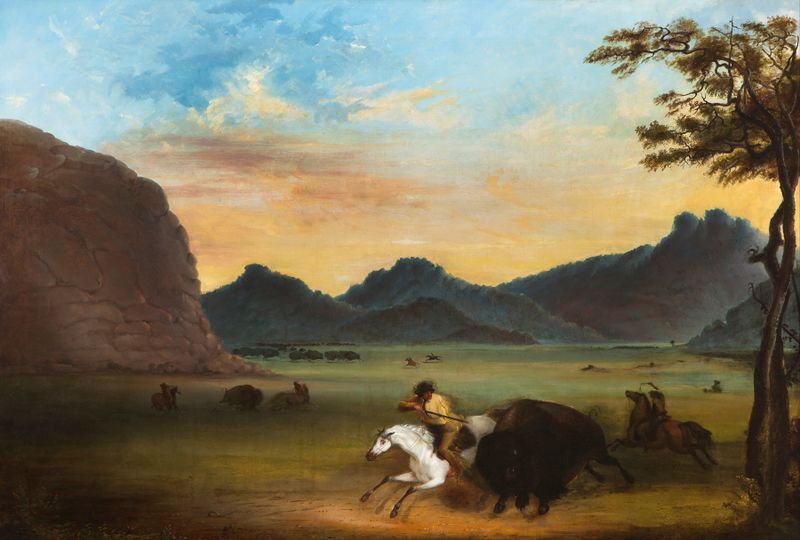
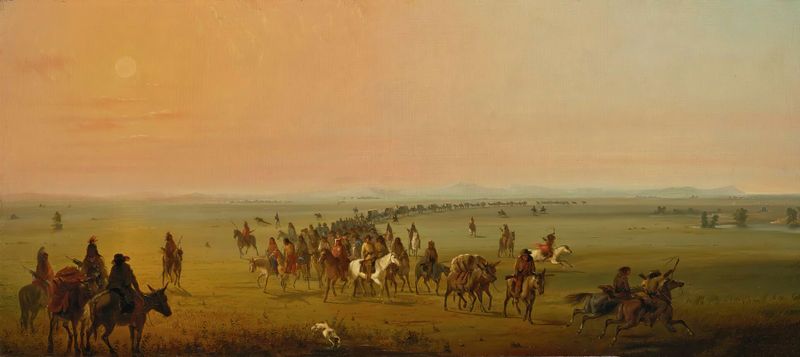
In the delicate embrace between dusk and dawn, a void lingers, tinged with both beauty and melancholy. Look to the horizon, where the sun dips below the Wind River, casting an ethereal glow across the canvas. The colors are a symphony of oranges, pinks, and deep purples, blending seamlessly in a dance that defies the ordinary. Notice how the gentle brushstrokes create a shimmering reflection on the water, inviting the viewer’s eye to trace the intimacy of light and shadow.
Each element is delicately balanced, as if the painting itself holds its breath against the inevitable night. As the vibrant warmth of day fades, tension arises between the ephemeral beauty of sunset and the encroaching darkness. The stillness of the scene evokes a sense of longing, a reminder of moments fleeting yet deeply cherished. The silhouettes of distant mountains loom, hinting at both tranquility and isolation, encapsulating the artist's emotional landscape.
Here, the void becomes a canvas for reflection, suggesting both the beauty and the transience of life itself. In 1855, while residing in the American West, the artist created this piece amidst a flourishing engagement with western landscapes and themes. During this time, Miller was exploring the newly captured beauty of the frontier, influenced by the Romantic movement. The artwork reflects a period when artists sought to immortalize the majestic yet vulnerable landscapes, navigating the complexities of their own experiences in a rapidly changing world.