
Syon House — History & Facts
What if silence could speak through light? In the quiet embrace of decay, Syon House unfolds a narrative steeped in both beauty and melancholy. This atmospheric representation invites contemplation on the passage of time, the inevitability of decline, and the whispers of history that linger in abandoned spaces. Look to the foreground, where the architecture rises like a ghost from the canvas, bathed in soft, diffused light that filters through the trees. The subtle decay of the building's façade is rendered with delicate brushstrokes, drawing the viewer’s gaze across the rich textures of crumbling stone and overgrown foliage.
Notice how the color palette—muted greens and earthy browns—evokes a sense of nostalgia, transforming the house into a poignant relic of a once-vibrant past. The interplay of light and shadow plays a crucial role, highlighting the contrast between the natural world and human creation. The brightness illuminating certain areas suggests remnants of life, while the encroaching darkness signifies abandonment and decay. This duality reflects the transient nature of existence, prompting a deeper emotional response as one contemplates the stories left untold within these walls. William Beilby created this work during a time of great interest in antiquarian subjects and the picturesque in the late 18th century, likely in England.
Amidst his exploration of decorative arts, he engaged with themes of ruin and nostalgia, capturing the essence of landscapes marked by the passage of time. This piece stands as a testament to an era that revered historical architecture while also acknowledging its eventual decline.
More Artworks by William Beilby
Browse all →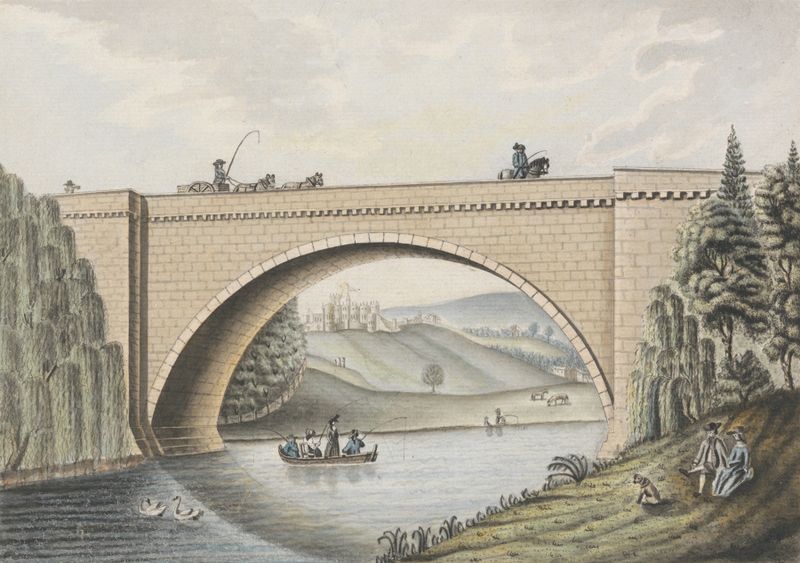
Brick Bridge
William Beilby
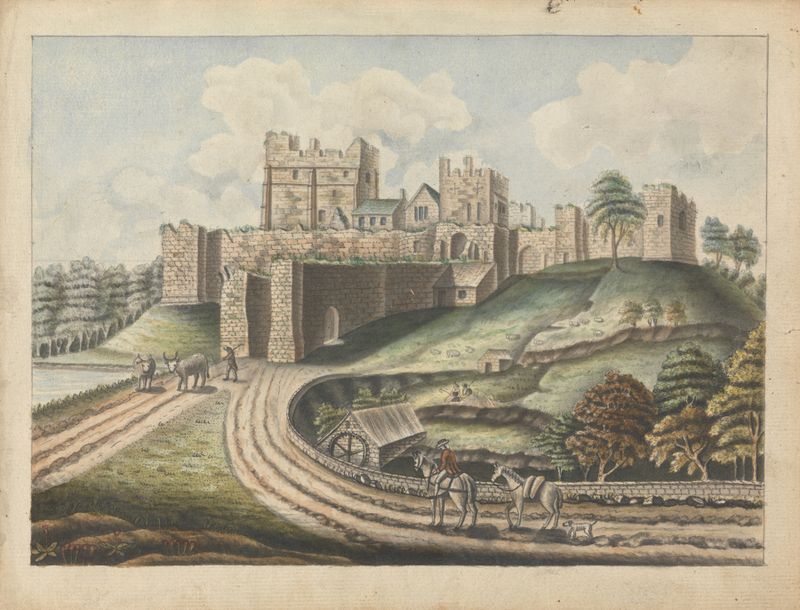
Prudhoe Castle, Northumberland
William Beilby
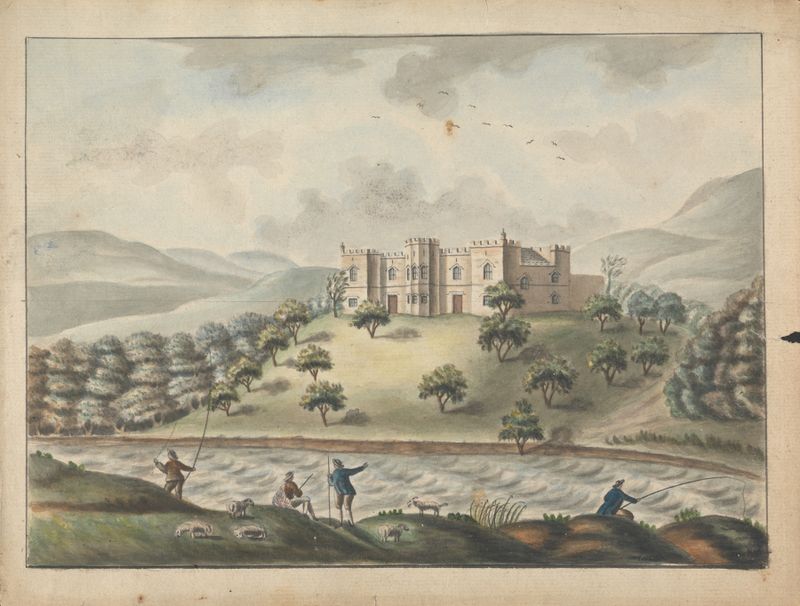
Kielder Castle, Northumberland..
William Beilby
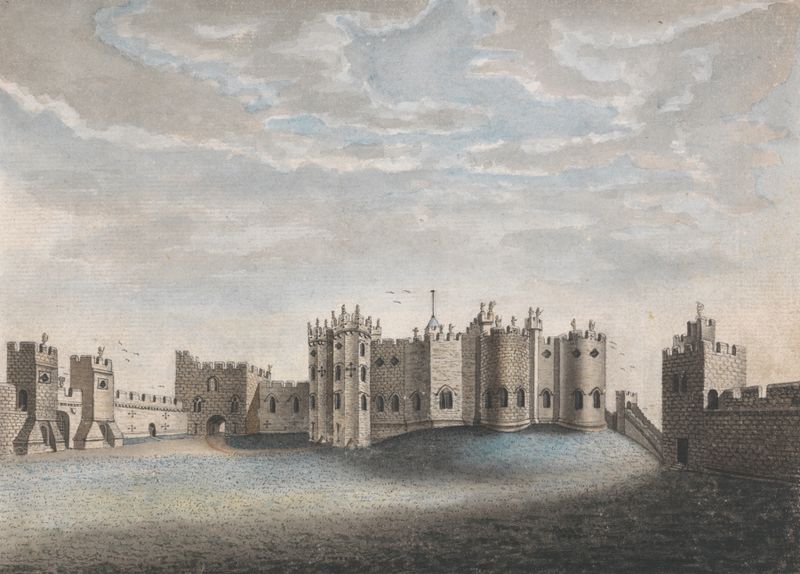
Alnwick Castle
William Beilby
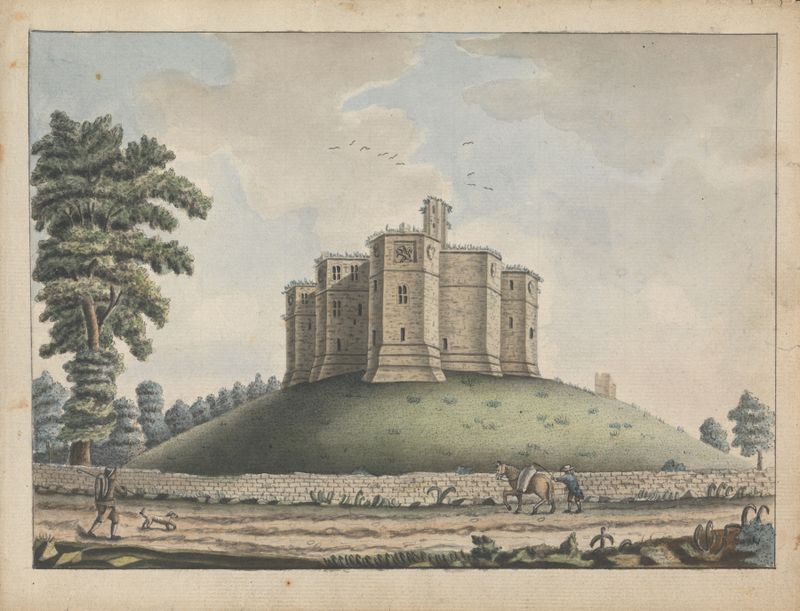
Warkworth Castle, Northumberland
William Beilby
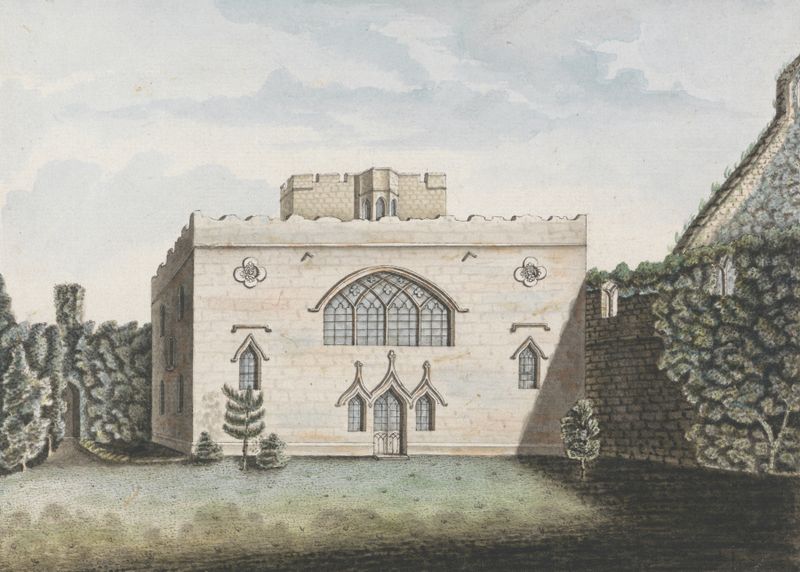
Syon House; Chapel
William Beilby
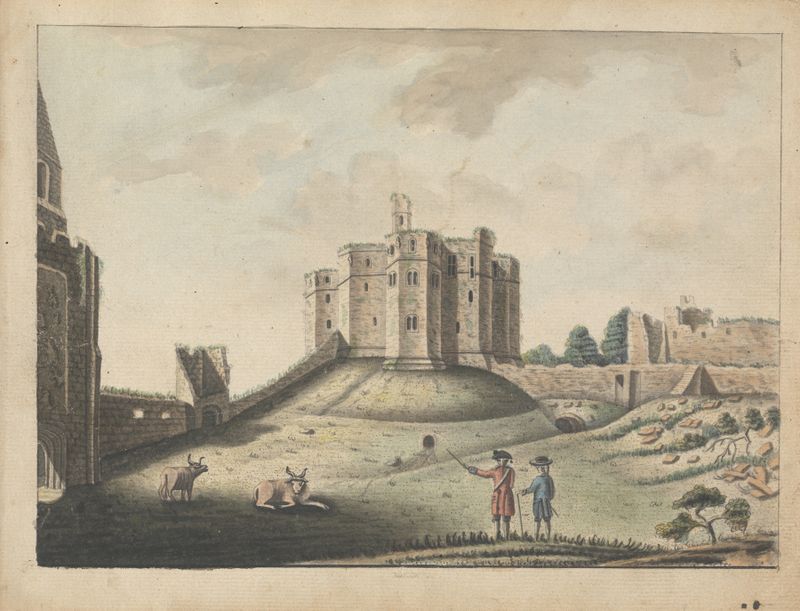
Warkworth Castle, Northumberland..
William Beilby
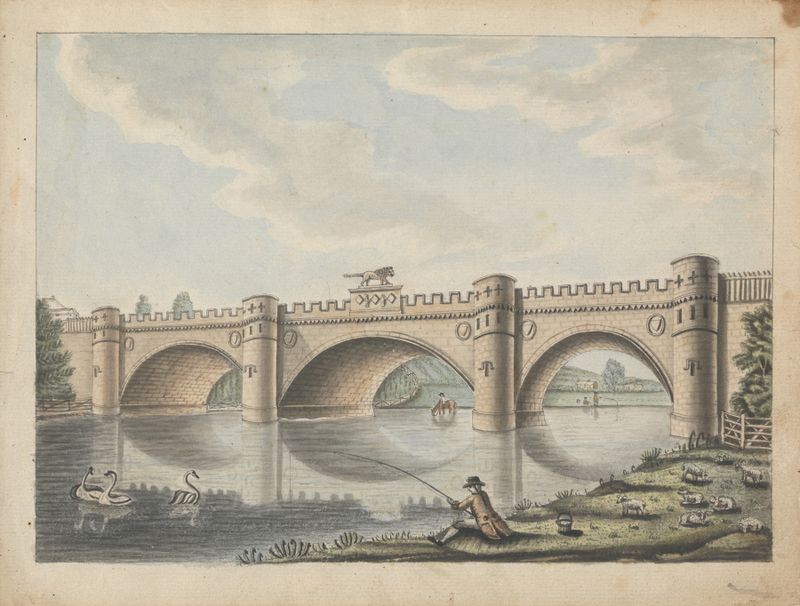
Bridge at Alnwick Castle, Northumberland
William Beilby
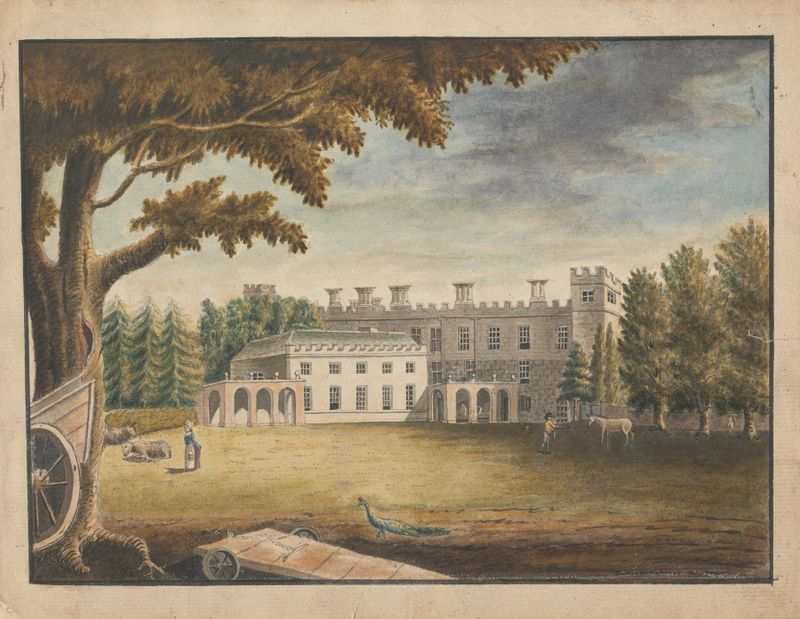
Syon House, London
William Beilby
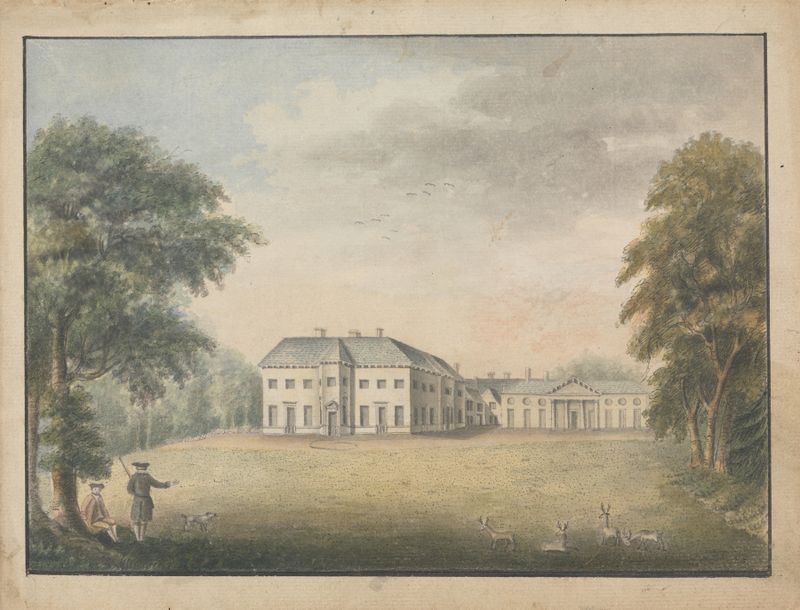
Stanwich Park, Yorkshire
William Beilby
More Architecture Art
Browse all →
The statue of Liberty
Frédéric Auguste Bartholdi

View of Houses in Delft, Known as ‘The Little Street’
Johannes Vermeer

View of Houses in Delft, Known as ‘The Little Street’
Johannes Vermeer

The Cathedral in Rouen. The portal, Grey Weather
Claude Monet

The yellow house
Vincent van Gogh

The Church in Auvers-sur-Oise, View from the Chevet
Vincent van Gogh