Tankard — History & Facts
Can paint confess what words never could? In the stillness of Tankard, a moment is captured that speaks volumes beneath the surface silence. Look to the left where the heavy, polished metal gleams, reflecting the ambient light that filters through an unseen source. The subtle variations in texture and shadow create the illusion of weight, inviting the viewer to imagine the coolness of the handle and the warmth of the liquid within. Notice how the artist has balanced the composition with a simple yet profound arrangement that draws the eye towards the squat form, a silent testament to both utility and craftsmanship. Hidden meanings emerge from the contrasting elements of the piece.
The juxtaposition of the tankard against its muted background suggests a narrative of domesticity and leisure, yet the silence that pervades the painting hints at deeper layers of contemplation. The absence of figures leaves an echo of the unseen, allowing the viewer to ponder who might have held this vessel and what tales it could tell — a moment suspended in time, heavy with unspoken thoughts. Created between 1635 and 1650, the work reflects a period rich in artistic exploration, with the unknown artist likely influenced by the still life tradition that flourished in this era. Set against a backdrop of shifting cultural values and an increasing focus on individual experience, this piece embodies the quiet introspection that characterized much of the art produced during this time, inviting viewers to reflect on their own narratives intertwined with the painted object.
More Artworks by Unknown Artist
Browse all →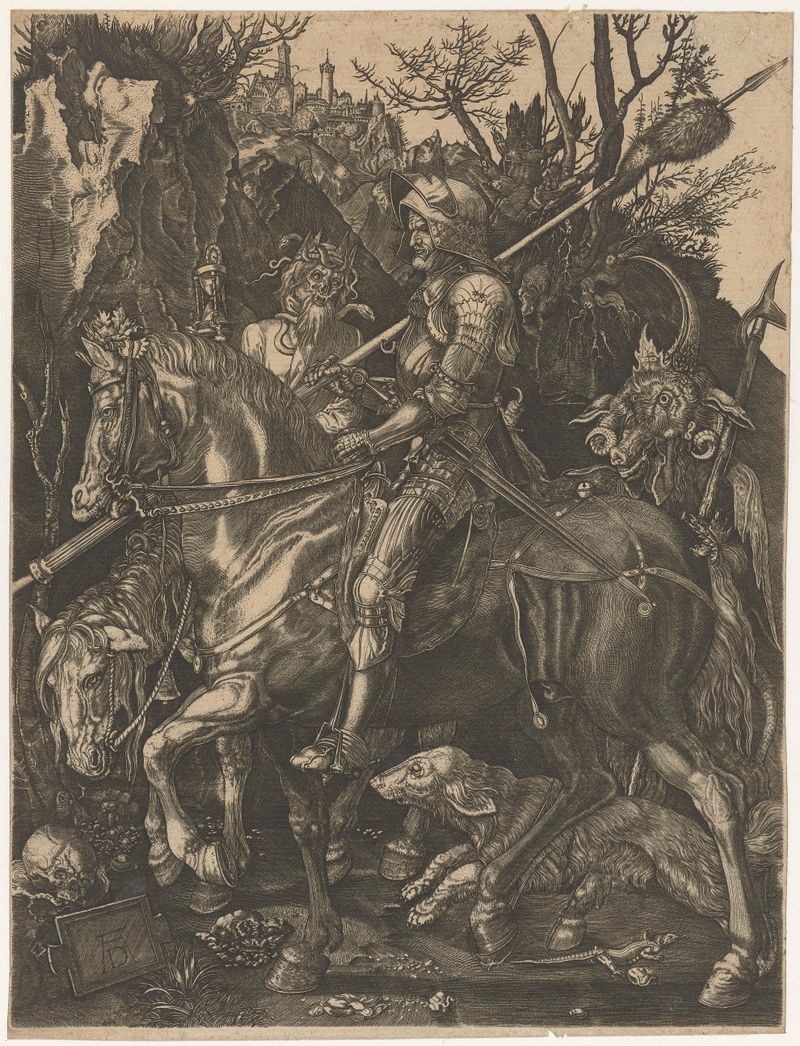
Ridder, Dood en Duivel
Unknown Artist
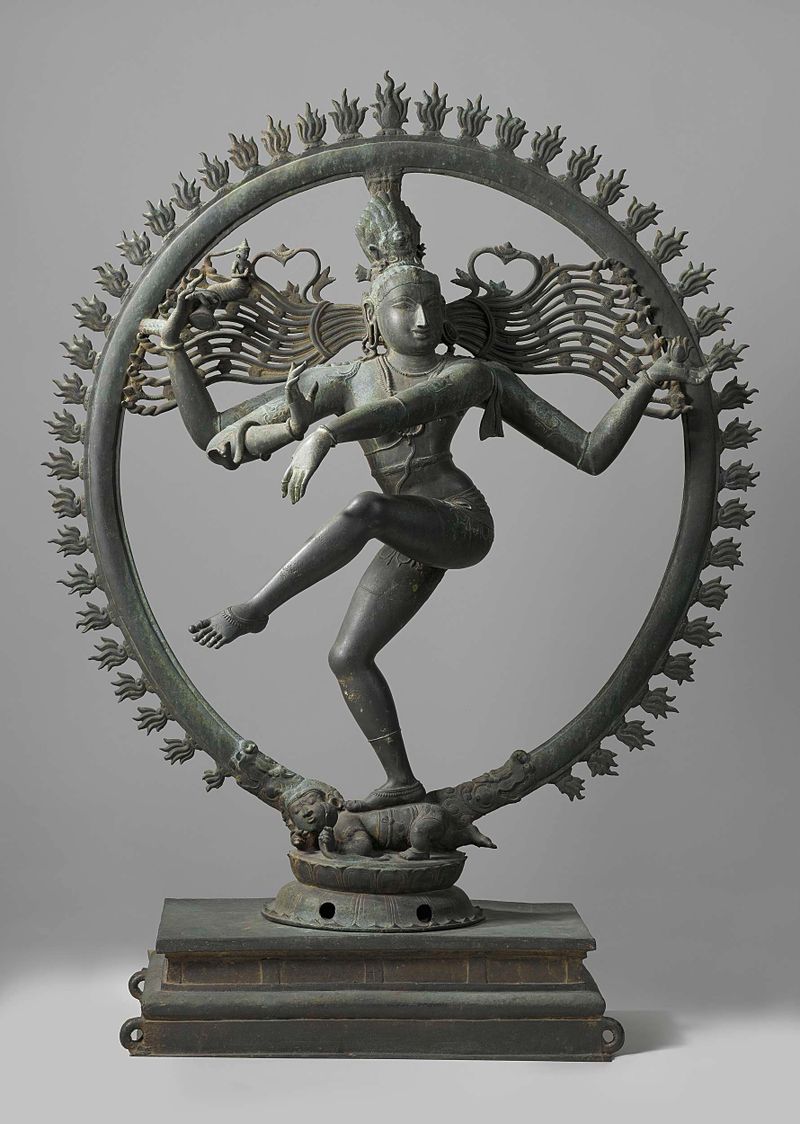
Shiva Nataraja
Unknown Artist
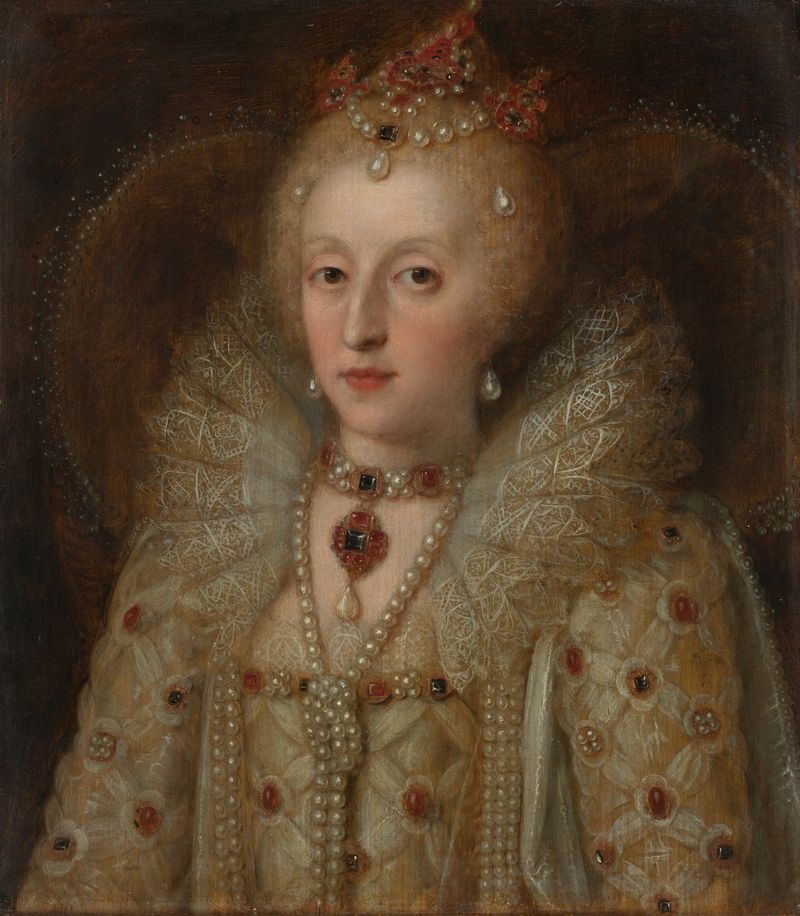
Portrait of Elizabeth I, Queen of England
Unknown Artist
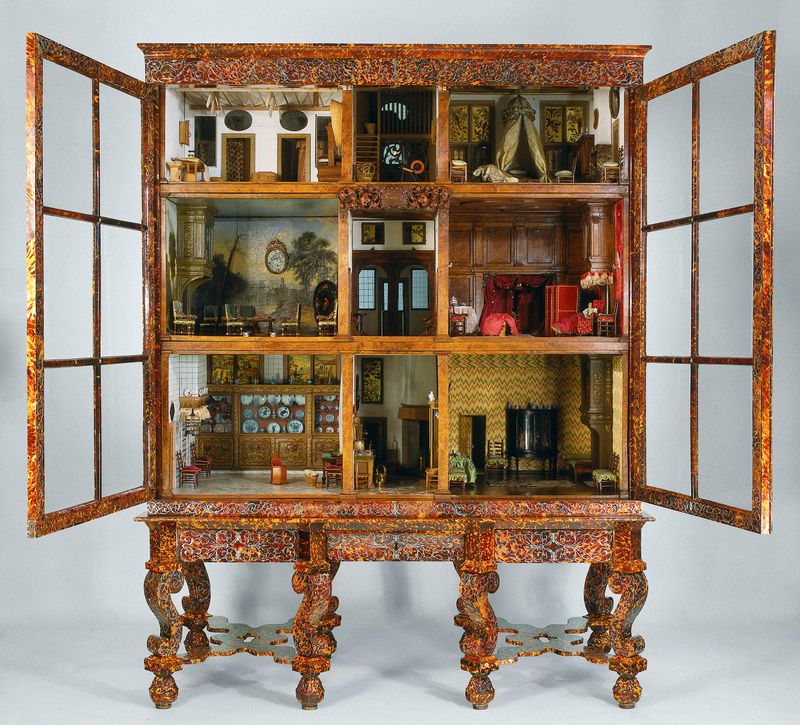
Dolls’ house of Petronella Oortman
Unknown Artist
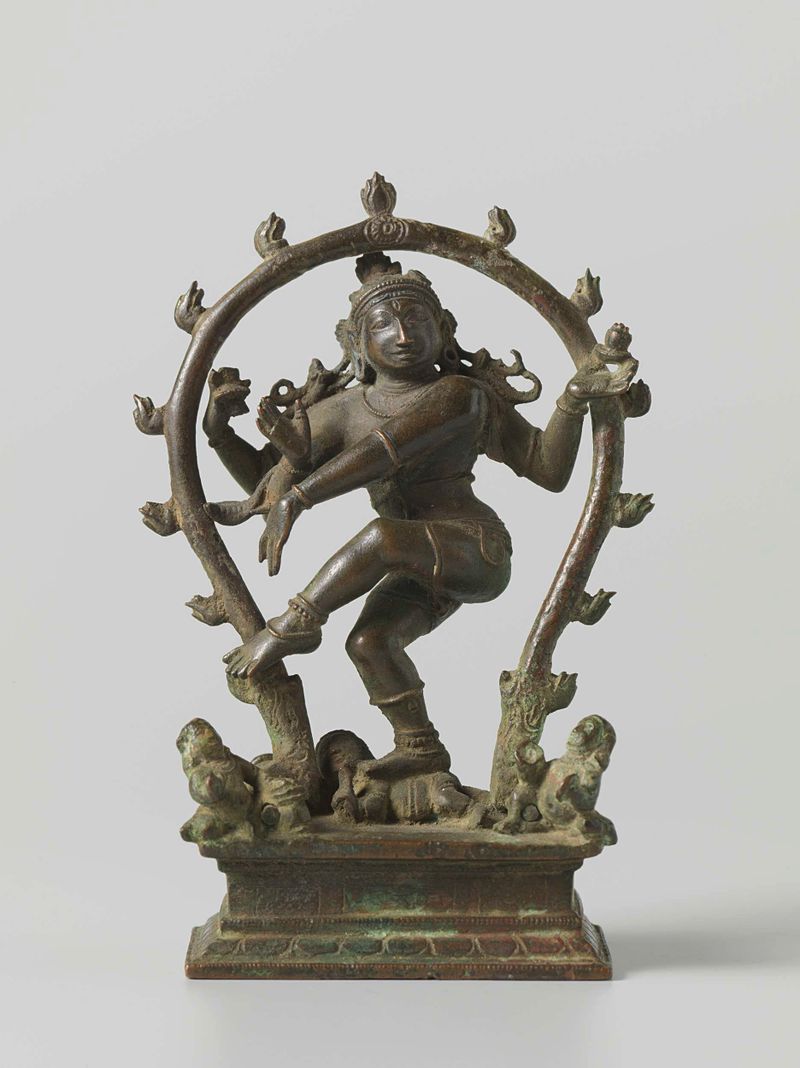
Shiva Nataraja
Unknown Artist

The Tale of Genji
Unknown Artist

The Tale of Genji
Unknown Artist

Cong
Unknown Artist
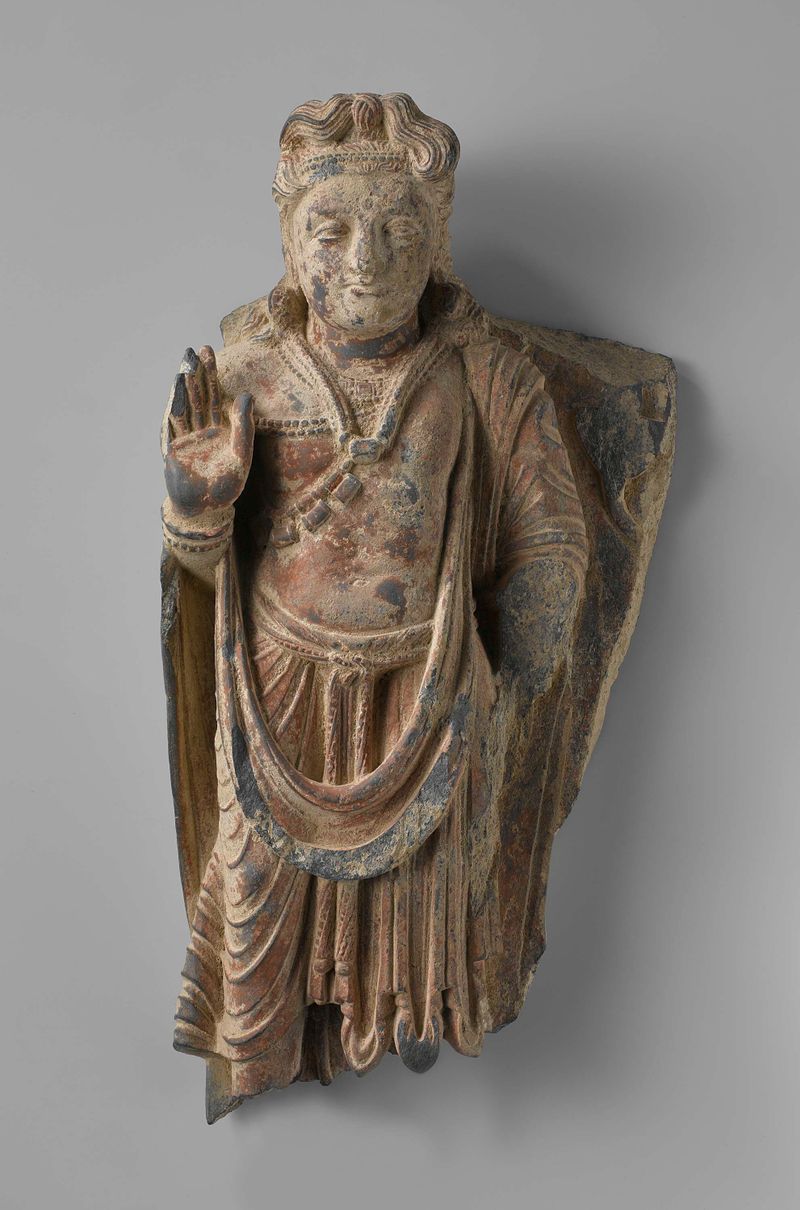
The bodhisattva Maitreya
Unknown Artist

Teabowl with a 'hare's fur' glaze
Unknown Artist