Tarpon Springs Brook — History & Facts
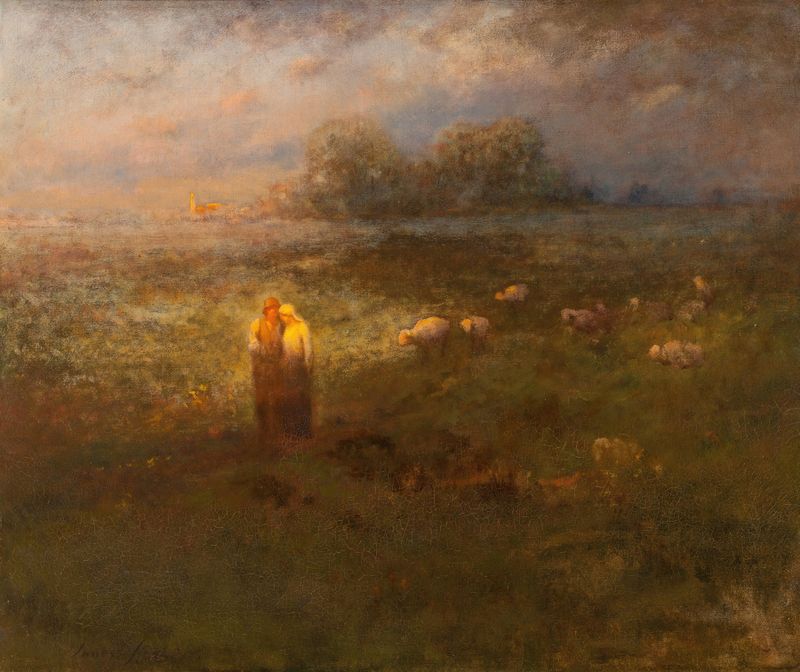
What if beauty was never meant to be finished? The essence of truth lingers in the stillness of a moment, evoking a timeless connection to nature and reflection. Look closely at the center of the canvas, where the gentle flow of water meets the vibrant greens of overhanging foliage. The brushwork is soft yet deliberate, guiding your gaze through the winding brook, with dappled light illuminating pockets of serene water. Notice how the palette shifts from deep emerald to the lighter hues of the sky, creating a harmonious balance that envelops the viewer in tranquility. Delve deeper into the subtleties of this work; each stroke reveals a dialogue between light and shadow, embodying both the fleeting nature of time and the permanence of the landscape.
The juxtaposition of the flowing water against the sturdy trees evokes a sense of resilience, while the delicate reflections hint at the impermanence of beauty itself. This interplay invites contemplation, suggesting that while landscapes may change, their essence remains a constant truth of existence. Inness Jr. painted this piece during a time when American art was moving away from European influences, seeking a uniquely American voice.
Growing up in a family of artists, he found his footing in the Hudson River School tradition before developing a more intimate, impressionistic style. The creation of this work, though undated, reflects his ongoing exploration of nature, resonating with a broader movement in the late 19th century that grappled with the theme of nature as both a sanctuary and a source of inspiration.