tavla, painting — History & Facts
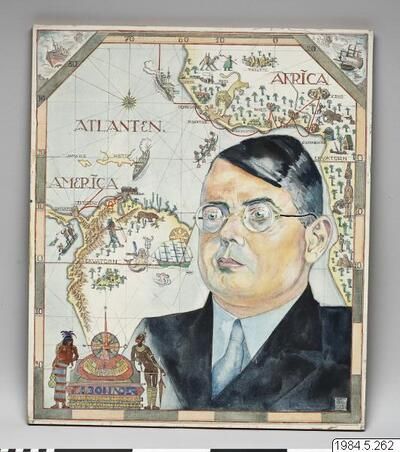
Can beauty exist without sorrow? In tavla, Elgström captures the delicate interplay between desire and melancholy, inviting the viewer to confront their own obsessions. Look to the center of the canvas, where a figure stands in contemplative stillness, surrounded by a kaleidoscope of color that seems both vibrant and haunting. The strong contrasts between light and shadow create a dynamic tension, emphasizing the figure's isolation amidst a whirlwind of emotional chaos. Notice how the brushwork varies, with soft strokes enveloping the figure, contrasting sharply with the jagged lines of the background, reinforcing a sense of internal struggle. Here, the vivid colors speak of passion and longing, yet the figure's pensive gaze evokes a deeper, hidden sorrow.
There’s a sense of yearning for something just beyond reach, and the sharp edges of the surrounding forms suggest barriers—both external and internal—that hinder this pursuit. This duality of beauty and pain reverberates throughout the painting, prompting reflections on the complexities of human experience and the often-obsessive nature of desire. Created in 1931, tavla emerged during a transformative period in Ossian Josef David Elgström's life, as he was navigating the challenges of personal identity and his place within the evolving art scene. At this time, Europe was grappling with political unrest and shifting artistic movements, which undoubtedly influenced his exploration of emotional depths and psychological themes in his work.