tavla, painting — History & Facts
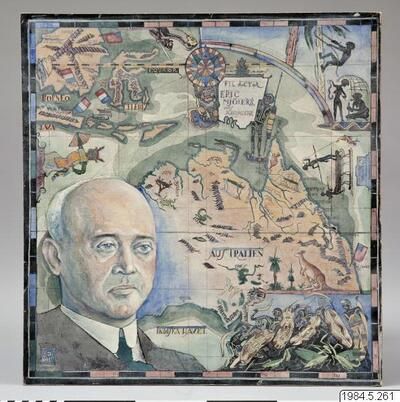
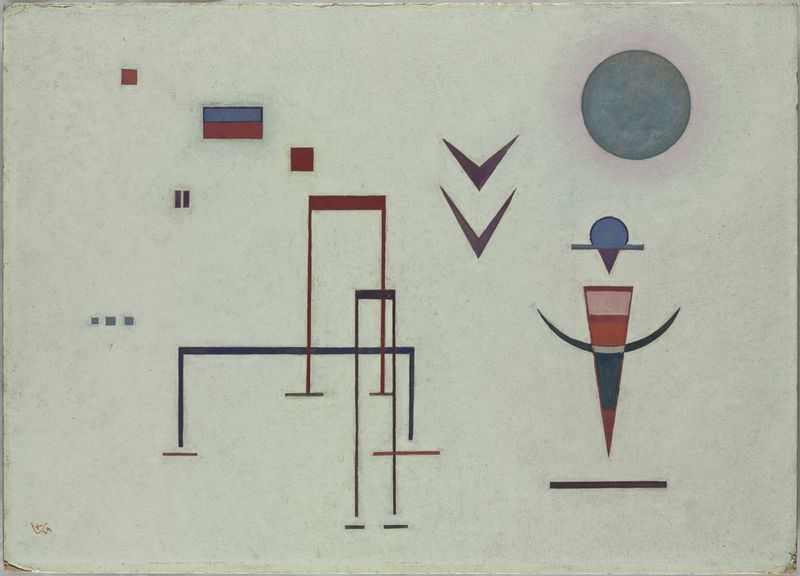
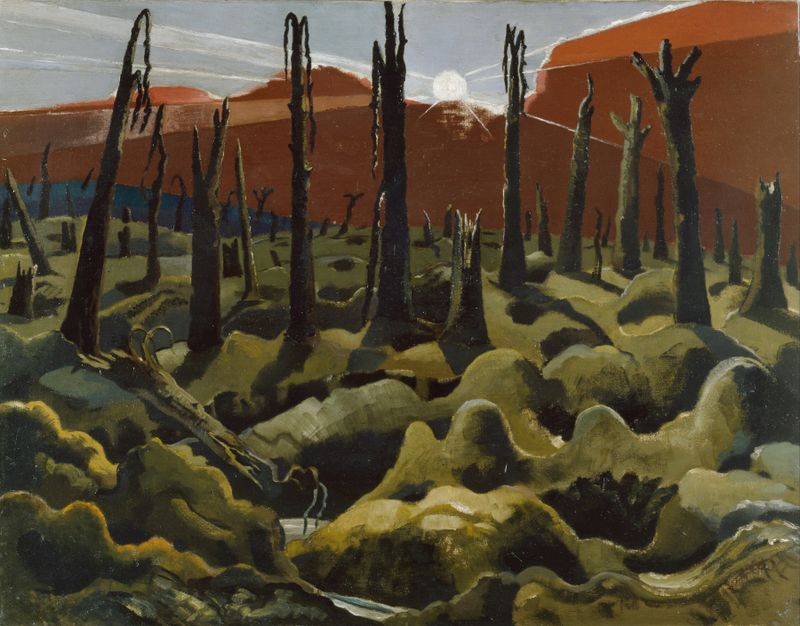
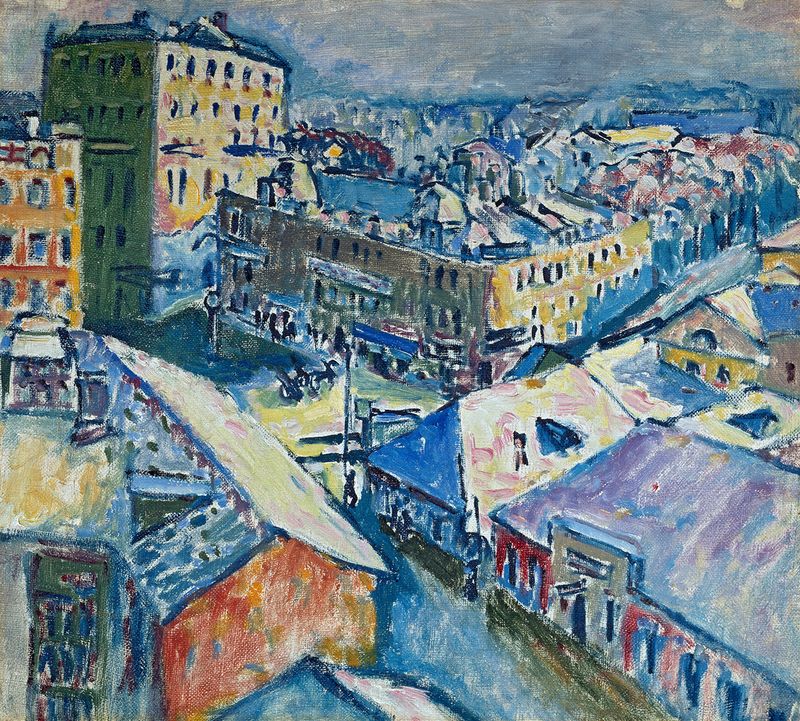
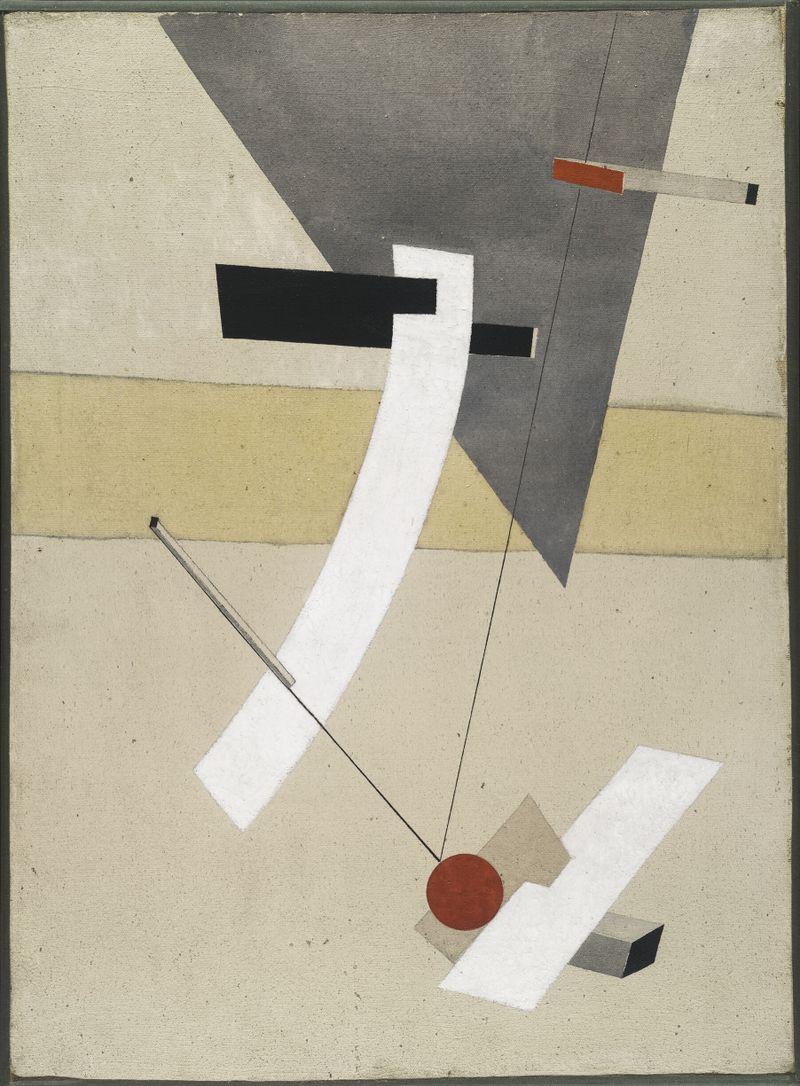
In the quiet embrace of tavla, a profound exploration of emptiness unfolds. The canvas invites contemplation, whispering the stories of absence and the weight of unfilled spaces. Look closely at the expanse of muted tones that dominate the artwork. The subtle gradations of color draw the eye inward, inviting a slow, meditative gaze.
Notice how the light glimmers, casting shadows that suggest an ethereal presence, yet remain tantalizingly out of reach. Each brushstroke hints at memories just beyond the veil, enveloping the viewer in a sense of longing and introspection. Deeper still, the interplay between light and shadow reveals emotional tensions; the quiet is suffused with a poignant melancholy. The starkness of the composition speaks to both isolation and the beauty found in stillness.
Small details, like the delicate edges of color blending into one another, reflect the fragility of memory—the way moments can fade, yet linger on the fringes of consciousness. Ossian Josef David Elgström created tavla during a time of personal reflection, details of which remain shrouded in mystery due to the ambiguity of its dating. Little is documented about this period in his life, yet it resonates with a broader artistic movement grappling with themes of existentialism and introspection, amplifying the essence of emptiness that permeates his work.