
Terugkeer van de verloren zoon — History & Facts
In Terugkeer van de verloren zoon, this duality of emotion is palpably woven through the fabric of the composition, inviting viewers to reflect on the delicate balance between redemption and despair. Look first to the central figure, the prodigal son, kneeling in a posture of vulnerability and humility. His garb is tattered but richly colored, contrasting with the warm, golden hues that seem to envelop the scene. The warm light falls gently across his face, illuminating the pain etched deeply in his expression, while shadows dance around him, hinting at the tumultuous journey he has endured.
Notice how the gestures of those surrounding him reveal a spectrum of emotion—compassion, disdain, and forgiveness intertwining in a tapestry of human experience. Deeper insights reveal how the artist captures the tension of destiny—each figure represents a different response to the themes of loss and return. The father’s outstretched arms radiate acceptance, yet the harsh lines of the siblings’ faces articulate resentment. The delicate details, such as the cracked earth beneath their feet, symbolize the fractured relationships, while the opulent golden drapery above acts as a juxtaposition of the divine grace that awaits amid human strife. Hans Sebald Beham created this piece in 1540 during a period of personal and artistic upheaval.
Residing in Nuremberg, he was influenced by the Reformation, which redefined social and spiritual landscapes. This work reflects not only his mastery of woodcut techniques but also a profound engagement with themes of redemption and moral complexity that were resonant in the era’s artistic discourse.
More Artworks by Hans Sebald Beham
Browse all →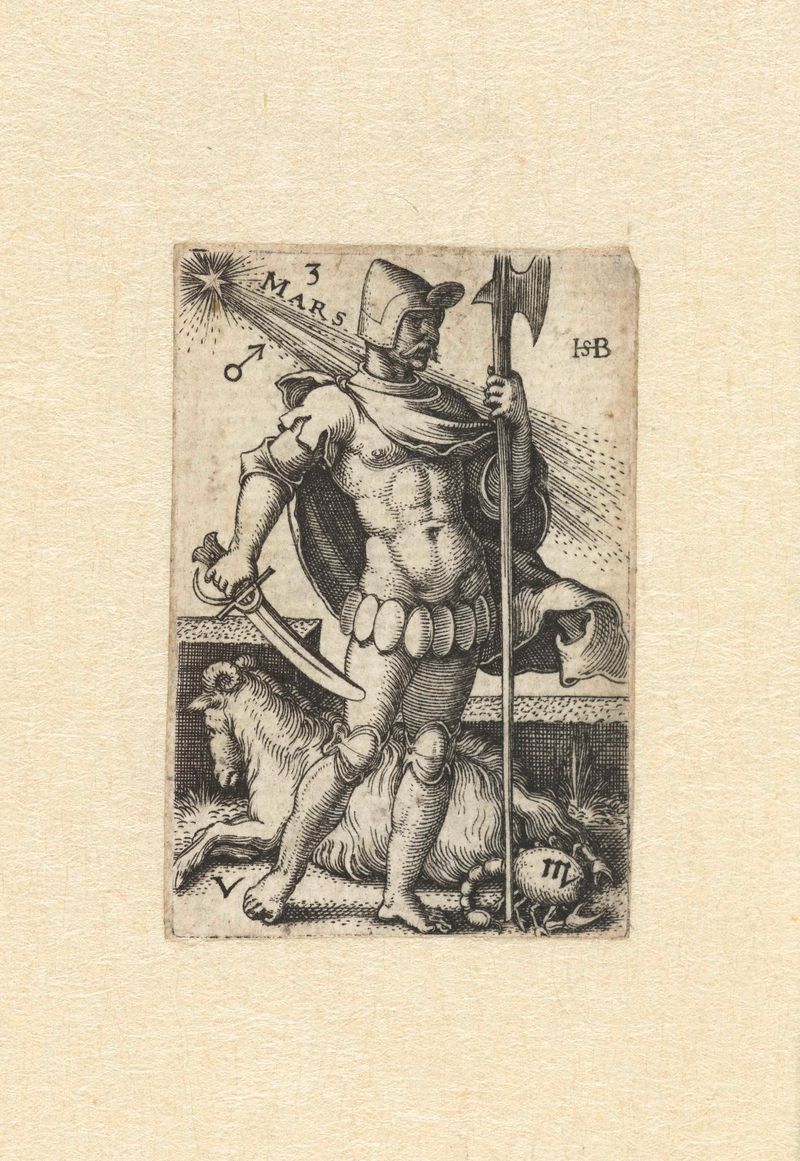
Mars met sterrenbeelden Ram en Schorpioen
Hans Sebald Beham

Achilles in gevecht met Hector
Hans Sebald Beham
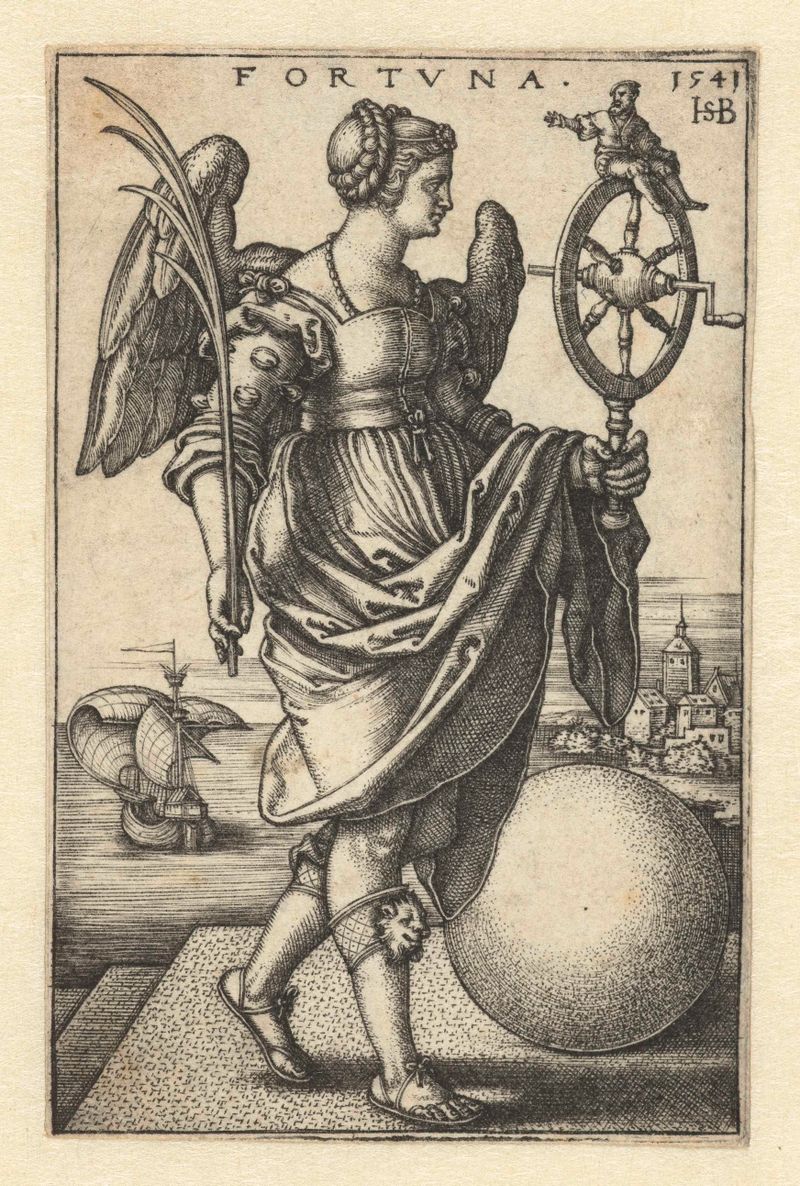
Fortuna
Hans Sebald Beham

Hercules worstelt met Antaeus
Hans Sebald Beham

Twee muzikanten met schalmey en doedelzak
Hans Sebald Beham

Voorzichtigheid (Prudentia)
Hans Sebald Beham

Hercules in gevecht met de Trojanen
Hans Sebald Beham
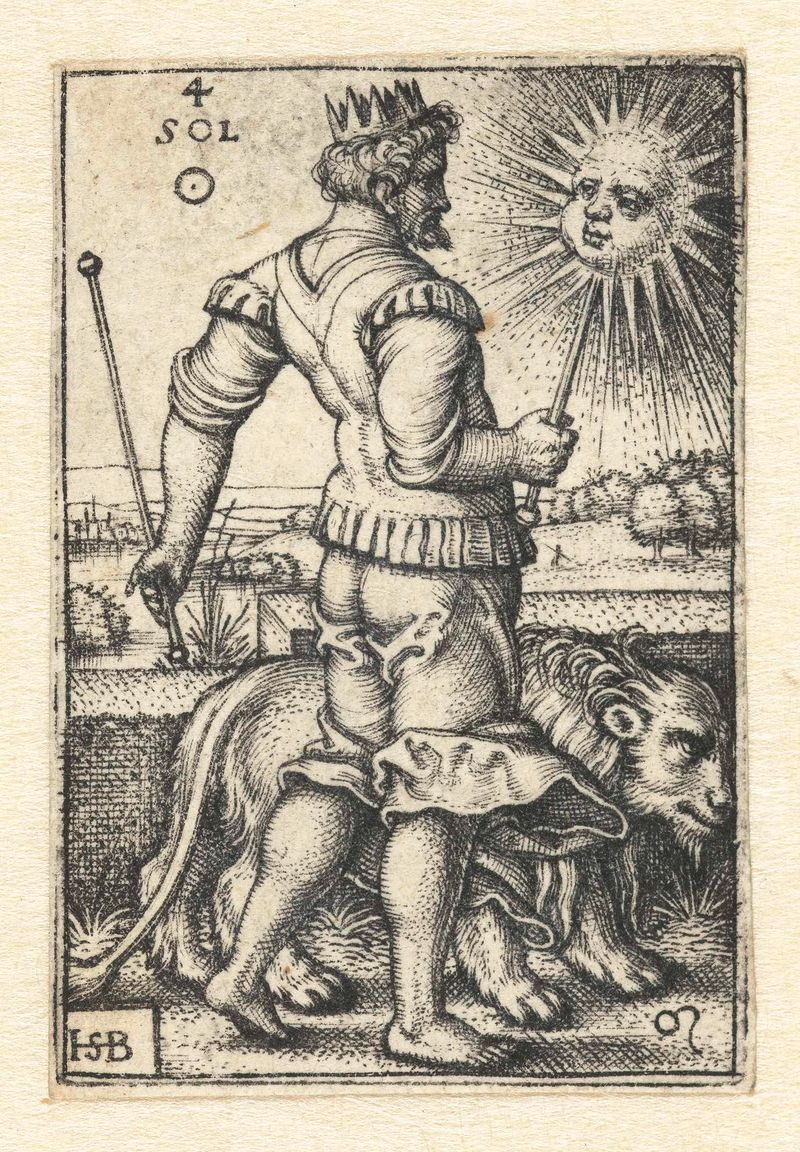
Apollo (Sol) met sterrenbeeld Leeuw
Hans Sebald Beham
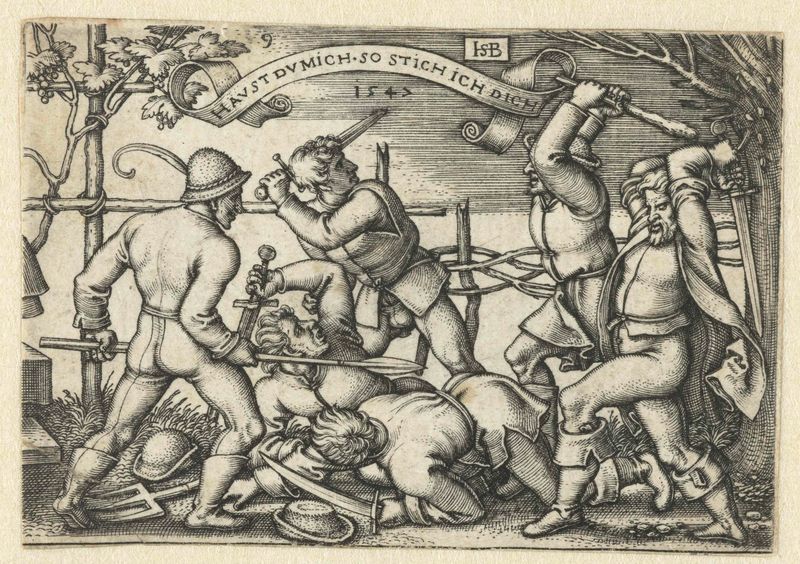
Vechtende boeren met zwaarden
Hans Sebald Beham
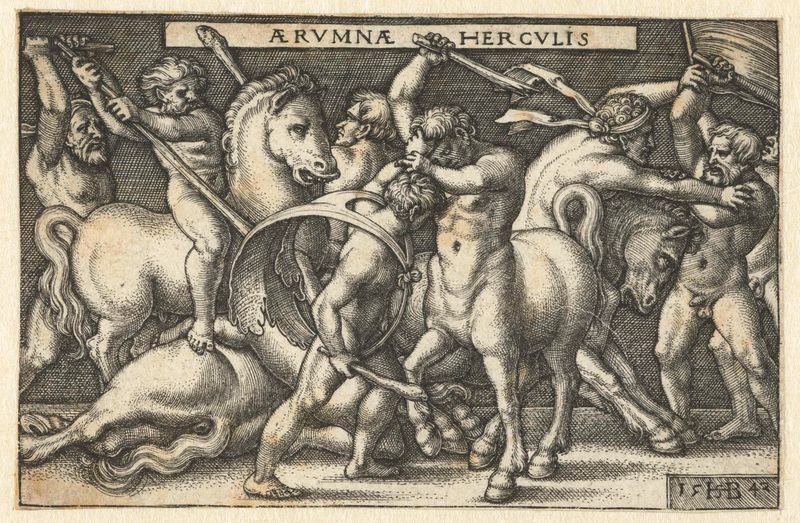
Hercules in gevecht met centaurs
Hans Sebald Beham
More Religious Art
Browse all →
The Return of the Prodigal Son
Rembrandt van Rijn

The Garden of Earthly Delights
El Bosco

Count Orgaz’ funeral
El Greco

The Hundred Guilder Print: the central piece with Christ preaching, the plate arched
Rembrandt van Rijn

The Descent from the Cross
Rogier van der Weyden

The return of the prodigal son
Rembrandt van Rijn