Thatched farm house — History & Facts
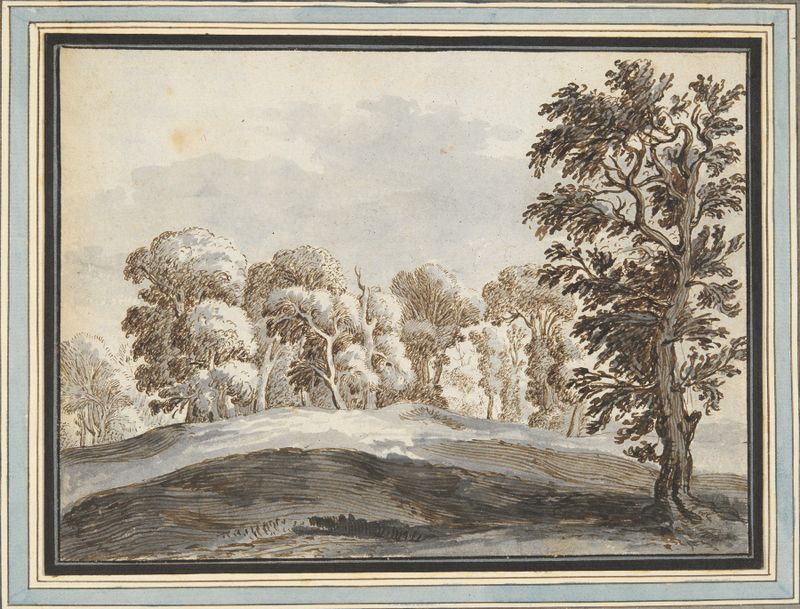
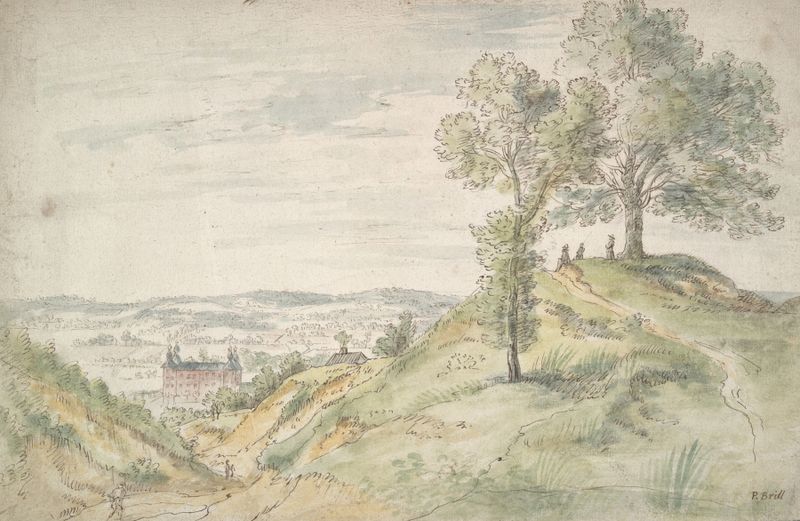
Could a single brushstroke hold eternity? The delicate interplay of color and light in the Thatched Farmhouse invites contemplation, urging the viewer to pause and reflect on the enduring beauty of rural life. Look to the center of the composition where the thatched roof dominates, its texture rendered with remarkable precision. The earthy tones of the straw blend seamlessly with the verdant greens of the surrounding landscape, while dappled sunlight casts warm highlights that breathe life into the scene. Notice how the artist’s brushwork captures the gentle sway of nearby trees, echoing the tranquil atmosphere of a pastoral existence. Delve deeper into the artwork, and you’ll uncover layers of meaning intertwined within its simplicity.
The farmhouse represents not just a place of shelter but a sanctuary of tradition and continuity, juxtaposed against the ever-changing nature surrounding it. The subtle reflections in the still water nearby suggest an introspective moment, inviting viewers to consider the passage of time and the memories held within these walls. In the 17th century, the artist, part of the circle surrounding Gillis Neyts, was immersed in a period where Dutch art thrived on capturing the essence of everyday life. Working in the Netherlands, marked by both economic prosperity and cultural flourishing, they contributed to a burgeoning genre that celebrated rural tranquility amid the complexities of modernity.
This painting stands as a testament to their skill and the historical context of their artistry.