
The Aegean Coast — History & Facts
Could beauty survive in a century of chaos? As war and upheaval loomed on the horizon, the elegance of the world was often overshadowed by loss and despair. Yet, in The Aegean Coast, the brush captures a fleeting moment of serenity, inviting us to ponder the resilience of beauty amidst tumult. Look to the bright turquoise waters that gleam under the sun’s embrace, drawing your gaze immediately to the horizon. The gentle waves lap at the shore, where the soft, earthy tones of the beach meld with the vibrant greens of the coastal foliage.
Notice how Zonaro’s delicate brushwork evokes the caress of the Mediterranean breeze, while the warm light bathes the scene in a glow that feels both tranquil and fleeting, a reminder of the ephemeral nature of happiness. The harmonious balance of color and form unveils deeper layers of meaning within the piece. The distant mountains, cloaked in a soft haze, symbolize the burdens of history—reminders of conflicts and losses yet to come. Meanwhile, the silhouetted figures, seemingly lost in contemplation, evoke a sense of introspection, reflecting the quiet sorrow that often accompanies beauty.
This interplay of light and shadow becomes a poignant metaphor for the struggle to find joy in a world fraught with uncertainty. In 1906, Zonaro was living in Istanbul, where he had established himself as a prominent painter. The period was marked by political tensions and social change throughout the Ottoman Empire. As he painted this serene coastal scene, he captured not only the beauty of the Aegean but also the underlying sense of unease that permeated the air—an artistic response to the chaos that would soon engulf the region.
More Artworks by Fausto Zonaro
Browse all →
Constantinople From The Bosphorus
Fausto Zonaro
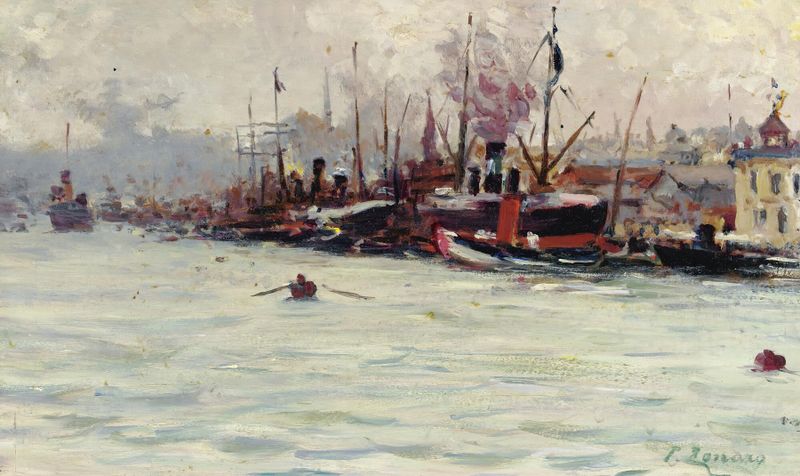
Port Of Galata, Istanbul
Fausto Zonaro

View of Nisantasi with the Dolmabahçe Mosque, Constantinople
Fausto Zonaro
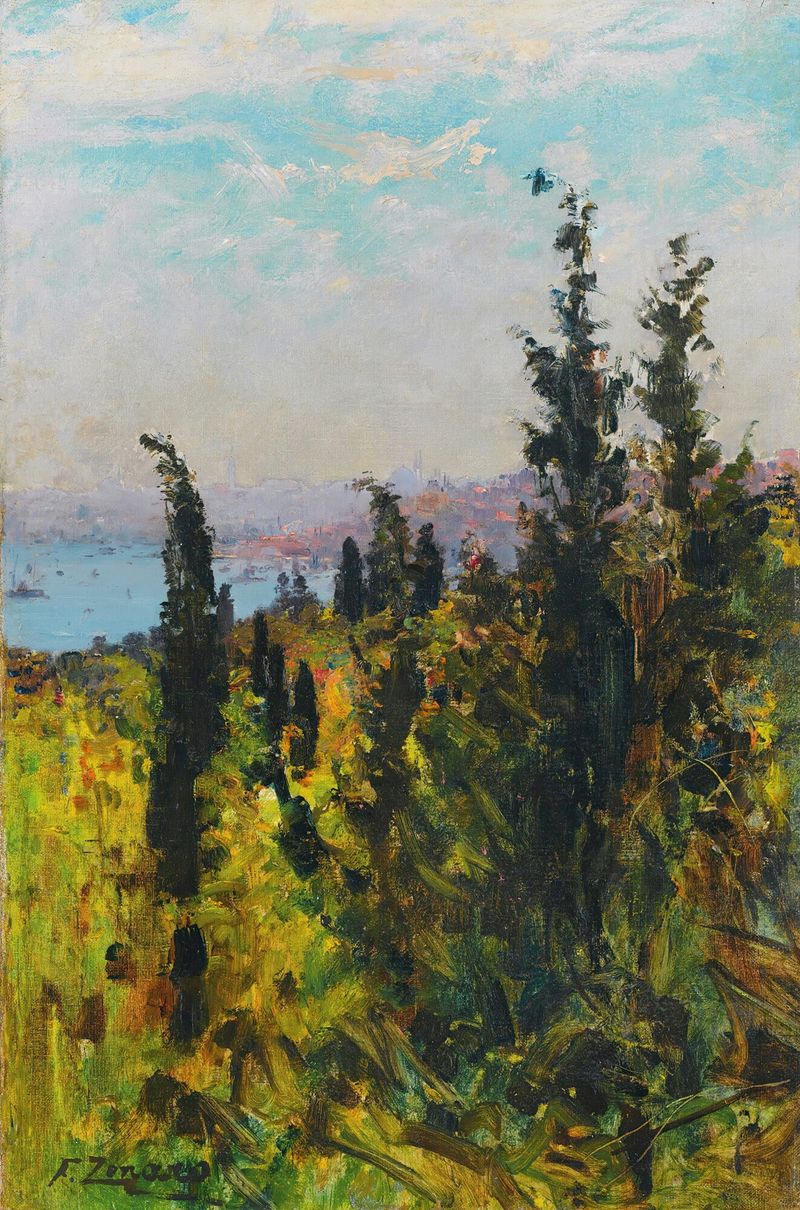
View Over The Golden Horn
Fausto Zonaro
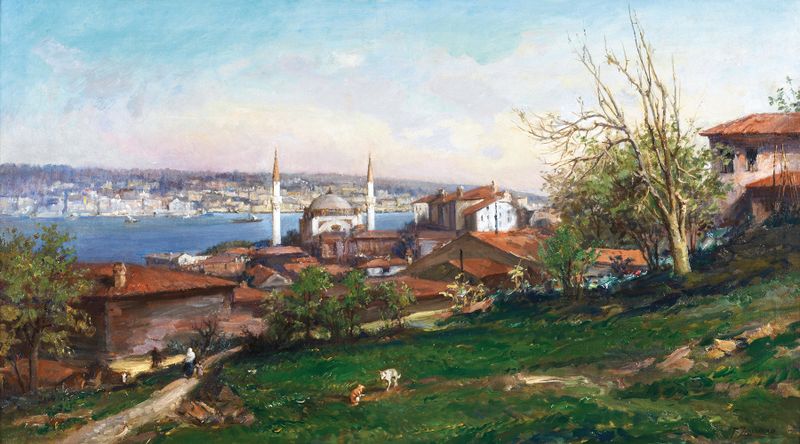
Istanbul, on the Slopes of Üsküdar
Fausto Zonaro
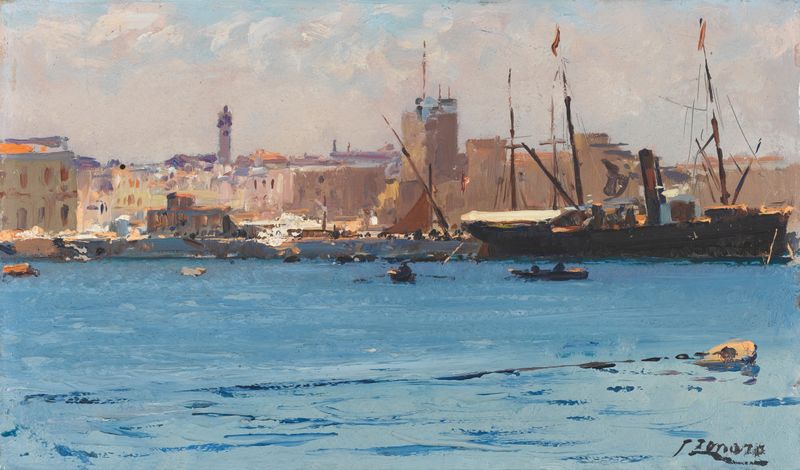
Boats In A Port
Fausto Zonaro
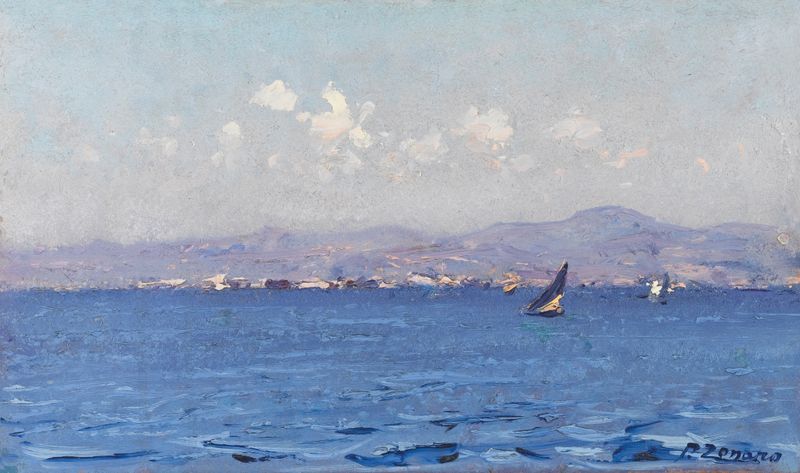
Sailing Boats In The Aegean
Fausto Zonaro
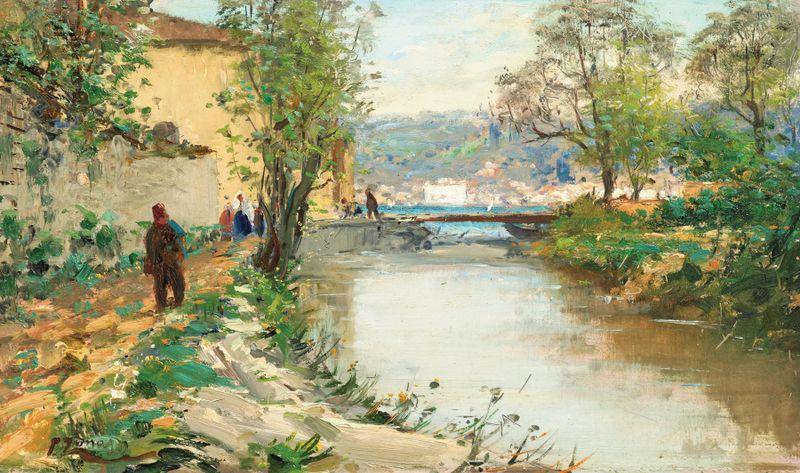
A View of Emirgan, Istanbul
Fausto Zonaro

The Aegean Coast
Fausto Zonaro
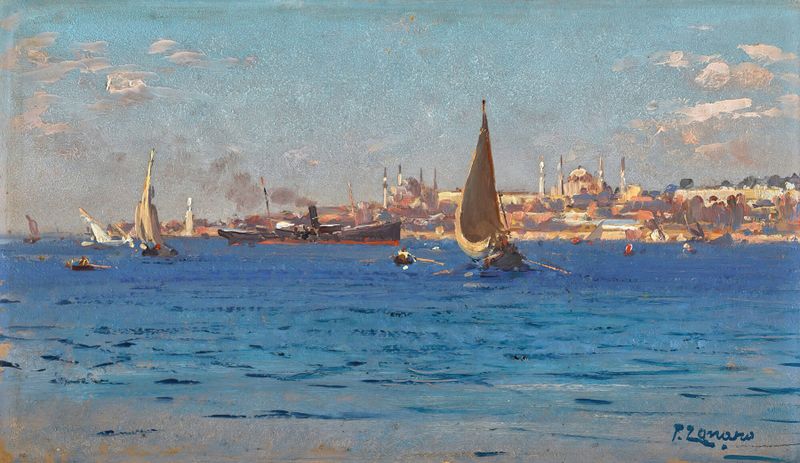
Off Seraglio Point
Fausto Zonaro





