The Approach of Spring — History & Facts
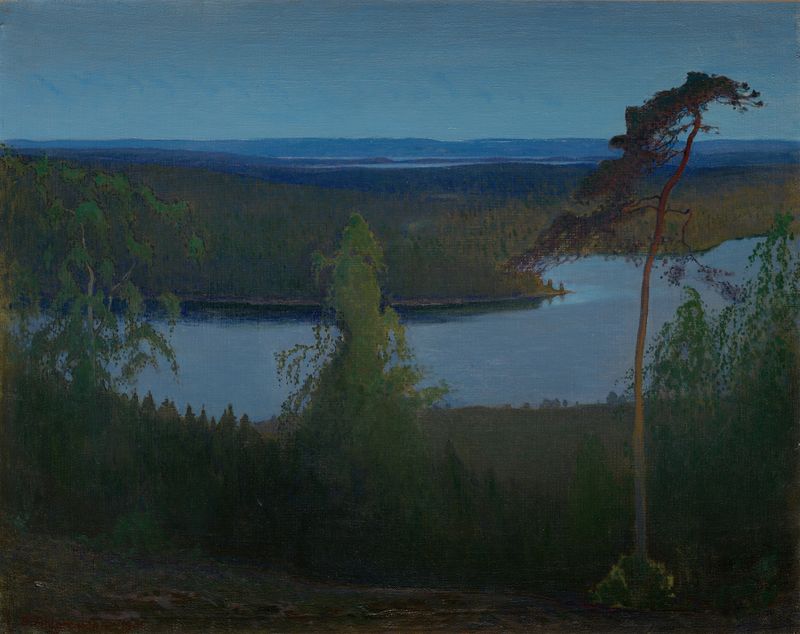
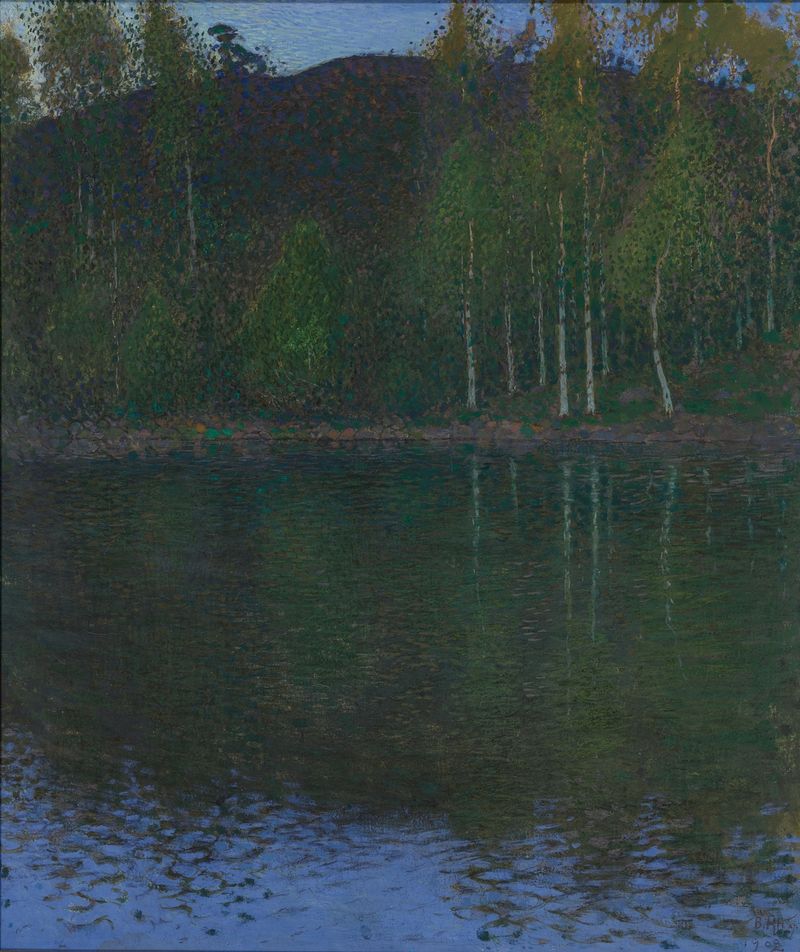
When did color learn to lie? The vibrant hues of nature often mask the decay beneath, whispering of renewal while holding shadows of the past. Focus on the rich greens that dominate the canvas, a tapestry of life bursting forth. The texture of the brushwork invites you to explore the nuances within the foliage, each stroke a delicate reminder of spring’s rebirth. Notice how the artist contrasts the lush vibrancy with more muted tones in the background, suggesting a world still recovering from winter's grasp.
The interplay of light dances across the scene, drawing your gaze to the horizon where warmth meets the cool remnants of decay. Amidst the flourishing flora lies a subtle tension; blooming flowers and emerging leaves coexist with the remnants of withered petals. This juxtaposition speaks to the cycle of life and death, the inextricable links between beauty and decay. The brightness of spring becomes a façade, a gentle distraction from the inevitability of the seasons’ change.
Each element hints at a deeper narrative, inviting reflection on our own cycles of renewal and loss. In 1903, Ahlgrensson painted this piece during a period when European art was shifting, grappling with both Impressionism and emerging Modernism. Living in Sweden, he sought to capture the essence of his homeland's changing seasons while asserting his unique voice. This work reflects a keen observation of nature's transient beauty at a time when artists were increasingly drawn to the interplay of color and light in their depictions of the world around them.