Landscape — History & Facts
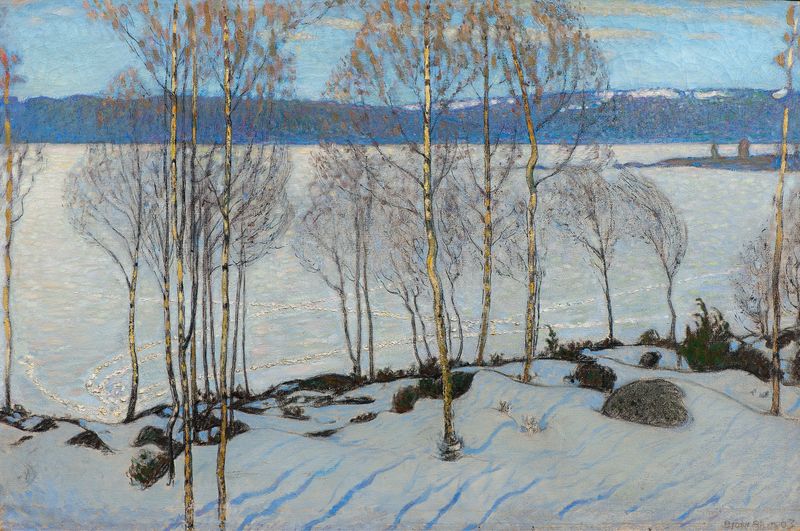
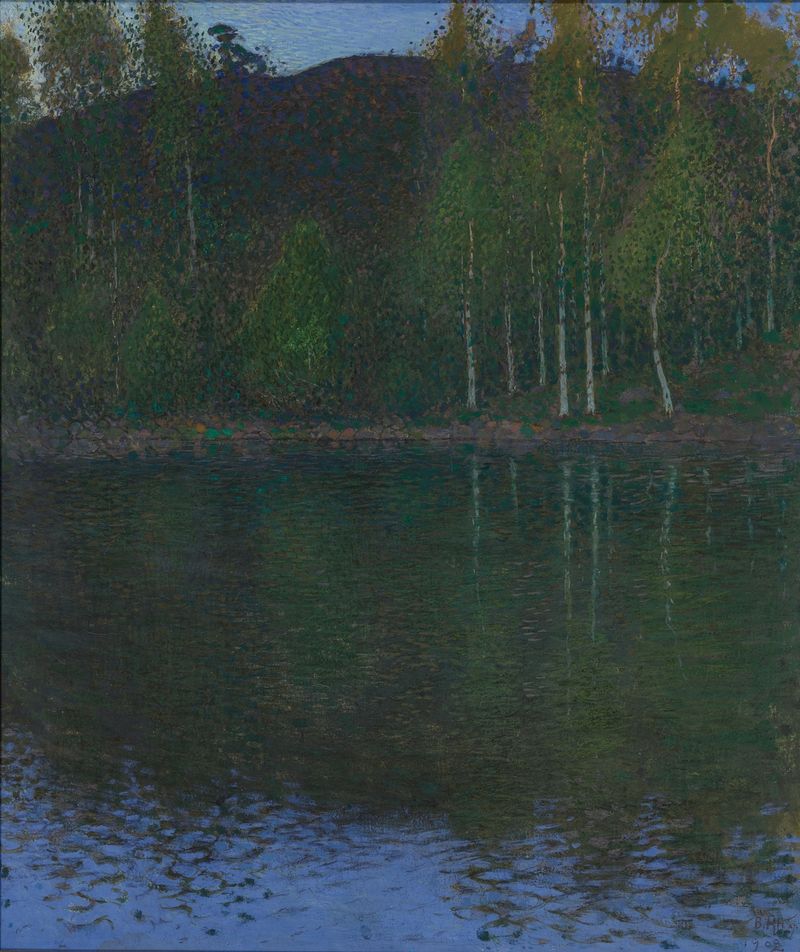
The essence of nostalgia whispers through forgotten landscapes, where memories linger like shadows beneath vibrant hues. Look to the left, where the soft greens of the rolling hills cradle a tranquil valley, inviting viewers to explore deeper. The interplay of light and shadow breathes life into the canvas, accentuating the undulating terrain, while a striking azure sky looms overhead, its serenity punctuated by wisps of white clouds. Notice how the brushstrokes blend seamlessly, creating a harmonious rhythm that evokes an intimate connection to nature, drawing the eye from the distant horizon to the intimate details in the foreground. In this composition, the solitude of the landscape speaks volumes, reflecting a juxtaposition of tranquility and longing.
The muted color palette hints at a world once vibrant but now tinged with melancholy, evoking a sense of time lost. This emotional tension is further amplified by the absence of human presence, inviting contemplation on our relationship with nature and the passage of time, revealing the lingering echoes of those who have traversed these lands before us. In 1901, the artist created this piece amidst a shifting European art scene, where Impressionism was giving way to new movements like Modernism. Living and working in Scandinavia, Ahlgrensson was deeply influenced by the natural beauty around him and the introspective qualities of his surroundings.
As societal change loomed, his work reflected a nostalgic yearning for simplicity and a deep appreciation for the untouched beauty of the world.