The Aqua Cetosa near Rome — History & Facts
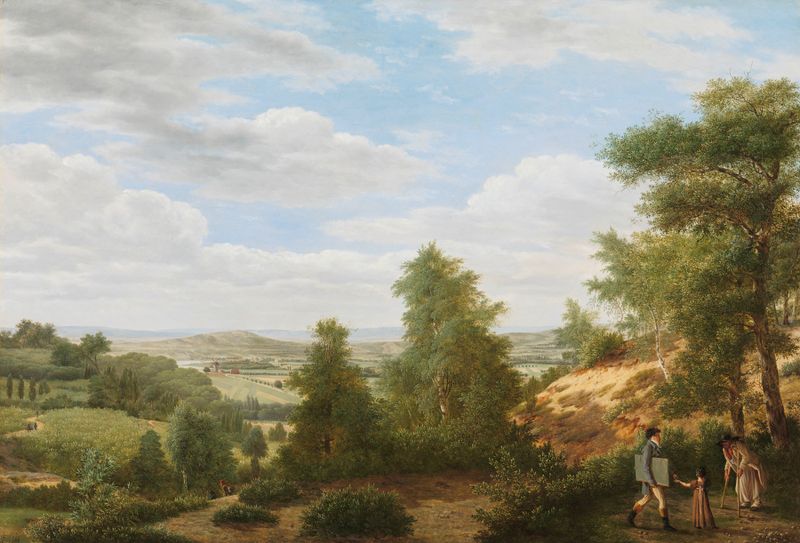
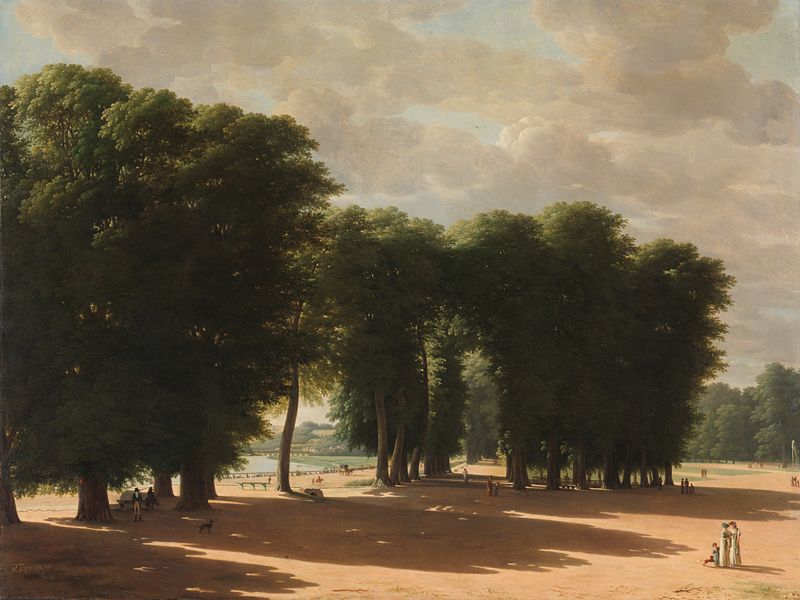
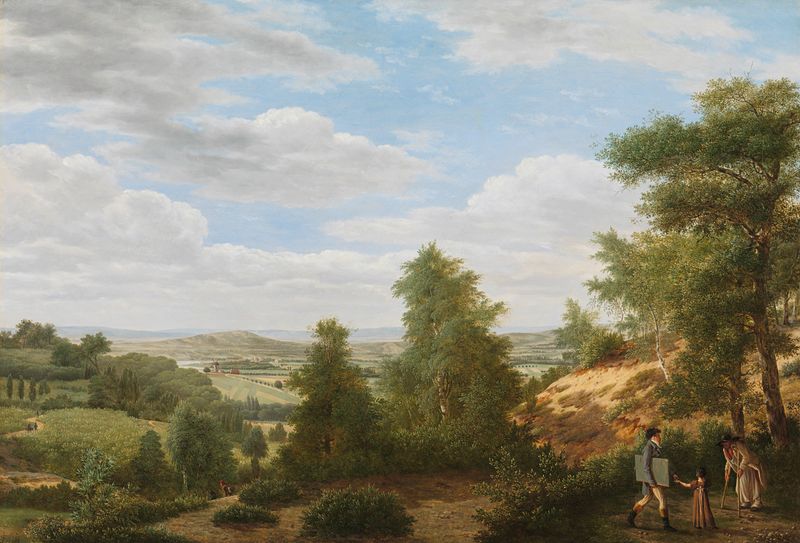
Time ebbs and flows like the water depicted, inviting a sense of nostalgia and contemplation. What stories lie beneath the surface, waiting to be unearthed by a gentle gaze? Focus on the serene waterway at the center of the canvas, where tranquil blues and greens intermingle. Notice how the light dances upon the surface, casting reflections that ripple outward.
To the left, delicate foliage frames the scene, while a soft background hints at distant hills draped in shadows. The painter’s delicate brushwork gives life to the landscape, inviting the viewer to walk along the banks of this idyllic retreat. In the intricate details, a deeper narrative unfolds. The contrast between the still water and the vibrant greenery speaks to the duality of time—moments of calm interspersed with the vitality of nature’s cycles.
Small figures dot the banks, perhaps engaged in conversations or quietly observing, suggesting a connection to both the environment and each other. This quiet interaction evokes a sense of shared history, reminding us that while time passes, memories linger. Kleijn painted this scene in 1810, during a period when Romanticism was flourishing in Europe. Living in Italy, he was deeply inspired by the picturesque landscapes of the region, which were becoming increasingly popular among artists.
The early 19th century was marked by a shift towards capturing the sublime beauty of nature, making this work a significant representation of both Kleijn's artistic journey and the broader artistic movement of the time.