The Artist in his Studio — History & Facts
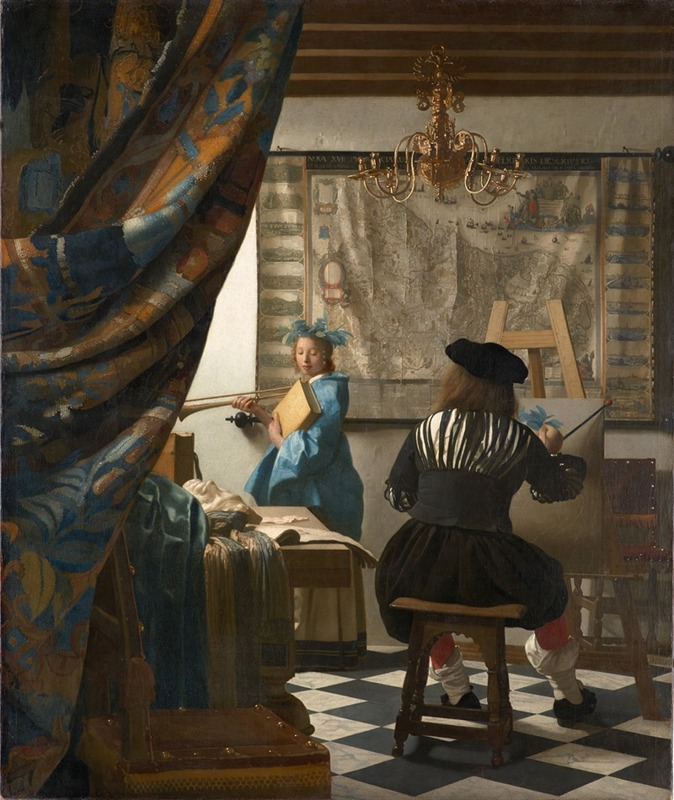
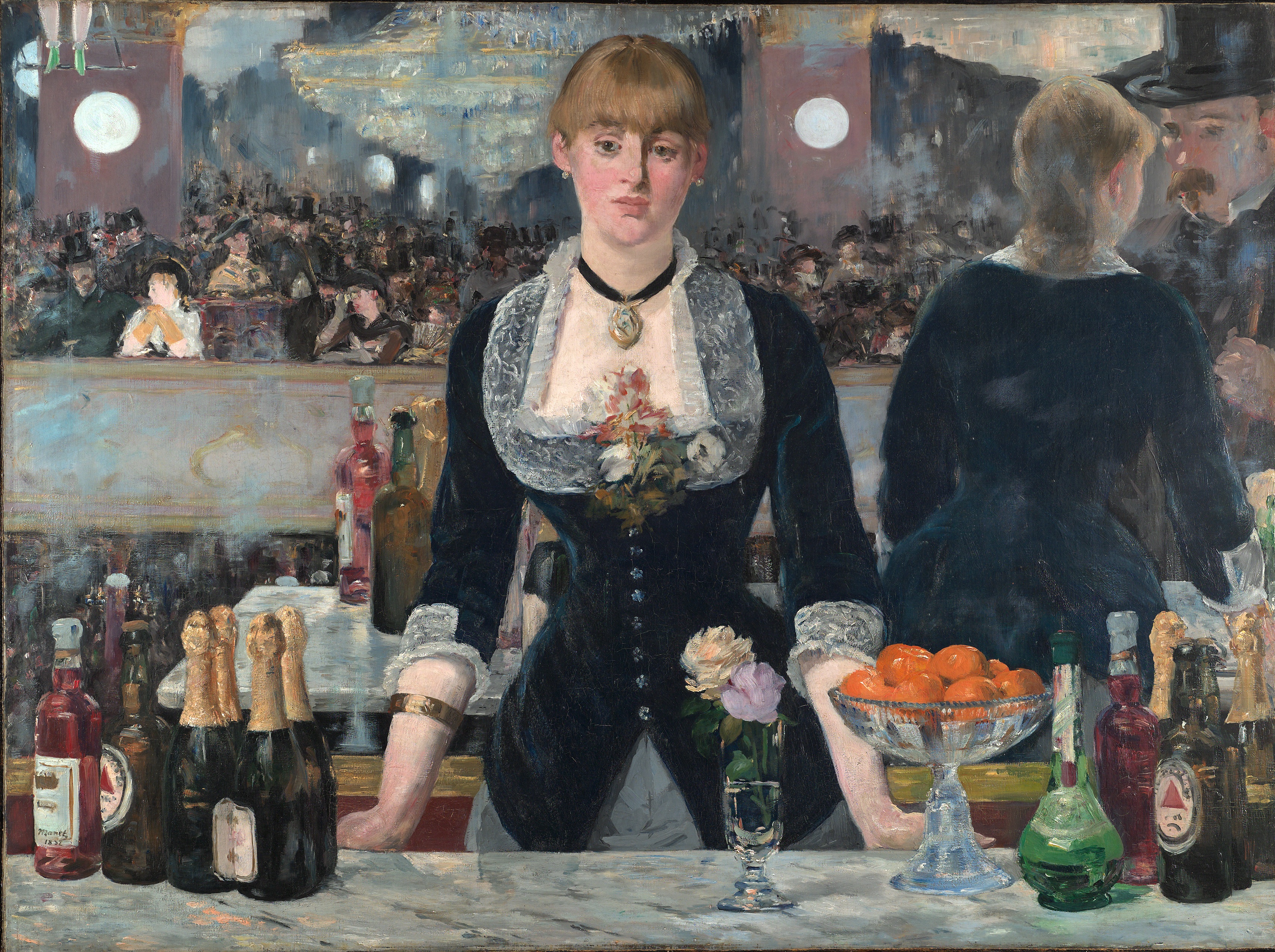
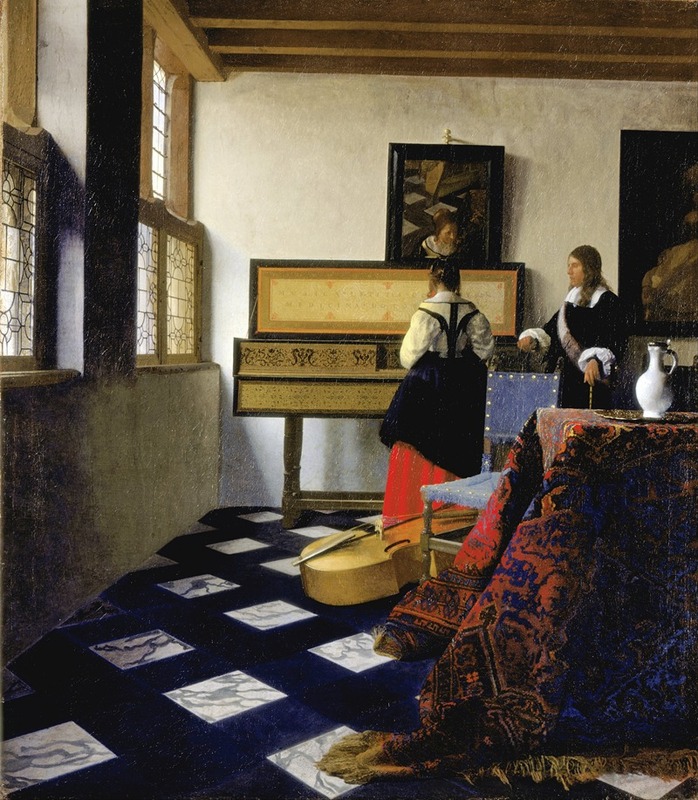
Could a single brushstroke hold eternity? In the quiet expanse of a studio, the weight of solitude lingers, blending with the echoes of creativity that once thrived within these walls. Look closely at the central figure, the artist immersed in contemplation, a paintbrush poised in his hand. Notice how the dim light filters through the windows, casting gentle shadows that dance around him. The palette of muted earth tones envelops the scene, highlighting not only the figure but also the stark emptiness of the surrounding space.
Each element around him feels intentional, drawing your gaze back to the artist’s own expression — a blend of determination and vulnerability captured in his furrowed brow. The contrast between the artist’s vibrant presence and the barren studio speaks volumes about the creative struggle. His unfinished work lies before him, a testament to aspirations and unfulfilled potential. The empty canvases suggest a void, a longing for inspiration that is both exhilarating and agonizing.
Each detail reveals a deeper narrative of what it means to pursue art amidst an atmosphere of uncertainty, hinting at the duality of creation and the fear of failure. Jean Baptiste Carpeaux painted this work during a transformative period from 1870 to 1873, while he was living in Paris. It was a time marked by personal hardships and professional challenges, as he grappled with the shifting tides of the art world and the rise of newer movements. In this intimate portrayal, Carpeaux reflected not only on his own experiences but also on the broader themes of artistic ambition and existential solitude that resonate even today.