
The Avon Gorge — History & Facts
Who listens when art speaks of silence? In The Avon Gorge, a dreamlike landscape unfolds, inviting the viewer to explore the depths of both nature and introspection. Look to the foreground, where a gentle slope leads your gaze towards the dramatic cliffs in the distance. The soft greens and browns of the vegetation contrast with the stark, rocky formations that rise majestically against a pale, cloud-streaked sky. Notice how the play of light subtly highlights the contours of the gorge, casting shadows that suggest both depth and mystery.
It's as if the scene holds its breath, allowing the viewer to feel the weight of the natural world. Beneath the serene beauty lies an emotional tension, a whisper of solitude as the vast expanse of the gorge mirrors the human experience. The distant river, winding between the cliffs, symbolizes a journey through life’s uncertainties, while the hazy sky evokes a sense of longing. The contrast between the dark rocks and the tranquil palette captures the duality of chaos and peace, resonating with our own inner dialogues. Francis Danby painted this scene between 1816 and 1818, during a time of significant transition in the art world and his personal life.
Having settled in Dublin, he was influenced by the Romantic movement, which emphasized emotion and nature's grandeur. This painting reflects the era's fascination with sublime landscapes while also marking a pivotal moment in Danby’s career as he sought to establish his voice amidst rising artistic competition.
More Artworks by Francis Danby
Browse all →
Funeral Procession
Francis Danby
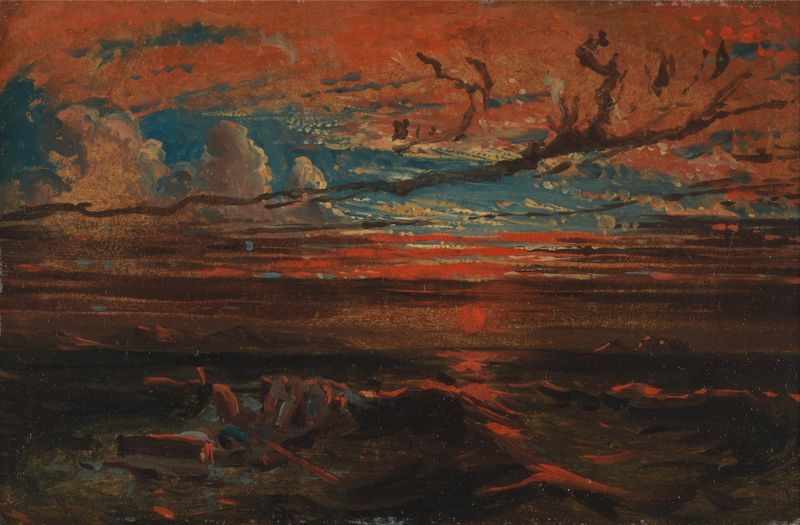
Sunset at Sea after a Storm
Francis Danby
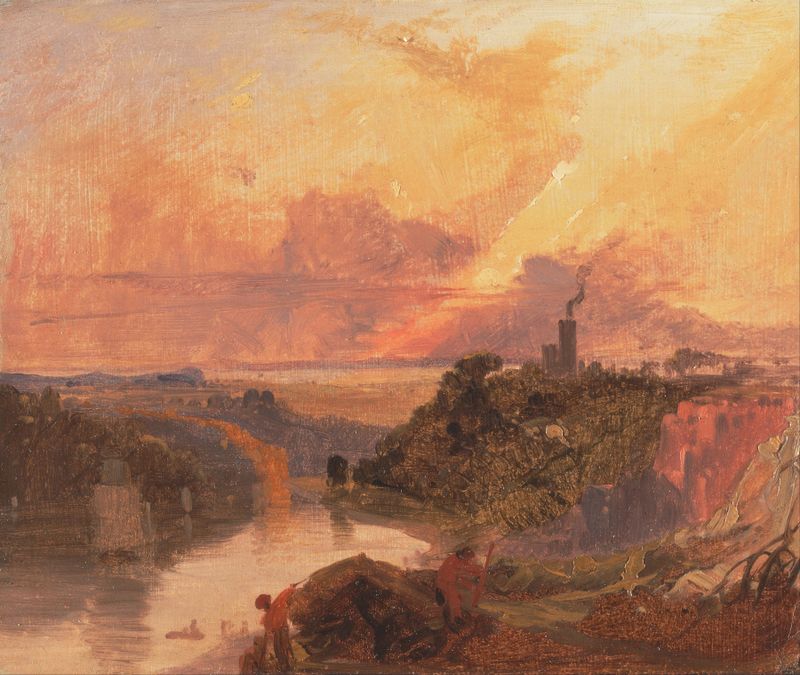
The Avon Gorge at Sunset
Francis Danby
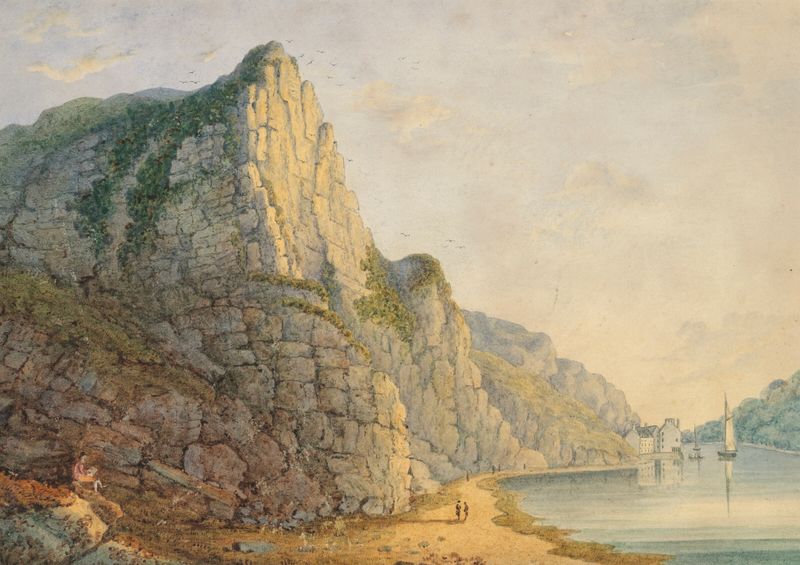
Hotwells in the Avon Gorge
Francis Danby

The Avon Gorge, Looking toward Clifton
Francis Danby

The Painter’s Holiday
Francis Danby
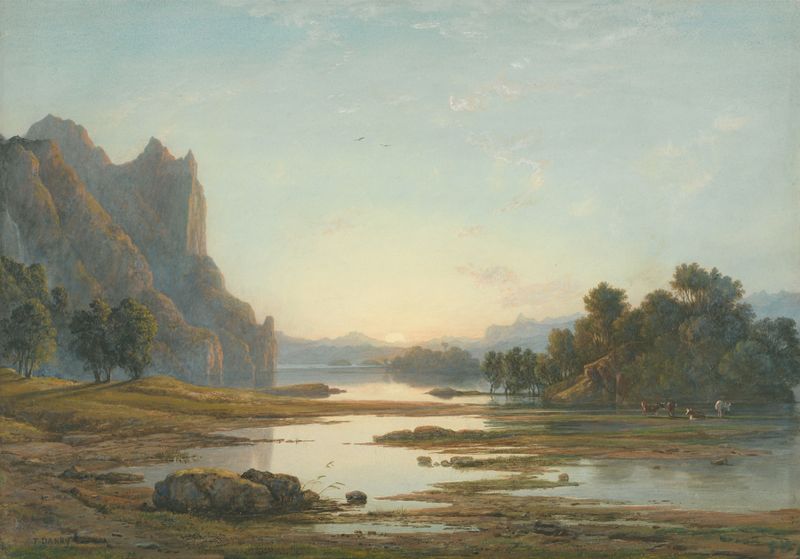
Sunset over a River Landscape
Francis Danby

Saint Vincent’s Rocks and the Avon Gorge
Francis Danby

An estuary at sunset with a moored fishing boat in the foreground
Francis Danby

Burning of an Old Boat
Francis Danby





