The Barber’s Shop — History & Facts
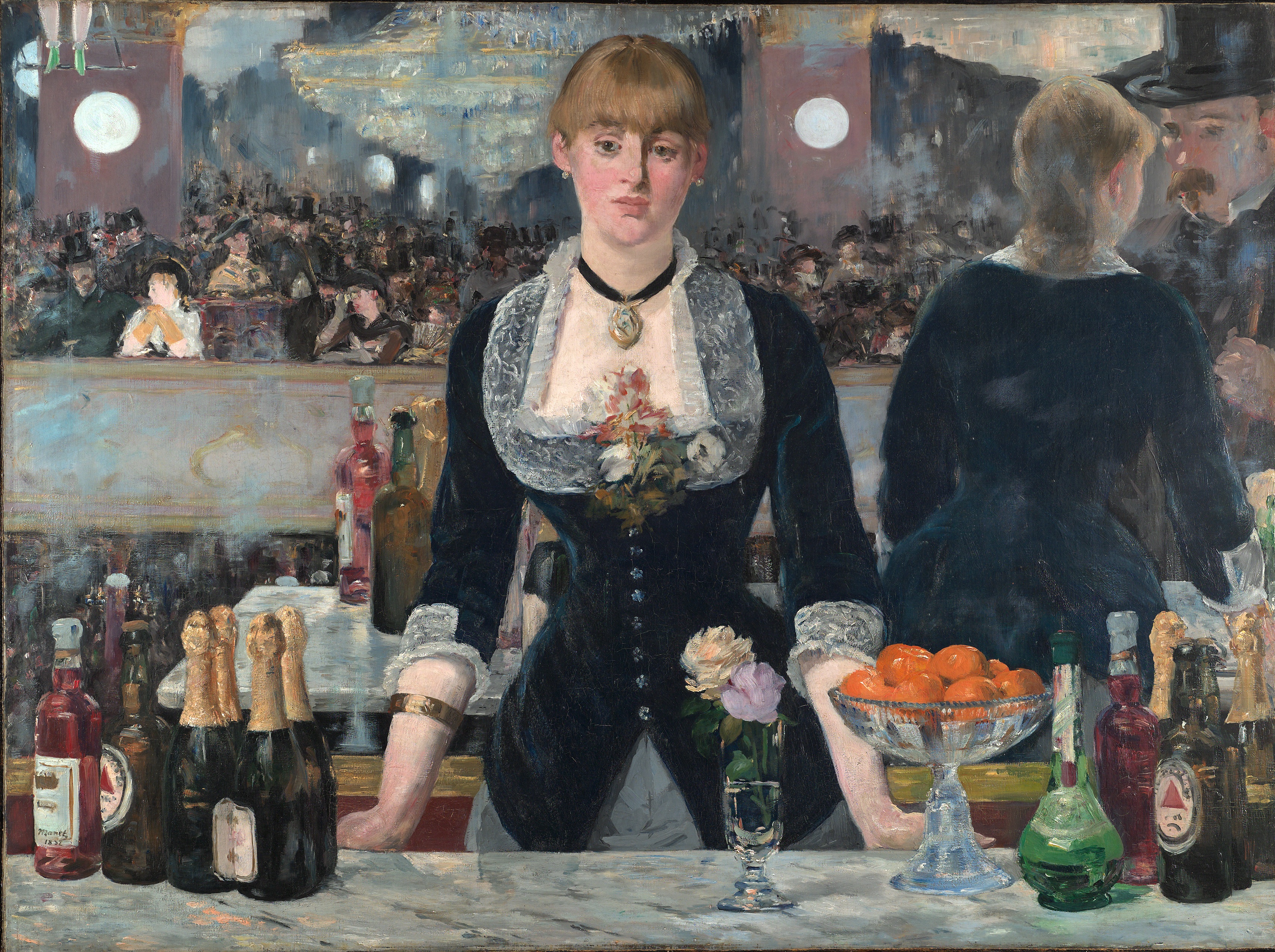
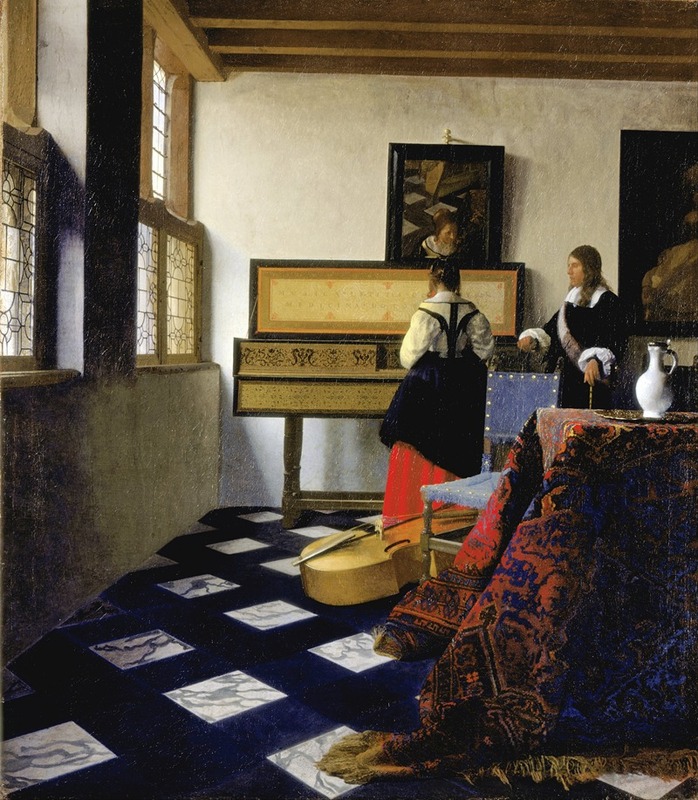
Where does light end, and longing begin? In the dim glow of The Barber’s Shop, a world unfolds where faith intertwines with the mundane, prompting reflection on life's simplest moments. Look to the right at the warm hues of the wooden barber's chair, its rich patina suggestive of countless stories whispered in its embrace. Notice how the light falls upon the hair clippings scattered on the floor, casting subtle shadows that hint at the passage of time. The figures seated and standing are captured in various states of contemplation, their expressions a blend of relaxation and anticipation, while the barbers deftly work with tools that glint like promises of transformation. Within the composition, a poignant contrast emerges between the bustling activity and the stillness of the figures waiting for their turn.
Each patron reveals a different emotional spectrum—from the youthful exuberance of a boy clutching his father’s hand to the elderly man’s quiet resignation. These nuances evoke a collective yearning for connection, underscoring a deeper human desire for identity and belonging shaped by fleeting moments of care. Created in 1886, the artist painted this piece while immersed in the vibrant art scene of Paris, where the Impressionist movement was gaining momentum. Franke, influenced by the everyday lives of people around him, sought to encapsulate the beauty found in ordinary spaces, reflecting the changing social dynamics of his time.
This work stands as a testament to his ability to transcend mere representation, inviting viewers to explore the sacred within the commonplace.