The Beautiful Greek Woman — History & Facts
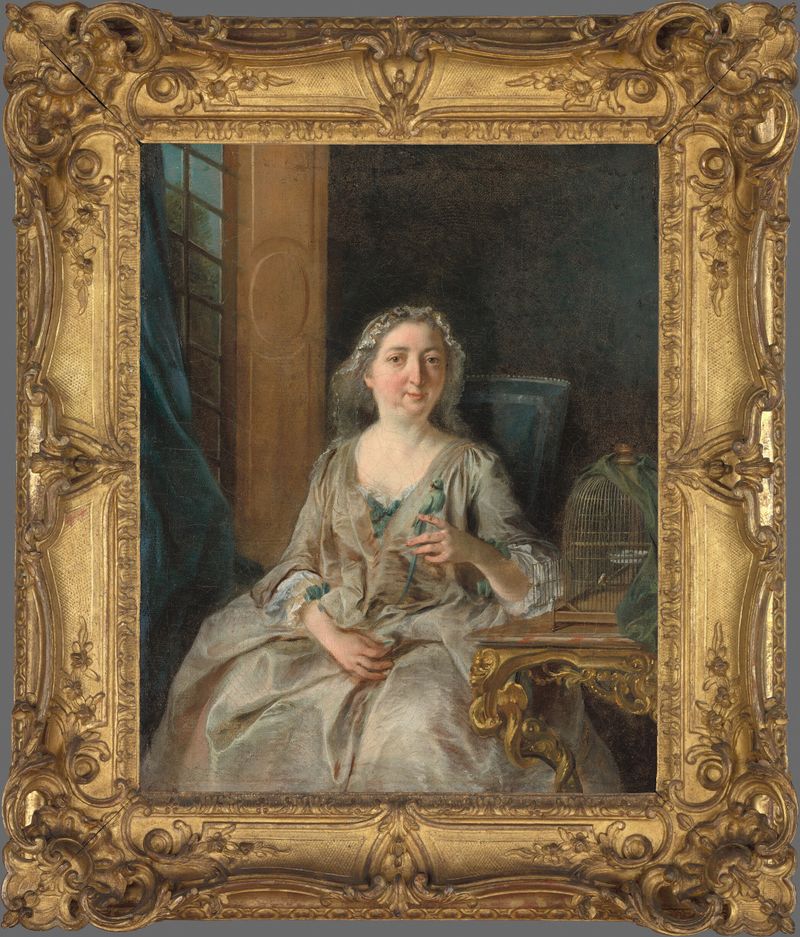
What secret hides in the quiet of the canvas? In The Beautiful Greek Woman, we are drawn into an intimate moment of ecstasy, where beauty blooms amidst a serene embrace of stillness. Look to the left at the graceful figure draped in soft, flowing fabrics that seem to dance with the gentle caress of light. The delicate brushwork accentuates her serene expression, inviting contemplation and admiration. Notice how the warm, golden hues mingle with deeper shades, creating a harmonious balance that instills a sense of tranquility.
The composition is masterfully orchestrated, leading the viewer's gaze across the canvas, revealing the elegance and poise that define the subject. Yet, beneath this serene exterior lies a tension of yearning and desire. The slight tilt of her head suggests a readiness to engage, while the subtle contrast between light and shadow hints at the complexity of her emotions. The background, with its muted tones, amplifies her beauty, suggesting that her allure transcends mere physicality—she embodies a deeper, almost mystic ecstasy.
This duality invites reflection on the nature of attraction, art, and the interplay of stillness and passion. Created between 1731 and 1736, this work emerged during a time when Lancret was establishing himself as a leading figure in French Rococo painting. Influenced by the burgeoning popularity of intimate genre scenes, he sought to capture beauty not just in form but in the essence of human experience. In this piece, he blends the ideals of classical beauty with the burgeoning sentimentalism of the era, reflecting both personal and societal aspirations.