The Bridge–Longfellows Bridge — History & Facts
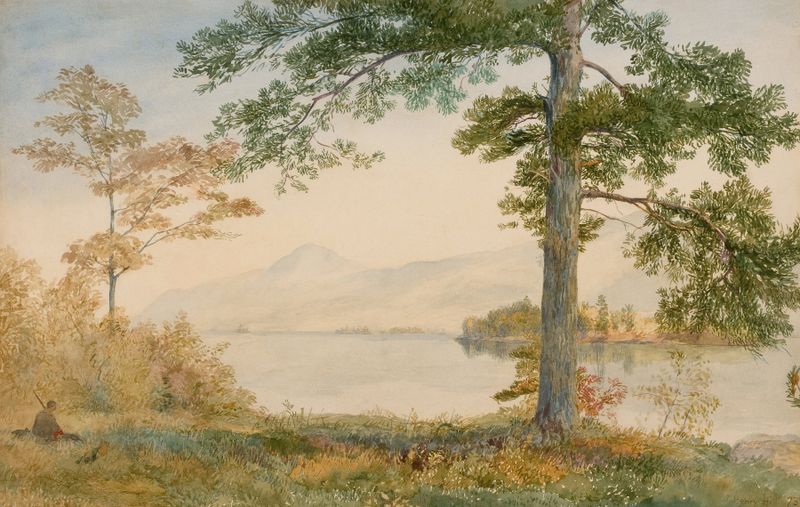
Where does light end, and longing begin? The delicate interplay of shadow and illumination in this painting leaves the viewer suspended in a moment of bittersweet reflection. Focus your gaze on the soft, golden light cascading across the bridge, as if it bears the weight of the world’s yearning. Notice how the muted blues and greens of the landscape cradle the structure, creating a sense of serenity that contrasts with the somber undertones of nostalgia. The artist’s brushwork captures the essence of the natural environment, inviting you to explore the intricate details of the foliage and water below.
Each stroke seems to breathe life into the scene, while the bridge stands as a poignant symbol of connection, both physical and emotional. Amidst the tranquility, there lies an undercurrent of melancholy. The bridge, masterfully rendered, feels like an invitation to a journey left untraveled, while the surrounding nature whispers secrets of time passing and memories fading. The stillness of the water reflects a longing for what once was, perhaps hinting at personal histories intertwined with the landscape.
These subtle tensions weave a narrative of both solace and sadness, striking a chord deep within the viewer. In 1887, Hill painted this work during a time of personal reflection, finding inspiration in the landscapes of his native New England. Emerging from the artistic traditions of the Hudson River School, he sought to capture the beauty of nature and its emotional resonance. The era was marked by a growing interest in American landscapes, as artists began to explore themes of identity and belonging through their depictions of the natural world, leading to a rich tapestry of expression that Hill contributed to with great sensitivity.