
The Brooklyn Tabernacle, erected 1890 — History & Facts
When did color learn to lie? Beneath the vibrant facade of a bustling city, the melancholy of human experience often whispers in the shadows of its structures. Look closely at the intricate details of the facade. The grand archways and towering spires draw the eye upward, suggesting a yearning for transcendence. The ochres and muted blues used in the painting create a paradox of warmth and distance, inviting yet isolating.
Notice how the light plays across the surface, illuminating certain areas while leaving others to blend into obscurity, hinting at the forgotten stories lurking within this sacred space. Beyond its architectural beauty, the work captures a deeper emotional landscape. The stark contrast between the lively street life outside and the solemnity of the tabernacle suggests a dichotomy between faith and reality. As busy figures traverse the foreground, their hurried movements juxtapose the stillness of the building, echoing the struggle between life's exuberance and the quiet introspection often found in places of worship.
Each brushstroke carries a hint of sorrow, a reminder of the fleeting nature of moments both sacred and mundane. The tabernacle was erected in 1890, a time when urban America was grappling with rapid change and social upheaval. The artist, whose identity remains a mystery, captured this moment amidst the backdrop of burgeoning industrialism and the shifting spiritual landscape. As communities sought solace in places like this, the painting reflects not only the architectural achievement but also the profound longing for connection and meaning in a transforming world.
More Artworks by Unknown Artist
Browse all →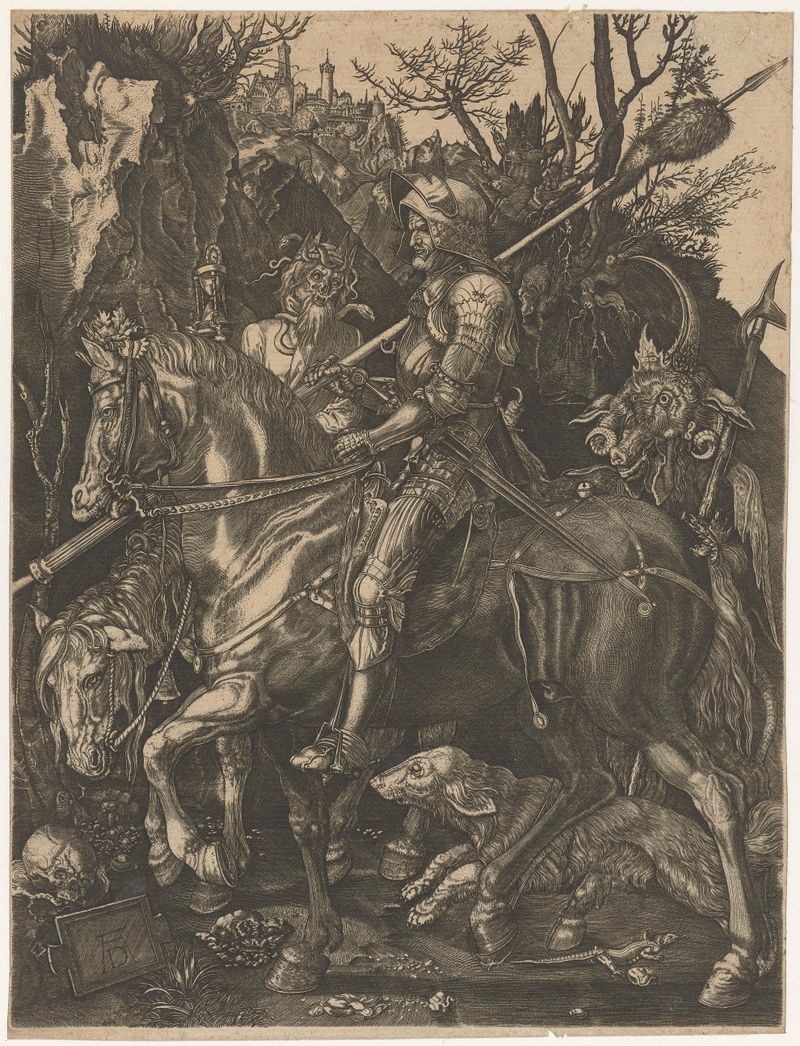
Ridder, Dood en Duivel
Unknown Artist
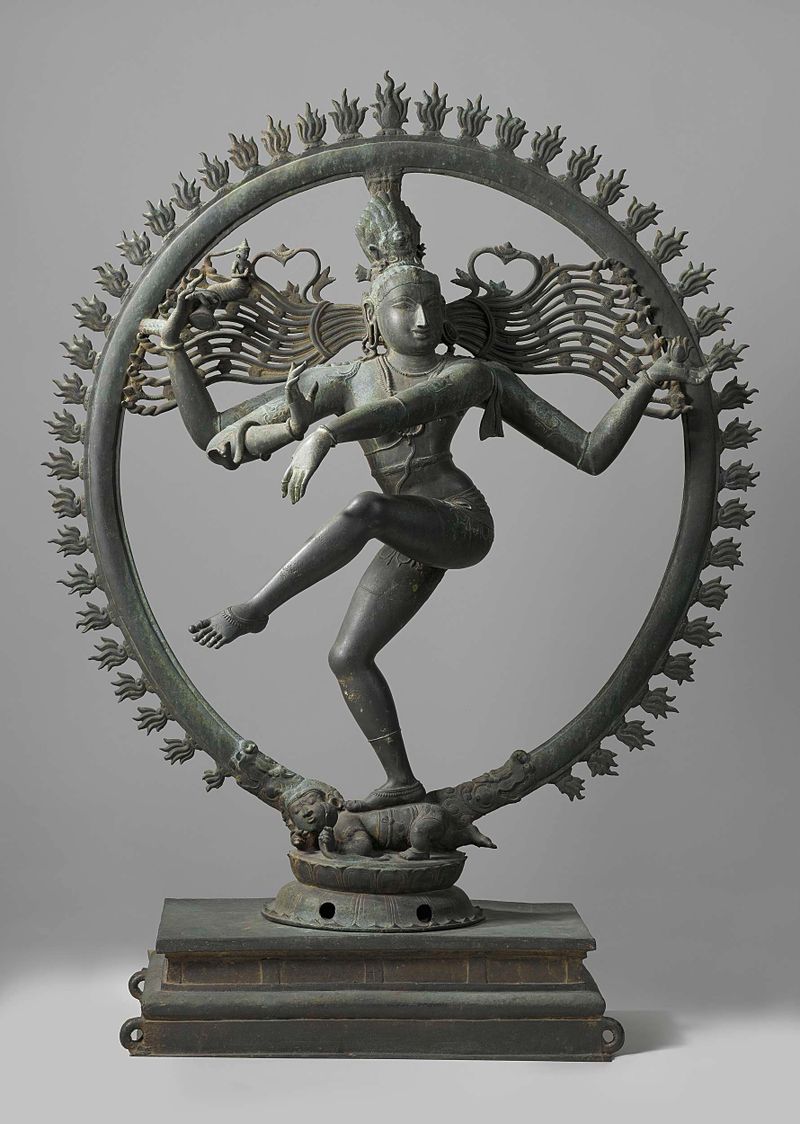
Shiva Nataraja
Unknown Artist
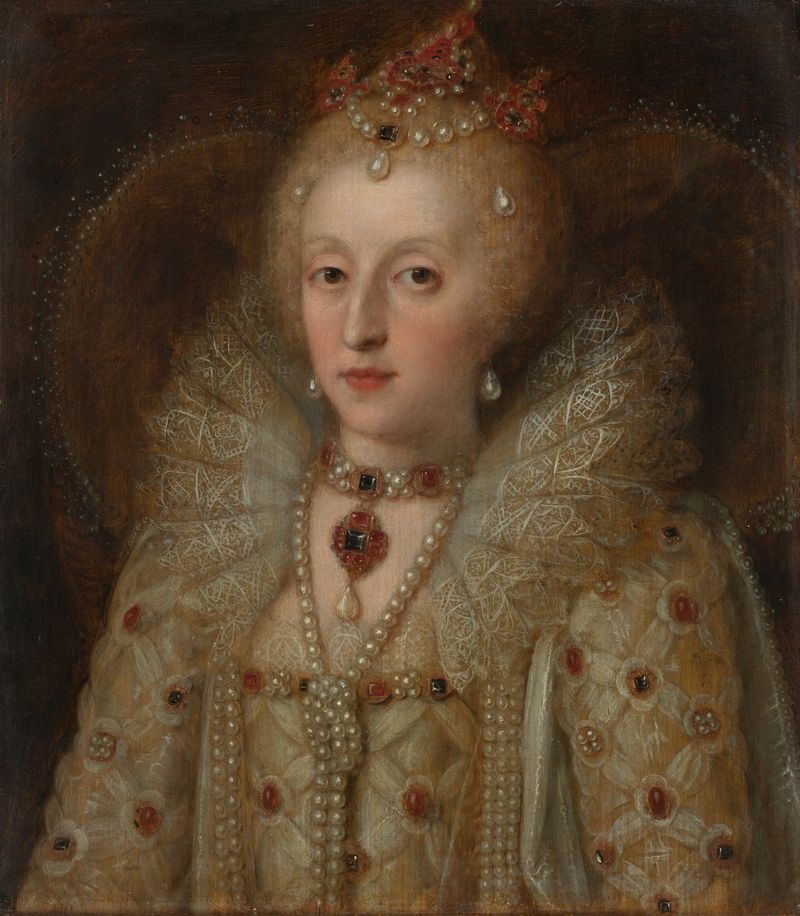
Portrait of Elizabeth I, Queen of England
Unknown Artist
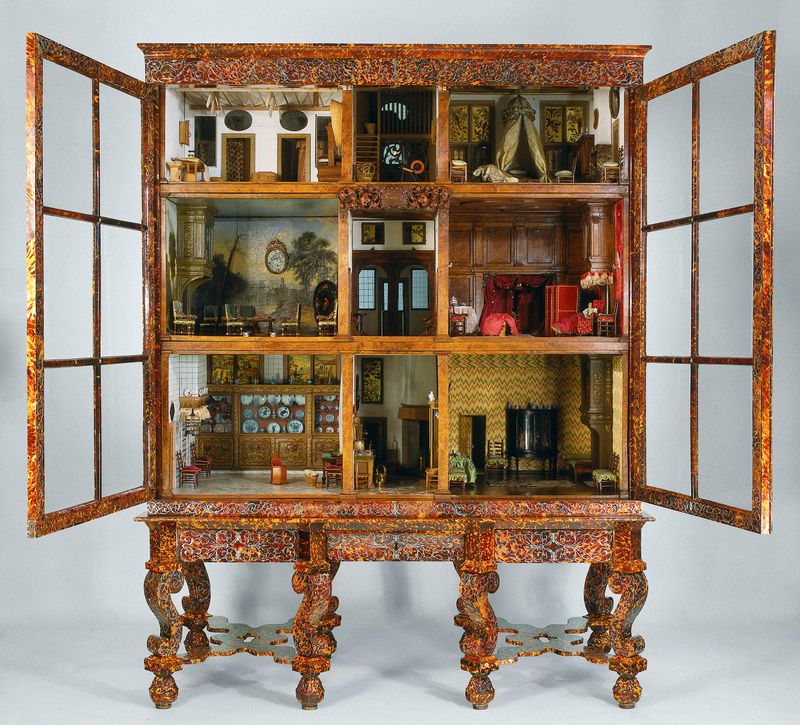
Dolls’ house of Petronella Oortman
Unknown Artist
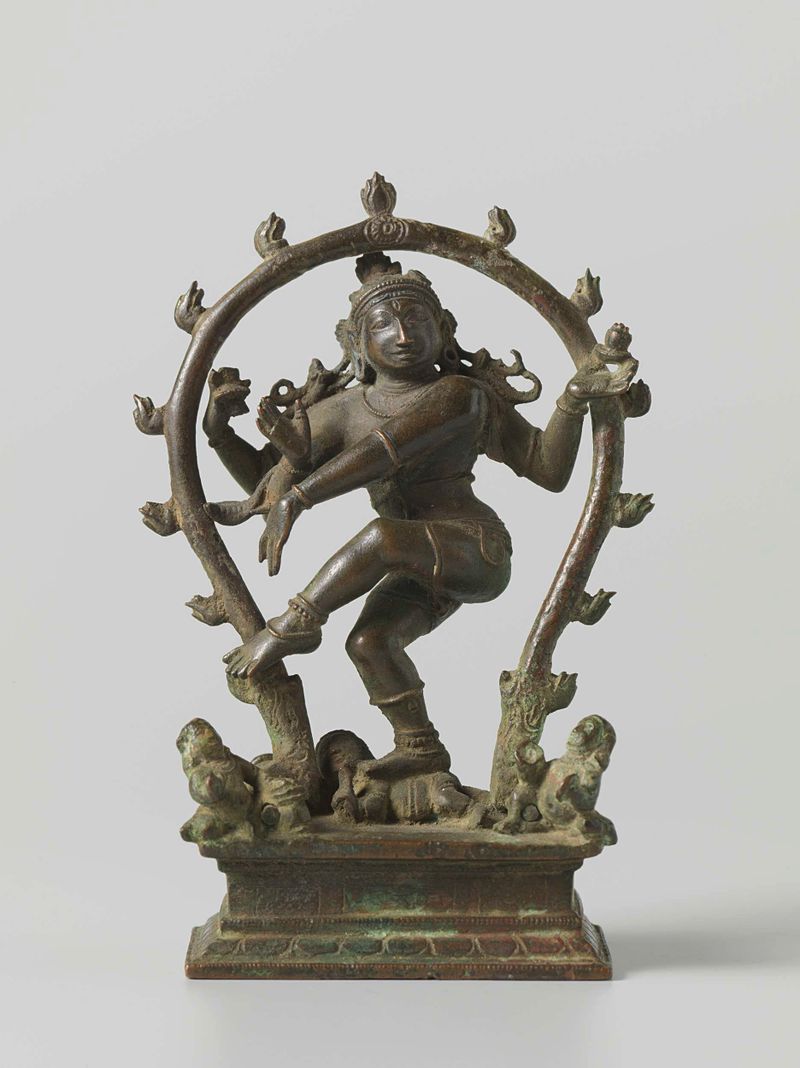
Shiva Nataraja
Unknown Artist

The Tale of Genji
Unknown Artist

The Tale of Genji
Unknown Artist

Cong
Unknown Artist
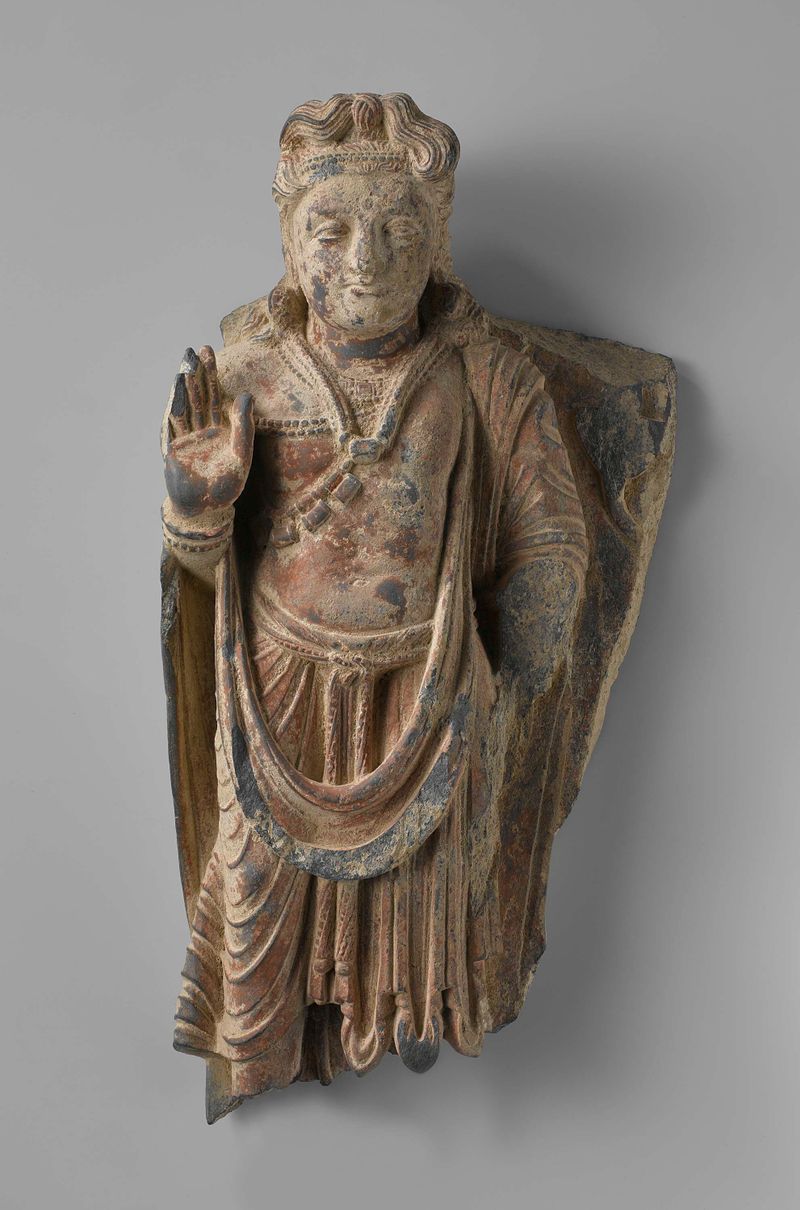
The bodhisattva Maitreya
Unknown Artist

Teabowl with a 'hare's fur' glaze
Unknown Artist
More Architecture Art
Browse all →
The statue of Liberty
Frédéric Auguste Bartholdi

View of Houses in Delft, Known as ‘The Little Street’
Johannes Vermeer

View of Houses in Delft, Known as ‘The Little Street’
Johannes Vermeer

The Cathedral in Rouen. The portal, Grey Weather
Claude Monet

The yellow house
Vincent van Gogh

The Church in Auvers-sur-Oise, View from the Chevet
Vincent van Gogh