
The Church Of Rümlingen — History & Facts
In The Church of Rümlingen, the echoes of decay intertwine with fleeting beauty, reminding us of life’s impermanence. Look to the foreground, where the gnarled trees stretch their twisted limbs toward a somber sky. Notice how the muted palette of browns and greys envelops the church, its once-vibrant walls now fading under the weight of time. The artist employs a series of short, deliberate brushstrokes that breathe life into the crumbling structure, while contrasting the angular forms of the church with the organic curves of the landscape.
Here, light filters through the trees, casting intricate shadows that dance across the ground, heightening the sense of nostalgia. Hidden within the layers of paint lies a poignant dialog between the vitality of nature and the stillness of the man-made. The church stands as a testament to human aspiration, yet it is surrounded by the creeping grasp of decay, suggesting that all creations, no matter how grand, are ultimately subject to the ravages of time. The simplicity of the scene belies a deeper tension; the beauty of the moment is tinged with melancholy, inviting the viewer to contemplate what has been lost. In 1875, Ferdinand Hodler was deeply engaged with themes of decay and transience, reflecting the broader currents of Romanticism that sought to reconcile the beauty of nature with the inevitability of decline.
Creating this piece while living in Switzerland, Hodler was influenced by both the picturesque landscapes and the changing societal attitudes toward the natural world. His exploration of these themes would later evolve, but in this work, he captures a fleeting moment where beauty and decay coexist in haunting harmony.
More Artworks by Ferdinand Hodler
Browse all →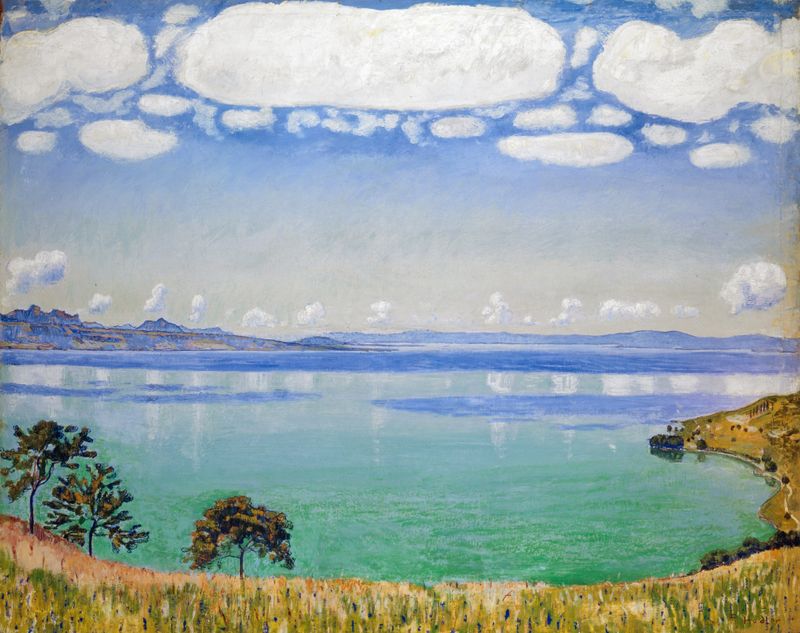
Lake Geneva From Chexbres
Ferdinand Hodler
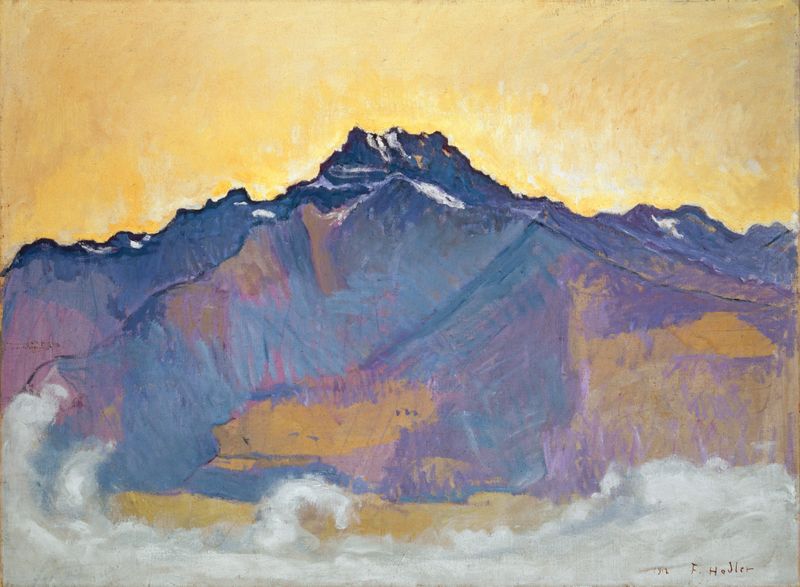
The Dents Du Midi Seen From Chesières
Ferdinand Hodler
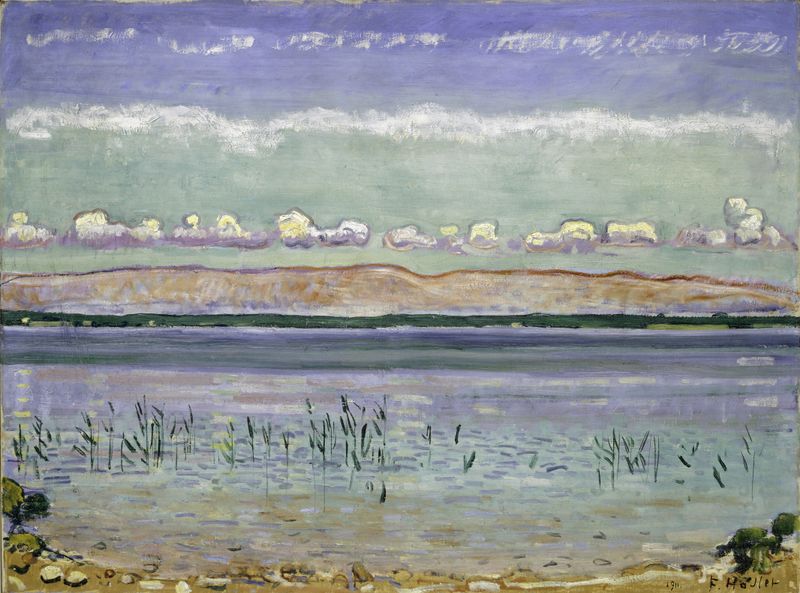
Lake Geneva With Jura Hills
Ferdinand Hodler
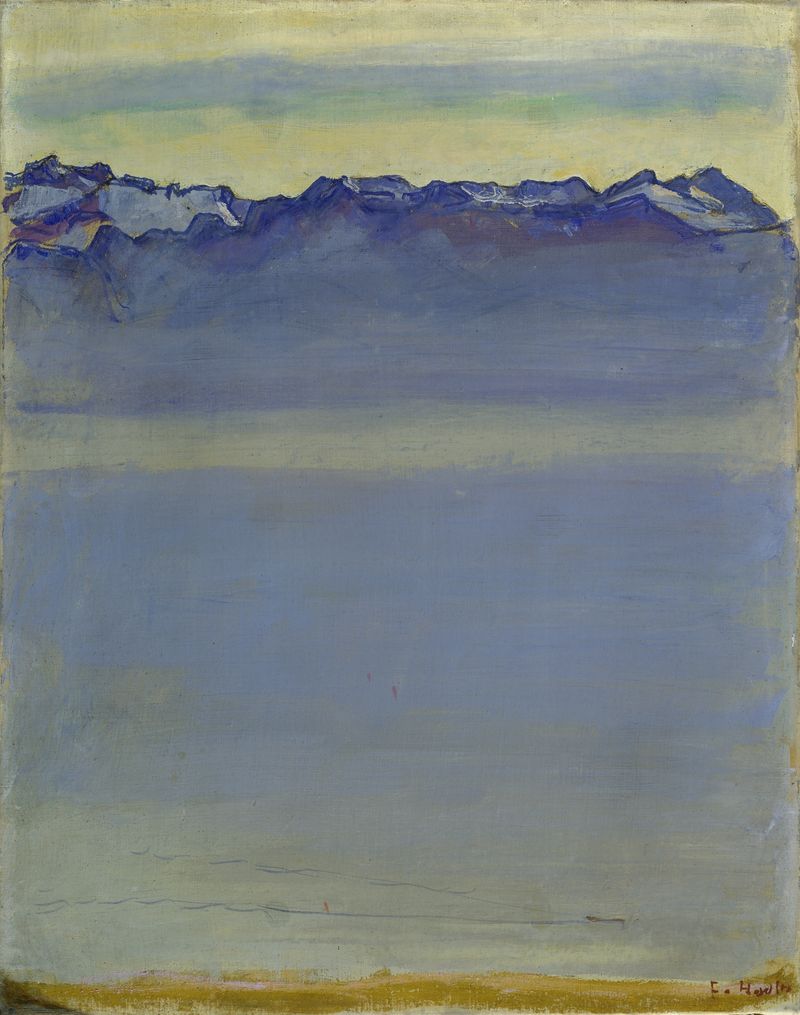
Lake Geneva with the Savoy Alps
Ferdinand Hodler
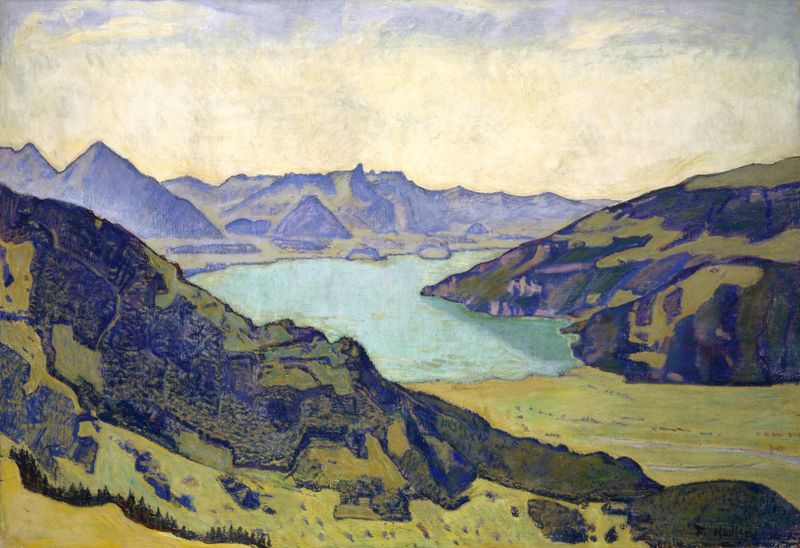
Lake Thun From Breitlauenen
Ferdinand Hodler
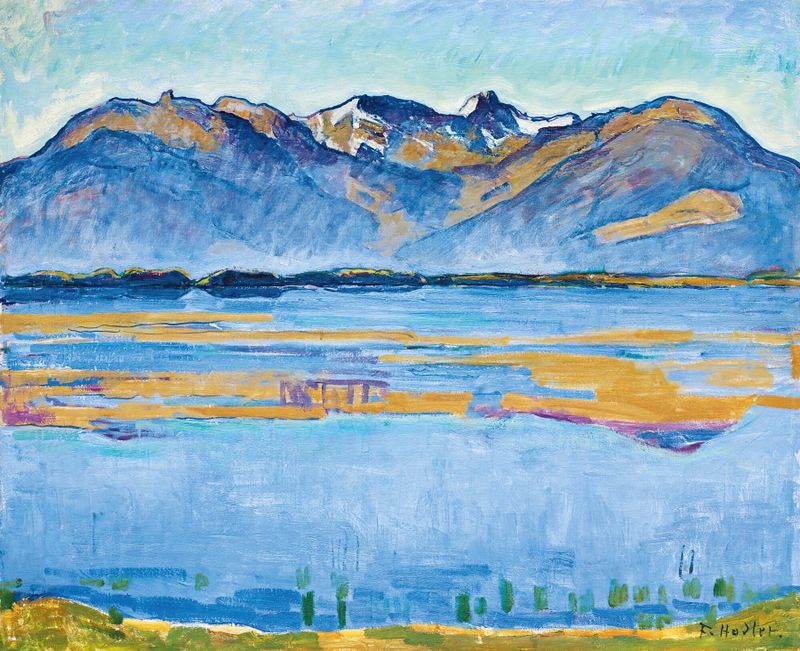
Montana Landscape With Becs De Bosson And Vallon De Réchy
Ferdinand Hodler
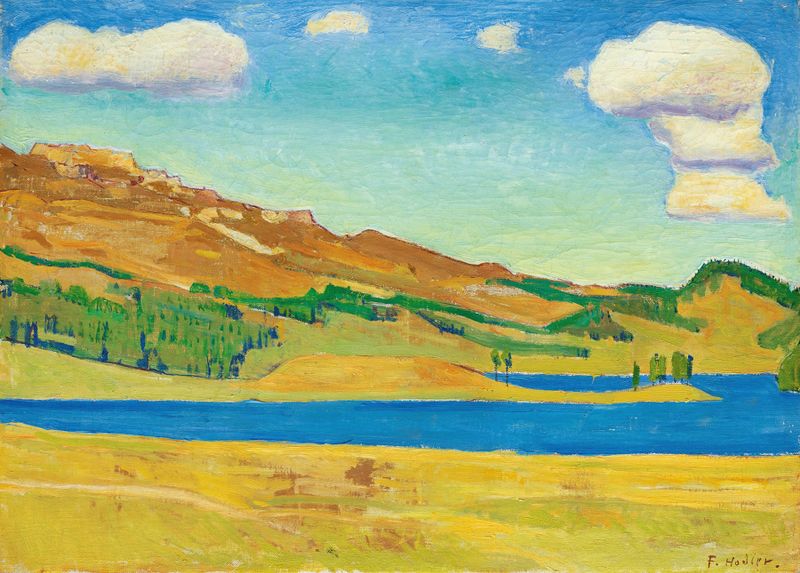
Lake Champfèr
Ferdinand Hodler

James Vibert, Sculptor
Ferdinand Hodler
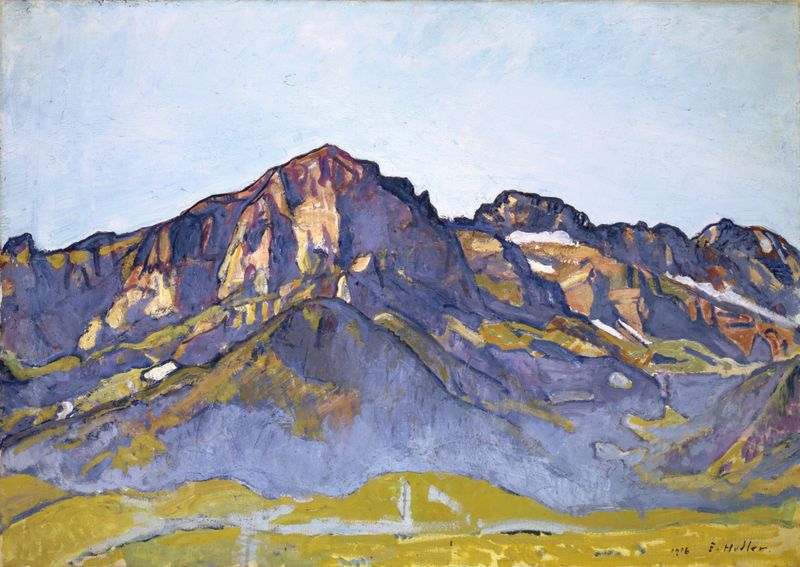
The Dents Blanches At Champéry In The Morning Sun
Ferdinand Hodler

Day (Truth)
Ferdinand Hodler





