The Cloud — History & Facts
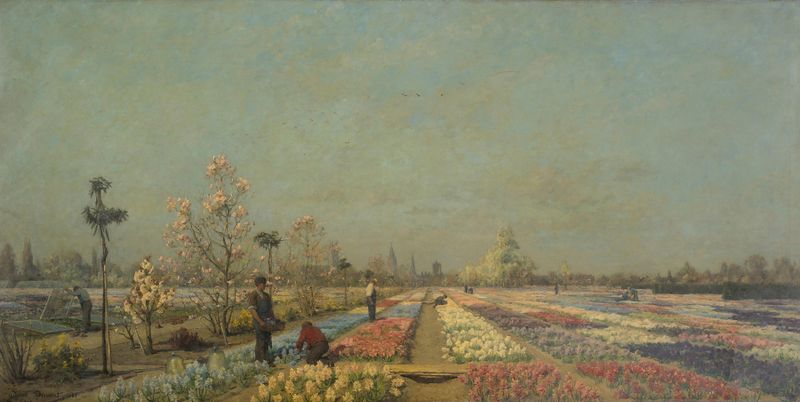
What if beauty was never meant to be finished? In the mysterious layers of this artwork, one finds an invitation to confront the fleeting nature of illusion. Look to the upper section, where soft, billowing clouds swirl in an ethereal dance. Notice how the painter’s brush captures the subtle gradients of white and gray, creating a hazy dreamscape that teeters on the edge of reality. The lower portion, painted with cooler hues, grounds the viewer, contrasting the serene chaos above with a firm, textured canvas that speaks of earthiness and weight.
The delicate balance between the two realms evokes a sense of longing, as if one might wish to step into the vaporous embrace of the sky. Within this work lies a tension between the ephemeral and the tangible. The clouds seem to whisper secrets of transient beauty, while the earth anchors them in a resolute stillness. This duality prompts reflection on our own perceptions—how often do we chase illusions, captivated by their allure yet aware of their impermanence? The composition invites us to ponder what exists between the seen and the unseen, between aspiration and reality. The exact period when the artist created this piece remains uncertain, but it flourished amidst the late 19th-century art movements that embraced Impressionism and the exploration of light and atmosphere.
Living in France during this vibrant time, the artist engaged with a community that aimed to break from traditional techniques, immersing themselves in the momentary effects of nature. Such an environment undoubtedly influenced the creation of this artwork, where beauty exists not as a destination but as an ongoing dialogue between viewer and canvas.