Tulip Fields — History & Facts
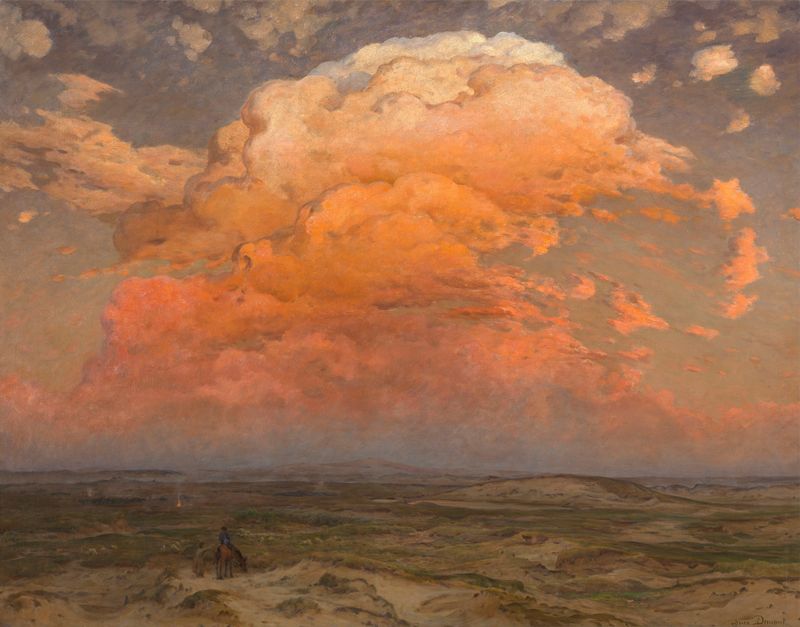
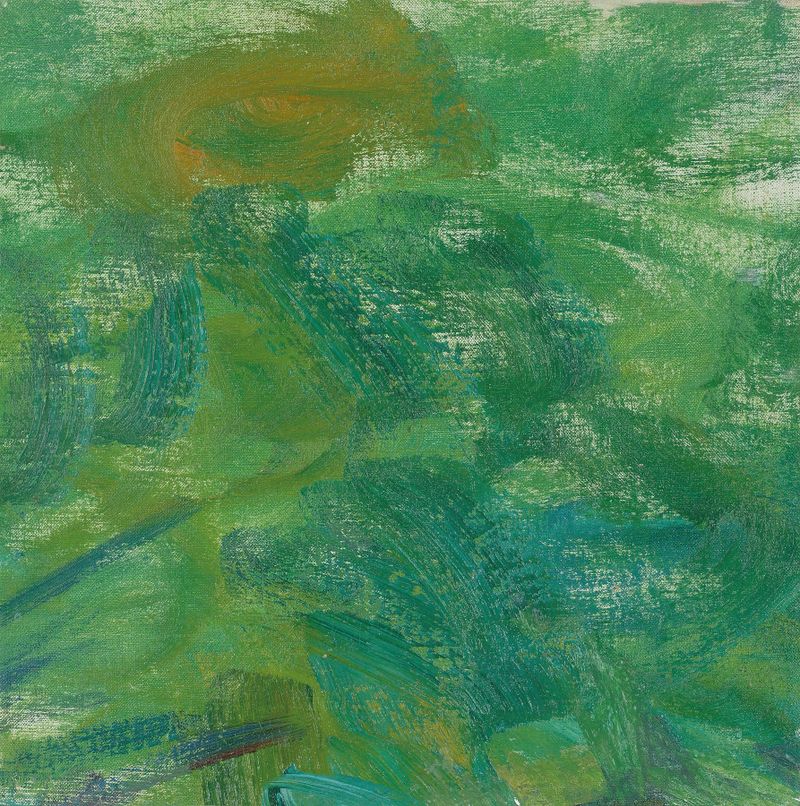
What if beauty was never meant to be finished? In the vibrant chaos of nature, the tulip fields stretch endlessly, a riot of color that teeters on the brink of madness. Look to the lower left, where the vibrant reds and yellows burst forth from the canvas, their brushstrokes seemingly alive, swirling in an ecstatic dance. Notice how the tulips sway gently, their petals painted with a thick application that captures the weight of the light and the thrill of spring. The sky above, a serene blue, contrasts sharply with this explosion of color, creating a visual dialogue between calm and chaos, inviting you to lose yourself in the rhythm of the blossoms. Delve deeper into the layers; the varying hues of green in the leaves suggest a lushness that borders on wildness, hinting at nature's unrestrained spirit.
The juxtaposition of meticulously arranged flowers and the slightly frenetic brushwork evokes a tension between human order and the uncontrollable essence of nature, reflecting a beauty that is perpetually unfinished and deeply alive. Each stroke seems to whisper of madness, urging you to ponder the fleeting moments of joy and the pursuit of perfection that may never exist. Created in 1883, this piece emerged during a period of flourishing Impressionism, as artists sought to capture the ephemeral beauty of the world around them. At this time, Demont was establishing his voice among a community of bold innovators in France, grappling with both the advances in technique and the pressures of an evolving society.
The tulip fields are not just a representation of nature; they are a testament to the vibrant energy and complex emotions of an artist navigating through a time of change.