The Courtyard, Cartron, Connemara — History & Facts
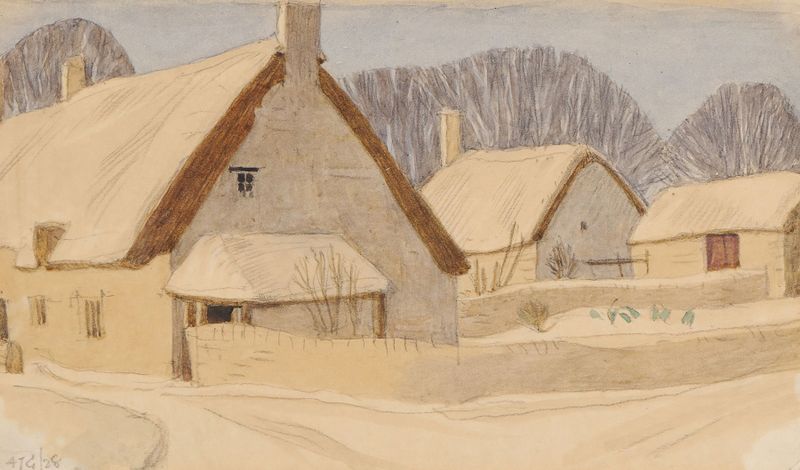
In the quiet corners of our lives, the most profound betrayals often remain unspoken, hidden beneath layers of familiarity and time. Look to the center of the canvas, where a serene courtyard unfolds, bathed in the gentle light of a fading afternoon. The soft palette of greens and ochres invites the viewer’s gaze across the cobblestone path, leading into a tranquil space enclosed by ancient walls. Notice how the light filters through the delicate foliage, casting playful shadows that dance upon the stones, a deliberate contrast to the stillness of the scene.
The intricate detailing of the architecture and the flora enhances the sense of intimacy, making this secluded space feel both inviting and isolated. Beneath the calm surface lies a tension of abandonment, perhaps a silent reflection on lost companionship or the weight of unaddressed feelings. The vibrant greenery suggests life and growth, yet the static composition hints at the stagnation that often follows betrayal. Each element tells part of a larger narrative, where the essence of home and safety intertwines with the specter of trust once broken, evoking a bittersweet nostalgia. In 1923, Gaskin painted this vision of solitude and reflection during a time when Ireland was grappling with its identity following the War of Independence.
Living in Connemara, he was drawn to the natural beauty surrounding him, as well as the personal turbulence in his life and the evolving art world. His works during this period often sought to explore the emotional landscapes that lay beneath the surface, a testament to both personal experience and broader societal shifts.